




















Report on Clauses in Iran–U.S. Memorandum Sparks Intense Scrutiny as Questions Swirl Over Prospective Diplomatic Breakthrough
By: Fern Sidman
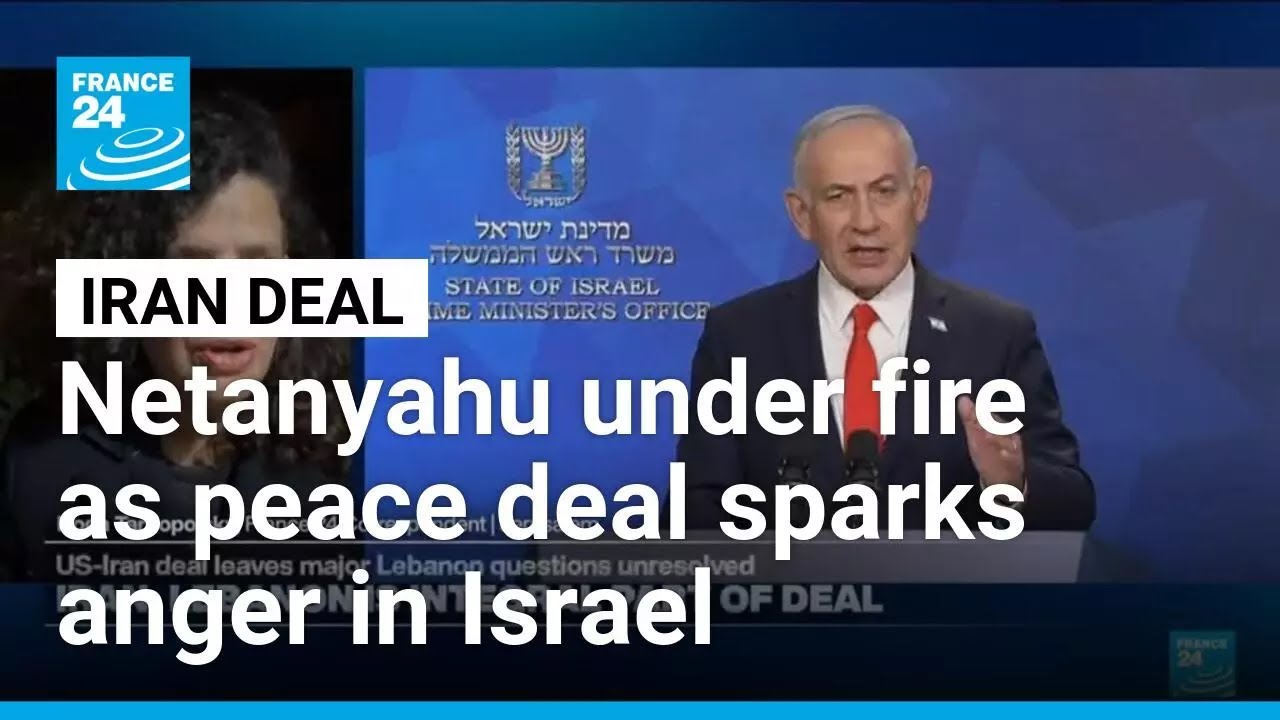
A dramatic report published by Israel’s Channel 12 has ignited widespread speculation regarding the future of relations between Washington and Tehran after the Israeli broadcaster on Wednesday released what it described as the principal clauses of an alleged memorandum of understanding between the United States and Iran.
The report, which has rapidly attracted international attention, purports to outline a comprehensive framework addressing a broad range of issues that have long defined one of the world’s most volatile geopolitical rivalries, including regional security, Iran’s nuclear activities, sanctions relief, maritime navigation, economic measures, and future diplomatic negotiations.
Yet despite the extraordinary implications of the reported document, significant uncertainty remains.
Neither the United States nor Iran has officially confirmed the existence, authenticity, or final content of the alleged memorandum. As a result, the provisions published by Israel’s Channel 12 remain the subject of intense scrutiny among diplomats, intelligence analysts, policymakers, and regional observers attempting to determine whether the reported framework represents a genuine diplomatic breakthrough or merely an evolving negotiating proposal.
According to Israel’s Channel 12, the alleged memorandum contains 12 principal clauses designed to establish a pathway toward de-escalation and future negotiations between the longtime adversaries.
The reported provisions touch upon virtually every major issue that has defined tensions between Washington and Tehran during recent decades.
Among the most consequential elements cited by Israel’s Channel 12 is an alleged commitment to halt hostilities across multiple theaters of conflict. According to the broadcaster’s report, the framework includes provisions addressing military activity and regional confrontations, including developments connected to Lebanon.
If accurate, such commitments would represent a potentially significant shift in the broader strategic environment of the Middle East.
For years, regional tensions have repeatedly threatened to escalate into wider military confrontations involving multiple actors. Efforts to establish even temporary mechanisms for de-escalation have often proven elusive.
The memorandum reported by Israel’s Channel 12 appears to suggest that negotiators may be seeking to create a foundation for reducing immediate security threats while broader diplomatic discussions continue. Equally significant are the provisions reportedly related to Iran’s nuclear program.
According to Israel’s Channel 12, the document includes commitments connected to nuclear activities and establishes a framework for continuing negotiations on nuclear-related matters. Although the broadcaster did not indicate that a final resolution had been achieved, the reported clauses suggest that both sides may be exploring mechanisms designed to address one of the most contentious issues in international diplomacy.
For decades, disputes surrounding Iran’s nuclear ambitions have occupied a central place in relations between Tehran and Western governments. Successive administrations in Washington have sought various approaches to managing concerns regarding enrichment activities, monitoring mechanisms, verification procedures, and long-term compliance obligations.
The alleged framework published by Israel’s Channel 12 appears to indicate that negotiations on these issues remain ongoing rather than resolved. Perhaps among the most politically sensitive aspects of the reported memorandum are provisions involving sanctions.
According to Israel’s Channel 12, the alleged agreement contemplates temporary sanctions waivers and the possible release of frozen Iranian assets. Such measures would likely provoke intense debate among policymakers in multiple countries.
Supporters of sanctions relief frequently argue that economic incentives can facilitate diplomatic progress and encourage compliance with negotiated obligations. Critics, by contrast, often contend that sanctions represent essential leverage and should not be relaxed absent substantial and verifiable concessions.
The possibility that frozen Iranian assets could eventually be released would likely become one of the most closely scrutinized aspects of any finalized arrangement. Economic considerations occupy a central role throughout the framework described by Israel’s Channel 12.
The broadcaster’s report suggests that negotiators may be attempting to balance security concerns with broader economic objectives, creating incentives intended to support continued diplomatic engagement. Another major element highlighted by Israel’s Channel 12 involves maritime security.
According to the report, the memorandum contains provisions designed to ensure the safe passage of commercial shipping through the Strait of Hormuz. The strategic significance of the waterway can hardly be overstated.
The Strait of Hormuz serves as one of the world’s most important maritime chokepoints, facilitating the movement of substantial volumes of global energy supplies and commercial trade. Any effort to establish enhanced security guarantees in the region would be viewed as a matter of considerable international importance.
The broadcaster reported that maritime cooperation forms part of the broader framework under discussion. Should such provisions ultimately be implemented, they could potentially reduce risks associated with disruptions to global shipping routes and energy markets.
Israel’s Channel 12 further reported that the alleged memorandum extends beyond immediate crisis management and seeks to establish a pathway toward more comprehensive negotiations. According to the broadcaster, the document includes a framework for discussions aimed at achieving a broader long-term agreement.
This aspect of the report may prove particularly significant. Diplomatic initiatives often struggle because they focus exclusively on immediate disputes without creating mechanisms for sustained engagement.
The reported framework appears designed to address that challenge by establishing a process through which future negotiations could continue. According to Israel’s Channel 12, the clauses also reference several additional areas that could become subjects of future discussions.
Among them are reported references to possible United States force withdrawals, long-term sanctions policy, reconstruction funding initiatives, and expanded maritime cooperation. Each of these subjects carries substantial geopolitical implications.
Questions surrounding military deployments have long been central to regional security calculations. Similarly, sanctions policy remains one of the most powerful tools available to policymakers seeking to influence state behavior.
Reconstruction funding raises additional considerations regarding economic development, regional stability, and post-conflict recovery efforts. The breadth of topics reportedly included in the memorandum suggests an ambitious effort to address multiple dimensions of the U.S.-Iran relationship simultaneously.
Nevertheless, substantial uncertainty continues to surround the reported document. Neither government has publicly endorsed the contents published by Israel’s Channel 12. No official statements have verified the authenticity of the clauses.
No final agreement has been publicly released. Consequently, analysts caution against treating the reported provisions as definitive evidence of a completed diplomatic accord. Instead, many observers view the Channel 12 report as a possible glimpse into ongoing negotiations whose ultimate outcome remains unclear.
Diplomatic negotiations frequently evolve through multiple drafts, revisions, and proposals before any final agreement is reached. As a result, even if the reported memorandum accurately reflects discussions currently underway, significant modifications could still occur before any formal arrangement emerges.
The publication of the clauses by Israel’s Channel 12 has nevertheless intensified interest in the broader diplomatic process. Governments throughout the Middle East, Europe, and beyond are closely monitoring developments.
Financial markets are assessing potential implications for sanctions, energy exports, and regional stability. Security analysts are evaluating how the reported provisions could affect strategic calculations across multiple theaters.
For Israel in particular, any prospective U.S.-Iran agreement would carry profound national security implications. The country’s political and defense establishments have historically maintained a close interest in negotiations involving Iran’s nuclear program and regional activities.
That context helps explain the intense attention generated by the Channel 12 report.
As further information emerges, the international community will be watching closely for official clarification from Washington and Tehran. Until such confirmation is provided, the memorandum remains exactly what Israel’s Channel 12 has described it as: a reported framework whose contents have yet to receive formal validation from either side.
Yet even in its unconfirmed form, the document has already succeeded in highlighting the extraordinary stakes involved. If the reported clauses ultimately prove authentic and form the basis of a finalized agreement, they could represent one of the most consequential diplomatic initiatives in recent Middle Eastern history. If not, they nonetheless offer a revealing glimpse into the issues that appear to dominate one of the world’s most closely watched diplomatic negotiations.
For now, the memorandum remains an evolving story—one whose potential ramifications extend far beyond the negotiating table and whose final outcome could reshape the geopolitical landscape of the Middle East for years to come.



