













Trump at G7 Press Conference Defends Tentative Iran Accord Amid Republican Skepticism, Warns Military Action Could Resume if Tehran Violates Terms
By: Jeff Gorman
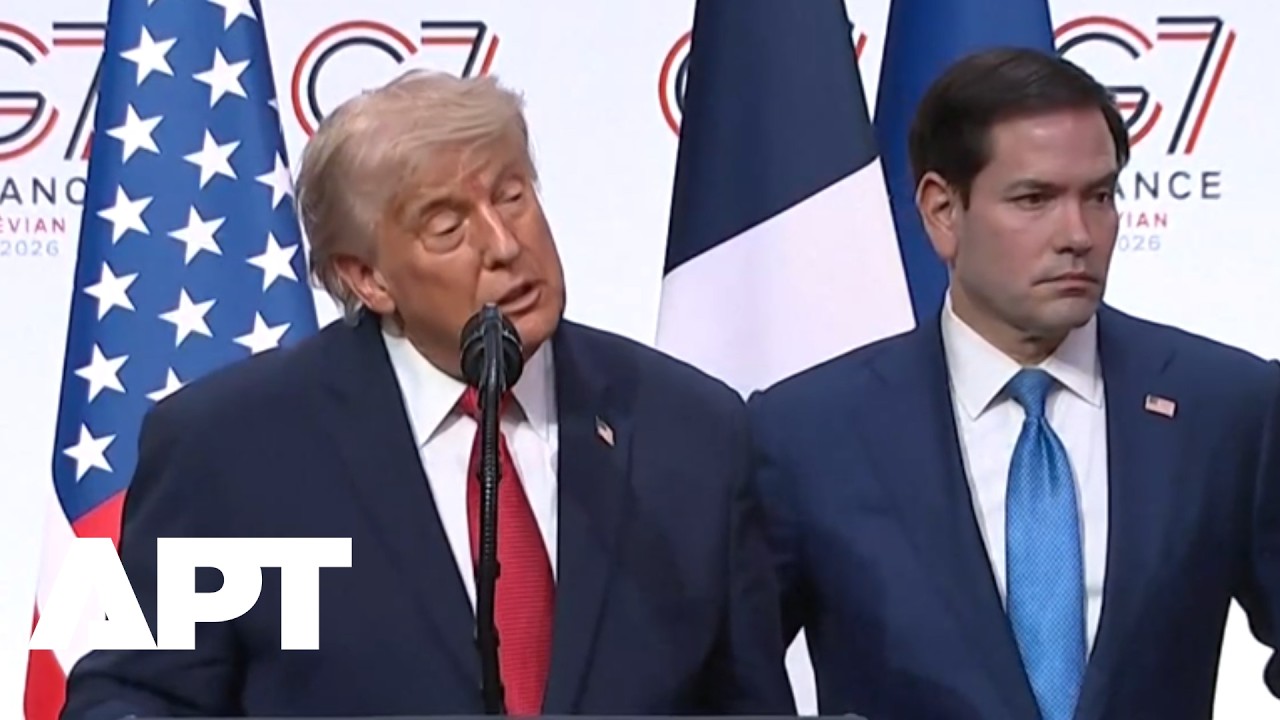
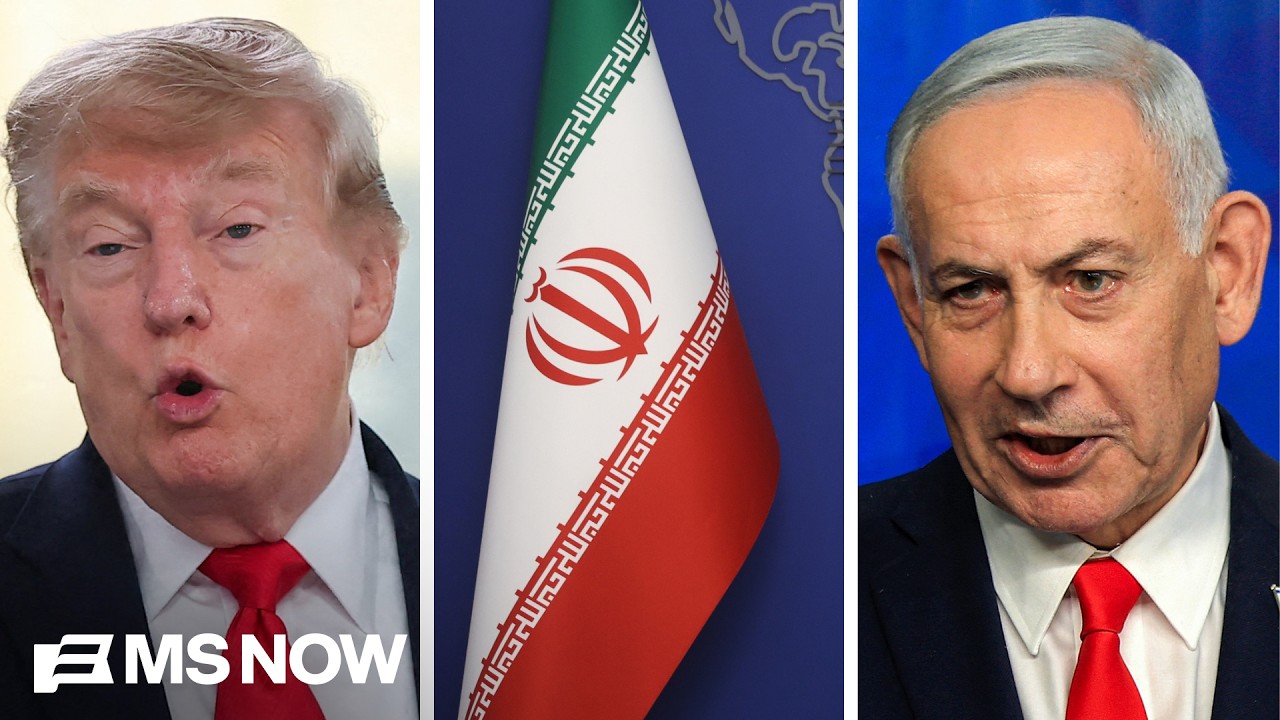
President Donald Trump arrived at this week’s G7 summit determined to portray a tentative memorandum of understanding with Iran as a major diplomatic triumph capable of ending months of military confrontation, stabilizing global markets, reopening one of the world’s most strategically important waterways, and averting what he described as potentially catastrophic economic consequences.
Yet even as Trump championed the emerging agreement on the international stage, questions surrounding the deal’s contents, implementation, and political viability continued to intensify both in Washington and among America’s allies.
According to reporting by NBC News and other major news organizations, the administration now finds itself navigating a politically delicate balancing act: convincing skeptical Republicans that diplomacy with Tehran does not amount to capitulation while simultaneously persuading international observers that the framework represents a genuine pathway toward long-term stability rather than a temporary pause in hostilities.
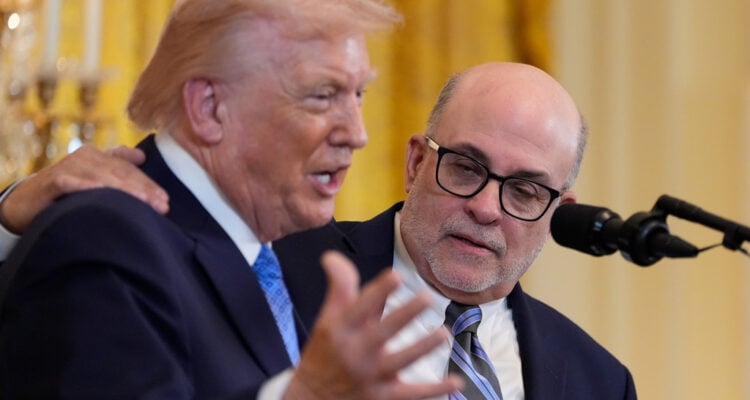
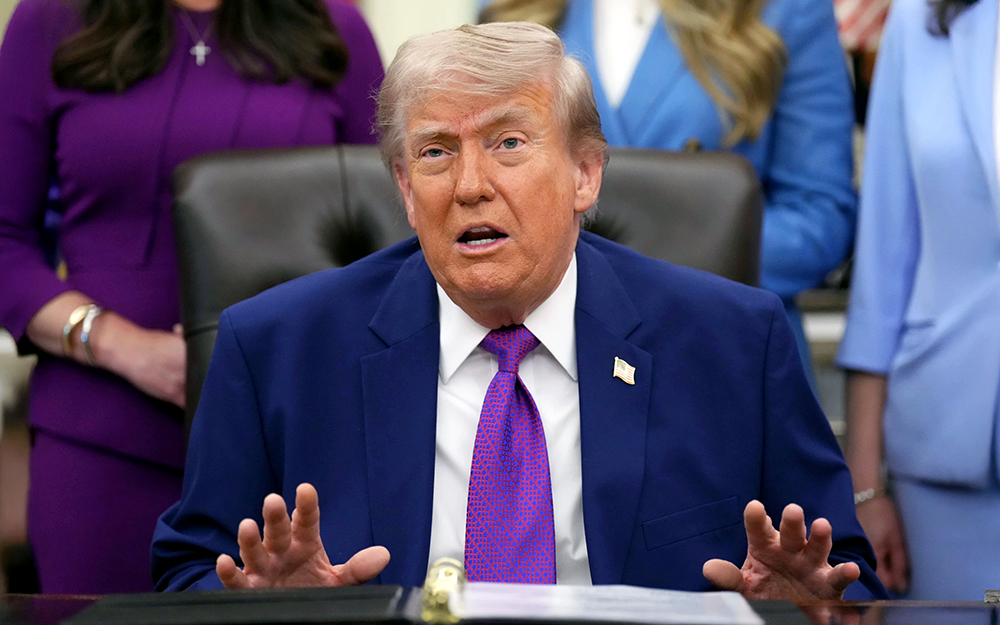
Speaking at the G7 summit, Trump repeatedly emphasized the strength of the proposed arrangement, even while acknowledging that significant details remain unresolved.
“It’s a very strong deal,” Trump declared. “Nobody knows what it is, but it’s very strong.”
The unusual formulation captured the central challenge confronting the administration.
Although senior officials have publicly described elements of a 14-point memorandum of understanding, neither Congress nor the American public has been provided with the full text of the agreement. According to NBC News, that lack of transparency has fueled growing unease among lawmakers, policy experts, and segments of Trump’s own political coalition.
The president nonetheless portrayed the accord as a landmark achievement.
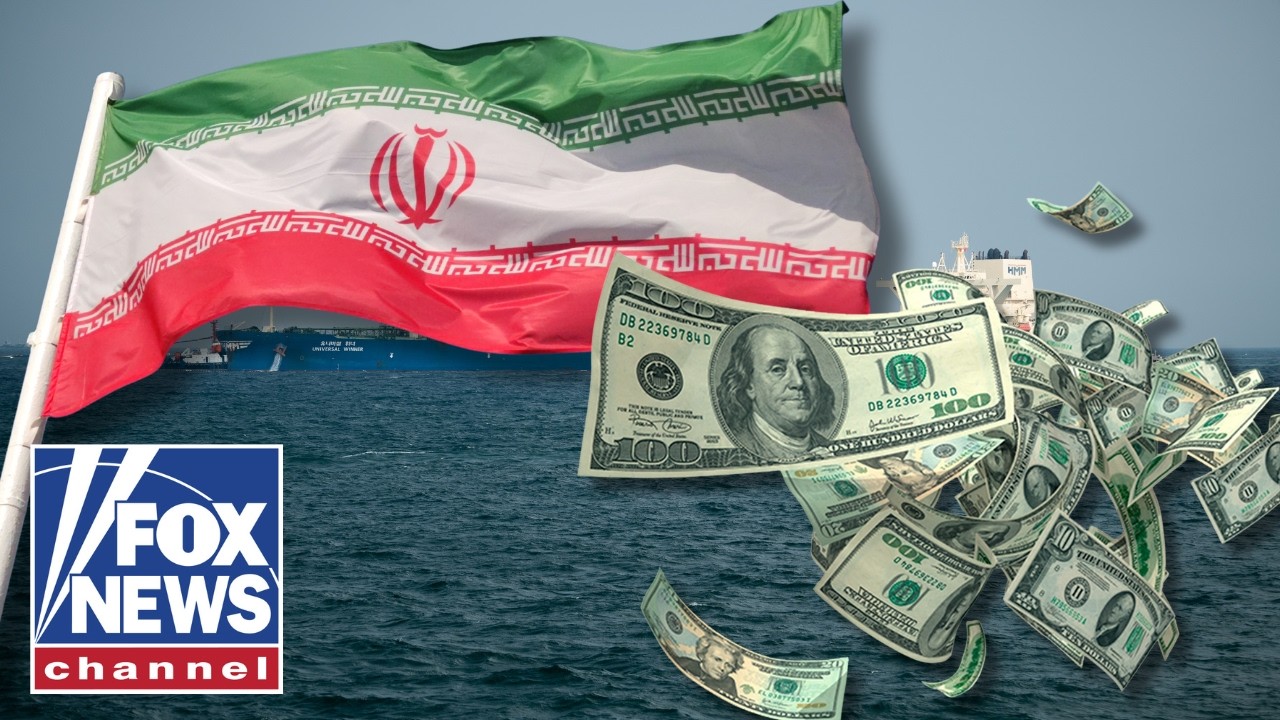
Trump referred to the arrangement as the “Trump deal” and asserted that it would ensure Iran never acquires a nuclear weapon while facilitating the reopening of the Strait of Hormuz, the critical maritime corridor through which a substantial portion of the world’s energy supplies flow.
The economic dimension of the agreement has become one of its principal selling points.
Administration officials have argued that reopening the Strait of Hormuz would alleviate disruptions to global commerce, reduce transportation bottlenecks, lower fuel costs, and help stabilize markets rattled by months of conflict. Reuters reported that Trump linked the framework directly to broader economic stability and suggested that failure to reach an agreement could have produced far-reaching consequences for the global economy.
“The alternative would be a worldwide depression,” Trump said during remarks at the summit, underscoring the administration’s contention that economic considerations were inseparable from national security concerns.
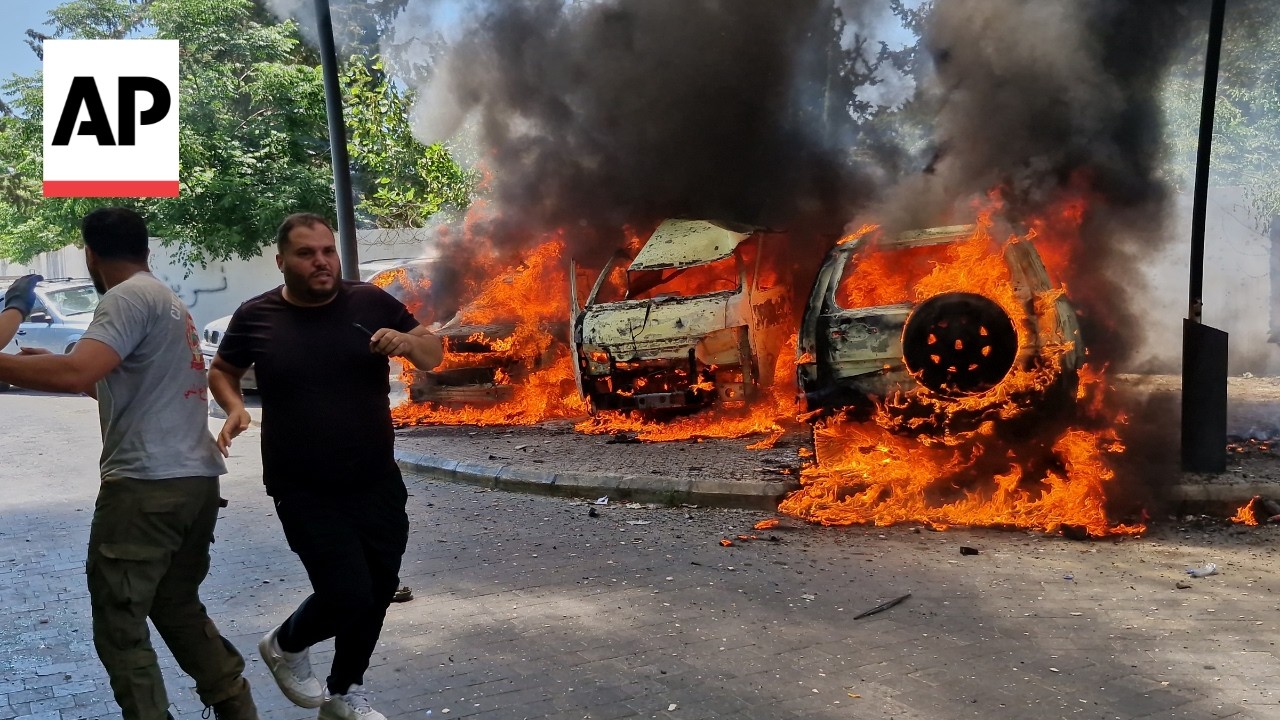
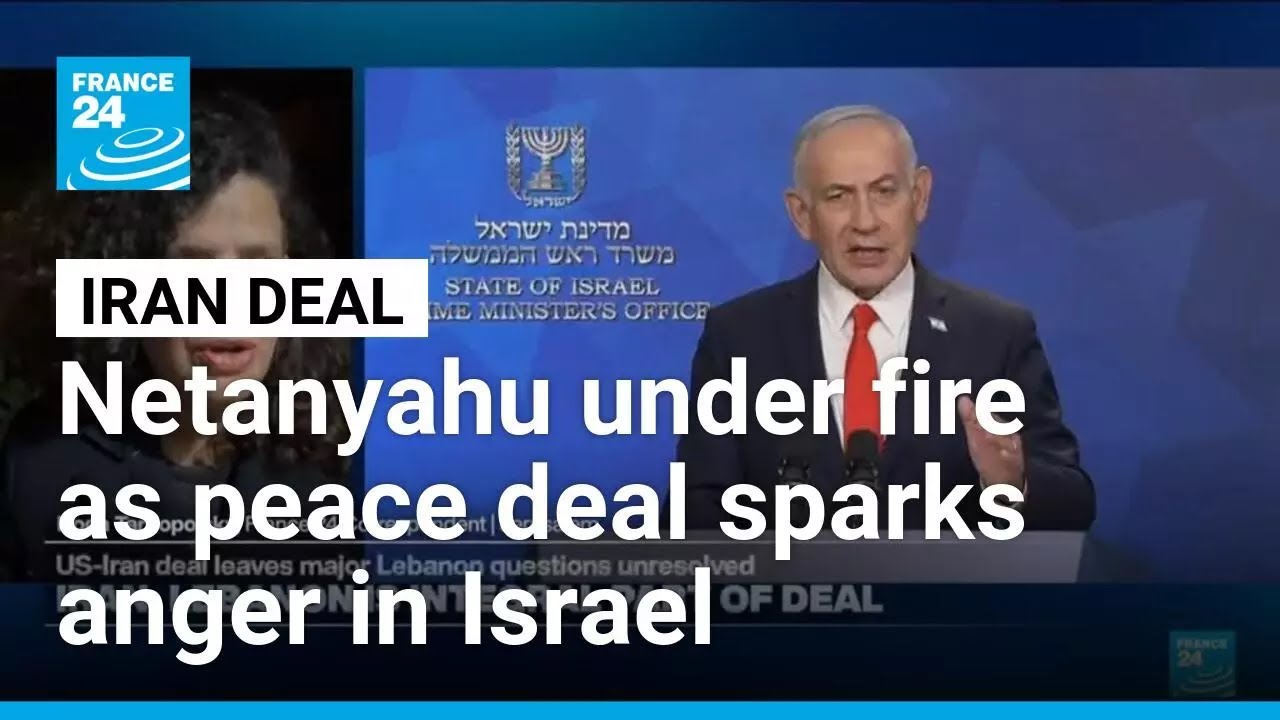
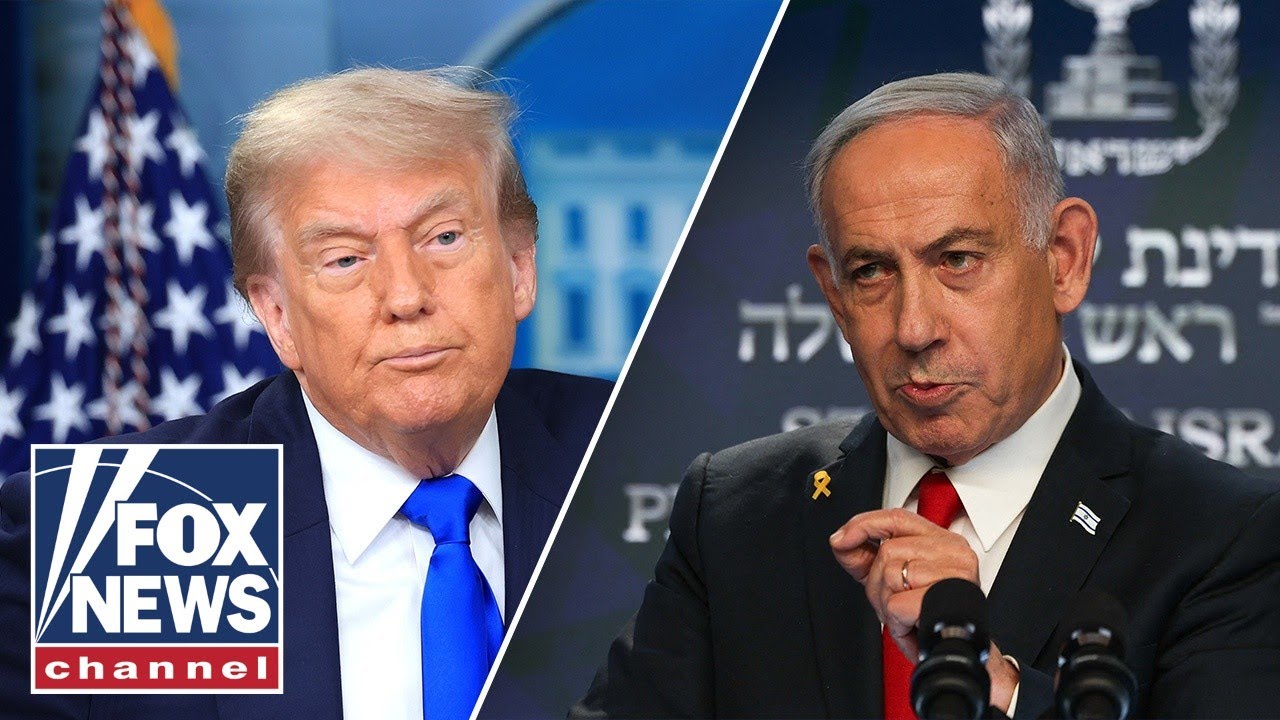
At his press conference, President Trump voiced criticism of Israel’s conduct in its ongoing confrontation with Hezbollah in Lebanon, arguing that while Israel unquestionably has the right to defend itself, some of its responses have been disproportionate.
“I think they could do better with respect to Hezbollah,” Trump said. “I am not saying they should not protect themselves. I am saying when two drones are shot into the desert and dropped harmlessly, you do not have to knock down buildings in Beirut.”
The president suggested that Israel should exercise greater restraint in its military operations, adding, “They could behave better and, frankly, they could do a better job.”
While emphasizing his longstanding support for Israel, Trump described the country as a valued “partner” of the United States but maintained that its approach toward Hezbollah leaves considerable room for improvement.
“I love Israel as a partner,” he said, before reiterating that “they could do a much better job with Hezbollah.”
Trump also expressed sympathy for the people of Lebanon, lamenting what he characterized as the country’s prolonged decline from its once-prominent status as a center of intellectual, professional, and cultural achievement in the Middle East.
“On that, I don’t think they’re doing well, and I feel very bad for Lebanon,” Trump remarked. “Lebanon was once a great culture. It produced outstanding professors, doctors, and lawyers. It was an extraordinary society—perhaps one of the most advanced and accomplished in the Middle East for generations, even centuries.”
Reflecting on Lebanon’s struggles in recent decades, Trump added that the nation had endured years of turmoil, instability, and hardship, leaving much of its population trapped in what he described as extraordinarily difficult conditions. “They have been living in hell,” he said, lamenting the devastation that has afflicted the country over many years.
In one of the most striking moments of the summit, Trump suggested that military operations could resume if Iran failed to comply with the terms of the emerging arrangement.
“If they don’t honor that, we’ll probably go back to bombing them until they honor it,” Trump said. “It’s amazing what bombs can do.”
Reuters confirmed that Trump described the memorandum as incomplete and stressed that any peace framework remained contingent upon Iranian compliance. The president’s comments served as a reminder that the agreement represents not a final settlement but rather a tentative mechanism intended to create space for broader negotiations.
The tension between diplomacy and deterrence was evident throughout Trump’s remarks.
While promoting the memorandum as a breakthrough, he simultaneously sought to reassure critics that the administration had not abandoned the possibility of future military action.
That dual message appears aimed at addressing growing divisions within Republican ranks.
According to NBC News reporting, Republican lawmakers remain deeply divided over how to evaluate the agreement. Some view the framework as a pragmatic effort to end a costly conflict that has generated economic uncertainty and political risk. Others fear that any arrangement involving sanctions relief or economic concessions could ultimately strengthen Tehran without achieving lasting strategic gains.
Senate Majority Leader John Thune acknowledged that lawmakers are still awaiting crucial details. “I think we’re all hoping to get more information, more detail about that,” Thune said.
His comments reflected a broader sentiment among congressional Republicans who have largely refrained from endorsing or condemning the agreement until additional information becomes available.
Many lawmakers have praised the administration’s efforts to diminish Iran as a strategic threat while simultaneously expressing concern about the specifics of the memorandum.
The uncertainty has created an unusual political landscape. On one side are Republicans who have long argued against prolonged military entanglements overseas and who view an end to hostilities as both strategically prudent and politically necessary. On the other side are conservatives who believe the conflict created an opportunity to achieve more ambitious objectives, including greater restrictions on Iran’s nuclear capabilities, intensified economic pressure, or even fundamental changes in Tehran’s governing structure.
The resulting divide has become increasingly visible.
Former United Nations Ambassador Nikki Haley emerged as one of the most prominent critics of reports suggesting sanctions relief could be included in the framework. “If this is true, Iran wins,” Haley wrote on social media after reports indicated that sanctions on Iranian oil exports could be eased. “There should be zero sanctions relief day one.”
Her criticism was echoed by former Trump adviser Steve Bannon, who argued that economic leverage should not be surrendered prematurely. “Keep the sanctions,” Bannon said. “If we lose that, it will take forever to get back.”
The criticism illustrates the political challenges facing the White House.
For years, Republicans uniformly attacked the Obama-era Joint Comprehensive Plan of Action, commonly known as the Iran nuclear deal, arguing that it granted excessive concessions to Tehran in exchange for insufficient restrictions.
Now, some conservatives fear that Trump’s emerging framework could face similar criticisms, even as the administration insists the agreements are fundamentally different.
Several Republican aides told NBC News that early reports regarding the memorandum’s contents have intensified tensions within the party. One Senate Republican aide bluntly described the issue as politically hazardous. “Obviously everybody wants this to be over,” the aide said. “Gas prices are way too high. This is a politically toxic issue.”
Those concerns are particularly acute with midterm elections approaching.
Administration officials appear acutely aware that prolonged instability in energy markets could create significant political vulnerabilities. Reducing fuel costs and restoring normal shipping operations through the Strait of Hormuz have therefore become central components of the White House’s public messaging strategy.
At the same time, Trump has sought to present the agreement as evidence of his broader diplomatic effectiveness.
The president used the summit to highlight renewed efforts to facilitate negotiations between Russia and Ukraine. “Yesterday morning we had a productive conversation on the war in Ukraine,” Trump said. “I spoke with President Putin, I spoke with President Zelenskyy.”
According to Trump, both leaders expressed interest in finding a path toward resolution. “We had a very good conversation with President Putin and a very, very good conversation with President Zelenskyy,” he said. “I think they both want to do something, they just don’t know how to do it.”
The comments reflected Trump’s longstanding preference for portraying himself as a negotiator capable of resolving conflicts through direct engagement with world leaders.
Whether such optimism proves justified remains uncertain.
Meanwhile, additional controversy emerged during the summit when Trump was questioned about an elementary school strike in Iran that occurred during the early stages of the conflict.
NBC News previously reported that preliminary findings suggested U.S. munitions were increasingly likely to have been responsible for the attack and that outdated intelligence may have contributed to the strike. According to reports, more than 170 people, most of them children, were killed.
Asked whether anyone would be held accountable, Trump emphasized that an investigation remained underway. “But nobody did that on purpose,” he said. “Mistakes are made, war is nasty, but I know it’s under investigation.”
The president also contrasted the incident with attacks attributed to Iran, arguing that the broader context of the conflict should not be ignored. His remarks highlighted another challenge confronting the administration: managing scrutiny over the conduct and consequences of military operations while simultaneously advocating for a diplomatic resolution.
For now, the memorandum remains a framework rather than a finalized accord.
Reuters reported that the agreement has not yet been fully implemented and that major issues—including sanctions, nuclear restrictions, regional security arrangements, and longer-term negotiations—remain unresolved.
Some reports suggest that formal signing procedures may occur remotely rather than through a highly publicized ceremony, underscoring the fluid nature of the negotiations.
What remains clear is that Trump has chosen to stake considerable political capital on the initiative. Senior administration officials insist that the agreement should be evaluated not solely on its immediate provisions but on its broader strategic objectives.
Supporters argue that the framework offers an opportunity to stabilize markets, reduce military tensions, preserve American influence, and create conditions for future negotiations. Critics counter that too many fundamental questions remain unanswered.
As Congress awaits additional details and international observers monitor developments closely, the memorandum has become a defining test of Trump’s foreign policy approach: an effort to combine economic incentives, diplomatic engagement, and the persistent threat of military force into a single strategic framework.
Whether that approach ultimately produces a durable peace or merely postpones future confrontation may determine not only the fate of the agreement itself but also its place in the broader history of American diplomacy in the Middle East.
For now, the president continues to insist that the deal represents a victory.
Many of his allies remain unconvinced.
And until the full text emerges and implementation begins, the debate surrounding the memorandum is likely to remain one of the most consequential political and foreign policy controversies of the year.



