















|
Getting your Trinity Audio player ready...
|
By: Rusty Brooks
The MTA is moving ahead with fare and toll increases, even as it anticipates a $4 billion bailout which was passed and expected to be signed by Trump.
The MTA has said it can hold off on drastic layoffs and service cuts with money likely on the way from Washington, but the process to increase fares and tolls next year is already underway, CBS880 reported.
While the exact amounts haven’t been finalized, proposals include raising the base fare for a subway ride, eliminating the 7-day or 30-day passes and consolidating fare zones on commuter rails into a flat fare.
Drivers would also see toll increases at bridges and tunnels, possibly with different amounts based on the time of day.
NY Post reported: In addition to increasing subway fare prices, the transit agency is considering raising the price of a new single-use MetroCard, getting rid of unlimited subway passes and revoking the Staten Island resident discount on the Verrazzano-Narrows Bridge.
“The last nine months have ripped open the deep inequities in our society and exposed what we have known for too long. We exploit the working class to get ahead,” said Betsy Plum, executive director of the Rider’s Alliance told the NY Post
“Hiking fares with all of these offices closed, with ridership low and with subways shut down overnight is unfairly asking essential workers and low-income New Yorkers to pay more for less. We cannot use the subway and bus fare as a regressive backdoor tax to fund the state government,” Plum said.
At Sunday’s rally, Pedro Valdez-Rivera said that for families like his who don’t have “Uber money,” a fare increase would be devastating.
“My family depends on public transportation for all of our weekly appointments, groceries, medications, school, as well as work,” Valdez-Rivera said.
He said every penny counts these days.
“I want to tell Gov. Andrew Cuomo: this is the worst possible time to raise transit fares,” Valdez-Rivera said.
Mass transit ridership is way down since the start of the pandemic, when the NY government in a state of panic and lack of scientific knowledge decided to shut down the entire city in an unprecedented move, which actually resulted in NY leading the way in COVID deaths.
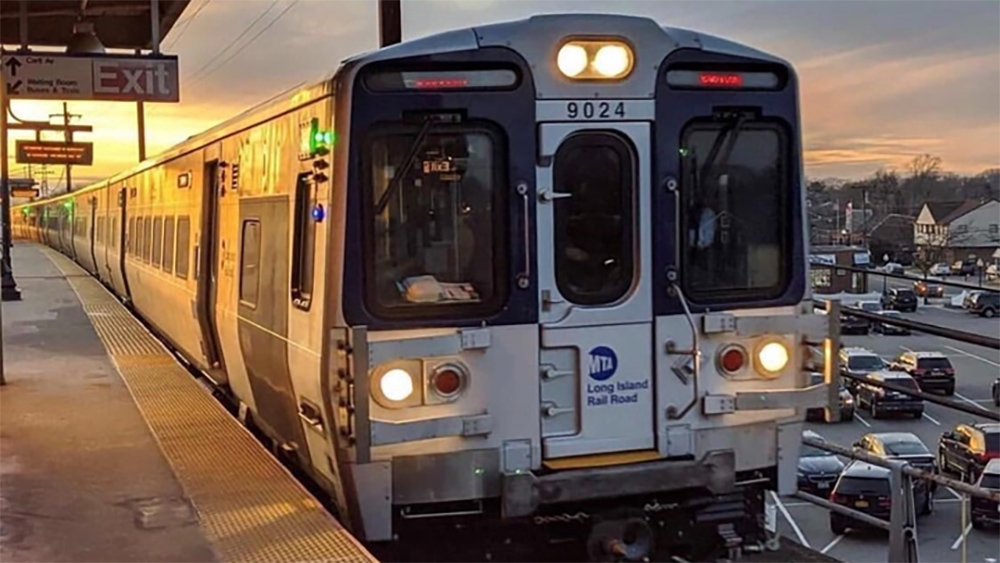
The MTA saw a decline of 74 percent from normal weekday ridership levels of 7.6 million combined riders. Long Island Railroad (LIRR) ridership is down 85 percent from normal levels and Metro-North Railroad (Metro-North) is down 87 percent.



