





















|
Getting your Trinity Audio player ready...
|
Allegations, Influence, and Power: Reexamining Controversial Claims in America’s Political Narrative
By: Fern Sidman
In the ever-intensifying arena of American political discourse, few themes ignite more fervent debate than allegations of foreign influence, financial entanglements, and the intersection of power with national security. In recent years, a series of widely circulated claims have coalesced into a narrative that raises profound questions—about accountability, transparency, and the consistency with which political actors are scrutinized.
At the center of this discourse are long-standing accusations involving former Secretary of State Hillary Clinton, former President Barack Obama, Russia under President Vladimir Putin, and the Islamic Republic of Iran. These claims, while often repeated in political commentary and public debate, require careful examination—not merely for their content, but for what they reveal about the broader climate of distrust that permeates modern governance.
One of the most frequently cited assertions concerns the 2010 approval of a transaction involving Uranium One, a company with mining assets in the United States. Critics have argued that this deal effectively transferred control of approximately 20 percent of U.S. uranium production capacity to entities linked to Russia. The implication, often stated in stark terms, is that American strategic resources were compromised in favor of foreign interests.
However, the reality is more procedurally complex. The transaction was reviewed and approved by the Committee on Foreign Investment in the United States, an interagency body involving multiple departments and agencies. While Secretary Clinton’s State Department was one of the entities represented, no single official held unilateral authority over the decision. Nonetheless, the optics of the deal—particularly in light of subsequent revelations—have continued to fuel suspicion.
Parallel to this transaction are reports that individuals connected to Uranium One donated substantial sums—reported in some accounts to total $145 million—to the Clinton Foundation. Additionally, former President Bill Clinton received a $500,000 speaking fee from a Russian investment bank with ties to the Kremlin. Though both the donations and the speech were disclosed publicly, critics argue that the timing and scale of these financial interactions create the appearance of impropriety, even in the absence of definitive evidence of wrongdoing.
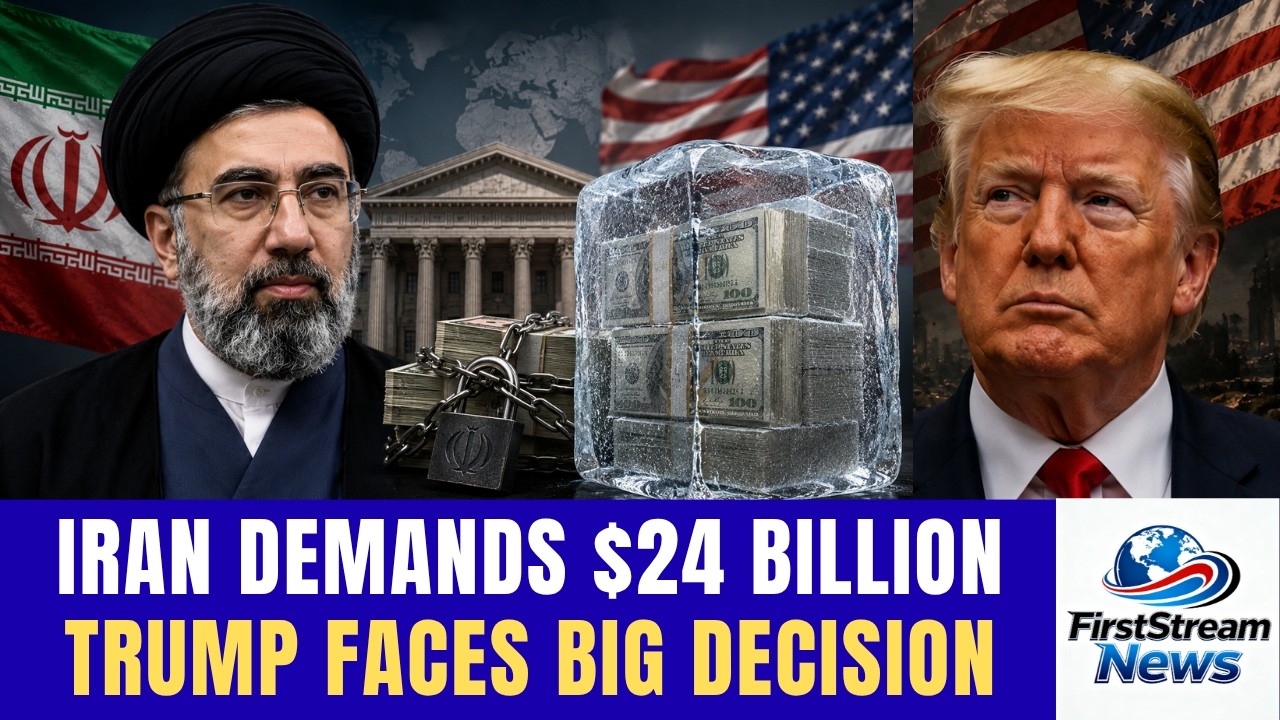
Equally contentious are claims regarding the Obama administration’s nuclear agreement with Iran, formally known as the Joint Comprehensive Plan of Action. Opponents of the deal frequently cite the release of approximately $150 billion in previously frozen Iranian assets, characterizing it as a direct transfer of wealth to a regime widely designated as a state sponsor of terrorism.
While much of this money consisted of Iranian funds that had been restricted under international sanctions rather than newly appropriated U.S. taxpayer dollars, critics contend that the infusion of capital enabled Tehran to expand its regional influence and potentially accelerate its nuclear ambitions. The concern is not merely financial, but strategic: that resources made available through diplomatic agreements may have had unintended consequences for global security.
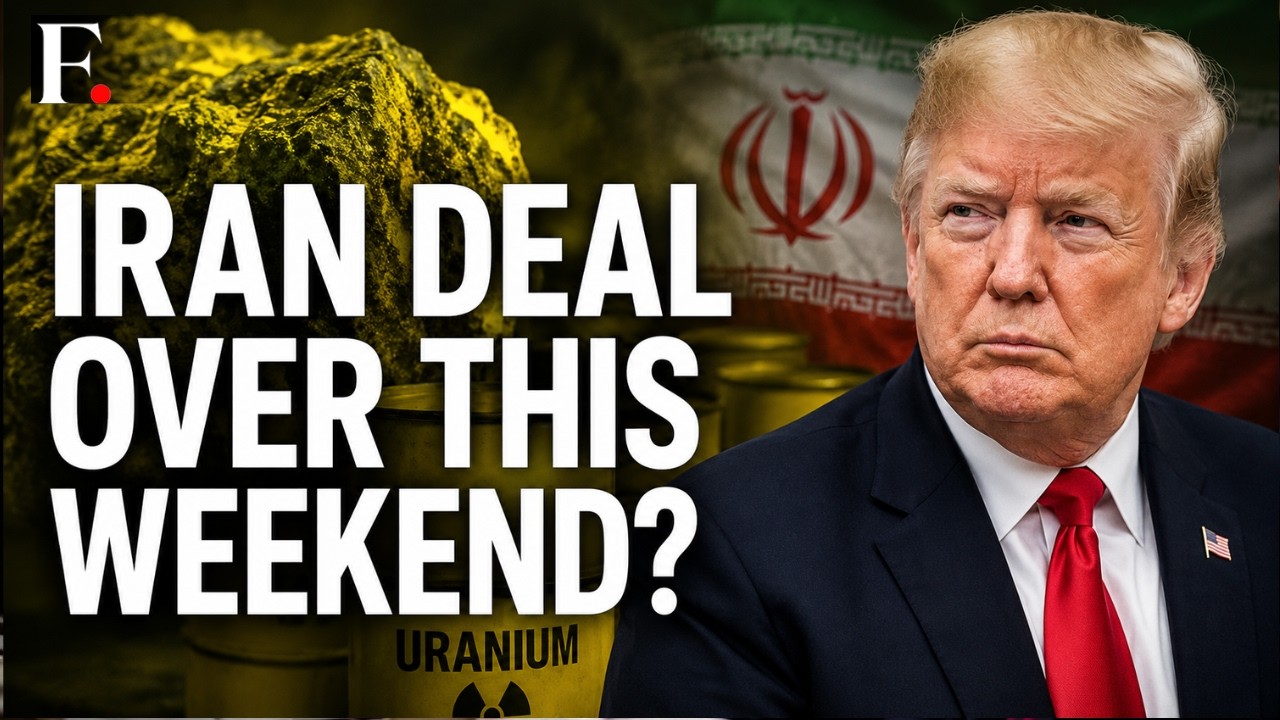
Adding another layer to this narrative are assertions that Iran subsequently engaged in transactions involving uranium procurement, including alleged dealings with Russian entities. These claims are often presented as part of a broader chain of events linking American policy decisions, Russian influence, and Iranian nuclear development. However, such assertions remain the subject of dispute and have not been conclusively substantiated by publicly available evidence.
The narrative further extends to allegations surrounding the handling of classified information by Hillary Clinton during her tenure as Secretary of State. The deletion of approximately 33,000 emails from a private server—many of which were deemed personal—has been a focal point of criticism, particularly given that some deletions occurred after congressional inquiries had been initiated. Although investigations by federal authorities concluded that there was insufficient evidence to support criminal charges, the episode has continued to resonate as a symbol of perceived double standards in the enforcement of accountability.
What emerges from this constellation of claims is not a singular, uncontested account of events, but rather a deeply polarized interpretation of them. For some, these allegations represent a pattern of systemic failure—an illustration of how political elites may operate within a framework that shields them from consequences. For others, they exemplify the dangers of conflating correlation with causation, and of allowing partisan narratives to overshadow verified facts.
Perhaps the most enduring aspect of this discourse is the question it raises about consistency. The juxtaposition of these allegations with investigations into other political figures has fueled a broader debate about whether standards of scrutiny are applied evenly across the political spectrum. This perception—whether accurate or not—has profound implications for public trust in institutions.
In an era defined by information saturation and ideological division, the challenge lies not only in discerning the truth, but in fostering a political culture that values rigorous inquiry over rhetorical certainty. The claims outlined above, regardless of one’s perspective on their validity, underscore the necessity of transparency, the importance of institutional integrity, and the enduring demand for accountability in the exercise of power.
Ultimately, the health of a democratic society depends not on the absence of controversy, but on the capacity to confront it with clarity, evidence, and an unwavering commitment to the principles that underpin the rule of law.



