






















|
Getting your Trinity Audio player ready...
|
By: Fern Sidman
The ongoing war in Gaza, now stretching into its second year since the Hamas-led atrocities of October 7, entered a potentially decisive stage on Sunday evening as the terrorist organization issued a public response to President Trump’s latest ceasefire and hostage-release proposal. Hamas, while striking a note of readiness to negotiate, tied its acceptance to maximalist conditions: an explicit end to the war, the complete withdrawal of Israeli forces from the Gaza Strip, and the immediate establishment of a Palestinian-led governing committee.
According to a report that appeared on Sunday evening at Israel National News, the organization released a statement through mediators confirming it had received “several ideas from the American side” and was prepared “to sit at the negotiating table.” Hamas emphasized that any agreement must involve the release of “all prisoners” in exchange for a binding cessation of hostilities.
The response represents the first formal acknowledgment by Hamas of Trump’s direct involvement in shaping a framework for both a hostage release and a broader ceasefire, a development that has the potential to reshape the contours of the conflict. Yet, as the Israel National News report has underscored, the group’s rigid demands could once again stall progress, even as international pressure mounts on both sides to end the fighting.
In its statement Sunday night, Hamas welcomed “any effort that supports stopping the aggression against our people” but coupled this rhetoric with uncompromising conditions. The group insisted that any deal must involve:
A complete end to the war and all Israeli military operations.
A total withdrawal of IDF forces from Gaza.
The establishment of an independent Palestinian committee to immediately assume governance in Gaza, free from both Hamas’ direct control and Israeli oversight.
Binding guarantees that Israel would not renege on the agreement, as Hamas claims occurred in previous ceasefire efforts.
As the Israel National News report noted, these terms amount to demands for Israel to forfeit its military gains, abandon security control, and entrust the Strip to a hastily assembled Palestinian governing body — a scenario that Israeli leaders across the political spectrum have historically rejected.
President Trump’s new framework marks a significant shift from earlier U.S.-brokered proposals. According to details reported by Israel National News, the deal includes:
Immediate release of all 48 hostages — both living and deceased — on the first day of the agreement.
The mass release of Palestinian detainees, including hundreds of convicted terrorists, in exchange.
An immediate halt to Israel’s operations in Gaza City.
Negotiations to end the war beginning immediately under Trump’s direct management.
A guarantee that fighting will not resume while negotiations are ongoing.
Trump framed the plan as the “last chance” for Hamas. On Truth Social, he declared: “Everyone wants the hostages home. Everyone wants this war to end! The Israelis have accepted my terms. It is time for Hamas to accept as well. I have warned Hamas about the consequences of not accepting. This is my last warning; there will not be another one!”
The pointed language called attention to Trump’s determination to position himself as the decisive arbiter in the conflict — an approach consistent with his earlier interventions in Middle Eastern diplomacy, including the Abraham Accords.
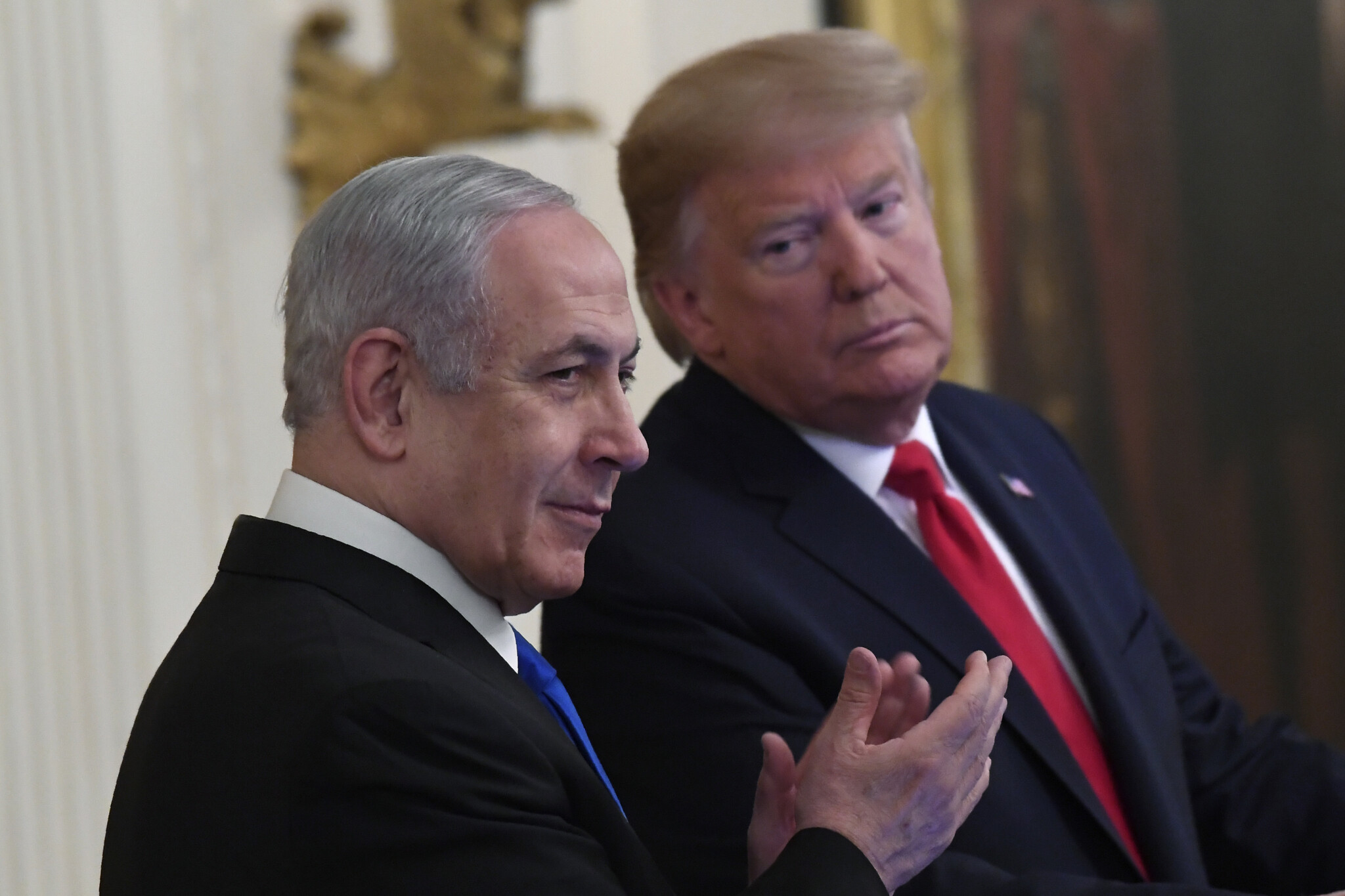
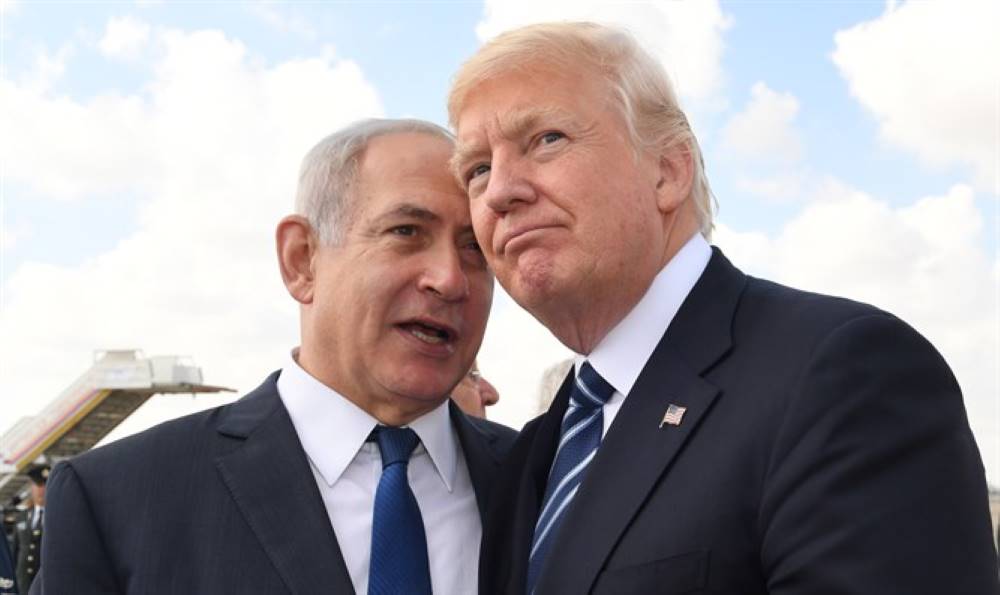
Reactions in Jerusalem were measured but cautious. Sources close to Prime Minister Benjamin Netanyahu told Israel National News that Israel is “seriously considering President Trump’s proposal,” though officials expressed skepticism about Hamas’ willingness to compromise.
“Hamas will likely continue its refusal,” one source said, reflecting the prevailing view in Israeli security circles that the group is unlikely to surrender leverage without securing substantial concessions.
The Israeli leadership remains deeply wary of any arrangement that would halt operations prematurely. IDF forces have been engaged in a painstaking campaign to dismantle Hamas’ infrastructure in Gaza City and beyond, and many in the security establishment argue that halting this momentum could allow the terror group to regroup.
The deal places both sides under intense scrutiny. For Israel, the proposal promises the immediate return of hostages — a deeply emotional national priority — but at the cost of halting military advances. For Hamas, agreeing to Trump’s terms would mean relinquishing leverage while still demanding assurances of survival and political relevance.
The Israel National News report highlighted the political risks for Netanyahu, who has long faced pressure from hostage families to secure their release but is simultaneously urged by security hawks not to reward Hamas with sweeping concessions. The Trump proposal, by offering the hostages upfront, seeks to break that deadlock.
Hamas’ counter-conditions, however, emphasize its strategy of extracting maximal concessions while portraying itself internationally as open to negotiation. By insisting on a total Israeli withdrawal and a new governance structure, Hamas is attempting to secure a political victory that would offset its battlefield losses.
The proposal also highlights Trump’s evolving role as both mediator and power broker. His direct management of negotiations, as outlined in the framework, suggests a more hands-on approach than that taken by his predecessors.
According to the information provided in the Israel National News report, Trump’s ultimatum — that this is Hamas’ “last warning” — is intended to compel a decision in days, not weeks. It also places European and regional actors in a secondary role, sidelining mediators such as Qatar and Egypt who have traditionally brokered indirect talks.
This centralization of diplomacy in Trump’s hands could appeal to Israelis who view his administration as more sympathetic than European governments, many of which have recently intensified calls for Palestinian statehood.
One of Hamas’ stated demands is an “explicit and binding commitment” that Israel would uphold any agreement, citing past breakdowns. But as the Israel National News report pointed out, Israel’s security establishment recalls a different history: Hamas has repeatedly violated ceasefire agreements, using pauses in fighting to rearm, regroup, and entrench its infrastructure.
The organization’s insistence on guarantees may thus be less about trust and more about buying time to recover from sustained IDF operations. Israeli officials have consistently stressed that no agreement can allow Hamas to reconstitute its military capabilities.
At the heart of the proposal are the 48 hostages still in Hamas’ custody — a mix of Israelis and foreign nationals, including the remains of those killed since October 7. Their plight continues to galvanize Israeli society.
As Israel National News reported, the hostage families have become an increasingly vocal presence in Israeli politics, pressing Netanyahu’s government to secure their loved ones’ release at almost any cost. Trump’s plan, by guaranteeing their immediate return, attempts to address this national trauma while simultaneously offering a pathway to end the war.
Yet for many Israelis, the dilemma remains excruciating: whether to trade convicted terrorists for the lives of hostages, a policy that risks emboldening Hamas to pursue further kidnappings in the future.
The coming days will test whether Trump’s ultimatum can produce results where previous efforts have failed. Israel has expressed openness to the framework, albeit with reservations, while Hamas has responded with a mixture of guarded welcome and maximalist conditions.
If Hamas rejects the proposal outright, it risks triggering Trump’s promised “consequences” — though what those might entail remains undefined. If it agrees, even conditionally, Israel will face the thorny question of how much ground to yield in exchange for hostages and an end to the war.
For now, the conflict’s trajectory remains uncertain. The IDF continues its operations on the ground, hostages remain in captivity, and civilians in Gaza remain trapped in the crossfire. Trump’s gambit has injected a new dynamic into the crisis, but whether it leads to resolution or renewed stalemate will depend on choices made in the hours and days ahead.
Sunday’s developments shed light on the delicate balance between diplomacy, security, and politics in the Gaza war. Hamas, in its response, signaled both willingness and defiance — a readiness to negotiate framed by demands Israel cannot easily accept. Trump’s proposal, ambitious in scope, offers hope of breaking the deadlock but also risks entrenching divisions if rejected.
As the Israel National News report emphasized, the stakes could not be higher: the fate of dozens of hostages, the trajectory of the Gaza war, and the political futures of leaders on both sides now hang in the balance. For Israel, the decision may come down to whether the chance to bring its citizens home is worth the risks of halting its campaign against Hamas. For Hamas, the question is whether survival and legitimacy outweigh the costs of defying Trump’s final warning.
In this volatile moment, one truth remains: the path to peace and justice for the victims of October 7 and their families runs through agonizing choices.



