




















Maariv Reports Growing Concern in Jerusalem That Future Weapons Delays Could Evolve Into Broader Leverage Campaign as Iran Diplomacy Enters Decisive Phase
By: Jeff Gorman
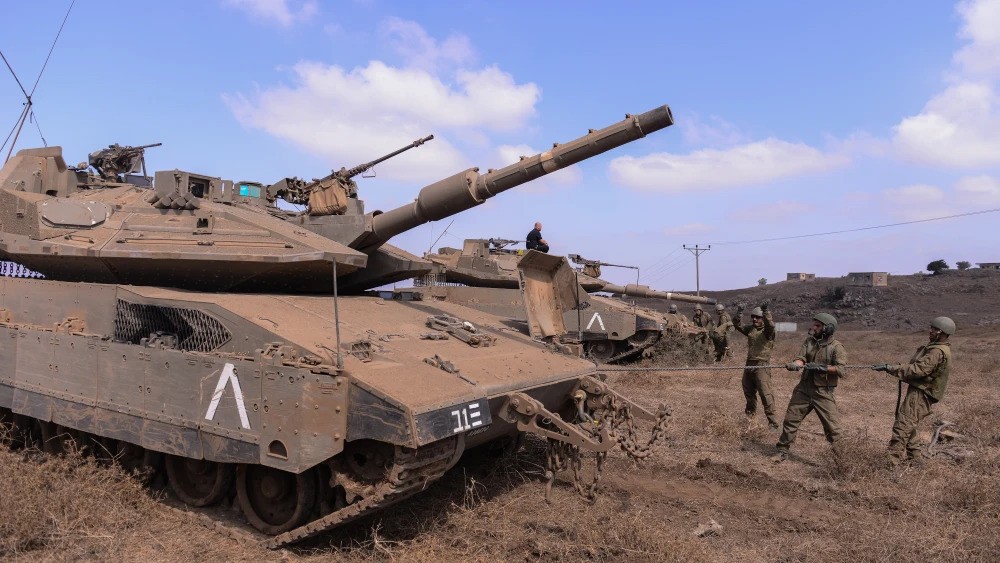
Israeli officials are increasingly preparing for the possibility that future disagreements with Washington over Lebanon and Iran policy could result in delays in critical weapons deliveries and, in a more severe scenario, pressure resembling an arms embargo, according to reports published on Thursday by Maariv.
The concerns emerge at a particularly sensitive moment in Middle Eastern diplomacy, as the United States moves deeper into negotiations related to Iran and as international pressure mounts regarding the future of Israeli military operations in southern Lebanon.
According to the Maariv report, senior Israeli officials believe that efforts by Washington to secure broader regional diplomatic understandings could eventually include demands for a more extensive Israeli withdrawal from Lebanese territory. Some officials reportedly fear that military assistance could become a source of leverage in those negotiations.
While no formal American embargo has been announced, and U.S. military aid to Israel remains substantial, the concerns reflect a growing debate inside Israel regarding the long-term risks of dependence on foreign weapons supplies during periods of diplomatic disagreement.
The issue extends beyond immediate political tensions. At its core lies a strategic question that has occupied Israeli defense planners for decades: how much of Israel’s military capability should depend upon external suppliers, even when those suppliers are close allies?
According to the Maariv report, some officials now view the current geopolitical environment as accelerating an existing effort to reduce that dependence. The concerns intensified amid reports of difficult discussions between Jerusalem and Washington regarding the future of Israeli operations in Lebanon.
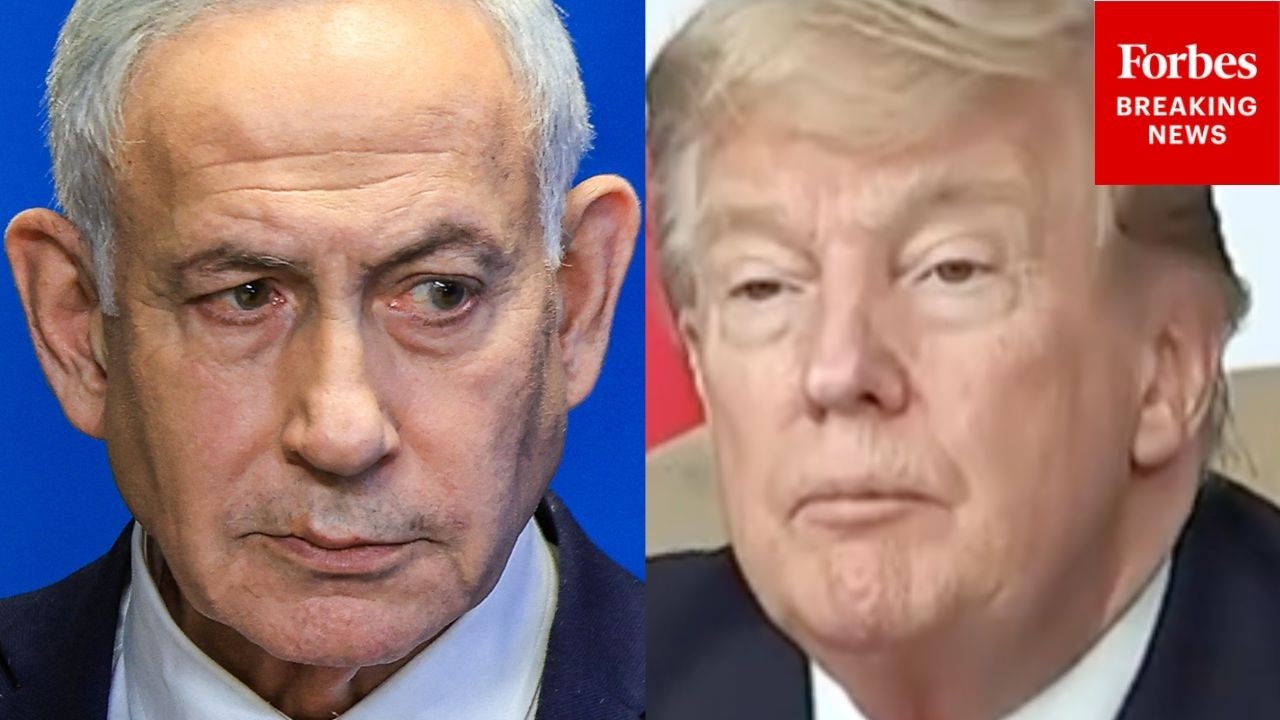
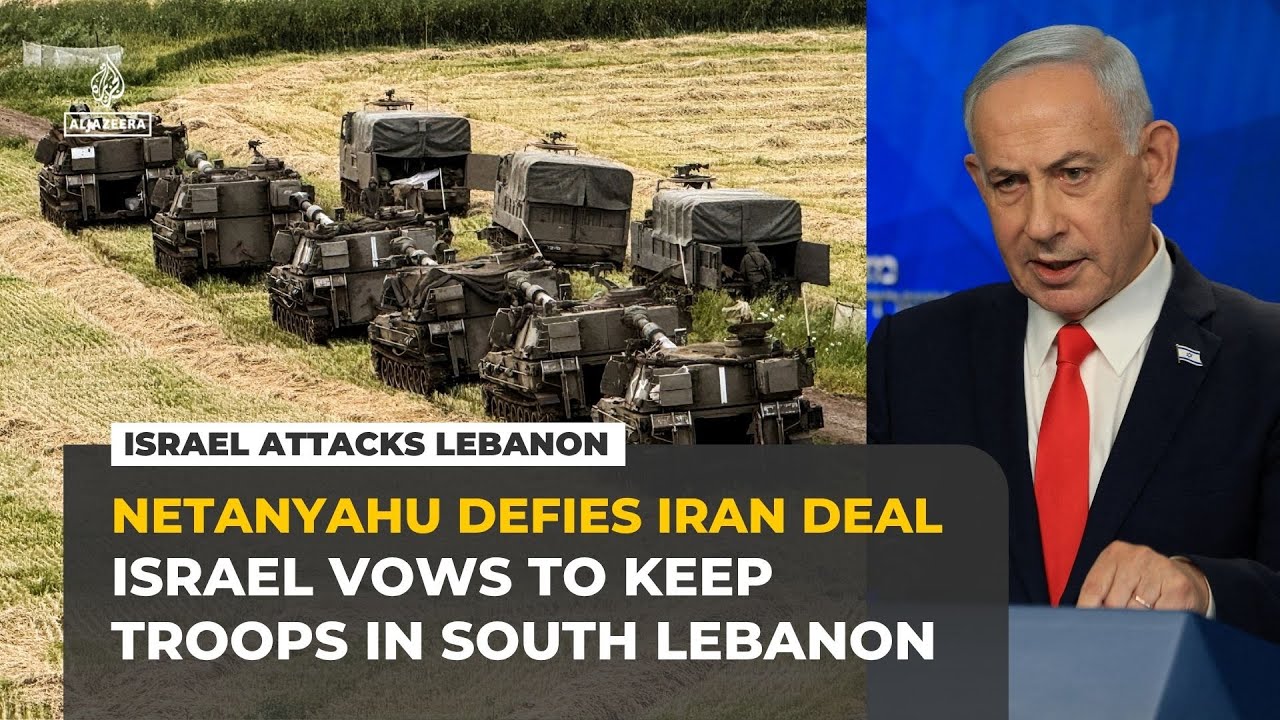
Reuters recently reported that Israeli officials remain engaged in what one senior official described as “stubborn negotiations” with the Trump administration over maintaining Israeli military deployments in southern Lebanon. Israeli leaders have argued that Hezbollah continues to pose a substantial threat and that any withdrawal must be linked to meaningful security guarantees and disarmament measures. That position places Israel at odds with some of the diplomatic objectives being discussed in broader regional negotiations.
According to the Reuters report, Israel has publicly signaled that it is not prepared to withdraw simply because external parties demand it and continues to link any future redeployment to security conditions on the ground.
Maariv’s report suggests that some Israeli officials fear this divergence could eventually create friction regarding military support. Such concerns are not entirely unprecedented. Over the years, Israeli leaders have periodically worried that shifts in international politics could affect arms transfers, spare-parts deliveries, or procurement schedules. Historically, Israel has responded to such uncertainty by investing heavily in domestic production capabilities.
Indeed, many of Israel’s most successful defense technologies emerged precisely because of earlier fears regarding foreign dependence. The development of indigenous fighter aircraft programs, missile-defense systems, drones, electronic warfare capabilities, and precision-guided munitions was often driven by a desire to ensure strategic autonomy.
Today, Israel possesses one of the world’s most sophisticated defense industries. Companies such as Israel Aerospace Industries, Rafael Advanced Defense Systems, and Elbit Systems have become global leaders in military innovation. Yet even with those achievements, Israel continues to rely on the United States for important categories of military equipment, advanced munitions, aircraft components, and logistical support.
According to the Maariv report, the prospect of future restrictions is prompting renewed discussion about expanding local manufacturing capacity. Some Israeli analysts argue that recent events have demonstrated the importance of ensuring domestic production lines for essential war materiel, particularly during prolonged conflicts.
The argument is straightforward. If Israel anticipates operating in an increasingly volatile security environment, its ability to sustain military operations cannot be wholly dependent upon decisions made in foreign capitals. Supporters of greater self-reliance contend that strategic independence does not require abandoning alliances. Rather, it requires ensuring that alliances complement national capabilities rather than substitute for them. This distinction is important.
The United States remains Israel’s most important strategic partner. The two countries maintain extensive intelligence cooperation, joint military planning, technological collaboration, and missile-defense coordination. Israeli officials continue to emphasize the importance of that relationship.
Prime Minister Benjamin Netanyahu recently stressed that Washington stood “shoulder to shoulder” with Israel during recent confrontations involving Iran and highlighted the enduring value of the alliance. At the same time, however, Israeli policymakers increasingly appear unwilling to assume that future political disagreements will never affect defense cooperation. That caution has been reinforced by broader international developments.
Calls for restrictions on arms transfers to Israel have emerged from various international organizations, advocacy groups, and political actors during recent regional conflicts. Although such proposals have not fundamentally altered U.S.-Israeli military cooperation, they have contributed to concerns within Israel’s strategic community regarding future vulnerabilities.
The Lebanon issue remains central to those concerns. According to the Reuters report, Israel recently published maps reflecting an expanded military control zone in southern Lebanon and has indicated that its forces may remain in certain areas while negotiations continue. Israeli officials argue that Hezbollah’s military capabilities and ongoing threats necessitate a continued security presence.
Iranian officials, meanwhile, have repeatedly linked broader diplomatic progress to Israeli withdrawal from Lebanese territory. Multiple reports indicate that Iran has sought to make Lebanon a component of larger regional negotiations. For Israeli policymakers, that linkage creates particular concern. Many fear that pressure applied through diplomatic channels could eventually be supplemented by pressure involving defense cooperation.
According to the Maariv report, some officials worry that weapons shipment delays could become an instrument for influencing Israeli decision-making during future negotiations. Whether those fears are justified remains a matter of debate.
American officials have not announced any intention to impose an embargo, and the United States continues to regard Israel as a key strategic ally. Nevertheless, Israeli defense planners are trained to prepare for contingencies rather than assumptions. From that perspective, even the possibility of future restrictions is enough to warrant planning. The response appears increasingly focused on industrial capacity.
According to analysts cited in Israeli discussions, the country may accelerate investments in ammunition production, missile manufacturing, drone development, and domestic supply chains. The objective would not necessarily be complete independence — an unrealistic goal for most modern military powers — but greater resilience. Such efforts would build upon a longstanding Israeli doctrine emphasizing self-sufficiency in critical sectors.
The philosophy is deeply rooted in Israeli strategic culture. Since the state’s founding, leaders have often assumed that external support, while valuable, cannot be the sole foundation of national security. Consequently, crises frequently produce renewed investment in domestic capabilities.
If Maariv’s reporting proves accurate, the latest concerns regarding potential arms pressure may represent another chapter in that historical pattern. For now, the prospect of a formal U.S. embargo remains speculative. Yet the discussion itself reveals much about how Israeli officials view the current strategic environment.
As negotiations involving Iran continue and the future of southern Lebanon remains unresolved, policymakers in Jerusalem appear increasingly determined to ensure that Israel retains the capacity to defend itself regardless of shifting diplomatic winds.
The debate therefore extends far beyond any single weapons shipment. It touches upon fundamental questions of sovereignty, strategic autonomy, alliance management, and national security. And as regional diplomacy enters what may be its most consequential phase in years, those questions are likely to become even more prominent within Israel’s defense establishment.



