





























Battalion Commander Among Fallen as Attack Underscores Fragility of Northern Front and Reverberates Through Regional Diplomacy
By: Max Schleifer
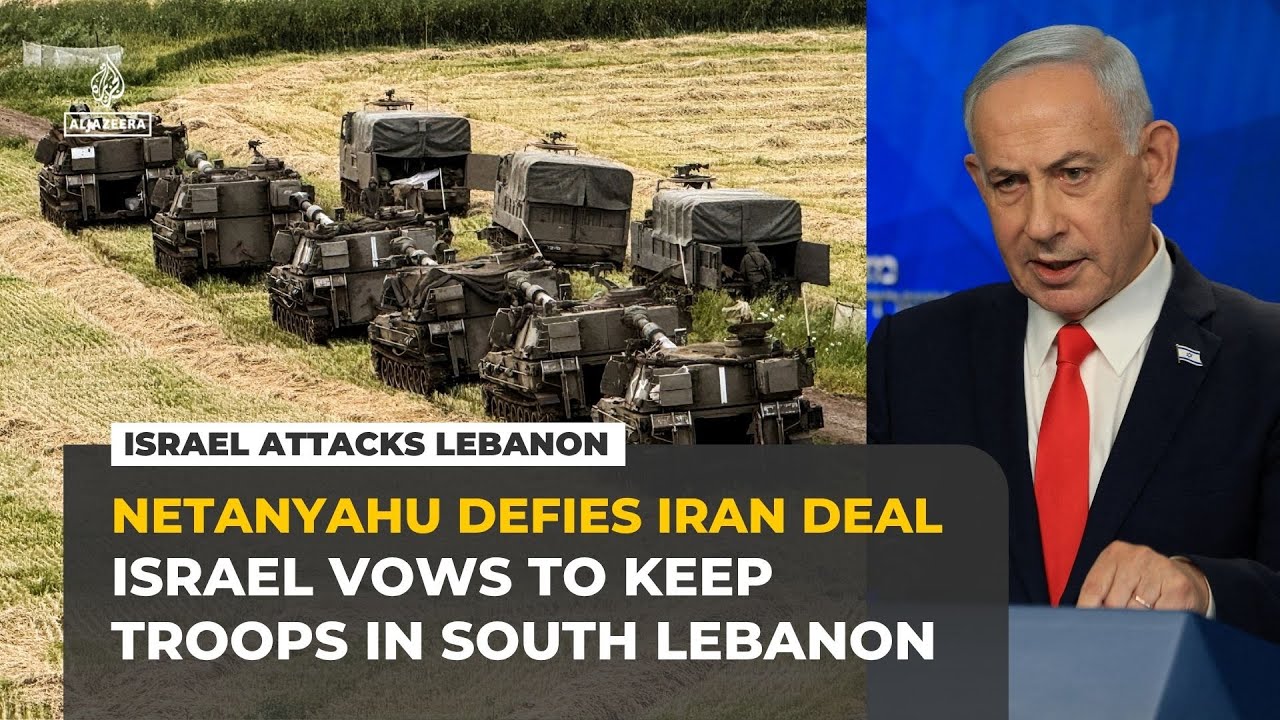
Four Israel Defense Forces soldiers, including a battalion commander regarded as one of the army’s rising field leaders, were killed overnight in Southern Lebanon in what Israeli military officials believe was a Hezbollah drone attack on an armored vehicle, according to reports carried by JNS and subsequent military statements.
The deadly strike, one of the most severe Hezbollah attacks in recent months, has intensified tensions along Israel’s northern border, prompted extensive Israeli retaliatory operations against Hezbollah infrastructure, and contributed to broader diplomatic repercussions affecting ongoing international discussions involving Iran and the United States.
According to a report on Friday at The Jewish News Syndicate (JNS), the Israel Defense Forces identified one of the fallen soldiers as Lt. Col. Dor Gedalia Ben Simhon, 32, of Kibbutz Beit HaShita, commander of the 52nd “The Breachers” Battalion within the 401st “Iron Tracks” Brigade. Initial military assessments indicate that an explosive-laden drone struck the battalion commander’s tank during operations in Southern Lebanon, killing Ben Simhon and three additional soldiers whose identities had not yet been authorized for public release at the time of reporting.
The deaths represent a significant loss for the Israeli military and have once again highlighted the persistent threat posed by Hezbollah’s evolving drone capabilities despite repeated ceasefire understandings and international diplomatic efforts aimed at stabilizing the border region.
According to the JNS report, Ben Simhon had assumed command of the 52nd Battalion only two months earlier after his predecessor suffered severe injuries. The officer leaves behind a wife and two daughters.
Within the IDF, battalion commanders occupy a uniquely important role, serving as the operational bridge between strategic directives and frontline execution. The death of a battalion commander during active combat operations is therefore regarded as a particularly painful loss, both personally and institutionally.
The 401st Brigade, one of Israel’s premier armored formations, has played a prominent role in military operations across multiple theaters in recent years. The brigade’s reputation has been forged through decades of service in some of Israel’s most demanding combat environments.
Military analysts noted that the death of a battalion commander often resonates deeply within the ranks because such officers typically maintain direct and constant contact with the soldiers they lead.
The circumstances surrounding the attack remain under investigation.
However, according to initial reports cited by JNS, the explosive drone appears to have directly struck the commander’s tank, producing catastrophic consequences for those inside.
The attack has once again drawn attention to Hezbollah’s growing use of unmanned aerial systems.
For years, Israeli defense officials have warned that Hezbollah, backed by Iran, has steadily expanded its arsenal of drones, precision-guided munitions, rockets, and surveillance systems. Originally known primarily for its rocket capabilities, Hezbollah has increasingly integrated drones into its operational doctrine.
Israeli military experts have repeatedly argued that unmanned systems represent one of the most significant evolving threats on the northern front because they can evade traditional defenses, gather intelligence, and conduct precision strikes against military targets.
According to military sources cited by JNS, the latest incident constitutes one of the most serious violations of ceasefire understandings in recent months. The strike appears to demonstrate both operational sophistication and a willingness by Hezbollah to challenge existing arrangements despite ongoing diplomatic efforts throughout the region.
Israeli officials reportedly concluded that the attack necessitated a substantial military response. According to JNS and other reports, the IDF launched extensive retaliatory strikes throughout Southern Lebanon following the deaths of the four soldiers. The operations targeted Hezbollah positions, infrastructure sites, military facilities, and other assets believed to support the organization’s activities.
The Israeli military stated that the strikes were intended to degrade Hezbollah’s operational capabilities and send a clear deterrent message regarding future attacks. According to reports, Israeli aircraft conducted operations in multiple sectors of Southern Lebanon as military planners sought to target facilities associated with Hezbollah’s military network.
The response reflects a longstanding Israeli doctrine that attacks resulting in military fatalities must be met with forceful action designed to restore deterrence. For Israeli policymakers, allowing such an attack to pass without a significant response could risk encouraging additional aggression.
The latest incident illustrates how fragile the security situation remains along Israel’s border with Lebanon. Although international mediators have repeatedly sought to reduce tensions and maintain ceasefire arrangements, sporadic clashes, missile launches, drone attacks, and military exchanges have continued. Israeli officials have consistently maintained that Hezbollah’s military buildup remains incompatible with lasting stability



