
















By: Fern Sidman
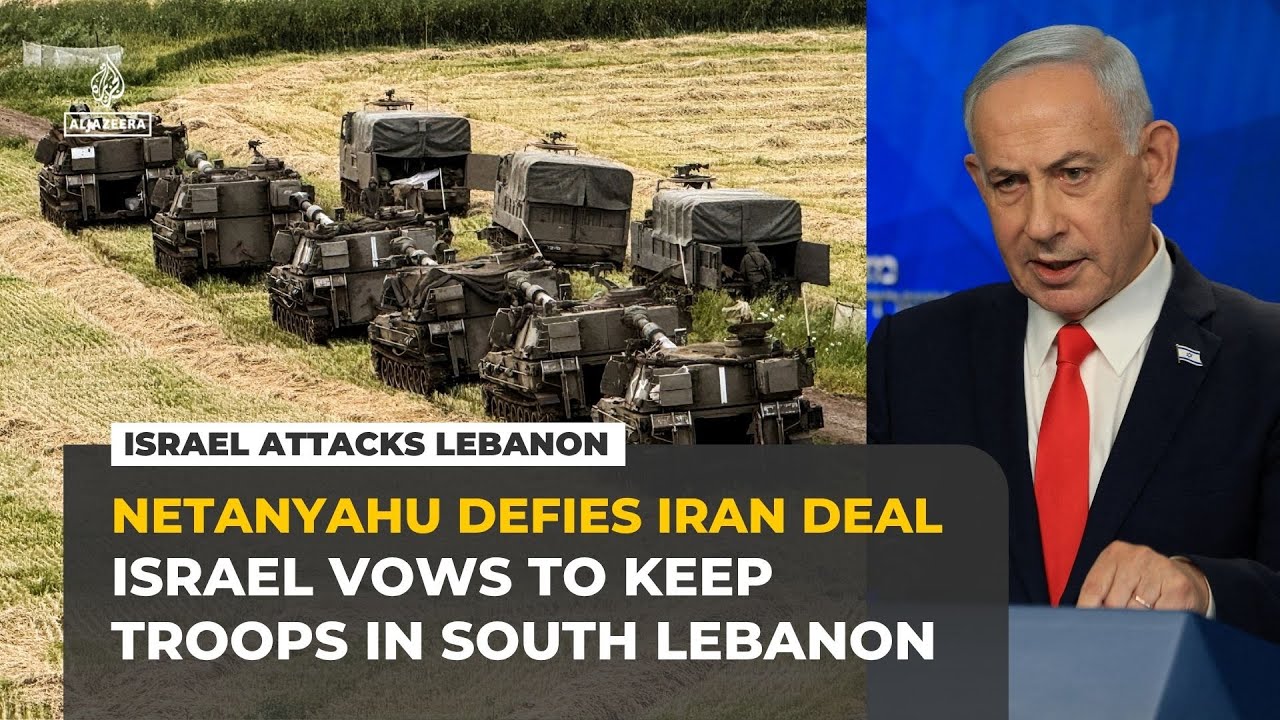
As negotiations between Washington and Tehran approach what many observers believe could be their most consequential phase, Israeli Prime Minister Benjamin Netanyahu is reportedly intensifying efforts to ensure that any final agreement adequately addresses what Israel has long regarded as one of the gravest threats to its national security: the prospect of a nuclear-capable Iran.
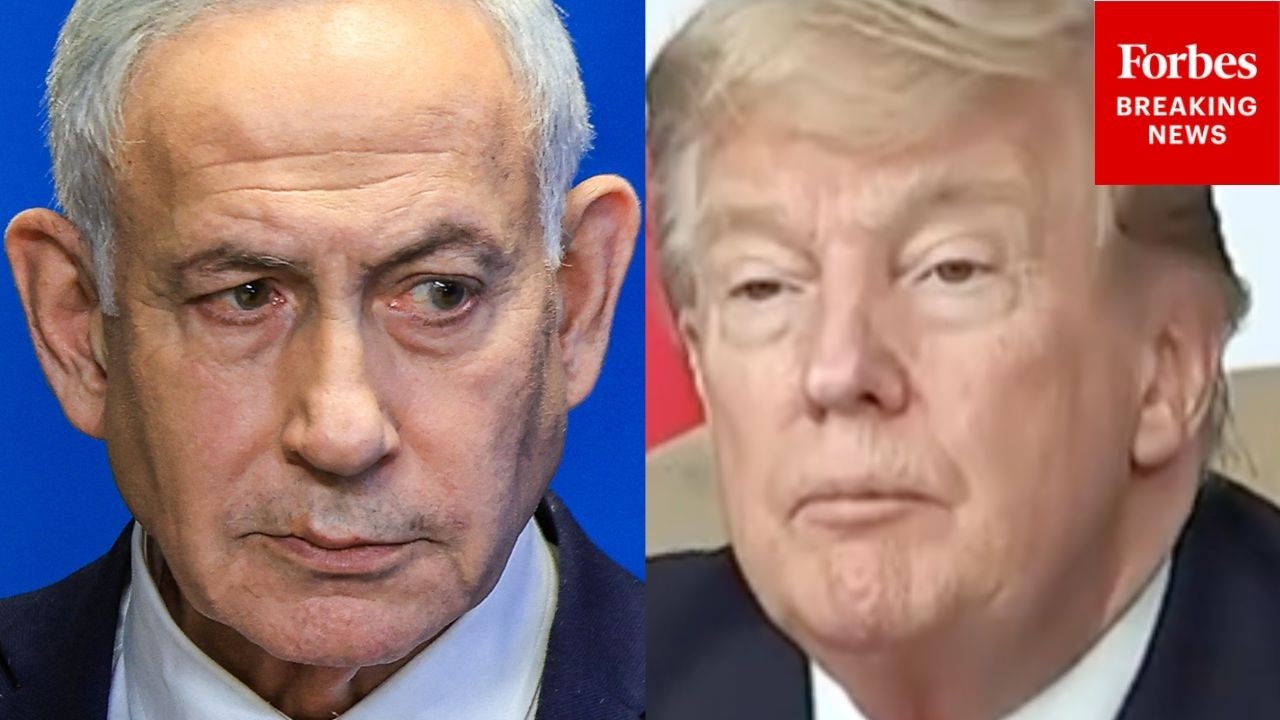
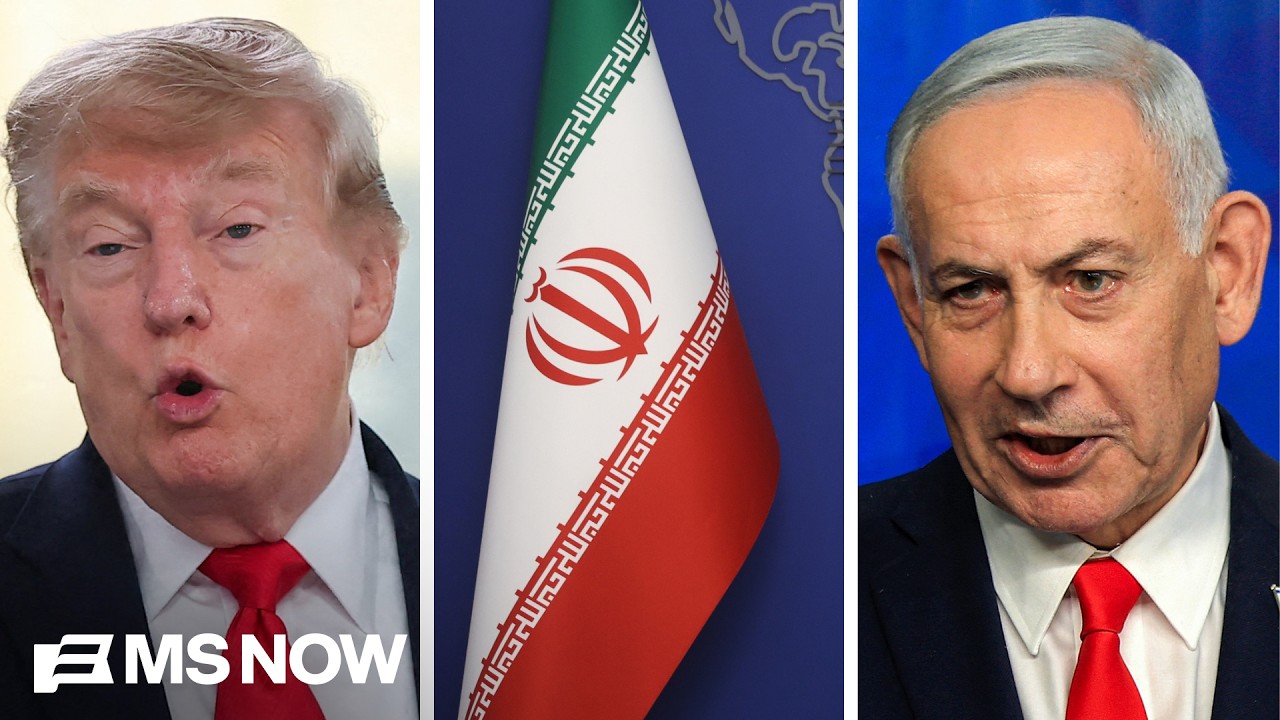
According to a CNN report cited extensively by Iran International, Netanyahu has undertaken a concerted effort to influence the final contours of the emerging diplomatic framework between the United States and Iran. The report suggests that the Israeli leader has engaged supportive American lawmakers and influential conservative media voices in an effort to communicate Israel’s concerns directly to President Trump and senior members of his administration.
Far from representing political interference, many Israeli officials and supporters view the reported effort as a responsible exercise in strategic vigilance by a leader whose nation would likely bear the most immediate consequences of any future failure to constrain Iran’s nuclear ambitions.
The developments underscore a reality that has shaped Middle Eastern geopolitics for decades: while diplomatic agreements can be negotiated thousands of miles away in conference rooms and presidential residences, the security implications are often felt most acutely in Israel.
According to the CNN report, as cited by Iran International, Israeli officials remain deeply skeptical regarding Tehran’s intentions and continue to question whether the Iranian regime is negotiating in good faith.
That skepticism did not emerge in a vacuum.
Rather, it reflects years of tensions surrounding Iran’s nuclear program, repeated international disputes over uranium enrichment, and longstanding disagreements between Tehran and Western governments concerning transparency, inspections, and compliance.
Israeli officials have consistently argued that diplomacy, while preferable to military confrontation, must be accompanied by rigorous verification mechanisms and meaningful restrictions capable of preventing Iran from advancing toward nuclear weapons capability.
The concern is hardly theoretical.
Successive Israeli governments spanning the political spectrum have maintained that Iran’s nuclear activities constitute a strategic challenge unlike any other confronting the Jewish state.
For Netanyahu, who has devoted much of his political career to warning the international community about the dangers posed by Iran’s nuclear program, the current negotiations represent another pivotal moment in a struggle that has defined regional security discussions for years.
According to the CNN report cited by Iran International, Netanyahu is reportedly seeking to ensure that Washington does not accept what Israeli officials might regard as insufficient safeguards or temporary compromises that leave critical issues unresolved.
Supporters of the prime minister argue that such efforts reflect prudence rather than obstructionism.
Indeed, from an Israeli perspective, skepticism toward Tehran is often viewed not as ideological rigidity but as a lesson drawn from historical experience.
Israel’s security establishment has repeatedly emphasized that any agreement must be judged not by its diplomatic symbolism but by its practical effectiveness. The central question, according to many Israeli analysts, is whether any proposed accord genuinely prevents Iran from achieving a military nuclear capability.
Everything else is secondary. Iran International reported that officials familiar with the negotiations believe substantial differences remain between Washington and Tehran. That assessment itself illustrates the challenges confronting negotiators.
While both sides may express interest in avoiding escalation, fundamental disagreements reportedly persist regarding sanctions, nuclear restrictions, verification procedures, regional security arrangements, and future commitments.
Those unresolved issues help explain why Israeli leaders continue to view the negotiations with caution. Netanyahu’s supporters argue that history has repeatedly demonstrated the risks associated with overly optimistic assumptions regarding hostile regimes.
From Jerusalem’s perspective, vigilance is not merely a political preference. It is a strategic necessity. The stakes involved are extraordinary.
A nuclear-capable Iran would fundamentally alter the balance of power throughout the Middle East. It would reshape deterrence calculations, affect regional alliances, and potentially trigger broader proliferation concerns among neighboring states.
Israeli officials have long argued that preventing such an outcome remains an essential international objective.
CNN’s reporting, as cited by Iran International, suggests that Netanyahu has sought to convey those concerns directly to influential voices within the United States. Such efforts are hardly unprecedented.
Israeli leaders have historically maintained close relationships with American lawmakers, policy experts, and opinion leaders across multiple administrations.
Supporters of Netanyahu contend that engaging those channels represents a legitimate effort to ensure that Israel’s security concerns remain part of the broader conversation. The reported outreach reflects the enduring strength of the U.S.-Israel relationship.
For decades, both countries have maintained close cooperation on intelligence, defense, counterterrorism, and regional security matters. Even when disagreements arise regarding tactics or diplomatic approaches, the underlying strategic partnership has remained remarkably resilient.
In that context, Netanyahu’s reported efforts can be understood as part of a broader dialogue between allies confronting a shared challenge. Critics may characterize such actions as pressure.
Supporters view them as responsible advocacy. Iran International’s coverage highlights another important dimension of the current debate: uncertainty. Despite months of diplomatic engagement, significant questions remain unanswered.
Will Tehran ultimately accept meaningful limitations? Will verification mechanisms be sufficiently robust? Will enforcement provisions prove credible? Will future compliance be measurable and transparent? These questions continue to shape Israeli thinking.
For many in Israel, the issue is not whether diplomacy should be pursued. The issue is whether diplomacy will succeed. That distinction is critical.
Israeli leaders have repeatedly stated that they prefer a peaceful resolution to the nuclear dispute. However, they have also emphasized that a weak agreement may prove more dangerous than no agreement at all if it creates a false sense of security while allowing problematic activities to continue.
According to Iran International, Israeli officials remain unconvinced that the current negotiations have yet produced answers to those concerns. That skepticism helps explain why Netanyahu appears determined to remain actively engaged as negotiations continue. Supporters of the prime minister argue that his approach reflects a broader philosophy of national defense.
Throughout his career, Netanyahu has consistently emphasized preparedness, deterrence, and strategic foresight. Whether confronting terrorism, regional instability, or nuclear proliferation concerns, he has frequently argued that threats should be addressed before they become irreversible.
Many Israelis believe that philosophy has contributed significantly to the country’s security.
The current diplomatic moment therefore carries profound significance. Should negotiations ultimately produce a comprehensive agreement that effectively constrains Iran’s nuclear activities, supporters and critics alike may view it as a historic achievement.
If, however, the agreement fails to address key concerns, the consequences could reverberate throughout the region for years. CNN’s reporting, as cited by Iran International, suggests that Netanyahu is determined to influence that outcome while opportunities remain.
From Israel’s perspective, such engagement is not merely understandable. It is essential.
The Jewish state occupies a unique position within the regional security landscape. No country faces a more immediate stake in the outcome of negotiations involving Iran’s nuclear future. No country watches the discussions with greater intensity. And few leaders have invested more political capital in highlighting the issue than Netanyahu.
As negotiations continue, regional and international observers will closely monitor developments. The diplomatic process remains fluid. Important questions remain unresolved. Yet one reality is already clear: Israel intends to ensure that its security concerns remain firmly at the center of the conversation.
For Netanyahu and his supporters, that objective is not controversial. It is a fundamental responsibility of leadership. In a region where strategic miscalculations can carry historic consequences, they argue that caution is not weakness, skepticism is not obstruction, and vigilance is not optional. Rather, it is the indispensable foundation upon which lasting security must ultimately be built.



