


























By Andrew Moran
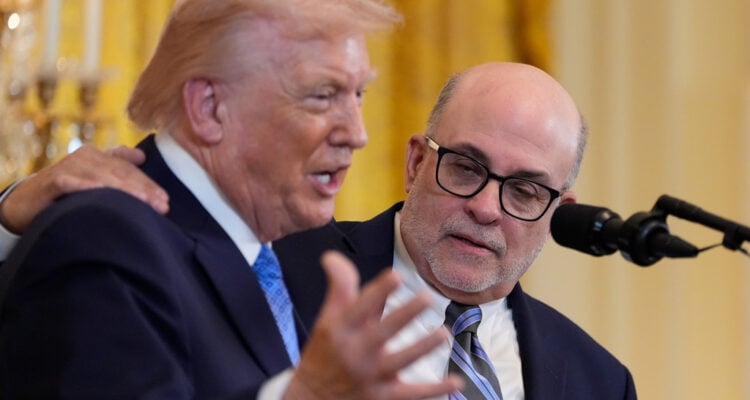
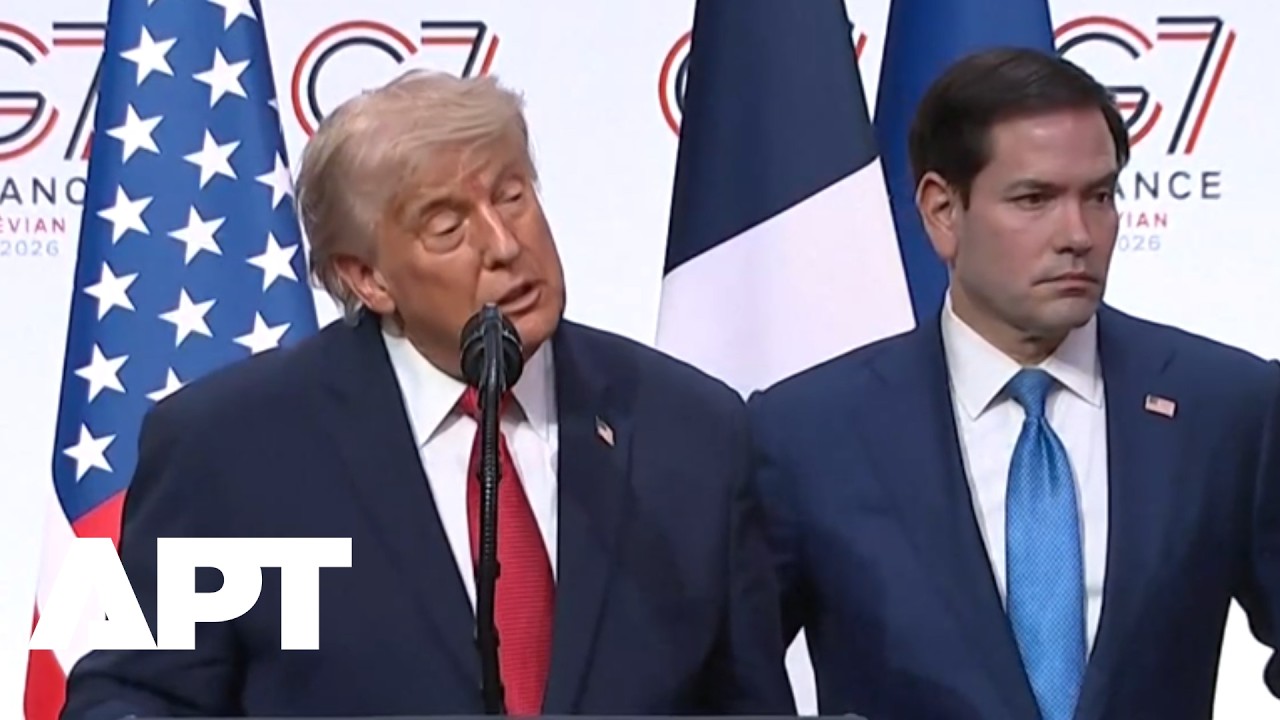
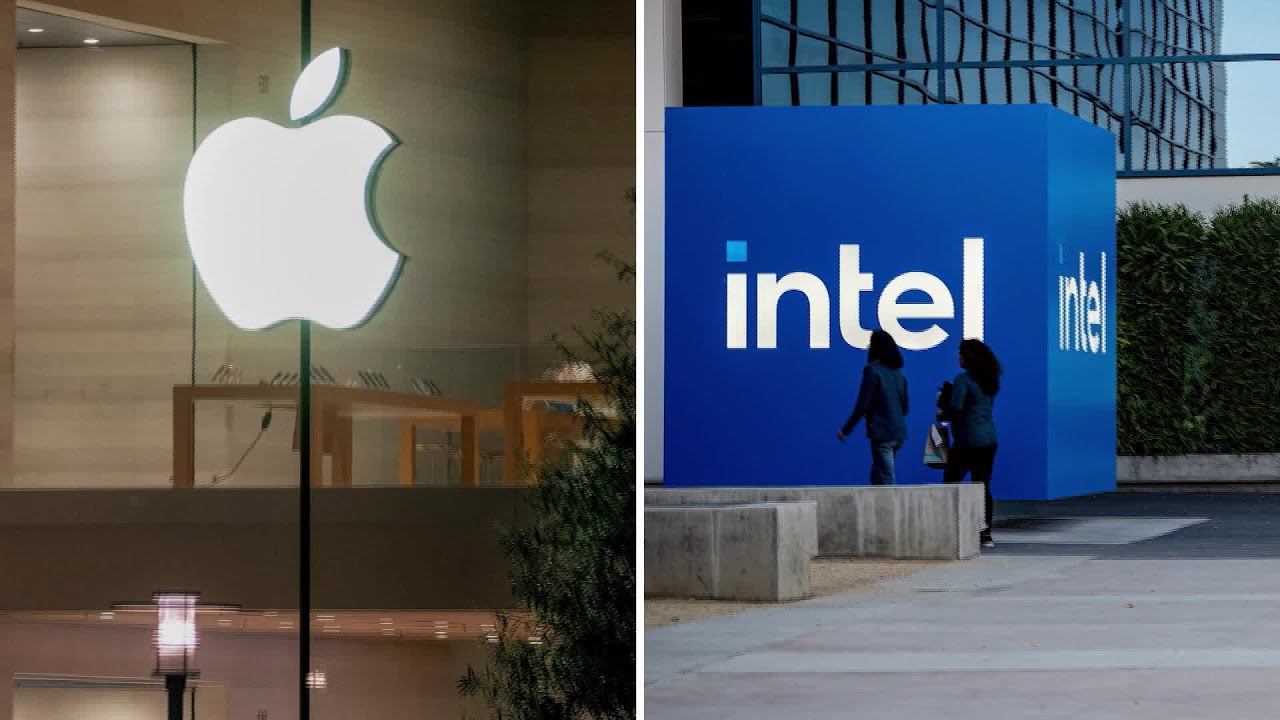
(Epoch Times) President Donald Trump said on June 18 that Apple will partner with semiconductor maker Intel to design and manufacture computer chips in the United States.
In an overnight Truth Social post, the president stated that the global economy relies on technology made in the United States, but prior presidents have failed to protect domestic industries with tariffs.
“Stupid Presidents took our Economy for granted, and let Taiwan and others steal our Semiconductor Factories,” he wrote.
Apple has primarily relied on Taiwan Semiconductor Manufacturing Company (TSMC) to produce processors that power iPhones, iPads, and Mac computers. The newest partnership allows the company to diversify its partnerships as it navigates tariffs, reshoring, and a complex supply chain network.
Sweeping global tariffs have spurred hundreds of billions of dollars in investment commitments in U.S. manufacturing to bolster domestic production, from semiconductors to automobiles to pharmaceuticals.
Apple announced in August 2025 that it would invest another $100 billion in U.S. manufacturing to avoid tariffs and reinforce domestic production, bringing its overall investment to $600 billion.
Apple Price Hikes
Meanwhile, Apple CEO Tim Cook told The Wall Street Journal on June 17 that the company will raise prices on its products due to increasing costs of memory and storage chips, fueled by the artificial intelligence (AI) boom.
“We’re doing our best to mitigate the huge increases that are being passed to us, and we’ve been trying to shield our customers from the increases, but the situation has become unsustainable,” Cook, who is stepping down in September, told the newspaper.
Memory chip prices have climbed by up to 600 percent over the last year, and market watchers have warned of a new “chipflation” threat emerging in the international marketplace.
With accelerating demand for semiconductors, Morgan Stanley analysts say product scarcity has become a “macroeconomic concern” as it filters through the broader economy and adversely affects consumers.
“Memory producers benefit from stronger pricing, margins and visibility. Downstream hardware companies must absorb costs, pass them through, redesign products or risk demand destruction.”
Binance Research, in a June 14 thread on X, stated that chipflation is an “inflation story markets are underpricing.”
“AI infrastructure is absorbing an ever-larger share of advanced memory capacity,” it wrote. “What’s left for smartphones, PCs, and consumer devices is shrinking fast.
“Chipflation is seeping into every layer of the cost stack.”
So far, based on the latest Consumer Price Index, Americans have been insulated from these price pressures. Information technology commodities—computers, peripherals, software, and smartphones—declined 0.1 percent in May.
Intel Stock Rallies
Trump also touted the U.S. government’s investment in Intel last year.
In August 2025, the administration announced a $10 billion stake in Intel, representing about 10 percent of the company. At the time, the chipmaker had a market cap of around $100 billion, but it has since surged to above $600 billion.
“America’s stake is now over 60 Billion Dollars. When was the last time a President made America money?” the president wrote in his June 18 Truth Social post.
Shares of Intel shot up as much as 11 percent during the June 18 trading session to around $130. The stock is up more than 200 percent year-to-date.
Apple shares rose 1 percent and have advanced 10 percent this year to almost $300.
Despite the Iranian conflict impacting global supply chains and creating economic uncertainty, U.S. chip stocks have shrugged off these headwinds.
The Nasdaq’s PHLX Semiconductor Sector Index—an index that includes the 30 largest U.S.-traded companies involved in the creation and distribution of computer chips—has rocketed almost 100 percent this year.
The tech-heavy Nasdaq Composite Index has surged 19 percent over the last three months, trading near a record high.



