






























|
Getting your Trinity Audio player ready...
|
(TJV NEWS) A fragile regional ceasefire involving Iran and its proxy network is showing new signs of strain after the Israeli military intercepted what officials believe was a Houthi drone near the southern city of Eilat—the first such aerial attack reported since the Israel-Iran ceasefire went into effect.
According to Israeli media reports cited by News 12 and The Times of Israel, the Israel Defense Forces said it intercepted the suspected drone before it could enter Israeli territory, amid growing fears that Iran-backed militias may once again be testing Israel’s defenses despite ongoing diplomatic efforts to stabilize the region.
The IDF stated that the aircraft was believed to have originated from Yemen, where the Iranian-backed Houthi movement has repeatedly launched drones and ballistic missiles toward Israel throughout the broader regional conflict. News 12 reported that at least two drones may have been launched during the incident, though the military was still investigating the full details.
First Houthi Attack Since Ceasefire
The incident is especially significant because it marks the first reported Houthi drone attack targeting Eilat since the ceasefires involving Iran and Hezbollah took hold last month, according to The Times of Israel.
Israeli officials did not immediately report injuries or damage, and no warning sirens were activated during the interception because the drone reportedly did not pose an immediate threat to populated areas.
Still, the incident is raising serious concerns inside Israel’s security establishment about whether Iran-backed groups are preparing to gradually resume pressure campaigns against Israel despite public ceasefire declarations.
Iran’s Proxy Network Remains Active
The Houthis, one of Iran’s most powerful regional proxy forces, dramatically escalated attacks against Israel and Red Sea shipping routes following the outbreak of the Gaza war in 2023. Since then, the Yemeni militant group has launched repeated missile and drone strikes targeting Israeli cities, maritime traffic, and strategic infrastructure.
According to previous reporting from The Times of Israel and other regional outlets, Houthi attacks intensified further during the direct confrontation between Israel and Iran earlier this year.
Although the recent ceasefire temporarily reduced hostilities, analysts have warned that many of Iran’s allied militias remain heavily armed and operational across the Middle East, including in Yemen, Lebanon, Iraq, and Syria.
Eilat Increasingly Vulnerable
The southern Israeli port city of Eilat has become an increasingly frequent target due to its strategic location along the Red Sea.
Israeli defense officials have repeatedly warned that low-flying drones launched from Yemen present a unique challenge for air defense systems because of the long flight distances, difficult radar tracking conditions, and relatively low operational costs associated with drone warfare.
News 12 reported that the IDF continues upgrading detection and interception capabilities in the southern region amid concerns that Houthi forces could intensify attacks again if regional tensions deteriorate further.
A Fragile Regional Calm
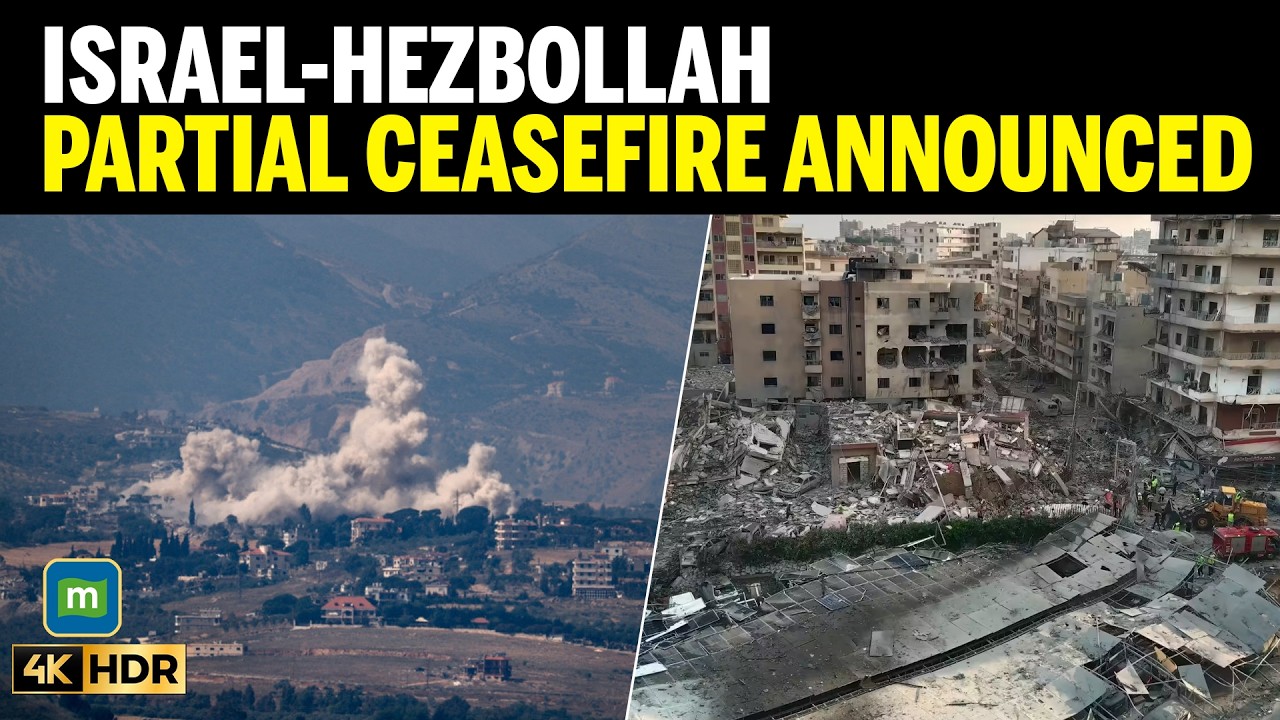
The latest interception comes at a particularly delicate moment for the Middle East. Diplomatic efforts involving the United States, Gulf states, and European mediators have attempted to preserve the ceasefire framework established after months of escalating confrontation involving Iran, Israel, Hezbollah, and the Houthis.
However, security analysts increasingly warn that the ceasefire may represent less of a permanent peace agreement and more of a temporary operational pause.
Reuters recently reported that drone warfare involving Iranian-backed groups continues expanding across Lebanon and other regional fronts despite ongoing diplomatic efforts.
Drone Warfare Reshaping the Conflict
The attempted Houthi strike also highlights how drone warfare is transforming modern Middle Eastern conflicts.
Cheap, highly mobile drones have become one of the most effective tools used by Iranian proxy groups to pressure Israel and challenge advanced military systems. Israeli officials have acknowledged that drones—particularly low-cost kamikaze drones—pose a growing strategic threat that traditional air defense systems were not originally designed to counter on a mass scale.
Military experts say the Houthis have become increasingly sophisticated in their drone operations, aided in part by Iranian technology, battlefield coordination, and lessons drawn from conflicts in Ukraine and elsewhere.
Israel Remains on High Alert
Despite the interception’s success, Israeli defense officials are expected to maintain heightened alert levels across southern Israel and along Red Sea corridors.
The IDF has repeatedly emphasized that it views attacks by Iranian-backed militias as part of a broader coordinated regional strategy directed by Tehran.
As News 12 and The Times of Israel both indicated, Israeli military officials continue investigating whether the latest drone launch represents an isolated incident—or the possible beginning of renewed escalation involving the Houthis after weeks of relative calm.
For now, the ceasefire technically remains in place.
But with Iranian proxy groups once again testing Israel’s defenses, the latest drone interception is serving as another reminder of how fragile the current regional calm may actually be.



