





















|
Getting your Trinity Audio player ready...
|
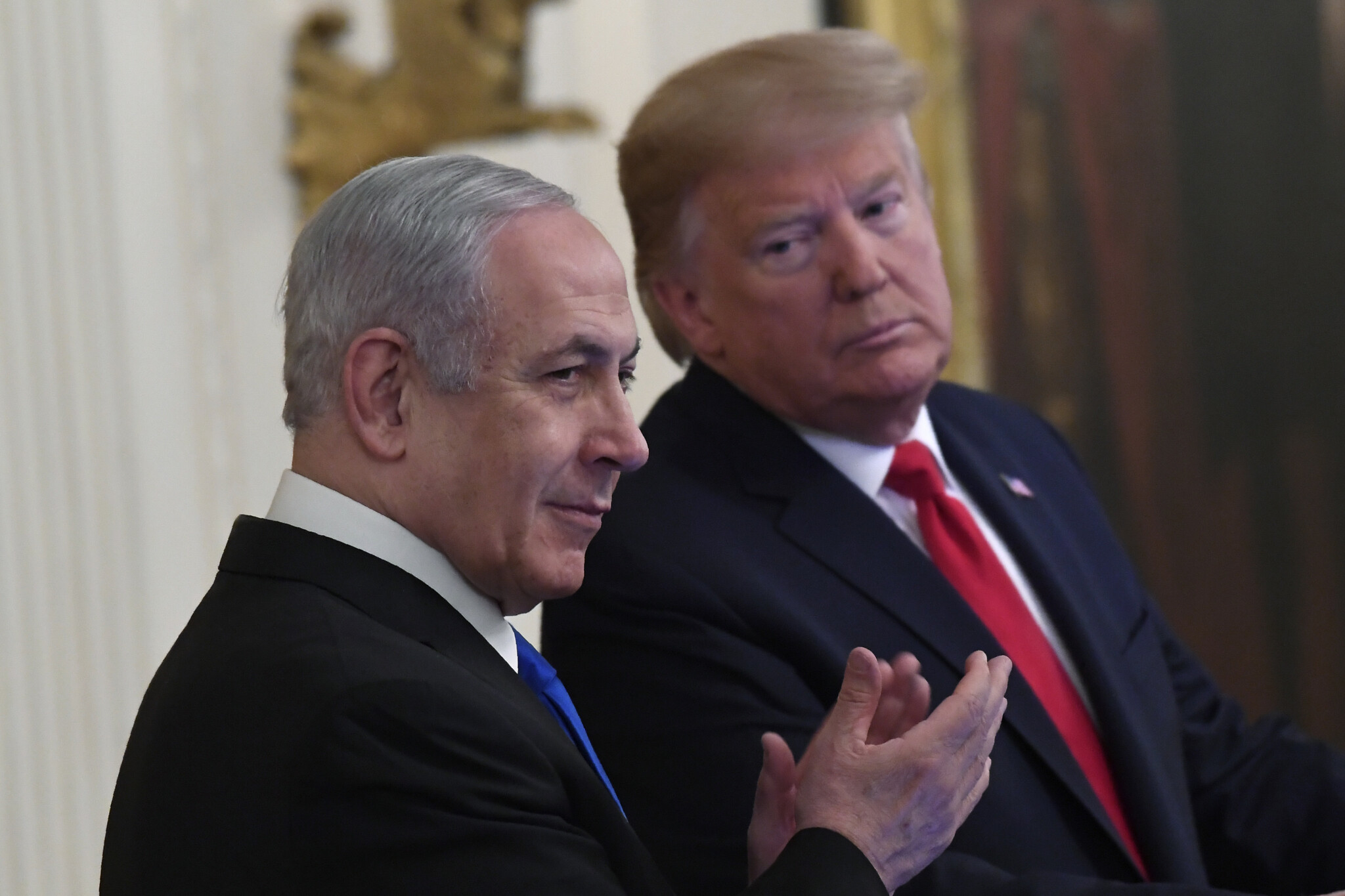
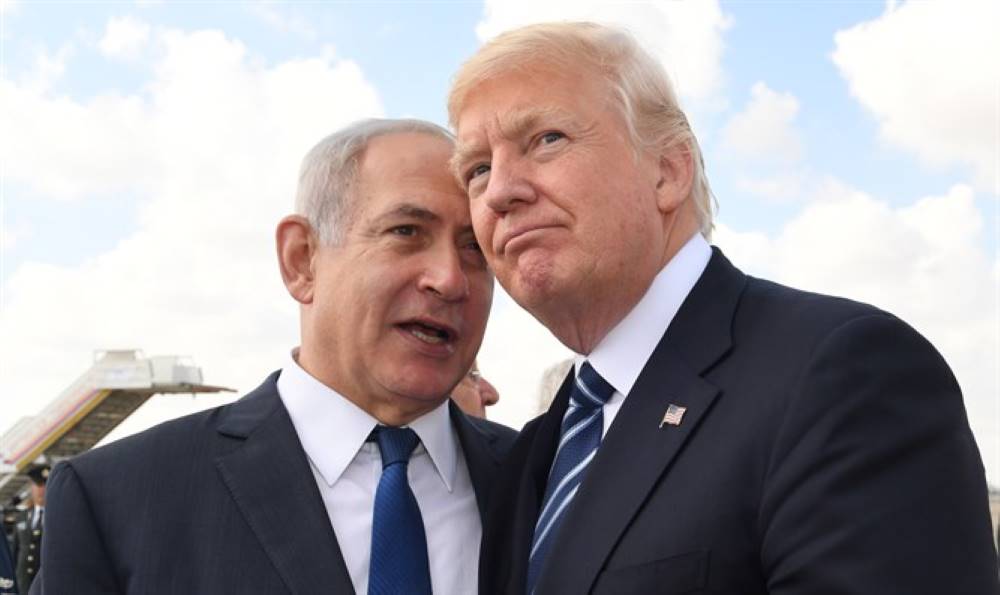
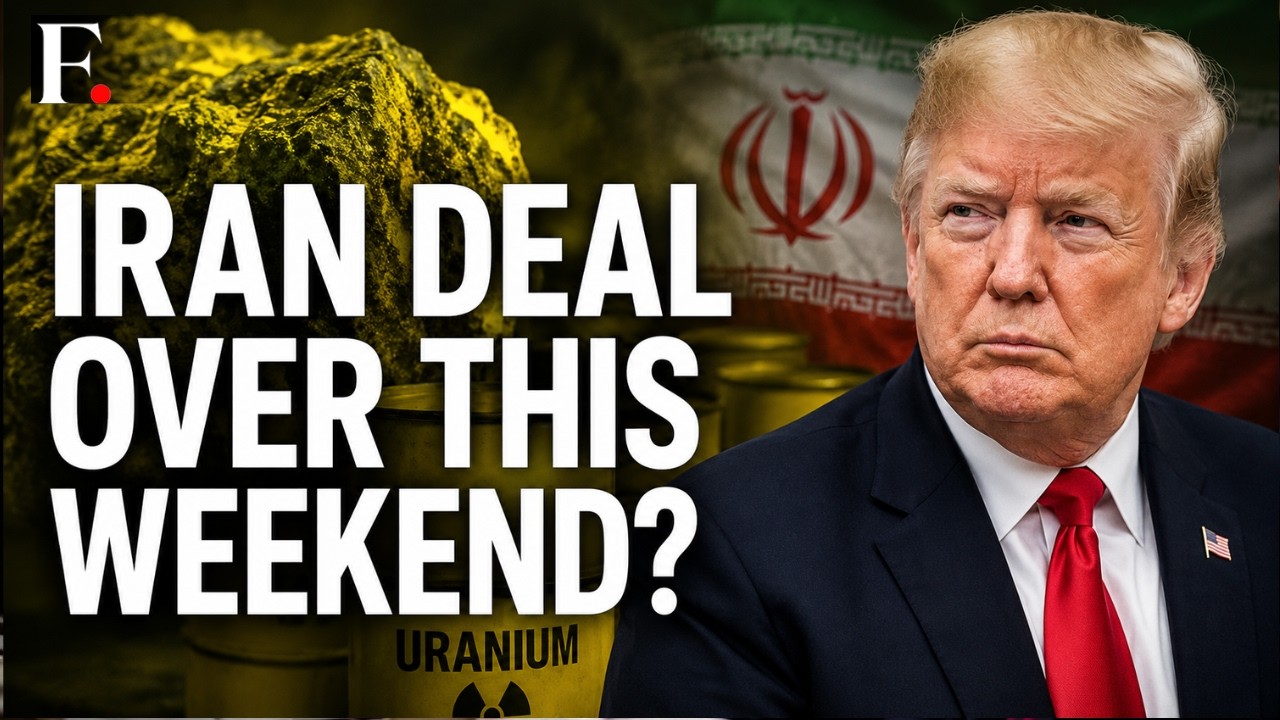
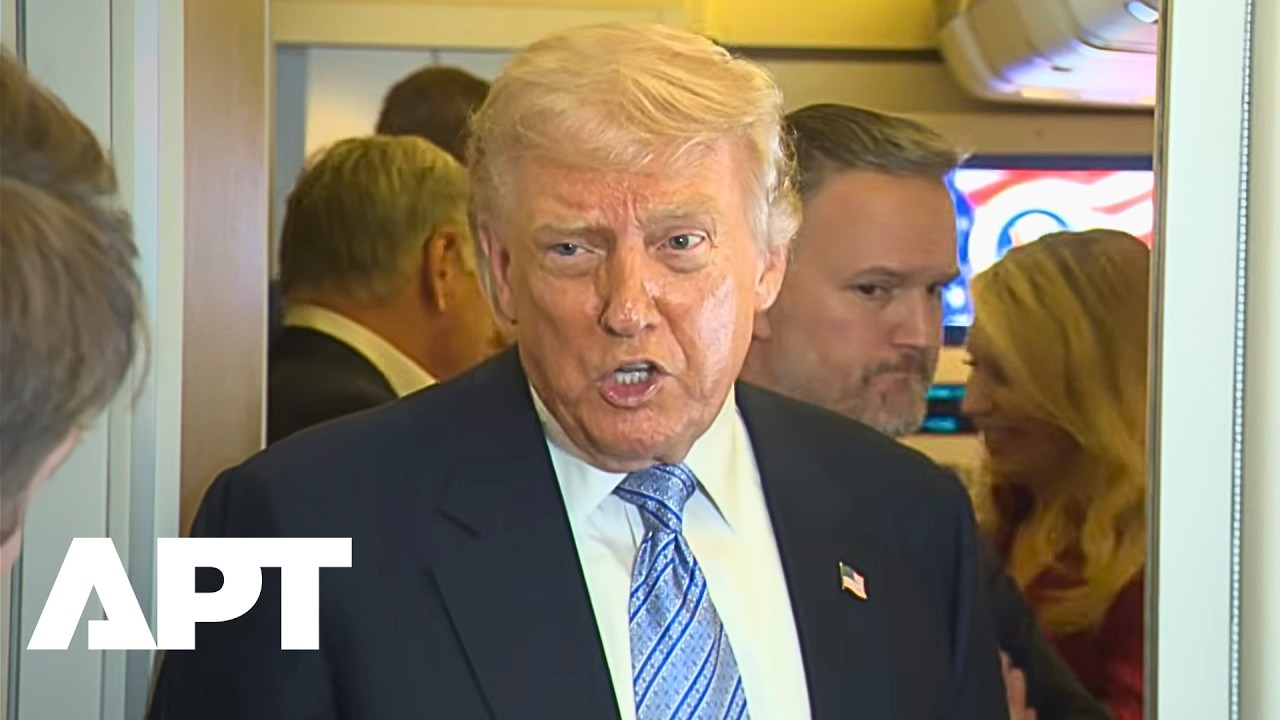
(TJV NEWS) President Donald Trump is signaling a potentially dramatic shift in America’s long-running battle over Iran’s nuclear ambitions, suggesting that future restrictions on Tehran’s atomic program may only need to last two decades rather than permanently.
According to Politico, Trump stated that “20 years is enough” when discussing possible limits on Iran’s nuclear activities, a comment that immediately reignited fierce debate surrounding nuclear negotiations, Middle East security, and America’s broader strategy toward the Islamic Republic.
The remarks come amid renewed international tensions surrounding Iran’s uranium enrichment efforts, regional instability, and growing fears that Tehran could move closer toward developing nuclear weapons capability if diplomatic efforts collapse.
Trump Revisits One of His Biggest Foreign Policy Battles
Trump’s latest comments are particularly striking given his longstanding criticism of the 2015 Obama-era Joint Comprehensive Plan of Action, commonly known as the Iran nuclear deal or JCPOA.
The original agreement imposed temporary restrictions on Iran’s nuclear activities in exchange for sanctions relief, but Trump repeatedly blasted the deal during both campaigns and his presidency for containing “sunset clauses” that eventually expired.
According to Politico, Trump now appears open to a future framework involving long-term — but not necessarily permanent — nuclear restrictions.
That shift is already fueling intense debate among foreign policy experts, supporters, and critics alike.
Supporters Say New Terms Would Be Far Tougher
Supporters of Trump’s position argue the comparison between a future Trump-negotiated framework and the Obama-era JCPOA is misleading.
As discussions highlighted in online geopolitical forums cited alongside the Politico report noted, Trump allies argue any future arrangement would likely demand far stricter conditions, including ending uranium enrichment entirely, dismantling advanced centrifuge infrastructure, surrendering enriched uranium stockpiles, and implementing stronger inspection mechanisms.
Under that argument, a 20-year restriction period could significantly delay Iran’s nuclear development even if the agreement eventually expires.
Supporters also argue technological, economic, and geopolitical conditions in the Middle East could look dramatically different two decades from now.
Critics Accuse Trump of Contradicting Himself
Critics, however, immediately accused Trump of contradicting his earlier attacks on the Obama administration’s deal.
Opponents point out that Trump repeatedly argued the JCPOA was unacceptable specifically because its restrictions eventually expired, raising questions about why a 20-year framework would now be considered sufficient.
Political analysts warn the issue could become another major flashpoint heading into future election battles, particularly as tensions involving Iran remain deeply tied to energy prices, military stability, and America’s global alliances.
Iran Nuclear Tensions Continue Escalating
The comments arrive as Iran’s nuclear program remains under intense international scrutiny.
The International Atomic Energy Agency has repeatedly expressed concerns over Iran’s enrichment levels, uranium stockpiles, and transparency regarding certain nuclear activities.
According to background reports on ongoing U.S.-Iran tensions, Tehran has dramatically expanded nuclear capabilities since the collapse of the original JCPOA framework after America withdrew from the agreement in 2018.
Iran continues insisting its nuclear program is intended for peaceful civilian energy purposes, while the United States, Israel, and many Western allies fear Tehran ultimately seeks nuclear weapons capability.
Middle East Security Concerns Driving Pressure
The Iran nuclear issue remains one of the most explosive geopolitical questions facing the Middle East.
Israeli officials have repeatedly warned that Iran cannot be allowed to obtain nuclear weapons, arguing such a development would fundamentally destabilize the region and threaten Israel’s existence.
At the same time, Gulf Arab states have increasingly aligned with Western efforts to contain Iranian influence throughout the region.
Military tensions involving proxy conflicts, missile programs, sanctions battles, and maritime security in the Persian Gulf have all intensified pressure surrounding the nuclear issue.
Diplomatic Window Appears Narrowing
While diplomatic negotiations continue intermittently, analysts increasingly warn that the window for a peaceful long-term solution may be narrowing.
Some foreign policy experts argue that economic sanctions and diplomatic pressure remain the best path toward limiting Iran’s nuclear ambitions.
Others believe military deterrence may eventually become unavoidable if Tehran continues advancing enrichment capabilities.
Trump’s latest comments suggest his administration may be seeking a framework that emphasizes long-duration containment rather than permanent elimination of Iran’s nuclear infrastructure.
Political and Strategic Stakes Remain Enormous
The stakes surrounding any future Iran nuclear agreement remain extraordinarily high.
A successful deal could potentially reduce regional tensions, stabilize global energy markets, and lower the risk of direct military confrontation.
Failure, however, could accelerate a regional arms race and deepen fears of a broader Middle East conflict involving Israel, Iran, and major global powers.
As Politico reported, Trump’s “20 years is enough” comment has now added a new dimension to an already volatile debate over how the United States should confront one of the world’s most dangerous nuclear standoffs.



