






















|
Getting your Trinity Audio player ready...
|
Tump’s One-Day Diplomatic Blitz Set to Redefine the Middle East
By: Fern Sidman
In what promises to be one of the most compressed and consequential diplomatic missions in recent history, President Donald J. Trump is preparing to embark on a whirlwind one-day visit to the Middle East — a tightly choreographed, 10-hour journey designed to showcase American resolve, deepen alliances, and set the tone for a new regional order.
The trip, which begins Monday morning, will see Air Force One touch down in Israel before heading to Egypt’s Sharm el-Sheikh, where Trump is expected to convene a landmark Middle East Conference with world leaders. The itinerary — spanning three nations, two summits, and one defining address — is nothing short of audacious, reflecting Trump’s signature blend of speed, spectacle, and strategy.
9:20 a.m. — Arrival at Ben Gurion Airport
According to the official schedule released late Sunday, Air Force One is expected to arrive at Ben Gurion Airport at precisely 9:20 a.m. local time, marking Trump’s first visit to Israel since his reelection and his most symbolically charged mission since the ceasefire that ended two years of conflict between Israel and Hamas in Gaza.
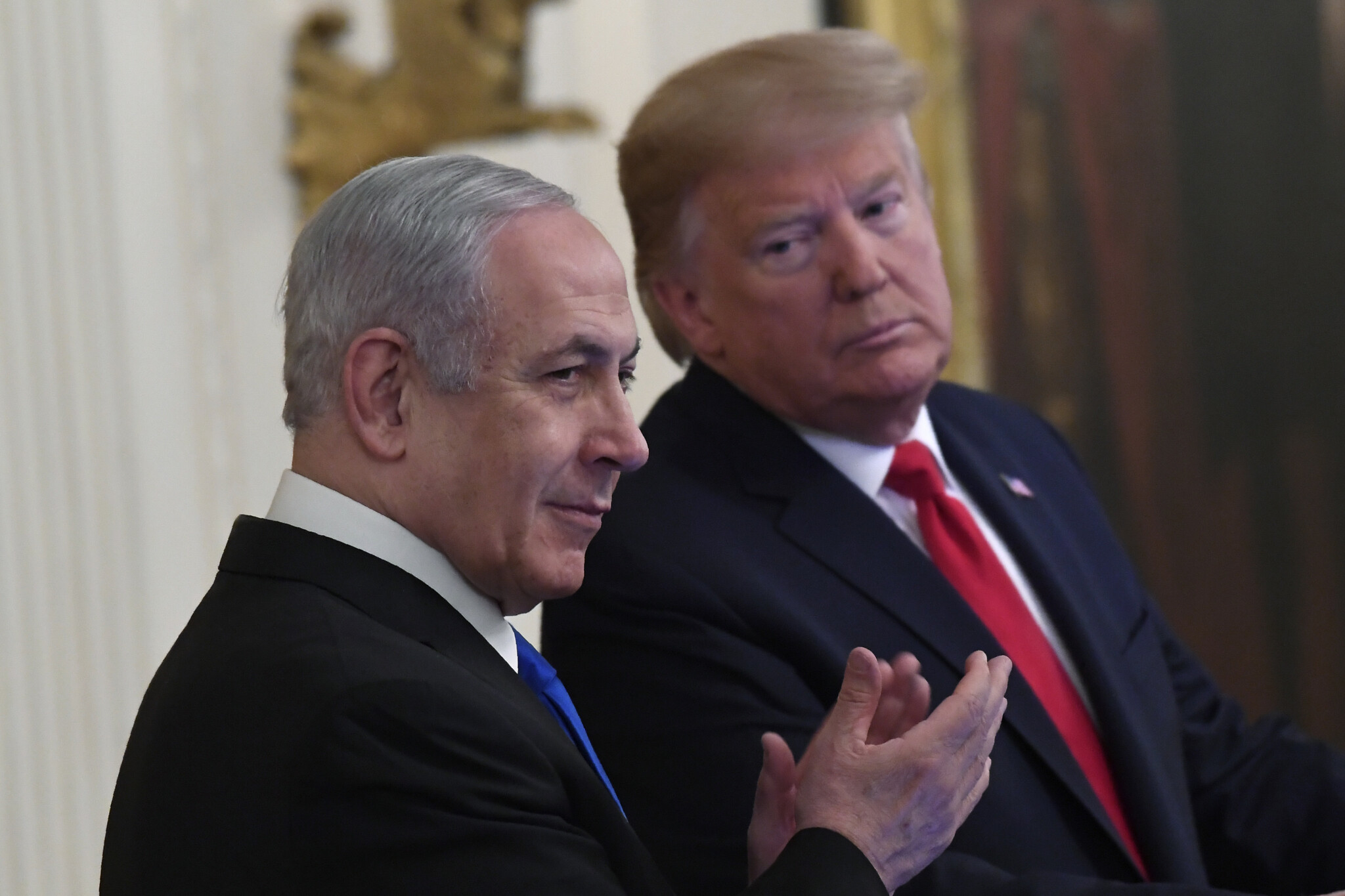
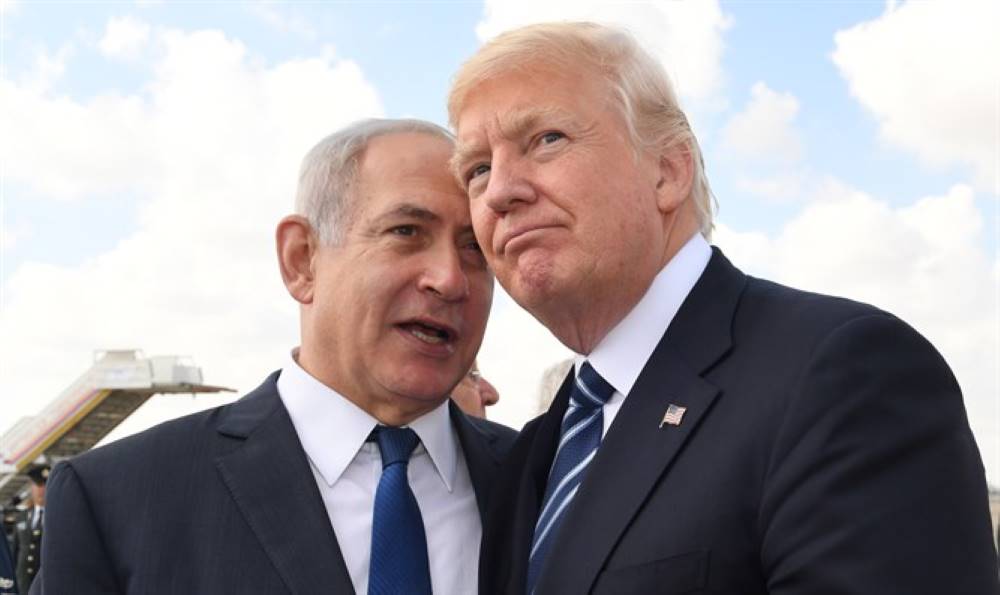
Awaiting him on the tarmac will be Israeli President Isaac Herzog and Prime Minister Benjamin Netanyahu, who will jointly lead the welcoming ceremony alongside an honor guard of IDF soldiers. The scene is expected to be one of both celebration and solemnity — a recognition of the enduring U.S.–Israel alliance and of the enormous security and diplomatic challenges that still lie ahead.
Security measures for the visit are already creating a ripple effect across the country. Israeli police and Shin Bet have ordered the complete closure of the Tel Aviv–Jerusalem highway, effectively halting traffic for the presidential motorcade. While such disruptions are standard for high-profile visits, local authorities warn that tomorrow’s gridlock will likely be the most extensive in years.
“The entire highway from Ben Gurion to Jerusalem will be sealed off,” one security source told reporters. “Every overpass, every intersection — locked down. This visit is a logistical operation on the scale of a military campaign.”
For many Israelis, the inconvenience will be offset by the significance of the visit. “Every time an American president lands here, the country holds its breath,” one Tel Aviv resident remarked. “This time, it feels like something major is about to shift.”
10:45 a.m. — Meeting with Families of Hostages
Once in Jerusalem, President Trump will head directly to the Knesset, where he is scheduled to meet privately with families of hostages still held in Gaza. The meeting, which is closed to the press, is expected to be emotionally charged.
Sources close to the planning committee say that several family representatives will deliver personal statements to the President, recounting the anguish of waiting and the uncertainty that has gripped their lives since the October 7 massacre.
“This will be one of the most difficult moments of the day,” a senior Israeli official told reporters. “The families have lived through unimaginable pain, and they want to express their heartfelt gratitude to President Trump personally for all he has done to secure the release of the hostages.”
The White House has indicated that the President intends to use the meeting to underscore America’s commitment to securing the return of all hostages, while reaffirming his administration’s policy of “zero tolerance” for terrorism.
11:00 a.m. — Trump’s Historic Address to the Knesset
At 11:00 a.m., Trump will address the Israeli Knesset. The address, which officials describe as the emotional centerpiece of the visit, is expected to blend themes of solidarity, security, and strength — all hallmarks of Trump’s foreign policy doctrine.
According to advance excerpts, Trump is expected to reaffirm that “Israel is not merely America’s ally, but the beating heart of freedom in the Middle East,” and to reiterate that his administration’s approach to the region is guided by “peace through strength, not appeasement.”
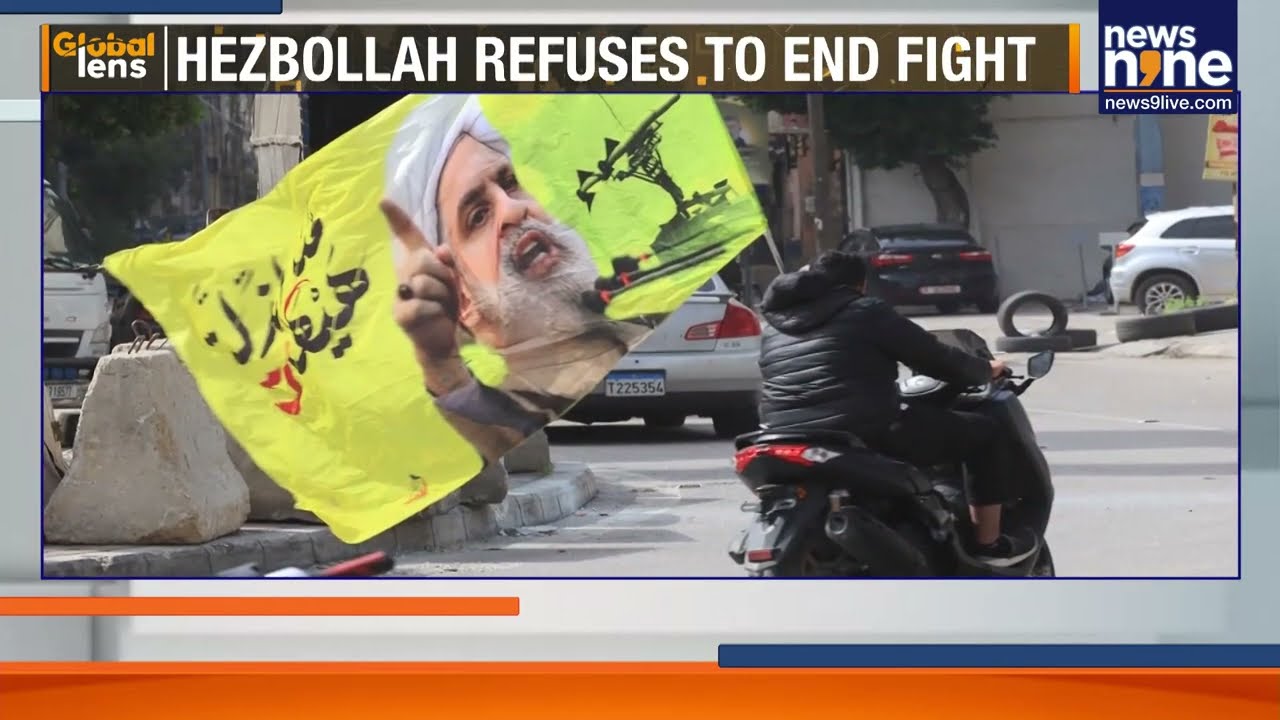
He is also expected to praise Netanyahu for his leadership during “a time of unimaginable trial” and to emphasize America’s unyielding support for Israel’s security, especially against Iranian aggression and Hezbollah’s renewed threats along the northern border.
Knesset officials have prepared for what one described as “an event of immense symbolic weight.” Members of the Israeli Cabinet, senior military officials, and foreign diplomats will pack the chamber. The address will be broadcast live across Israel and the United States, with analysts predicting it could rival Trump’s 2017 speech in Riyadh for global impact.
1:00 p.m. — Departure for Egypt
Following the Knesset address, Trump is scheduled to return to Ben Gurion Airport for a 1:00 p.m. departure aboard Air Force One, bound for Sharm el-Sheikh, the Egyptian resort city on the Red Sea that has become a traditional stage for major regional diplomacy.
While in flight, Trump is expected to confer with senior aides on the key agenda items for the upcoming Middle East Conference, including postwar reconstruction in Gaza, maritime security in the Red Sea, and new regional trade corridors linking Israel’s Arab neighbors.
White House insiders describe the Egypt leg as “the strategic fulcrum” of the trip — the point where high symbolism gives way to substantive negotiation.
2:30 p.m. — The Middle East Conference in Sharm el-Sheikh
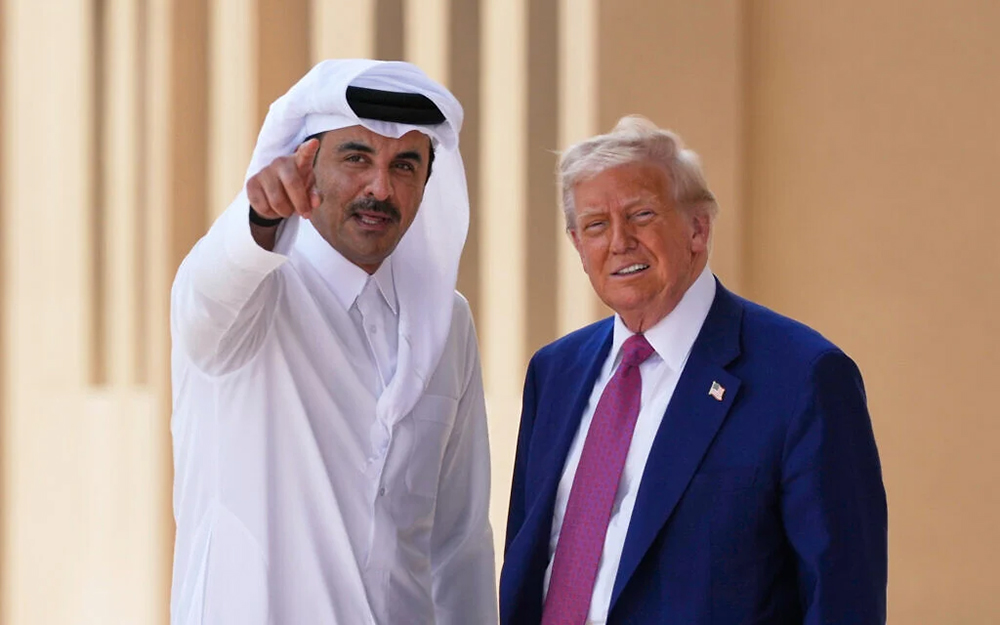
At 2:30 p.m., Trump will chair the Middle East Conference for Stability and Reconstruction, bringing together leaders from Britain, France, Germany, and key Arab Gulf states including the United Arab Emirates, Bahrain, and Saudi Arabia.
In a move already drawing attention, neither Iran nor Israel has been invited — a decision viewed as an effort to create an open forum for Arab and Western nations to discuss Gaza’s future without political tension.
“This format is deliberate,” said one senior U.S. official familiar with the planning. “We want to build consensus on reconstruction and security first. Israel’s role, and the question of direct engagement, will follow later.”
According to briefing notes obtained by reporters, Trump plans to call for the creation of an international coalition to rebuild Gaza under strict oversight mechanisms to prevent the diversion of aid to Hamas. He is also expected to urge expanded naval cooperation in the Red Sea to combat Iranian smuggling networks and to promote a new regional economic vision based on trade and energy integration.
“It will be a working session, not a photo op,” one diplomat said. “Trump intends to drive results, even if it means stepping on a few diplomatic toes.”
Observers expect the conference to echo the transactional but results-oriented diplomacy that characterized Trump’s earlier regional initiatives, such as the Abraham Accords, which normalized relations between Israel and several Arab nations.
5:00 p.m. — Return to Washington
By 5:00 p.m., Air Force One is scheduled to depart Sharm el-Sheikh, beginning its long return flight to Washington, D.C. after one of the most tightly compressed diplomatic missions in U.S. history.
The trip’s brevity belies its ambition. Within a single day, Trump aims to strengthen the U.S.–Israel alliance, project American leadership on regional reconstruction, and reassert Washington’s role as the primary broker of Middle East stability.
Back in Jerusalem, officials are already framing the visit as a milestone. “It’s not just another presidential tour,” one senior Israeli aide told reporters. “This is about signaling to the world that America’s commitment to Israel and regional peace is active, not symbolic.”
In Cairo and Riyadh, expectations are similarly high. Analysts say Trump’s presence at the Sharm summit could reignite momentum for renewed U.S.–Arab cooperation — particularly at a time when Iran’s influence is growing and China’s regional footprint is expanding.
A Day Measured in History, Not Hours
When the sun rises over Jerusalem on Monday, it will mark the beginning of a day that could reshape diplomatic alignments across the Middle East. For Trump, it represents both a test and a statement — proof that American power can still bend events to its will through sheer velocity and presence.
In less than ten hours, the President is poised to touch down in one of the world’s most combustible regions, meet the leaders of Israel and the Arab world, console families torn apart by war, and deliver a speech that could redefine America’s posture toward the Middle East for years to come.
As one Israeli commentator put it, “This won’t just be a visit. It will be a performance of power — one measured not in days or deals, but in the message it sends to the world: that when America moves, the world moves with it.”



