


















|
Getting your Trinity Audio player ready...
|
By: Carl Schwartzbaum – Jewish Voice News
President Donald Trump is reportedly poised to finalize a landmark defense agreement with Saudi Crown Prince Mohammed bin Salman (MBS) that would grant the kingdom access to American-made F-35 fighter jets, according to a report on Saturday by Israel National News. The multibillion-dollar deal, expected to be valued in the tens of billions, could dramatically reshape the strategic balance of power in the Middle East, while further advancing Trump’s renewed diplomatic push to expand the Abraham Accords.
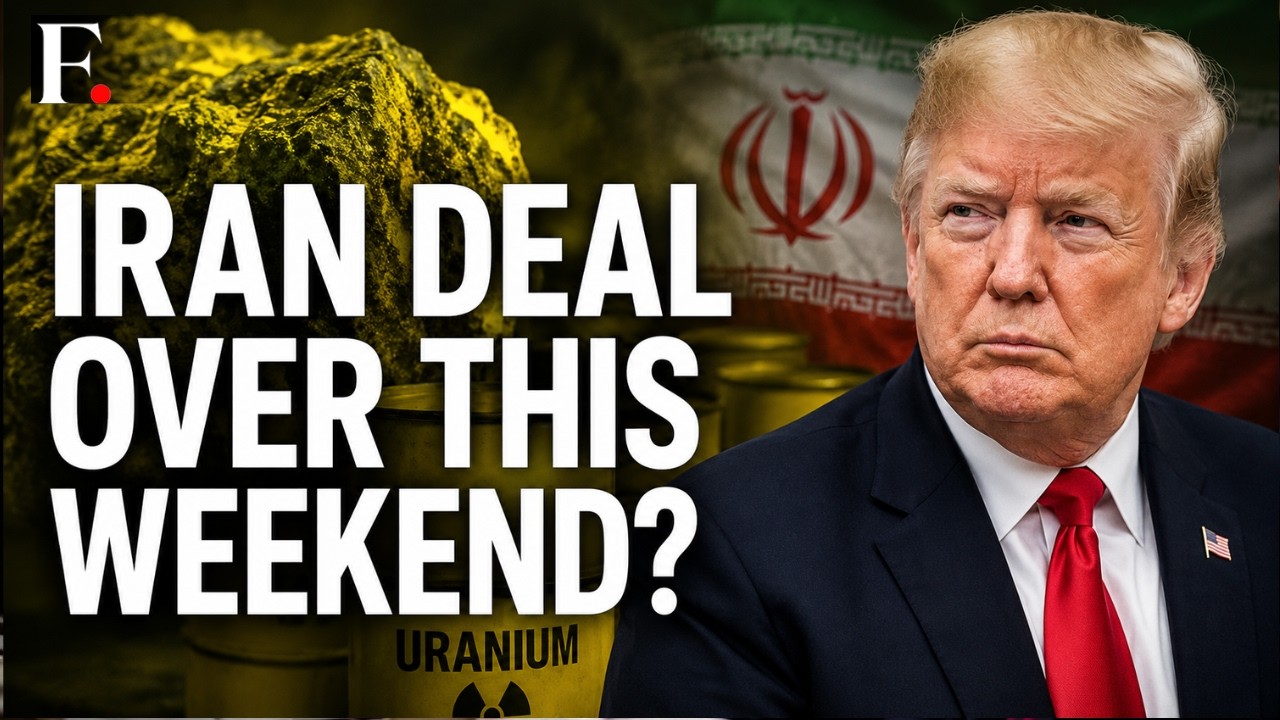
Speaking to reporters aboard Air Force One, Trump confirmed that discussions with the Saudi leadership were well underway. “They wanna buy a lot of jets,” Trump said. “I’m looking at that. They’ve asked me to look at it. They want to buy a lot of ‘35’—but they want to buy actually more than that, fighter jets. We have the best planes, the best missiles; you saw it when we destroyed Iran’s nuclear capability,” he added, referring to last month’s U.S.-led operation that dismantled Tehran’s uranium enrichment facilities.
As the Israel National News report noted, the proposed sale represents a continuation of Trump’s broader Middle East strategy — linking defense cooperation with regional normalization efforts, while simultaneously fortifying America’s alliances against Iranian aggression. The Saudi agreement, officials say, would serve as a critical step toward bringing Riyadh into the Abraham Accords, a cornerstone of Trump’s foreign policy achievements during both his previous term and his current presidency.
According to the information provided in the Israel National News report, the potential sale of the F-35 Lightning II, the most advanced fifth-generation stealth multirole fighter jet in the world, could mark a historic milestone in U.S.-Saudi relations. Although Washington has maintained an extensive defense relationship with Riyadh for decades — providing Patriot missile systems, precision munitions, and advanced radar technologies — the sale of the F-35 would elevate Saudi Arabia’s military capability to an unprecedented level.
The deal’s value is expected to reach tens of billions of dollars, with additional contracts likely to follow for maintenance, training, and logistical support. Pentagon officials estimate that a full-scale purchase, including associated weapons systems and infrastructure, could take several years to fulfill.
The Israel National News report emphasized that the F-35 deal could recalibrate the regional military balance, historically anchored by Israel’s exclusive access to the aircraft. Israel was the first country outside the United States to receive the F-35, introducing it into operational use in December 2017 under the Hebrew codename “Adir,” meaning “Mighty One.” The Israeli Air Force (IAF) has since integrated the stealth aircraft into its core defense architecture, employing it in reconnaissance missions and precision strikes across multiple theaters.
While Israel’s qualitative military edge (QME) remains a statutory requirement under U.S. law, the inclusion of another Middle Eastern country in the F-35 program has drawn scrutiny within defense circles. According to the report at Israel National News, senior U.S. and Israeli defense officials are reviewing security protocols to ensure that Israel’s technological and strategic superiority is maintained, even as Washington seeks to expand military cooperation with Arab partners.
Despite the diplomatic significance of the proposed agreement, Israel National News reported that the Pentagon has expressed reservations about the sale. The primary concern centers on Saudi Arabia’s deepening ties with China, including recent partnerships on telecommunications infrastructure, energy investments, and drone technology development.
Officials fear that the introduction of the F-35 — a platform containing some of the world’s most sophisticated stealth and radar-evading systems — could risk sensitive technological exposure to Beijing. “We have to be sure that no advanced military technology, especially related to avionics and radar signature management, is compromised,” one senior defense source told Israel National News.
Nonetheless, advocates of the deal argue that the move would anchor Saudi Arabia more firmly within the Western defense ecosystem, diminishing its reliance on Russian and Chinese suppliers. Trump himself has long touted the F-35 as a symbol of American ingenuity and industrial might, viewing its sale as both a diplomatic tool and a means to strengthen the U.S. economy through expanded production and export contracts.
According to the information contained in the Israel National News report, the F-35 discussions are taking place alongside intensive diplomatic efforts to bring Saudi Arabia into the Abraham Accords — the historic normalization framework initiated during Trump’s first term, which established formal ties between Israel and several Arab nations, including the United Arab Emirates, Bahrain, Morocco, and Sudan.
The Saudi Crown Prince is expected to visit the White House later this week to continue negotiations. Trump views the deal not only as a defense milestone but also as a gateway to formal diplomatic recognition between Riyadh and Jerusalem, a goal that has eluded successive U.S. administrations.
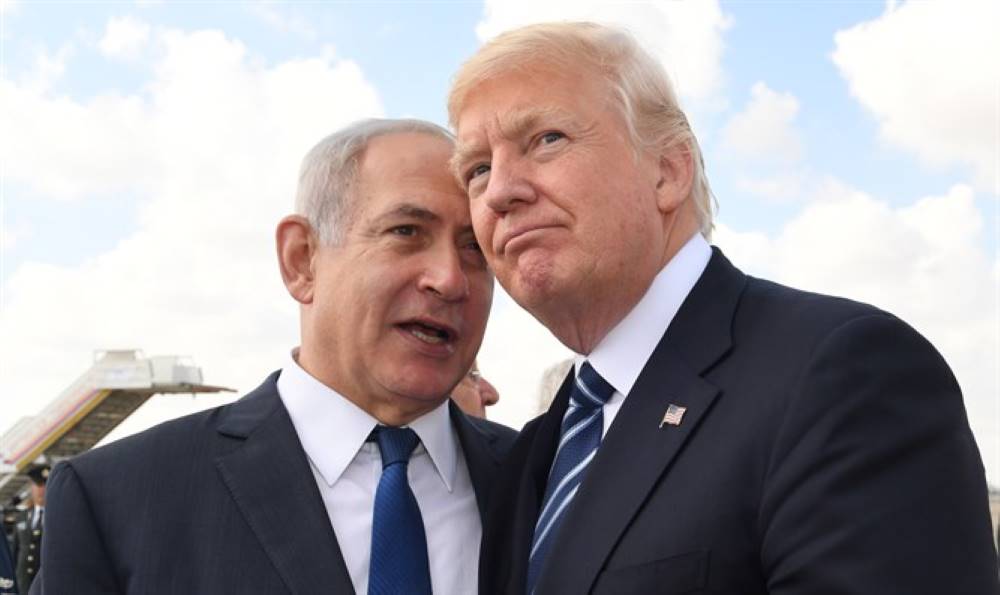
In his remarks aboard Air Force One, Trump highlighted the strategic logic behind the dual-track approach. “They [the Saudis] want to buy the best, and we want peace — real peace,” he said. “When countries work together, trade together, and defend one another, it builds trust. That’s what we’re doing.”
The report at Israel National News called attention to the fact that the timing of the Saudi outreach follows a dramatic geopolitical shift in the region. Since the destruction of Iran’s nuclear program, several Arab nations that had previously hesitated to align with Israel are now reportedly expressing interest in joining the normalization initiative.
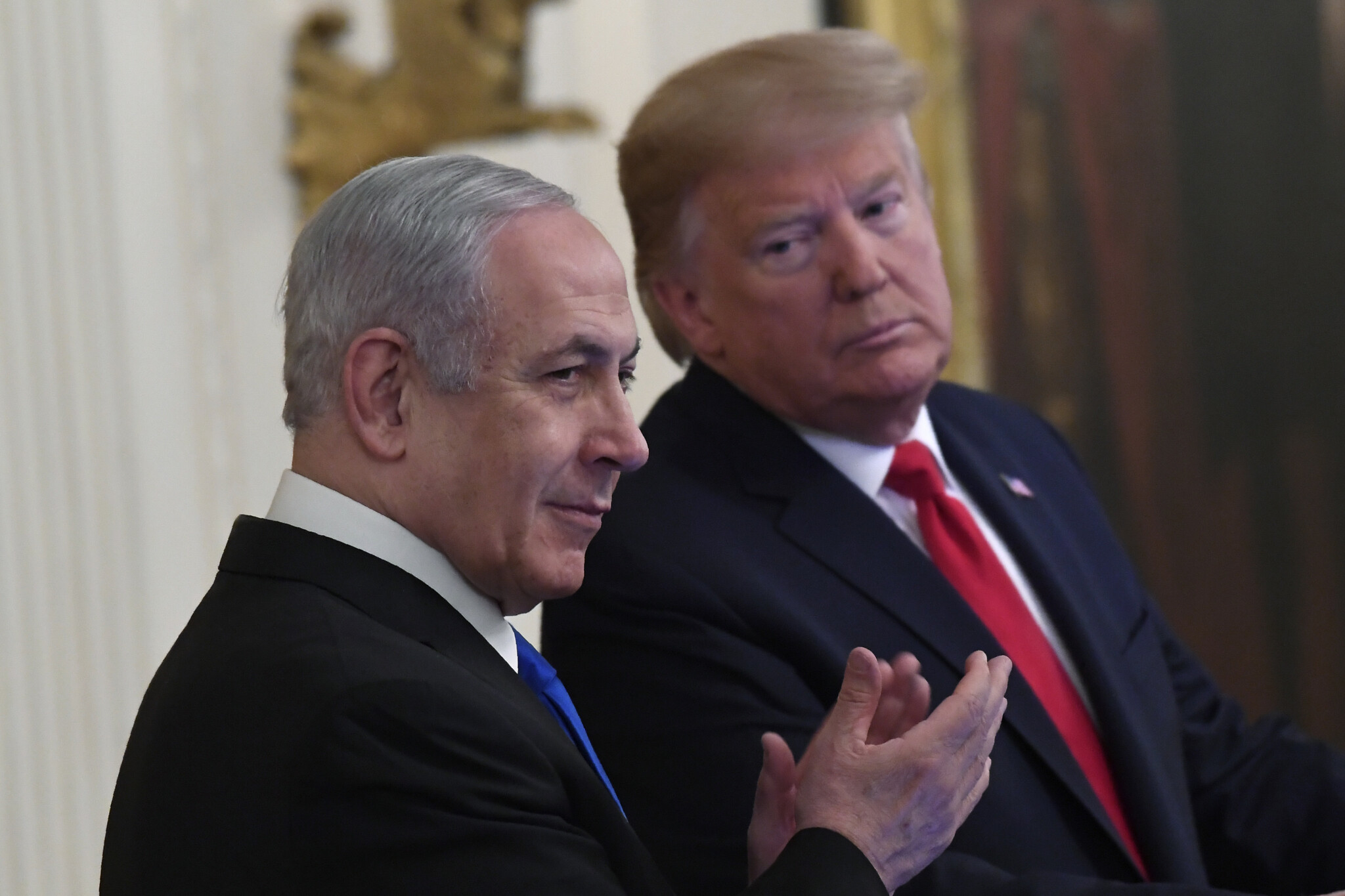
The diplomatic momentum continued over the weekend, when Trump announced that Kazakhstan had become the latest nation to join the Abraham Accords. The agreement was brokered through a trilateral call between Trump, Israeli Prime Minister Benjamin Netanyahu, and Kazakh President Kassym-Jomart Tokayev, as reported by Israel National News.
“Kazakhstan is the first country of my second term to join the Abraham Accords — the first of many,” Trump wrote on Truth Social following the call. “This is a major step forward in building bridges across the world. Today, more nations are lining up to embrace peace and prosperity through my Abraham Accords. We will soon announce a signing ceremony to make it official, and there are many more countries trying to join this club of STRENGTH. So much more to come in uniting countries for stability and growth — real progress, real results. BLESSED ARE THE PEACEMAKERS!”
The message served as both a diplomatic declaration and a reaffirmation of Trump’s central foreign policy vision: promoting regional cooperation through strength and shared economic opportunity.
In a subsequent post, Trump elaborated on the new wave of interest in normalization, writing, “We are in talks with many countries that wanted to join the Abraham Accords and could not do so because of Iran, which was the bully of the Middle East. Now that Iran’s nuclear capability has been eliminated, many want to join. We are in talks with the traditional potential members of the Abraham Accords.”
Among those reportedly in discussions are Oman, Indonesia, and Mauritania, with diplomatic sources suggesting that formal announcements could follow in early 2026.
As reported by Israel National News, the impending F-35 deal with Saudi Arabia could have far-reaching implications beyond military procurement. By granting Riyadh access to America’s most advanced stealth aircraft, the agreement would effectively elevate the kingdom’s defense posture to that of a top-tier regional power, rivalling Iran and aligning more closely with the United States and Israel.
Defense analysts cited by Israel National News said that the deal would also reinforce deterrence across the Gulf, ensuring that the post-Iran landscape remains stable and favorable to U.S. interests. The presence of U.S.-made F-35s in Saudi airbases would enable joint exercises, enhance regional interoperability, and provide an integrated air defense network extending from the Mediterranean to the Persian Gulf.
Critics within the defense establishment, however, continue to stress the need for stringent security safeguards. “Every sale of advanced weapons technology to the Middle East carries inherent risks,” one senior Israeli official told Israel National News, “but the strategic logic here is sound: a stronger, pro-Western Saudi Arabia helps preserve stability.”
As preparations advance for Crown Prince Mohammed bin Salman’s arrival in Washington, officials from both sides are finalizing the contours of what could become one of the most consequential defense agreements in recent history. According to the report at Israel National News, the White House views the forthcoming summit as a pivotal opportunity to formalize not only the F-35 contract but also Riyadh’s entry into the Abraham Accords framework, thereby cementing a new regional alignment built on shared security and economic cooperation.
For Trump, the deal would serve as both a geopolitical and symbolic triumph — reinforcing his legacy as the architect of a new Middle East order. The fusion of diplomacy, defense, and economic integration continues to define his administration’s foreign policy doctrine, one that prioritizes strength through partnership.
As the Israel National News report noted, the prospective F-35 sale encapsulates the dual objectives now guiding U.S. engagement in the region: securing peace through deterrence and expanding the circle of normalization. Should the agreement proceed as planned, it would mark a transformative moment — not only for U.S.-Saudi relations but for the broader strategic architecture of the Middle East in the post-Iran era.



