
































|
Getting your Trinity Audio player ready...
|
By: Benyamin Davidsons
It is no surprise that banks across the board are expected to report loses from borrowers who have been delinquent in payments on their bank cards or scholar loans due to the Coronavirus, the shutdown and resulting unemployment. That, however, is not even the worst part of it. As reported by Crain’s NY, Wall Street is being inundated with real estate problems which dwindle the problems with small loans. Hotel and retailer loans jumped to $21 billion at the end of May, up from less than $4 billion in March, as per Fitch Ratings. “The upcoming results will be confusing, sloppy and shocking,” said analyst Gerard Cassidy of RBC Capital Markets.
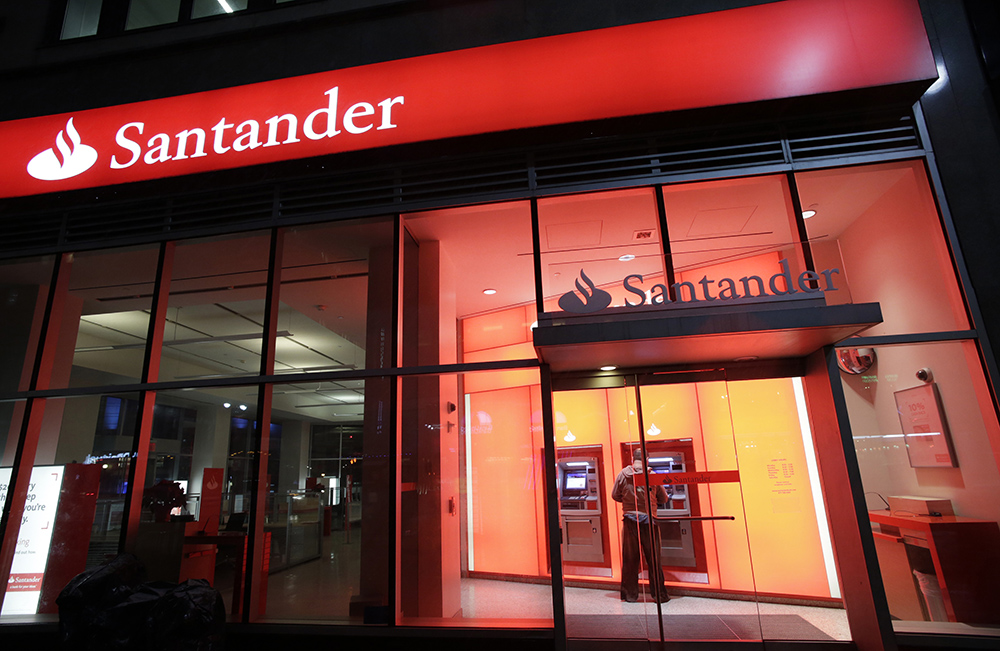
Commercial Real Estate is one of the biggest asset classes, making up 17% of all bank loans and accounting for a total of $5 trillion in debt. At M&T Bank, business actual property makes up 36% of loans. As a dire sign that trouble is brewing, on Thursday, Santander Bank’s parent said it would suspend its dividend payouts as the lender, with 50 branches across NYC, can no longer meet the expense of paying out checks to shareholders, after suffering a $127 million quarterly loss.
Banks are expected to present their second quarter results shortly, and it may be the worst quarter since the financial crisis. The first quarter of 2020, which had only contained a few weeks of the pandemic and shut down, was already dismal. Second-quarter earnings are anticipated to be much harsher, with close to four months of crisis, leading banks to use their reserves to offset scores of defaults. “Dark clouds are forming,” Evercore ISI analyst John Pancari warned in a recent report.
As per Crain’s, this week, JPMorgan, an industry barometer, will be the first bank to report its second quarter results. Keefe Bruyette &Woods analysts predict the banks earnings will decline almost 60%, primarily due to weakness in consumer and community banking, and that the banking giant will set aside $9.2 billion to offset loan losses. That’s roughly $1 billion more than in the first quarter.
At Wells Fargo, profits are expected to be almost completely obliterated. Mr. Cassidy of RBC Capital believes Wells Fargo will report a 99 percent decline in quarterly earnings, while Citigroup is slated to report a 75 percent decrease, and Bank of America a 62 percent drop. Cassidy thinks only one of the 18 biggest banks will report growth in earnings — State Street, which does not make any loans but rather acts as a back office for other institutions.
If the dire predictions regarding the banks’ earning come true, banks will likely be forced to slash costs by any means necessary including cutting their work force. “2020 will be a challenging year for banks to control operating expenses,” Cassidy said.



