




















|
Getting your Trinity Audio player ready...
|
By: Fern Sidman
Mounting apprehension swept through Jerusalem and conservative political circles in Washington on Saturday after President Donald Trump signaled that the United States may be nearing a sweeping diplomatic agreement with Iran, a development that immediately triggered fears in Israel that Tehran could emerge from the negotiations strategically strengthened rather than weakened.
As was reported by World Israel News, President Trump announced that an agreement with the Islamic Republic had been “largely negotiated,” with final details expected to be unveiled shortly following a series of high-level regional consultations and a direct conversation with Israeli Prime Minister Benjamin Netanyahu.
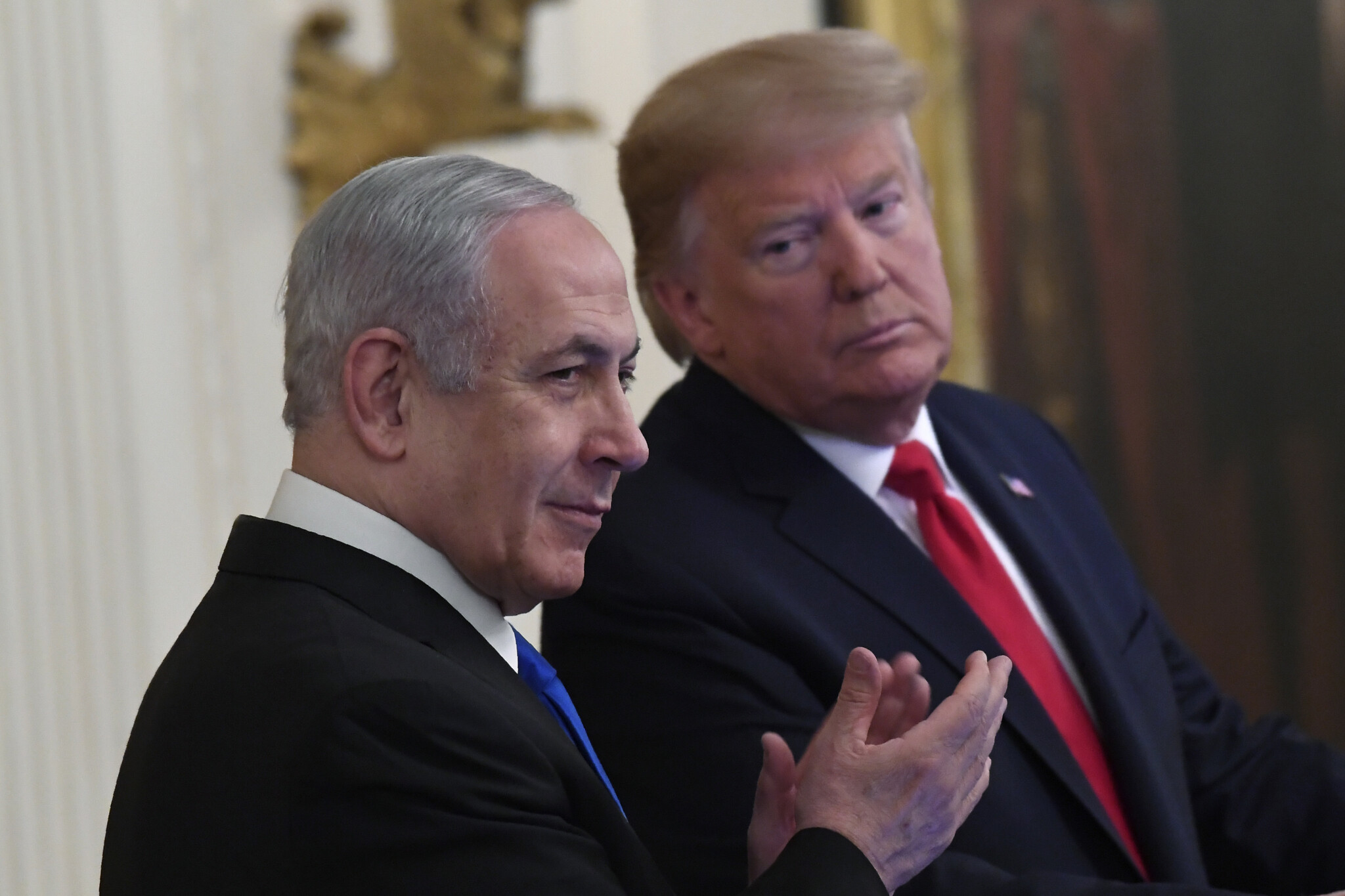
While Trump publicly characterized the discussion with Netanyahu as having gone “very well,” reports emerging from both Israeli and American media outlets suggested that significant tensions continue simmering beneath the diplomatic surface, particularly regarding the future of Iran’s nuclear infrastructure and the long-term balance of power across the Middle East.
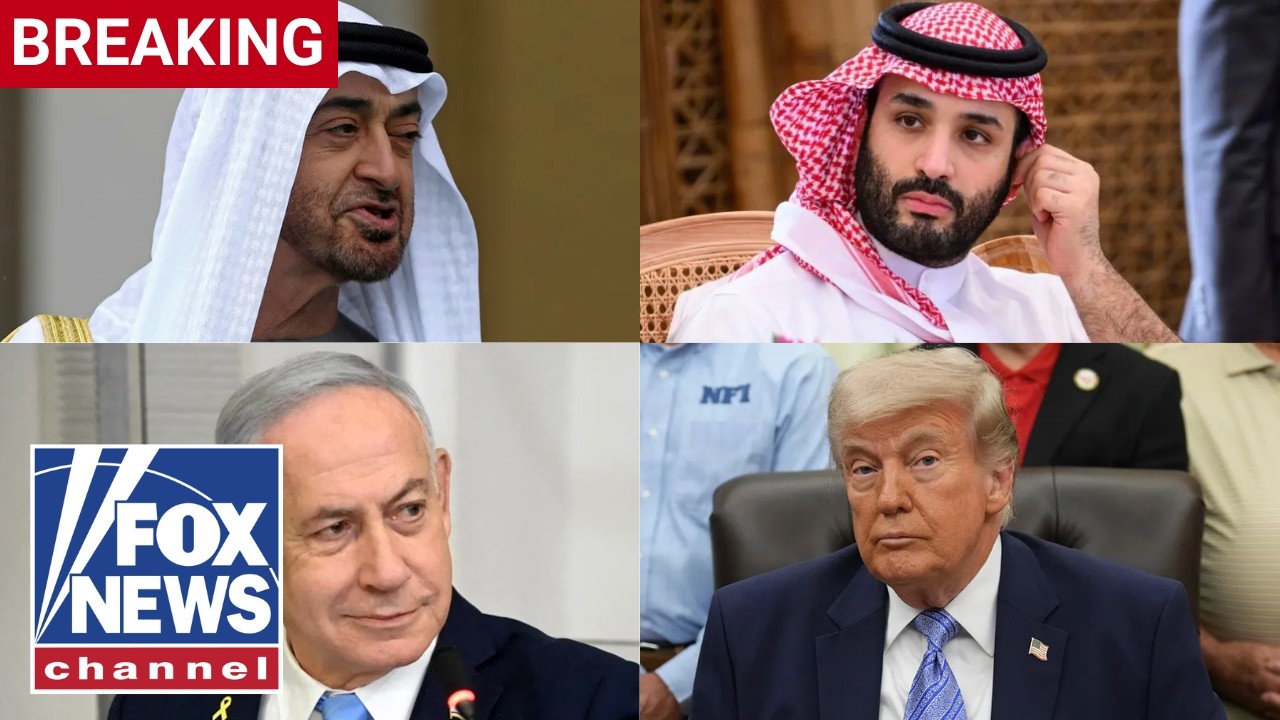
In a lengthy Truth Social statement issued Saturday, Trump described an extraordinary series of conversations with regional leaders from Saudi Arabia, the United Arab Emirates, Qatar, Pakistan, Türkiye, Egypt, Jordan, and Bahrain concerning what he referred to as “all things related to a Memorandum of Understanding pertaining to PEACE.”
“I am in the Oval Office at the White House where we just had a very good call with President Mohammed bin Salman Al Saud, of Saudi Arabia, Mohammed bin Zayed Al Nahyan, of The United Arab Emirates, Emir Tamim bin Hamad bin Khalifa Al Thani, Prime Minister Mohammed bin Abdulrahman bin Jassim bin Jaber Al Thani, and Minister Ali al-Thawadi, of Qatar, Field Marshal Syed Asim Munir Ahmed Shah, of Pakistan, President Recep Tayyip Erdoğan, of Türkiye, President Abdel Fattah El-Sisi, of Egypt, King Abdullah II, of Jordan, and King Hamad bin Isa Al Khalifa, of Bahrain, concerning the Islamic Republic of Iran,” Trump wrote.
The president continued by declaring that “an Agreement has been largely negotiated, subject to finalization between the United States of America, the Islamic Republic of Iran, and the various other Countries, as listed.”
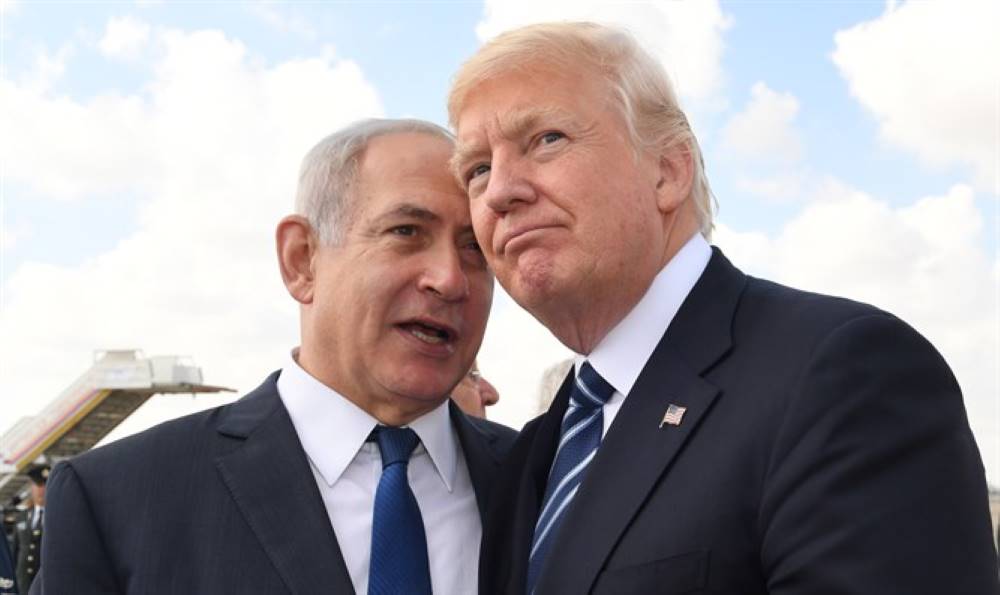
Trump further noted, “Separately, I had a call with Prime Minister Bibi Netanyahu, of Israel, which, likewise, went very well. Final aspects and details of the Deal are currently being discussed, and will be announced shortly. In addition to many other elements of the Agreement, the Strait of Hormuz will be opened.”
That final reference to the Strait of Hormuz immediately drew enormous international attention. The strategic maritime corridor, through which a substantial percentage of the world’s oil supply travels, has become one of the central pressure points in the escalating confrontation between Iran and the West.
Yet according to the World Israel News report, Israeli officials were far less reassured by Trump’s optimistic tone than the White House appeared eager to project publicly.
Reports indicated that Prime Minister Netanyahu convened urgent consultations with coalition leaders and senior defense officials shortly after preliminary details concerning the emerging framework began circulating.
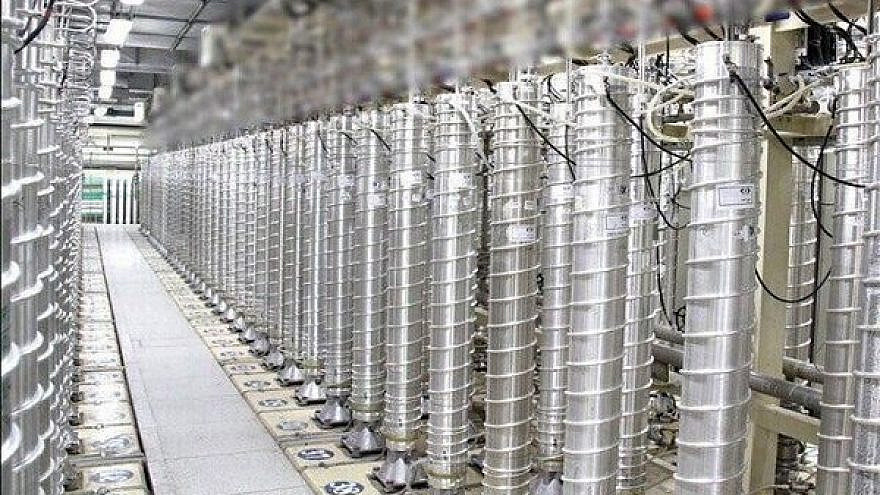
Israeli officials reportedly fear that the proposed arrangement could ultimately preserve key elements of Iran’s nuclear capabilities while simultaneously granting Tehran economic relief through sanctions easing and the thawing of frozen Iranian assets abroad.
For Jerusalem, the omission of any explicit commitment to dismantling Iran’s nuclear infrastructure represented perhaps the most alarming aspect of Trump’s announcement.
Trump’s statement emphasized reopening the Strait of Hormuz and ending the present confrontation, but notably avoided direct references to eliminating Iran’s uranium enrichment program or removing Tehran’s stockpile of highly enriched uranium — two issues long viewed by Israel as absolutely non-negotiable.
That silence immediately fueled profound skepticism among pro-Israel Republicans and longtime Iran hawks throughout Washington.
Israel National News reported that Senator Lindsey Graham, one of Trump’s closest allies in the Senate and among the Republican Party’s most forceful advocates for Israel, issued a deeply cautionary statement regarding the emerging agreement.
“If a deal is struck to end the Iranian conflict because it is believed that the Strait of Hormuz cannot be protected from Iranian terrorism and Iran still possesses the capability to destroy major Gulf oil infrastructure, then Iran will be perceived as being a dominate force requiring a diplomatic solution,” Graham warned.
The South Carolina senator continued with an even darker assessment of the potential geopolitical consequences.
“This combination of Iran being perceived as having the ability to terrorize the Strait in perpetuity and the ability the inflict massive damage to Gulf oil infrastructure is a major shift of the balance of power in the region and over time will be a nightmare for Israel,” Graham stated.
He added, “Also, it makes one wonder why the war started to begin with if these perceptions are accurate. I personally am a skeptic of the idea that Iran cannot be denied the ability to terrorize the Strait and the region cannot protect itself against Iranian military capability. It is important we get this right.”
Graham’s remarks reflected a broader anxiety among many Republicans who increasingly fear that the Trump administration may ultimately settle for a temporary diplomatic arrangement rather than forcing the complete dismantlement of Iran’s nuclear program.
As the reports observed, these concerns stem in large part from lingering scars associated with the 2015 nuclear agreement negotiated during the Obama administration, a deal Republicans overwhelmingly denounced as catastrophically dangerous for both Israel and American national security.
At the time, conservatives argued that sanctions relief merely empowered Tehran economically while enabling the Islamic Republic to continue advancing toward eventual nuclear weapons capability.
Now, Israeli officials fear that history may once again be repeating itself.
Israel National News also reported that former Israeli Defense Minister and Yisrael Beiteinu chairman Avigdor Lieberman delivered an extraordinarily blunt condemnation of the emerging framework.
“Any deal leaves all the ayatollahs in power,” Lieberman declared. “And one must understand, regarding producing an atomic bomb, any advanced country today can produce one. For example, Germany and Japan. That is a political decision. Maybe it will take them a month and a half, maximum three months.”
Lieberman emphasized that the true danger lies not merely in technological capability, but in the ideological nature of Iran’s ruling regime.
“There is all the technological infrastructure, all the knowledge, available manpower,” Lieberman said. “No one is concerned, neither Japan nor Germany, because there there is a responsible measured elected leadership.”
“In Iran, on the contrary,” he continued, “there is a fanatic leadership that says its supreme goal is the destruction of the State of Israel, and it does not matter what kind of deal it is.”
Lieberman’s comments reflected a deeply entrenched Israeli security doctrine that views the Islamic Republic’s ideological extremism — rather than merely its military capabilities — as the central existential threat confronting the Jewish state.
The former defense minister also used the opportunity to sharpen his domestic political positioning, declaring, “I have two objectives: to bring down the October 7 government and to be prime minister.”
He further clarified that any future coalition arrangement under his leadership would require sweeping changes to Israel’s military conscription policies.
“There will not be a single exemption,” Lieberman stated regarding his proposed equal-conscription legislation.
Meanwhile, additional reports suggested that negotiations between Washington and Tehran may be advancing rapidly.
The Financial Times reported that the United States and Iran are nearing a framework that would extend the current ceasefire arrangement by an additional 60 days.
According to that report, the draft agreement would include a gradual reopening of the Strait of Hormuz as well as commitments to discuss either the dilution or removal of Iran’s enriched uranium stockpiles.
The proposed arrangement would reportedly also include American concessions involving the easing of sanctions, reduced restrictions on Iranian ports, and the gradual thawing of Iranian assets held abroad.
Several sources involved in the negotiations told the Associated Press that both sides hope a final decision regarding the draft memorandum could be reached within 48 hours.
Iranian officials have likewise begun signaling publicly that negotiations may be approaching a decisive stage.
Iranian Foreign Ministry spokesman Esmail Bakayi told Iranian media outlets, “We are in the final stages of drafting a memorandum of understanding to end the war.”
Bakayi added that current discussions are primarily focused on ending hostilities and addressing matters involving the release of Iran’s frozen financial assets.
Notably absent from many of the public discussions, however, has been any clear indication that Tehran is prepared to permanently abandon uranium enrichment or fully dismantle the infrastructure necessary for future nuclear weapons development.
That omission continues to terrify Israeli officials, many of whom believe any agreement allowing Iran to preserve nuclear latency effectively guarantees a future confrontation.
Inside Israel’s security establishment, fears are reportedly intensifying that a partially negotiated settlement could leave the Islamic Republic economically revitalized while preserving the core elements of its strategic military ambitions.
The prospect of sanctions relief particularly alarms Israeli policymakers who believe Tehran would likely funnel renewed financial resources toward proxy organizations including Hezbollah, Hamas, Palestinian Islamic Jihad, and the Houthis.
At the same time, many analysts note that Gulf Arab states appear increasingly eager to avoid a prolonged regional war that threatens economic stability, global energy markets, and critical shipping lanes.
That reality may explain why several Sunni Arab governments appear to be encouraging Washington toward a negotiated resolution rather than military escalation.
Still, for many in Jerusalem, the core issue remains unchanged.
Israeli officials continue insisting that any agreement which leaves the Islamic Republic with enrichment capability, advanced centrifuge infrastructure, or the technological means to rapidly weaponize nuclear material would ultimately constitute a strategic failure regardless of short-term diplomatic gains.
As uncertainty surrounding the negotiations deepens, the widening gap between Washington’s apparent willingness to pursue compromise and Jerusalem’s insistence on permanent nuclear dismantlement may soon emerge as one of the most consequential fault lines in the US-Israel alliance since the Obama era.
Whether Trump ultimately delivers a historic diplomatic breakthrough or a framework viewed by critics as dangerously insufficient may determine not only the future of Iran’s nuclear ambitions, but the strategic architecture of the Middle East for decades to come.



