



























|
Getting your Trinity Audio player ready...
|
(TJV NEWS) The United Nations Food and Agriculture Organization (FAO) is warning that the world may have only a limited window to prevent a major global food price crisis as disruptions tied to instability in the Strait of Hormuz threaten fertilizer supplies, shipping networks, and agricultural production worldwide.
According to Politico Europe, the FAO warned that continued disruption of maritime traffic through the strategically critical Strait of Hormuz could trigger a severe global spike in food prices within the next six to twelve months. The agency reportedly fears that soaring fertilizer costs and energy market instability could cascade into a broader agricultural shock affecting food systems across multiple continents.
The FAO warning reflects growing international concern that the Middle East conflict may soon hit consumers not only through energy prices — but also through sharply rising grocery costs.
FAO Warns Fertilizer Supplies Are Under Threat
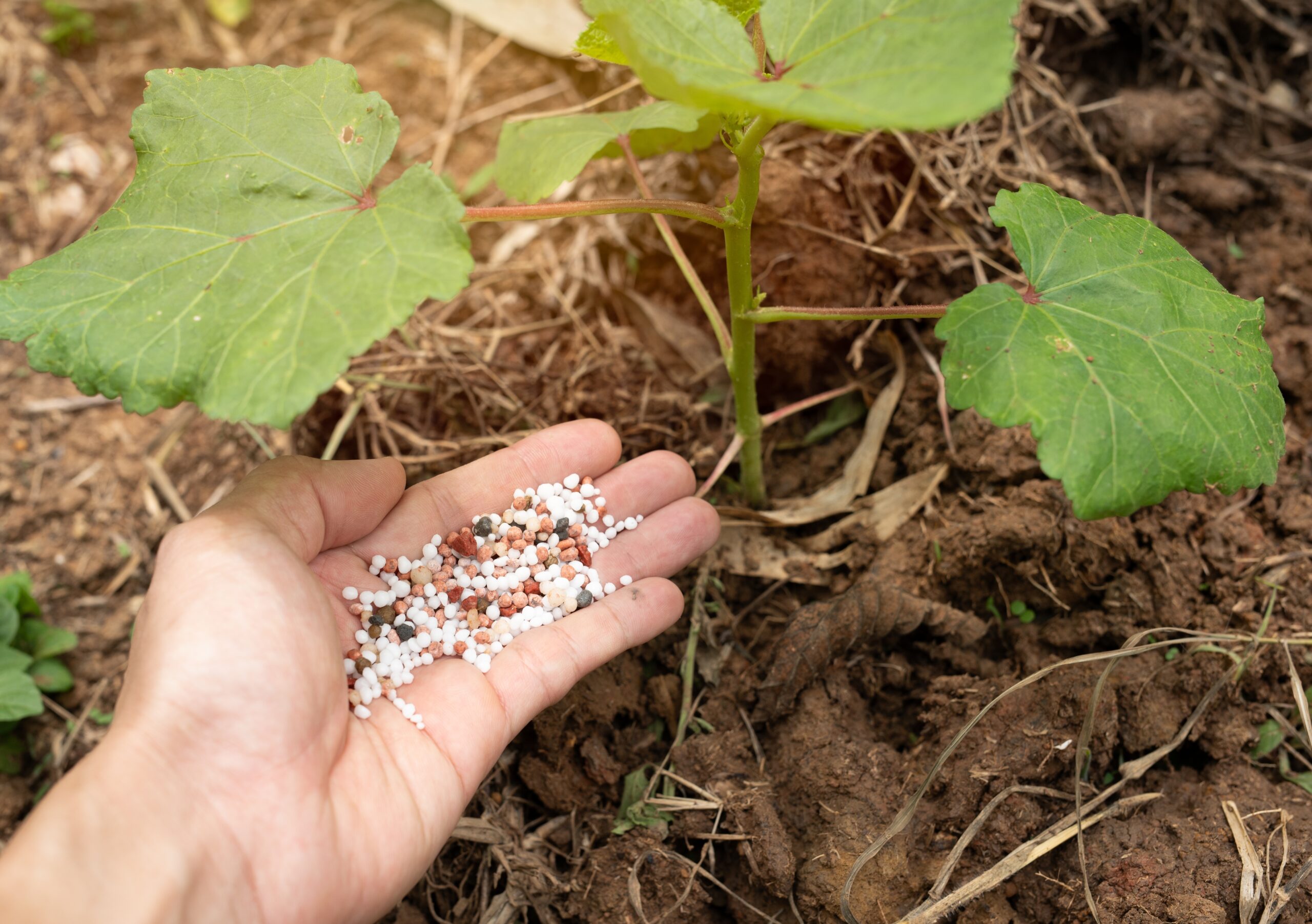
The UN Food and Agriculture Organization specifically highlighted fertilizer supply chains as one of the biggest emerging risks connected to the Hormuz crisis.
Large volumes of ammonia, urea, natural gas feedstocks, and other fertilizer-related products pass through the Strait of Hormuz, making the waterway essential to global agricultural production.
Reuters separately reported that the FAO warned a prolonged Hormuz disruption could trigger a “systemic agrifood shock” capable of worsening food insecurity and driving major inflation in agricultural markets worldwide. (reuters.com)
The agency reportedly fears that fertilizer shortages could significantly reduce crop yields in coming planting seasons if supply disruptions continue.
Europe Already Seeing Fertilizer Price Spikes
The impact is already beginning to appear in Europe.
Reuters reported this week that the European Union is considering additional emergency support for farmers after fertilizer prices surged due to market instability tied to the Iran conflict and Hormuz shipping concerns. (reuters.com)
The Financial Times similarly reported that European officials are discussing contingency plans and emergency fertilizer measures amid fears of supply shortages and rising production costs. (ft.com)
Agricultural economists warn that fertilizer costs directly influence global food prices because modern farming operations remain heavily dependent on nitrogen-based fertilizers produced using natural gas.
Why the Strait of Hormuz Matters
The Strait of Hormuz is one of the world’s most important maritime chokepoints, handling roughly one-fifth of global oil and liquefied natural gas shipments.
But experts increasingly warn the food consequences of disruptions there may become just as dangerous as the energy impacts.
Higher oil and natural gas prices increase transportation and fertilizer costs simultaneously, creating a chain reaction throughout global agriculture and food distribution systems.
According to experts cited in broader analyses surrounding the Hormuz crisis, lower-income countries may face the most severe consequences because they are less able to absorb rising fertilizer and food import costs. (democracynow.org)
Food Inflation Could Spread Worldwide
Agricultural analysts warn the consequences may eventually reach supermarkets and consumers around the globe.
Higher fertilizer prices typically translate into lower crop production, higher operational costs for farmers, and rising prices for staples including wheat, rice, vegetables, meat, dairy products, and bread.
The Times of London reported that British officials are already discussing possible emergency measures involving supermarkets amid fears that global food inflation could intensify later this year. (thetimes.com)
Shipping disruptions are also increasing transportation costs as vessels reroute away from unstable areas near the Persian Gulf.
FAO Warning Signals Broader Economic Danger
The FAO warning highlighted by Politico underscores how deeply interconnected global food and energy systems have become.
While many consumers focus primarily on gasoline prices during Middle East conflicts, agricultural experts warn fertilizer disruptions can produce longer-lasting economic damage by affecting entire planting cycles and harvest seasons.
Some analysts now fear a prolonged Hormuz crisis could create a “perfect storm” involving food inflation, supply shortages, and worsening global hunger.
The UN Food and Agriculture Organization’s warning suggests the next several months may prove critical in determining whether governments and global markets can stabilize supply chains before a broader food crisis takes hold.



