













|
Getting your Trinity Audio player ready...
|
For months, the political class, the cable-news establishment, foreign policy ideologues, and self-anointed geopolitical “experts” have saturated the public sphere with a cacophony of speculation surrounding the possibility of a new United States-Iran agreement. Predictably, much of the commentary has been driven less by sober strategic analysis and more by reflexive partisanship, ideological rigidity, and political opportunism.
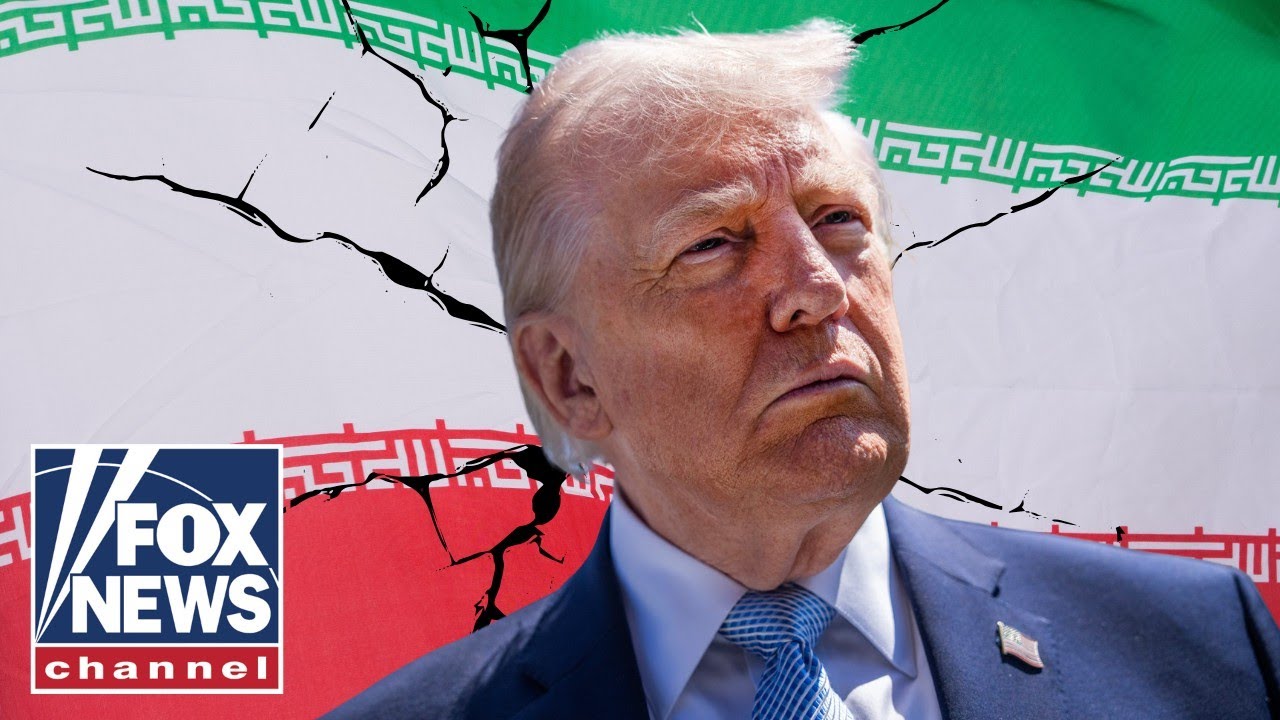
Yet beneath the noise, beneath the endless panels and hysterical social media pronouncements, a far more consequential reality appears to be taking shape: President Donald Trump may be on the verge of securing a geopolitical arrangement that simultaneously avoids a catastrophic regional war, weakens Iran’s nuclear ambitions, stabilizes global energy markets, protects Israel from immediate escalation, and reasserts American leverage in the Middle East without plunging the United States into another endless military quagmire.
If even half of the reported framework ultimately proves accurate, then the political and strategic implications will reverberate far beyond Washington. The proposed arrangement would represent not merely another diplomatic memorandum, but a profound recalibration of power across the Middle East and the global economic order.
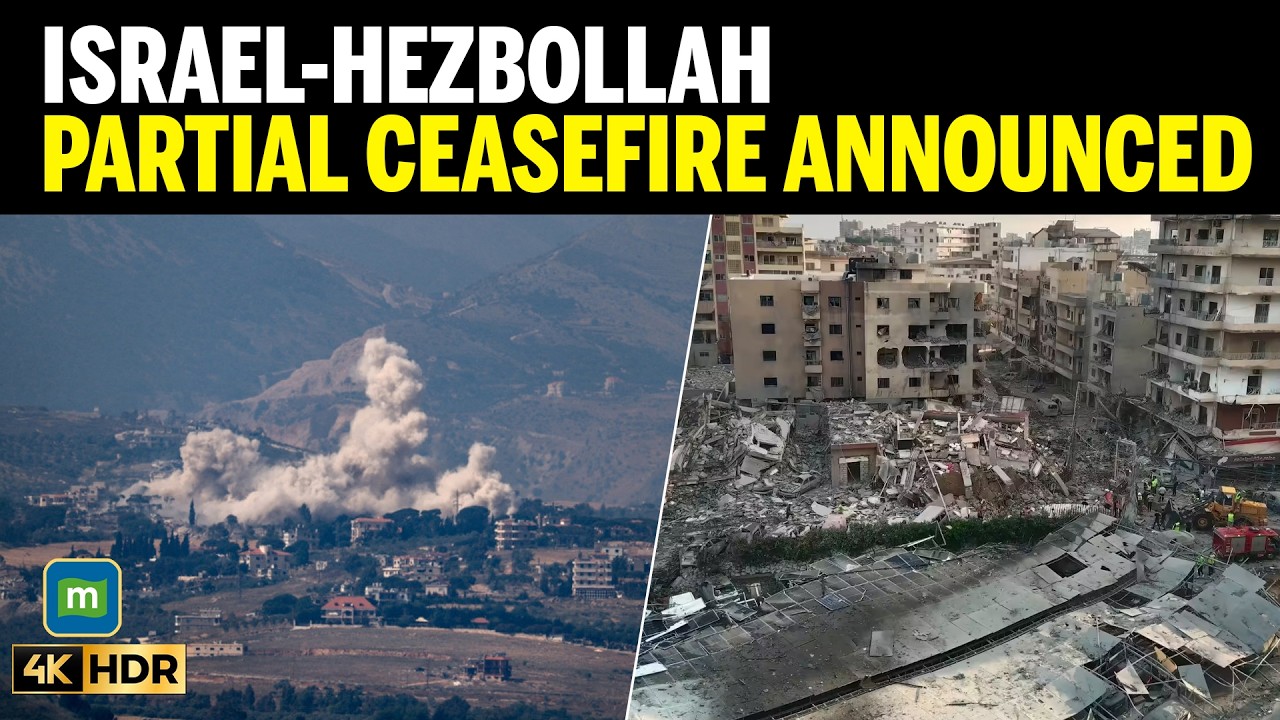
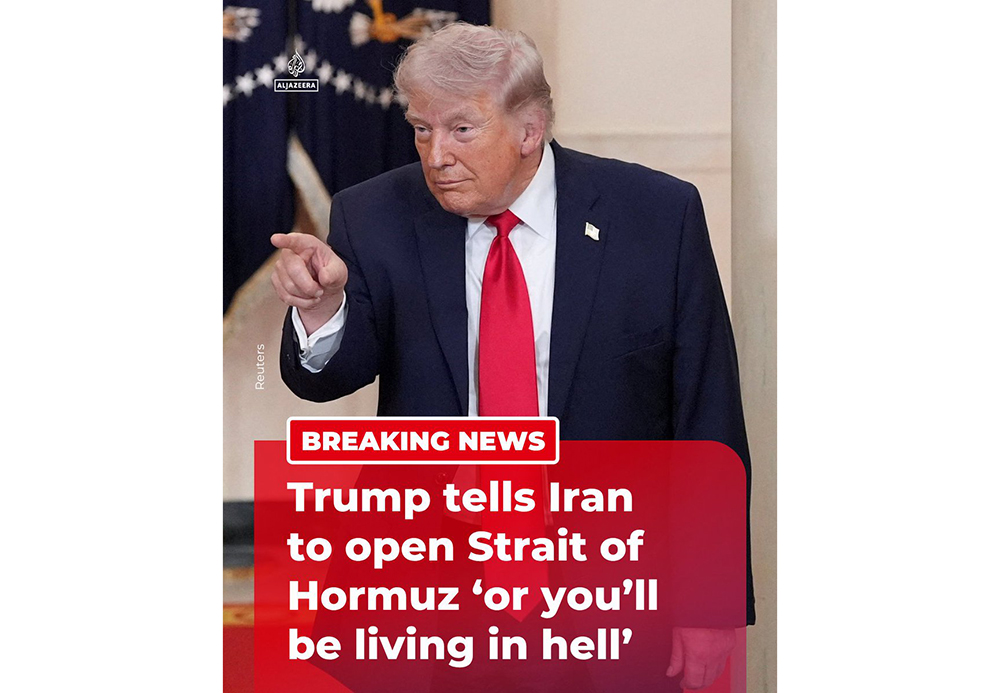
According to circulating reports, Iran has allegedly agreed to surrender its stockpile of highly enriched uranium — approximately 400 kilograms, enough material for an estimated 11 nuclear devices if further refined. In exchange, the United States would begin a phased unfreezing of between $6 billion and $30 billion in Iranian funds. The Strait of Hormuz would reopen fully, with Iran reportedly agreeing to eliminate exorbitant shipping tolls that had reached nearly $2 million per vessel. Certain sanctions would be eased under tightly controlled conditions. Hostilities involving Lebanon would cease. American forces near Iran would begin withdrawing. And both sides would have between 30 and 60 days to finalize the broader nuclear arrangement.
Naturally, critics immediately erupted.
The same voices who spent years insisting President Trump was reckless for confronting Iran are now condemning him for potentially negotiating with Iran. The same political establishment that applauded the catastrophically flawed Obama nuclear agreement is suddenly pretending to be guardians of strategic purity. Meanwhile, elements of the ideological right appear furious that Trump may deny them the regime-change fantasy they have promoted for years.
But statecraft is not ideological performance art. It is the management of reality.
And reality matters.
The first and perhaps most immediate beneficiaries of such a framework would be the American people themselves. For all the moral rhetoric surrounding foreign policy, ordinary citizens experience global conflict through economic consequences. They see it at the gas pump, in grocery stores, through inflationary pressures, shipping disruptions, and retirement portfolios battered by uncertainty.
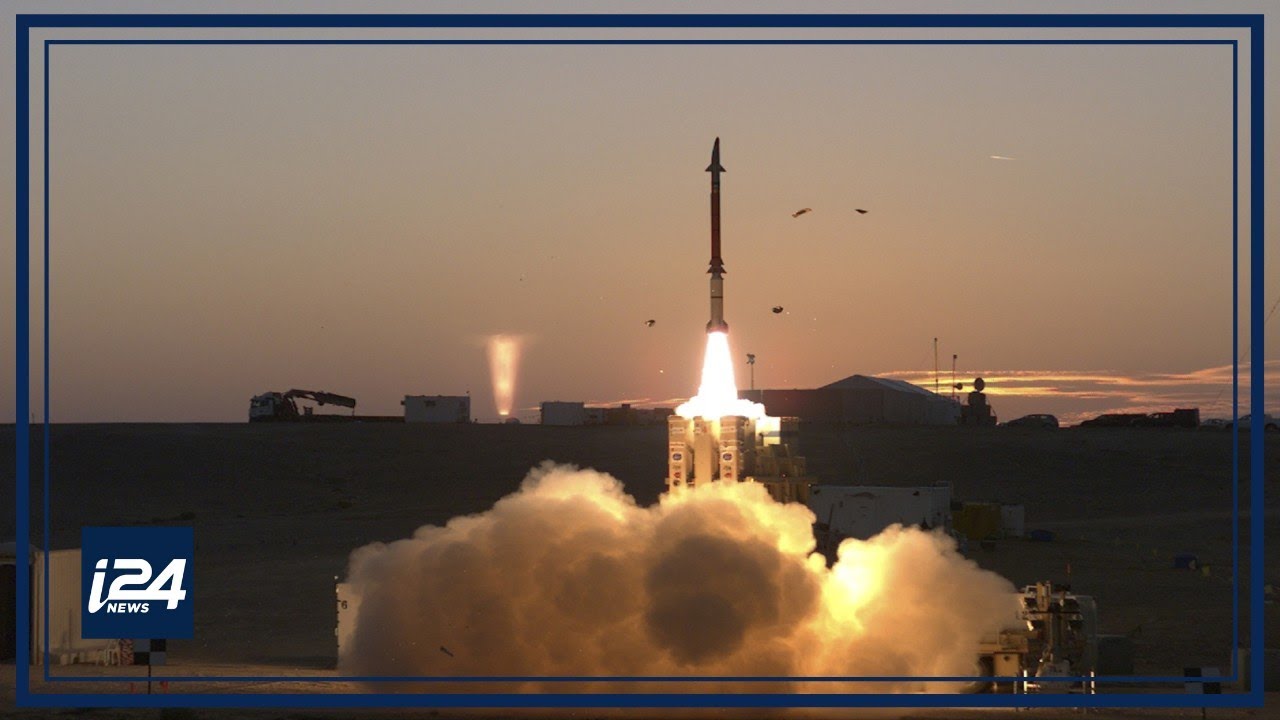
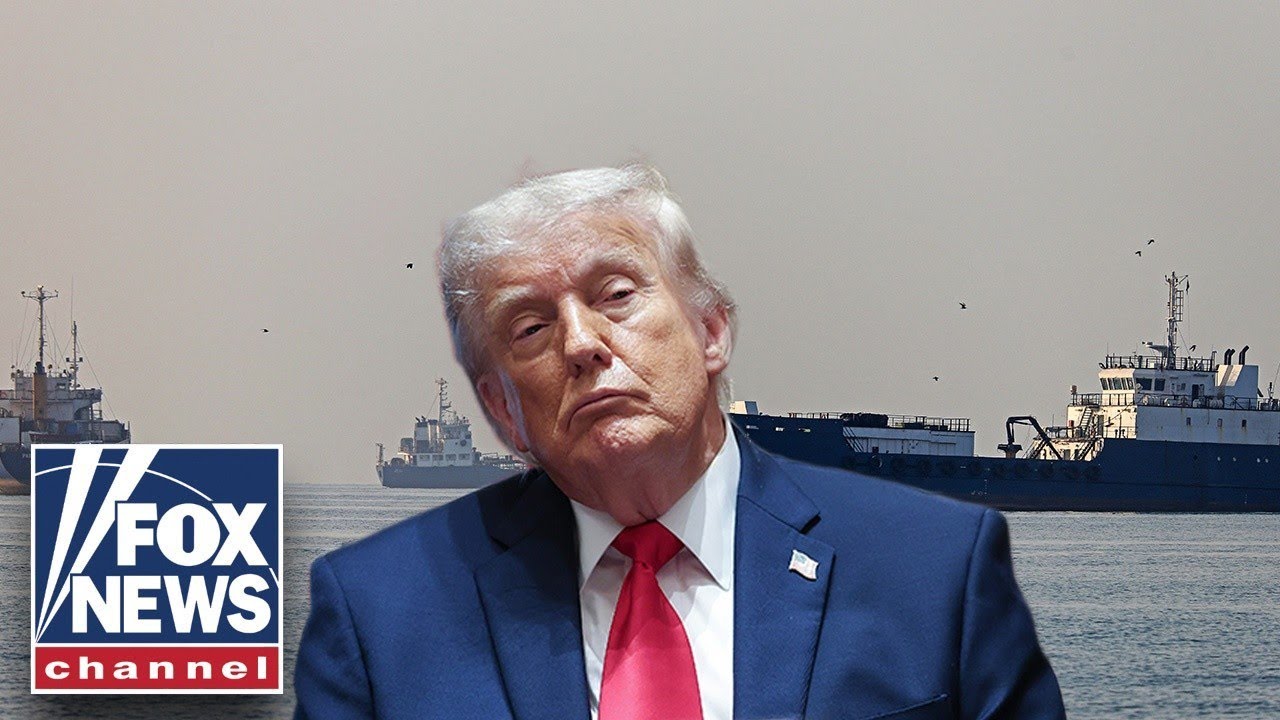
A stabilized Strait of Hormuz alone could dramatically reduce energy volatility. Nearly 20 percent of the world’s oil supply traverses that narrow maritime corridor. Every threat emanating from Tehran sends tremors through international markets. Every missile launch, every tanker seizure, every escalation instantly affects global pricing structures.
Should Trump successfully reopen the Strait while neutralizing immediate threats to shipping lanes, the economic ramifications could be enormous. Oil prices would likely decline. Insurance premiums for global shipping companies could fall sharply. Inflationary pressure throughout Western economies could ease. Financial markets, exhausted by years of geopolitical instability, would almost certainly surge.
That is why global markets themselves may emerge among the biggest winners of any finalized agreement.
Wall Street understands what partisan commentators often refuse to acknowledge: stability carries value. Investors crave predictability. Corporations crave continuity. Energy markets crave calm. A reduction in Middle Eastern volatility, especially one achieved without a prolonged regional war, would provide precisely that.
And then there is President Trump himself.
Love him or despise him, one characteristic has consistently distinguished Trump from nearly every modern American politician: strategic fluidity. He does not operate according to rigid ideological orthodoxy. He recalibrates constantly. Sometimes that unpredictability infuriates allies and adversaries alike. Yet it also creates leverage.
Trump threatened overwhelming force against Iran while simultaneously leaving the door open to negotiation. He projected military strength while maintaining economic pressure. He avoided committing American ground troops to another generational Middle Eastern conflict while convincing Tehran that military escalation remained entirely plausible.
That combination matters.
Unlike the Obama administration, which critics argued front-loaded concessions while granting Iran vast financial relief without permanently dismantling its nuclear capabilities, Trump appears determined to secure visible, measurable concessions before sanctions relief expands meaningfully.
That distinction is central.
Obama’s 2015 agreement was widely criticized because it offered Tehran enormous financial breathing room while leaving much of the nuclear infrastructure fundamentally intact. Critics argued it postponed rather than eliminated the threat.
The current reported framework, by contrast, centers first and foremost on the surrender of enriched uranium stockpiles. If enforced properly, that changes the strategic equation considerably.
And yet the agreement’s complexities also reveal why several constituencies remain deeply uneasy.
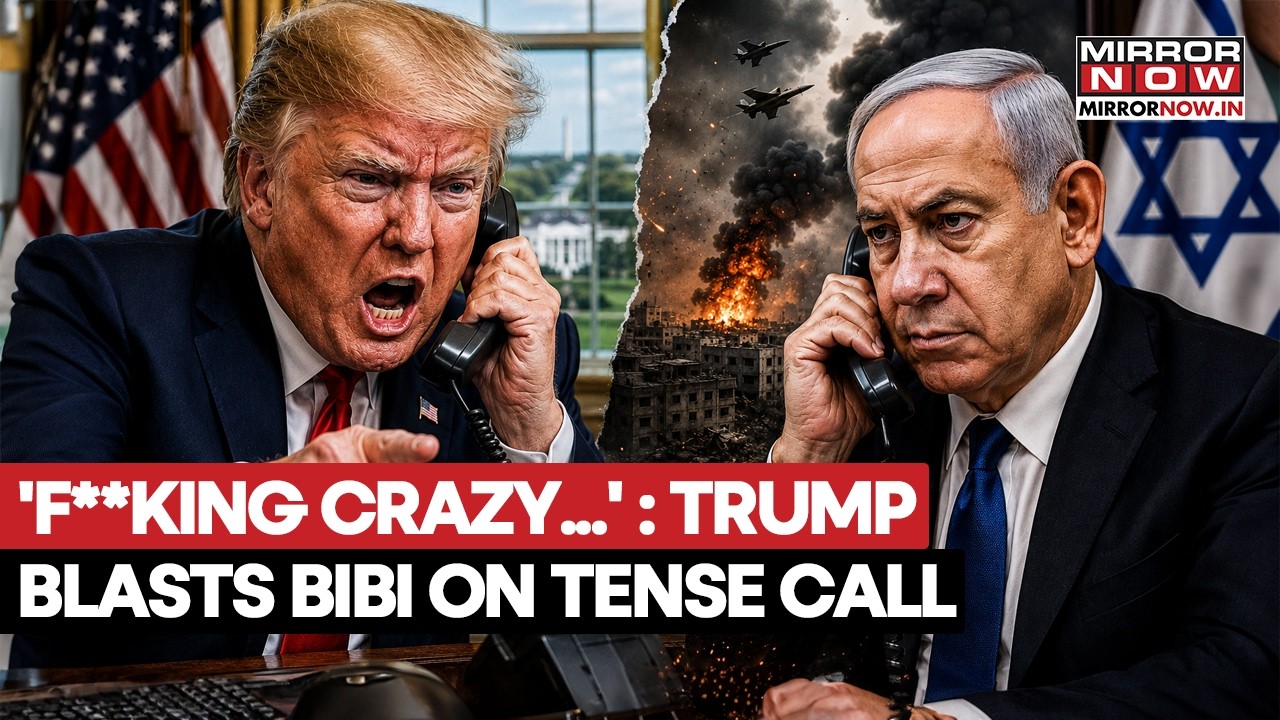
Israeli Prime Minister Benjamin Netanyahu reportedly hoped for something far more transformational — namely regime destabilization or even outright collapse within the Iranian system. From Jerusalem’s perspective, the Iranian regime remains fundamentally dangerous regardless of temporary concessions. Israeli security officials have spent decades warning that Tehran’s revolutionary ideology cannot simply be negotiated away.
Those fears are not irrational.
The Islamic Revolutionary Guard Corps remains one of the most dangerous and destabilizing entities in the region. Its proxy networks span Lebanon, Syria, Iraq, Yemen, and beyond. Hezbollah, the Houthis, and various Shiite militias have long functioned as instruments of Iranian regional projection.
Even if sanctions relief is limited, Iran’s regime will almost certainly attempt to portray any agreement domestically as a victory over American pressure. Iranian state media will undoubtedly trumpet survival itself as triumph.
That creates one of the deal’s most uncomfortable paradoxes: the Iranian people may ultimately emerge among its biggest losers.
For years, ordinary Iranians have suffered under crushing economic dysfunction, corruption, political repression, and international isolation. Many dissidents hoped mounting external pressure might weaken the regime sufficiently to produce internal change. Instead, Tehran may now receive financial oxygen precisely when its domestic legitimacy had been eroding.
The IRGC’s internal surveillance apparatus could become even more aggressive. Political dissent could face intensified crackdowns. Nationalist propaganda will almost certainly accelerate.
In that sense, figures such as Reza Pahlavi and opposition activists face another painful delay in their aspirations for systemic transformation.
At the same time, the Gulf states occupy a uniquely conflicted position.
Saudi Arabia, the United Arab Emirates, Bahrain, and others desperately wanted de-escalation. Continued conflict threatened oil infrastructure, economic diversification initiatives, tourism sectors, and regional investment stability. Yet those same states also understand that a surviving and economically rehabilitated Iran remains an enduring strategic threat.
Thus they are simultaneously winners and losers.
China, meanwhile, may quietly emerge as one of the arrangement’s greatest beneficiaries.
Beijing depends heavily on Middle Eastern energy flows. Disruption in the Strait of Hormuz disproportionately harms Chinese economic interests. A stabilized shipping corridor provides enormous relief to China’s industrial machine and export economy.