

























|
Getting your Trinity Audio player ready...
|
By: Jerome Brookshire
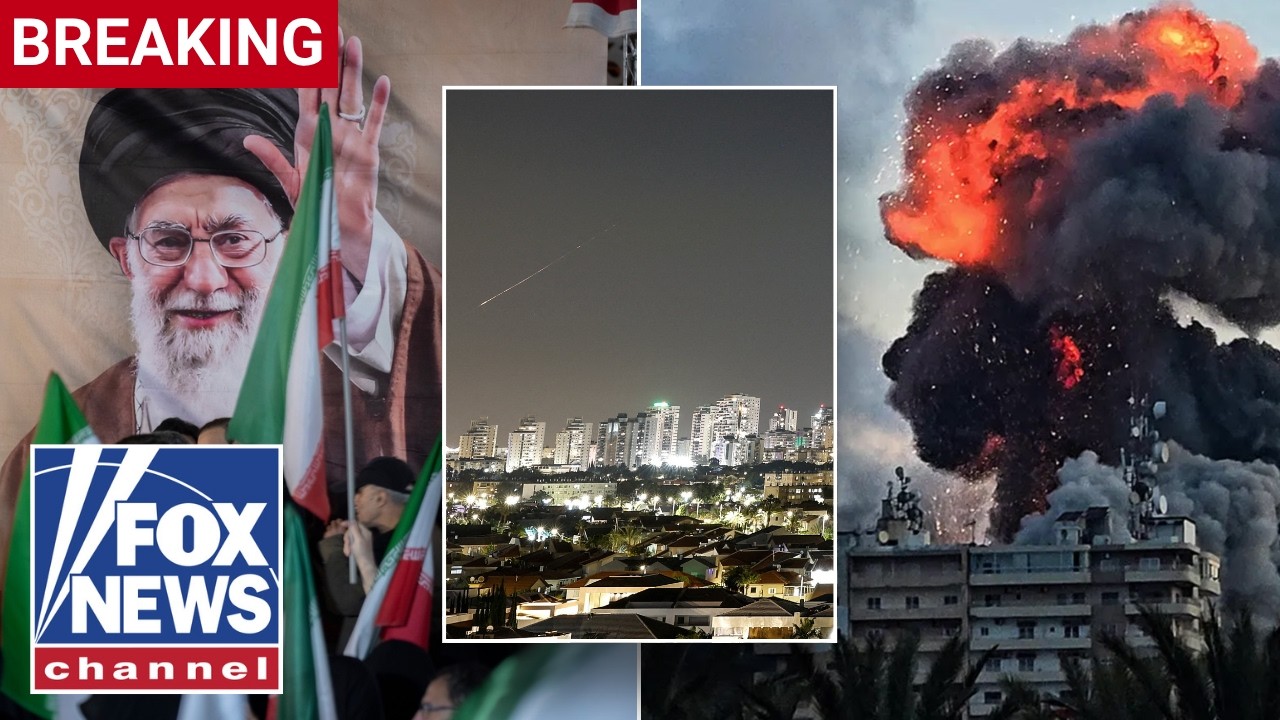
In a revealing snapshot of American public sentiment amid escalating geopolitical tensions, new polling data indicates that a majority of United States voters are placing strategic objectives—particularly the prevention of a nuclear-armed Iran—above the desire for a swift end to hostilities. As reported in April by Just the News, the findings reflect a nuanced and, in some respects, hardening posture among the electorate, one that emphasizes long-term security considerations over short-term conflict resolution.
The survey, conducted by Napolitan News and cited extensively by Just the News, reveals that 53% of U.S. voters believe it is more important to prevent Iran from acquiring a nuclear weapon than to end the current fighting. This narrow but decisive majority underscores a growing consensus that the stakes of nuclear proliferation outweigh the immediate costs of continued military engagement.
The data further illustrates the depth of this concern. A substantial 60% of respondents indicated that preventing Iran from developing nuclear capabilities takes precedence even over stabilizing domestic energy prices—an issue that has traditionally held significant weight in American political discourse. This prioritization suggests that voters are willing to endure economic pressures if it means addressing what they perceive as a critical national security threat.
Central to the polling results is a pronounced skepticism toward the Iranian regime’s assurances regarding its nuclear ambitions. As detailed by Just the News, pollster Scott Rasmussen offered a candid assessment of the electorate’s mindset.
“People don’t trust the regime. People don’t want weaselly promises,” Rasmussen said. His remarks capture a prevailing sentiment that diplomatic assurances, particularly those allowing for civilian nuclear development, are insufficient to guarantee compliance.
Rasmussen elaborated on this skepticism, noting that voters are deeply wary of proposals that would permit Iran to maintain nuclear capabilities under the condition that they are not weaponized. “They don’t want the idea of, of saying, well, Iran could develop nuclear capabilities for civilian purposes if they promise not to use it for nuclear weapons,” he explained. “That’s what the Iranian regime has said they would like to do. Very few Americans think that Iran would keep that promise.”
This lack of confidence in Iran’s commitments has significant implications for policymaking. It suggests that any agreement perceived as allowing residual nuclear capacity may face substantial public opposition, thereby constraining the range of acceptable diplomatic solutions.
“They want to see that nuclear capability eliminated completely,” Rasmussen added, articulating a position that aligns with a more maximalist approach to nonproliferation.
The willingness of voters to prioritize nuclear nonproliferation over economic stability represents a notable shift in public attitudes. Energy prices, which often serve as a barometer of economic well-being, have historically been a dominant concern for American households.
Yet, as the Just the News report highlighted, the current geopolitical context appears to have recalibrated these priorities. The prospect of a nuclear-armed Iran is being viewed not merely as a distant or abstract threat, but as an immediate and tangible risk with far-reaching consequences.
This recalibration reflects a broader understanding of the interconnected nature of global security and domestic stability. Voters appear to recognize that the long-term implications of nuclear proliferation could ultimately have more profound economic and strategic repercussions than short-term fluctuations in energy costs.
In addition to concerns about Iran, the polling data sheds light on evolving American attitudes toward international alliances, particularly the North Atlantic Treaty Organization. According to the report in Just the News, public opinion on NATO is increasingly divided, reflecting broader debates about the role of the United States in global security arrangements.
The survey found that 38% of U.S. voters support maintaining a commitment to defend NATO allies in the event of an attack. At the same time, 32% expressed a preference for withdrawing from the alliance altogether. This near parity in opinion underscores a growing ambivalence about the benefits and obligations associated with NATO membership.
These findings come amid tensions between the United States and its European allies over their level of support for the ongoing conflict involving Iran. As reported by Just the News, some NATO members have declined to provide military assistance in critical areas such as the Strait of Hormuz, while others have restricted U.S. access to their military bases.
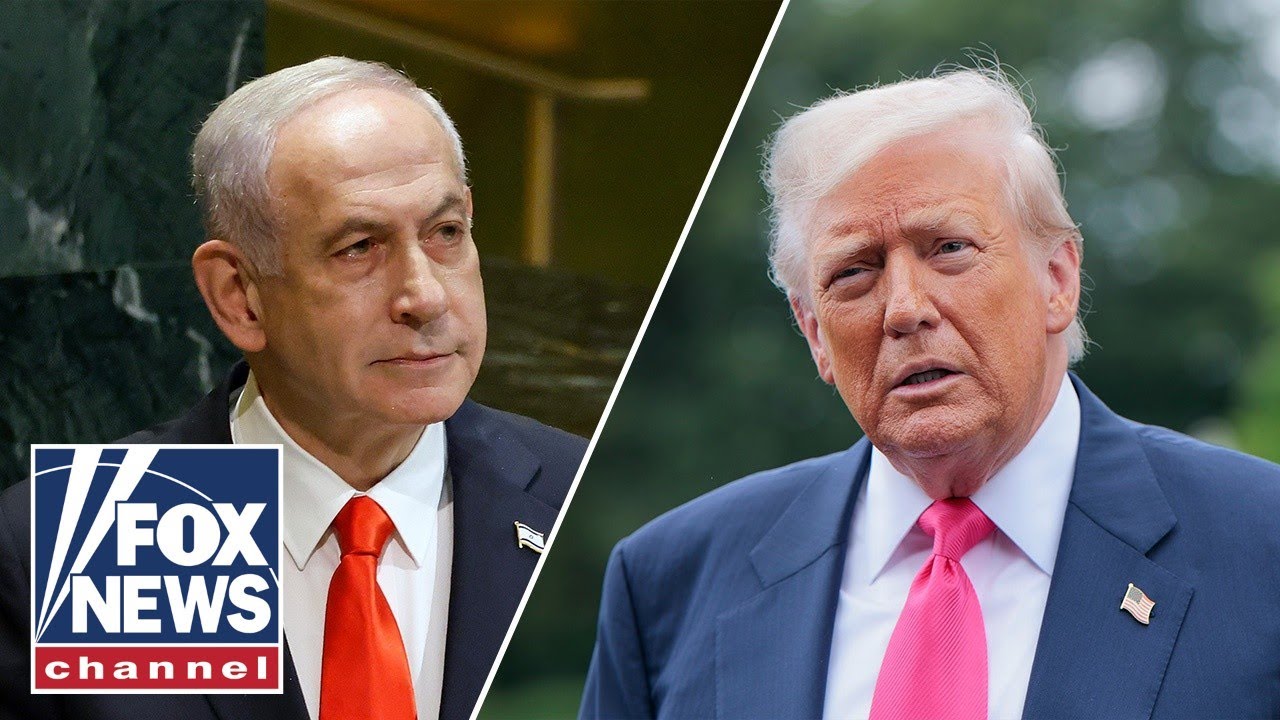
President Trump has responded to these developments with pointed criticism, raising questions about the future of the alliance and the extent to which it aligns with American strategic interests.
Rasmussen offered a nuanced interpretation of these attitudes, suggesting that voters view NATO less as a formal military commitment and more as a symbolic partnership. “Voters tend to look at [NATO] more as maybe a social club of friendly nations,” he said.
This characterization reflects a desire to maintain cultural and economic ties with European allies without necessarily committing to extensive military obligations. “They’d like to give better trading preferences to European allies. People we share a cultural heritage with,” Rasmussen explained.
At the same time, there is a reluctance to sever these relationships entirely. “And so they don’t want to leave it because that sounds like moving away from our friends,” he added. “In a sense, it’s like people want to break up but still be friends with these Europeans.”
The convergence of these attitudes—prioritizing the prevention of Iranian nuclear capabilities while expressing ambivalence toward traditional alliances—presents a complex landscape for policymakers. The administration must navigate a public that is simultaneously assertive in its security expectations and cautious about international commitments.
The Just the News report indicates that these dynamics are already influencing strategic planning. Vice President JD Vance is scheduled to begin negotiations in the coming days, working alongside Special Envoy Steve Witkoff and Jared Kushner, the President’s son-in-law.
While the specifics of these negotiations have not been fully disclosed, they are expected to address key issues related to Iran’s nuclear program and the broader regional conflict. The involvement of senior officials underscores the importance of the discussions and the high stakes involved.
The administration’s approach will likely need to balance the public’s demand for decisive action with the practical realities of diplomacy and international cooperation. This balancing act is further complicated by the evolving role of NATO and the varying levels of support from allied nations.
The polling data cited by Just the News offers a compelling glimpse into the current state of American public opinion on foreign policy. It reveals an electorate that is deeply concerned about national security and willing to prioritize long-term strategic objectives over immediate relief.
At the same time, it highlights a growing skepticism toward both adversaries and allies, reflecting a broader reevaluation of the United States’ role on the global stage.
The emphasis on preventing Iran from acquiring nuclear weapons suggests that voters view this issue as a defining challenge of the current era. Their reluctance to accept partial measures or conditional agreements indicates a preference for clear and definitive outcomes.
As Rasmussen’s comments make clear, this perspective is rooted in a fundamental lack of trust. “Very few Americans think that Iran would keep that promise,” he said, encapsulating a sentiment that is likely to shape the contours of future policy debates.
As negotiations unfold and the geopolitical situation continues to evolve, the insights provided by this polling data will remain highly relevant. They offer a roadmap of public expectations, highlighting the priorities and concerns that will influence political decision-making.
The administration’s ability to align its policies with these expectations will be a critical factor in determining both domestic support and international outcomes. Whether through diplomatic engagement, strategic deterrence, or a combination of approaches, the path forward will require careful calibration.
What is clear, however, is that the American public is not merely seeking a quick resolution to the conflict. Instead, as documented by Just the News, it is demanding a durable solution—one that addresses the root causes of instability and ensures that the threat of nuclear proliferation is decisively neutralized.
In the words of Rasmussen, “They want to see that nuclear capability eliminated completely.” It is a stark and unequivocal mandate, one that reflects the gravity of the moment and the enduring importance of safeguarding global security.



