

















|
Getting your Trinity Audio player ready...
|
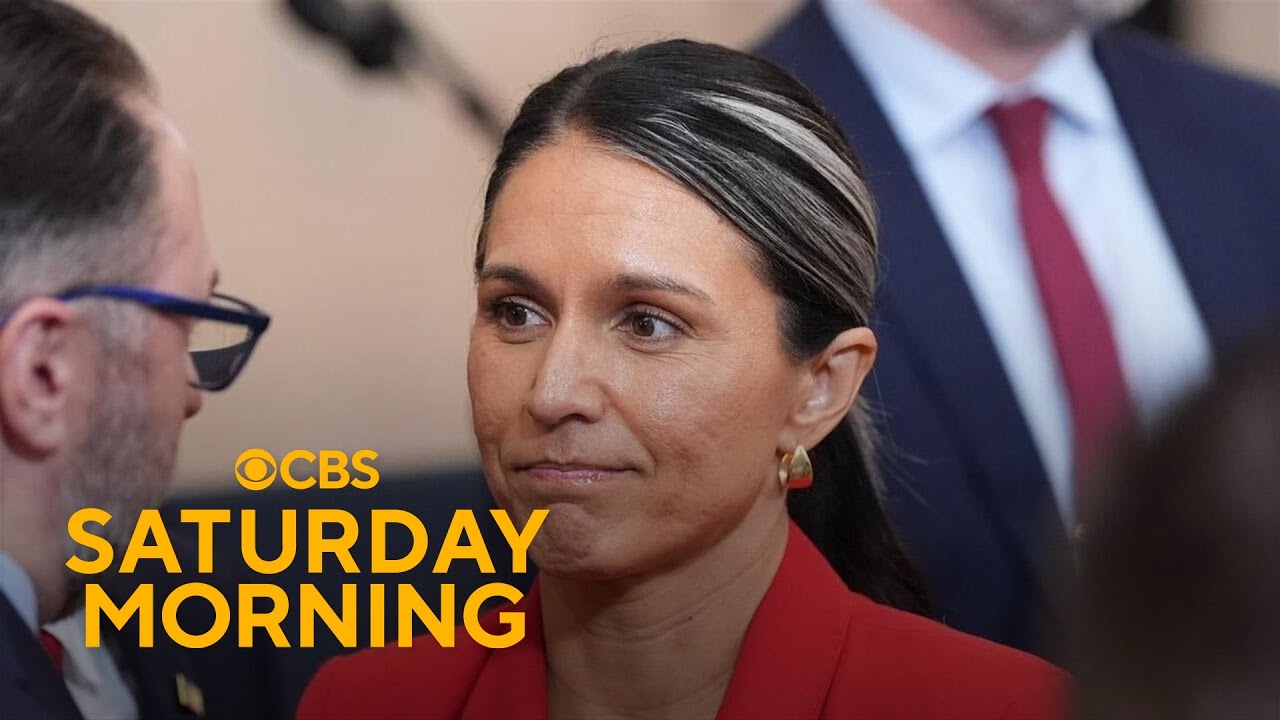
(TJV NEWS) Tulsi Gabbard resigned as President Donald Trump’s director of national intelligence, abruptly ending a turbulent tenure that had increasingly placed her at the center of growing tensions within the administration over Iran policy, according to reporting from The New York Times.
Gabbard said her resignation was driven by her husband’s cancer diagnosis and that she needed to step away from government service to focus on her family.
Her resignation is effective June 30.
The departure marks another high-profile shakeup inside Trump’s second-term Cabinet and removes one of the administration’s most unconventional national security figures at a time of heightened geopolitical instability.
Resignation Comes After Internal Friction Over Iran
According to The New York Times, Gabbard had increasingly found herself at odds with the White House over intelligence assessments tied to Iran.
Her recent public comments and congressional testimony reportedly placed her in an awkward position as the administration escalated its posture toward Tehran.
The intelligence dispute emerged as President Trump and top national security advisers weighed increasingly aggressive responses to developments involving Iran’s nuclear program and regional military activity.
The tension fueled speculation in Washington that her standing within the administration had weakened significantly in recent months.
A Remarkable Political Rise Ends Abruptly
Gabbard’s appointment as director of national intelligence had been one of Trump’s most surprising personnel choices.
A former Democratic congresswoman from Hawaii, she had transformed politically in recent years, emerging as an outspoken critic of the Democratic establishment before aligning herself with Trump’s America First foreign policy vision.
Her tenure overseeing the nation’s intelligence apparatus was marked by repeated scrutiny, particularly over efforts to restructure the office and sharpen its focus around administration priorities.
Despite praise from Trump allies, critics argued her tenure blurred traditional lines between intelligence analysis and political messaging.
Who Takes Over Next
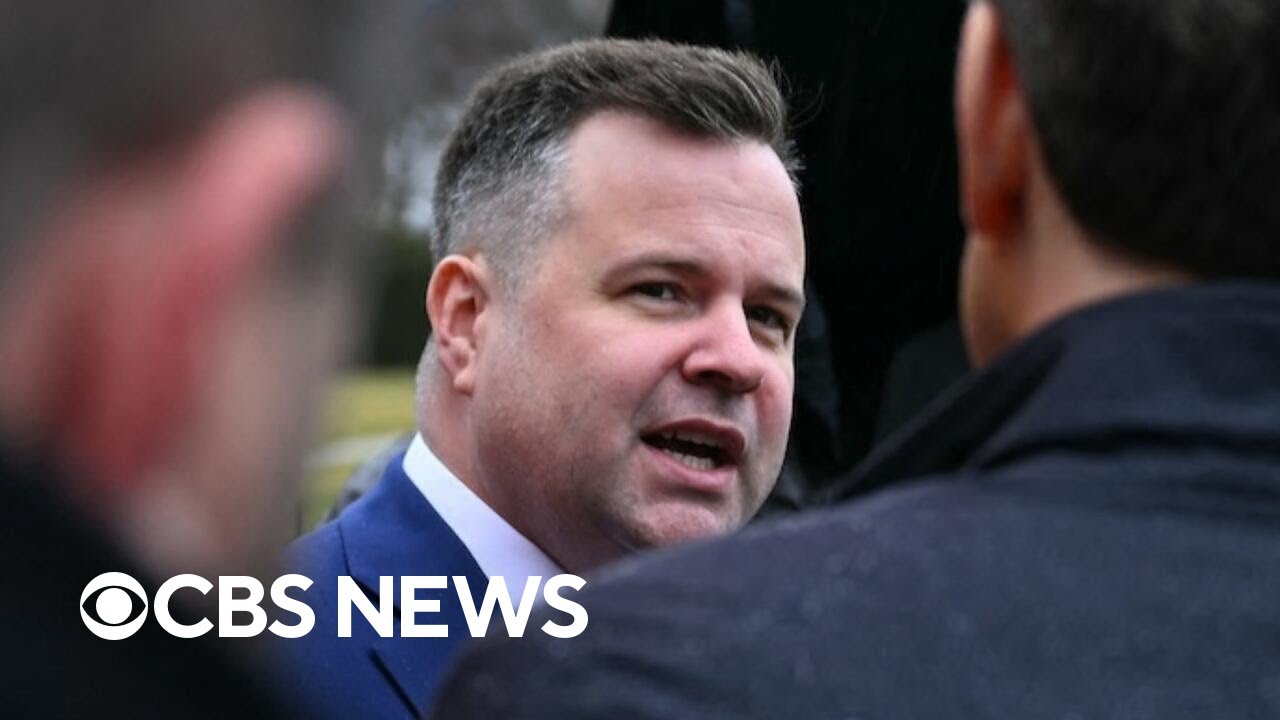
Deputy Director Aaron Lukas is expected to serve as acting director following Gabbard’s departure while the White House considers a permanent replacement.
The transition comes as U.S. intelligence agencies remain heavily focused on developments involving Iran, China, cyber threats, and ongoing Middle East instability.
Another Major Trump Administration Shakeup
Gabbard becomes the fourth Cabinet-level departure of Trump’s second term, underscoring the intense volatility that has characterized the administration’s upper ranks.
Her resignation leaves open questions about whether foreign policy disagreements accelerated her exit beyond the personal circumstances she cited publicly.
For now, the White House is framing her departure as a family decision.
But inside Washington, Gabbard’s exit is already being viewed as another major signal of shifting power dynamics inside Trump’s national security circle.