



|
Getting your Trinity Audio player ready...
|
(TJV NEWS) A report by The New York Times highlights a growing and unusual point of agreement in American politics: opposition to the rapid expansion of large-scale data centers. According to the report, both liberal and conservative communities are increasingly pushing back against these facilities, citing a shared set of concerns that cut across ideological lines.
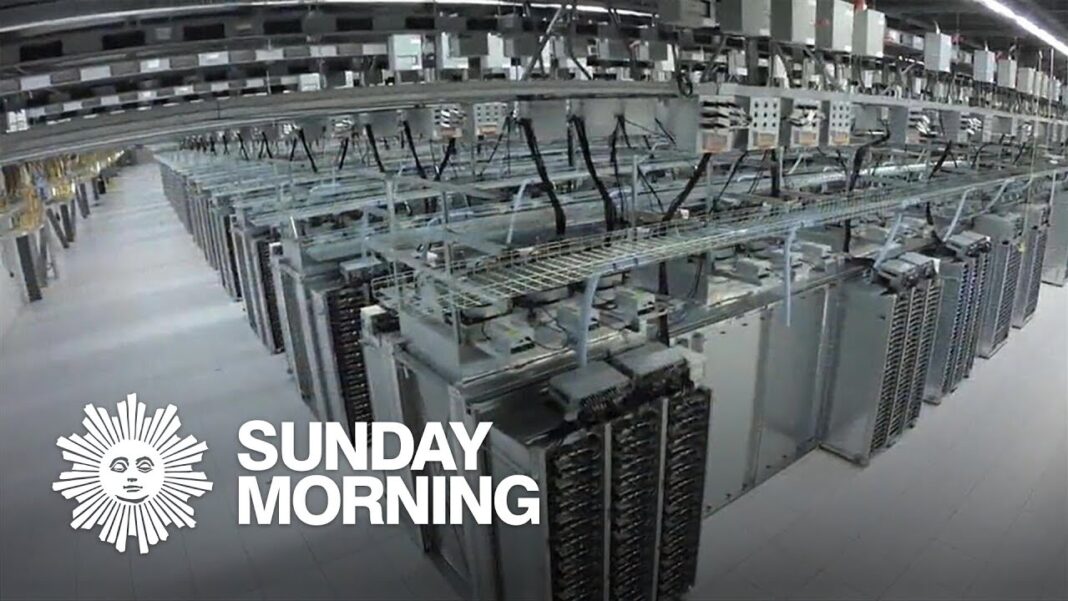
The Times details how data centers—critical infrastructure powering cloud computing and artificial intelligence—have expanded तेजी across the United States in recent years. But as their footprint grows, so too has local resistance. Residents in a range of communities have raised alarms about the strain these facilities place on electricity grids, water supplies, and local environments.
Despite the broader political divide in the country, the issue has created an unlikely coalition. Progressive critics often focus on environmental impacts, including high energy consumption and water use, while conservative opponents tend to emphasize rising utility costs, land use concerns, and skepticism toward large technology companies. In many cases, these arguments converge into a broader “not-in-my-backyard” sentiment.
The New York Times report notes that this backlash is increasingly influencing public policy. Local governments and state lawmakers are facing mounting pressure from constituents to slow or regulate data center development. Proposals have emerged in multiple states to impose restrictions or moratoriums on new projects, reflecting the intensity of grassroots opposition.
At the same time, the article underscores the economic tension at the heart of the debate. Supporters of data centers argue they bring investment, tax revenue, and construction jobs. However, critics counter that the long-term employment benefits are limited relative to the scale of the projects, while the environmental and infrastructure costs are borne locally.
The Times further points out that this issue is becoming politically salient ahead of upcoming elections, particularly at the local and state levels. Candidates across the political spectrum are increasingly being forced to take positions on data center expansion, reflecting its emergence as a voter concern.
Ultimately, the report frames the backlash as part of a broader shift in how Americans view the infrastructure behind the digital economy. While demand for data processing continues to surge, communities are increasingly questioning whether the benefits of hosting such facilities outweigh the costs—creating a rare moment of bipartisan alignment in an otherwise polarized political landscape.
