



























|
Getting your Trinity Audio player ready...
|
Jonathan Pollard Blasts U.S.-Imposed Ceasefire: “Israel Has Abandoned Its People — Again”
By: Fern Sidman
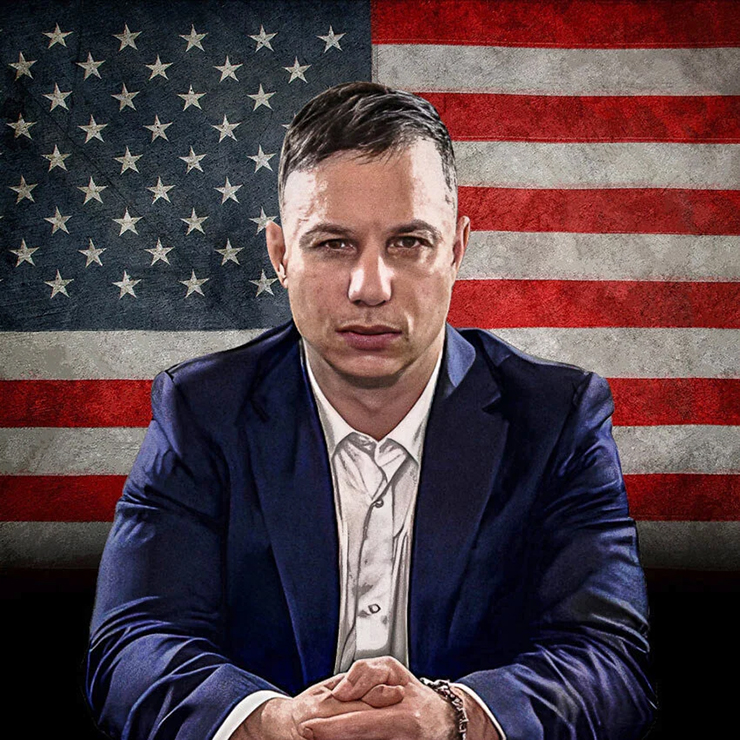
As Israel entered the festival of Sukkot this year under the shadow of both remembrance and renewed political tension, one of its most controversial and outspoken figures — Jonathan Pollard, the former U.S. Navy intelligence analyst who spent 30 years in prison for spying for Israel — delivered a fiery critique of Israel’s acceptance of the recent American-imposed ceasefire. In an impassioned interview with Arutz Sheva–Israel National News that appeared on Friday, Pollard warned that the government’s decision not only betrayed the nation’s core security principles but also risked setting the stage for yet another October 7th–style catastrophe.
“There’s always another alternative if you’re willing to stand up for yourself,” Pollard told Israel National News during a reflective conversation in Jerusalem. “I remember having terrible arguments when the American-imposed ceasefire in Lebanon was accepted. I was told, ‘What choice did we have?’ And I laid out a series of options that would have suited us far better than the deal imposed on us. The same mistake is being repeated today.”
Pollard’s tone was not merely analytical but deeply personal — the voice of someone who has spent a lifetime railing against Israel’s chronic submission to outside pressures.
For Pollard, Israel’s decision to embrace the latest U.S.-brokered ceasefire marks a continuation of what he calls “a pattern of capitulation,” a political reflex that trades short-term calm for long-term peril. Speaking to Israel National News, he lamented that since the October 7th massacre, “there’s been a vacuum over what the day after would amount to in Gaza. And when you have a vacuum, somebody is going to fill it.”
That vacuum, Pollard warned, has once again been filled not by strategic clarity but by American dictates. “Right now, we never should have adopted this plan,” he said flatly. “The country has been completely abandoned by its political and military echelons. I see a government that doesn’t really care about the people or the land of this country, and that is willing — both the military and political establishment — to accept a deal imposed on us by the Americans that will eventually return us to another October 7th.”
Pollard’s comments reflect a broader frustration shared by many Israelis, particularly those who believe that the government’s indecision and international deference are undermining the nation’s hard-won security. Israel National News has reported that even among IDF veterans and displaced residents from the north and south, there is growing anxiety that the ceasefire, however well-intentioned, signals weakness rather than stability.
Pollard’s reflections on the “Black Sabbath” of October 7, 2023, are steeped in personal anguish. “Up until that time, I had felt that I was the exception to the rule,” he told Israel National News, referring to his own sense of betrayal by Israeli leaders during his decades-long incarceration in the United States. “My abandonment and betrayal by the government was an exception. But when I watched the GoPro video of the Nukba terrorists coming into my security phone, I suddenly realized that we had all been abandoned — all of us.”
That sense of collective abandonment, Pollard argued, transcends politics. It has become a defining feature of Israeli public consciousness — a disillusionment with leadership that fails to match the courage of its citizens and soldiers. “The people have heart, the soldiers have courage, but the government lacks resolve,” he said.
Pollard’s voice, often defiant, now carries a tragic resonance. He sees the failures of October 7 not as a one-off catastrophe but as the culmination of years of misjudgment — an overreliance on ceasefires, foreign mediation, and moral restraint that he believes have emboldened Israel’s enemies.
In his interview with Israel National News, Pollard condemned Israel’s longstanding habit of “managing” rather than resolving its security challenges — a doctrine he described as both morally and strategically bankrupt.
“The problem with that,” he said, “is it’s called mowing the grass or managing the problem. We have never decisively defeated anyone yet on any of our fronts — not the Houthis, not Hamas, not Hezbollah, not Iran. We’re managing the problem, but we haven’t done anything decisively to eliminate it.”
Pollard’s call for “total victory” is rooted in his reading of history — particularly the Allied insistence on unconditional surrender during World War II. “Yes, we saw it during the Second World War, when the Allies declared there would be no compromise — total surrender of the Axis powers,” he said. “But we here in Israel don’t seem to comprehend that concept very well. We have not defeated Hezbollah. We have not defeated Hamas.”
For Pollard, the lesson is clear: moral hesitation invites aggression. Israel, he argued, cannot afford to be perceived as a nation that fights for containment rather than survival.
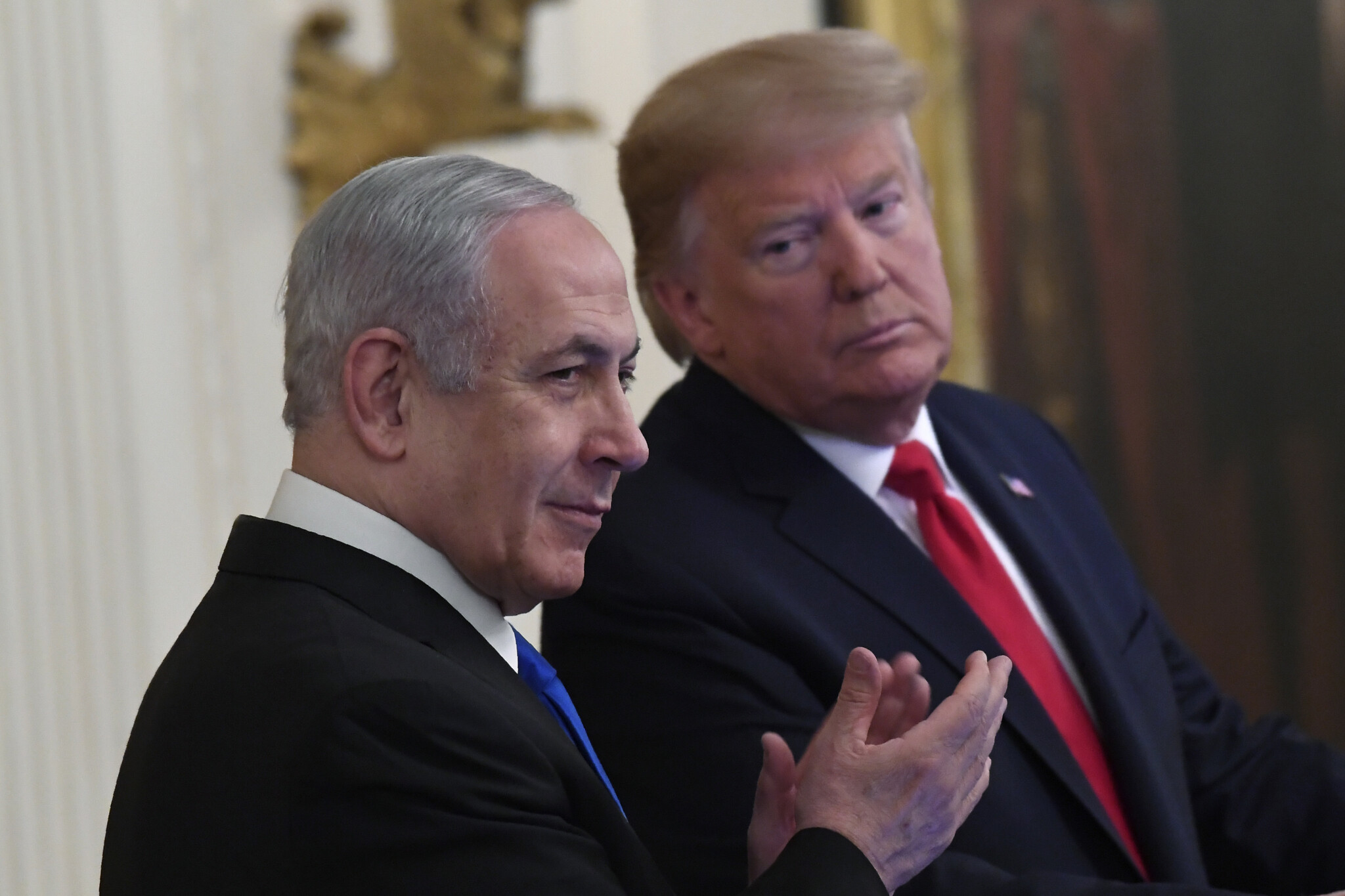
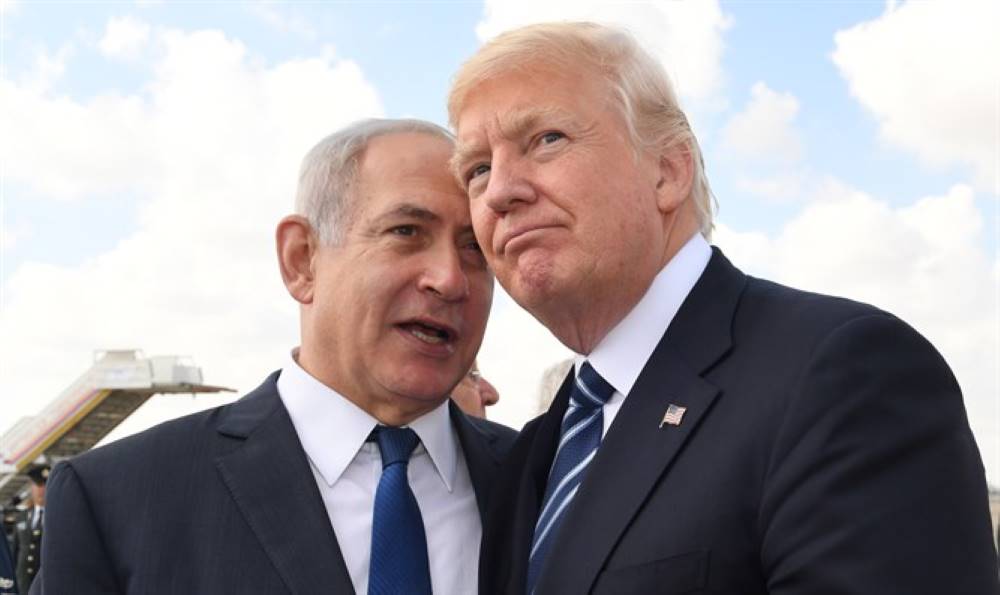
Though he credits President Trump for his unwavering support of Israel, Pollard insisted that Jerusalem must ultimately chart its own course. “We should have said no thanks,” he told Israel National News bluntly. “It’s our blood that’s been spilled, our people that have been slaughtered, our hostages kept under inhumane conditions. These people [in Gaza] are not our friends and never will be.”
Pollard’s critique reflects a growing nationalist sentiment in Israel that questions the price of dependence on Washington. Many share his belief that American influence, while vital in diplomacy and defense, too often restrains Israel’s operational freedom.
Israel National News has documented repeated instances where American officials have pressured Israel into ceasefires — in Lebanon, Gaza, and Judea and Samaria — often against the backdrop of mounting international criticism. For Pollard, these concessions not only embolden Hamas and Hezbollah but also erode Israel’s deterrence.
“We are told that we must always accommodate the Americans,” Pollard said. “But what has that bought us except the illusion of safety and the reality of repeated slaughter?”
Pollard insists that Israel’s gravest mistake after October 7 was its failure to articulate a postwar vision. “The Prime Minister, on October 8th, should have announced what the day after would be,” he said. “For me, that would be the total destruction of Hamas, the expulsion of the Gazans, the re-imposition of sovereignty over the land, and the repopulation of Gaza.”
That proposal, radical to some, resonates with an increasing number of Israelis who have lost faith in temporary measures and half-hearted truces. Israel National News has reported that many displaced families from the southern kibbutzim, as well as residents evacuated from northern border towns, echo Pollard’s sentiment: never again.
“When I ask them what they think of the day after,” Pollard said, “the answer has been the same: no Arabs, none. These are people who have gone through hell. They saw their families and friends slaughtered and their communities destroyed by the same people that President Trump feels sorry for.”
While Pollard’s prescription is stark, it reflects a deeper yearning for control, security, and permanence — values that have come to define the Israeli psyche after years of cyclical violence.
Speaking with Israel National News during Sukkot, Pollard described the holiday in tones of paradox and pain. “Like most Israelis, I’m living what best can be described as a schizophrenic life,” he said. “I have dear friends right now in Gaza that I’m very concerned about. Yet at the same time, we have to celebrate the Chag. When we have the families over, it’s a very somber occasion.”
He noted the visible absence of young people in Jerusalem’s streets. “You walk around Yerushalayim and I don’t see many young men or women. They’re in the field defending us. So Sukkot for me right now is more a celebration of absence than anything I’m actually enjoying.”
For Pollard, Sukkot — the festival that symbolizes divine protection and national unity — has become an emblem of loss and resilience. The sukkah itself, fragile yet enduring, mirrors the nation’s condition: a temporary shelter in a storm that shows no sign of abating.
Despite his searing criticisms, Pollard ended his interview with words of admiration for Israel’s soldiers, calling them “the true guardians of the nation’s soul.”
“I’m immensely proud of our Chayalim,” he said. “I can’t tell you how proud I am of these men and women who have put on the uniform to defend us. That’s why I can’t conceive of turning over land that so many soldiers have fought and died for to anybody else.”
His voice, heavy with both conviction and sorrow, carried the moral weight of a man who has spent decades fighting for a country he believes often forgets its own strength.
For Pollard, the story of Israel today is not one of defeat, but of misplaced faith — a faith not in God or the people, but in diplomacy that demands restraint when survival requires resolve.
As Israel National News continues to chronicle the aftermath of the October 7 war and the ongoing debates over ceasefire agreements, Pollard’s words strike a chord that resonates far beyond partisan lines. His indictment is not merely of policy but of national ethos — a warning against complacency and compromise.
“We have never decisively defeated our enemies because we keep trying to make peace with those who want to destroy us,” Pollard declared. “And until we learn that survival demands victory — not management — we will keep reliving our own tragedies.”
Pollard’s message echoes a growing refrain within Israel’s security and political spheres: that the age of illusions — of negotiated calm and conditional safety — must end. Whether his vision of unyielding sovereignty will gain traction or fade into the margins of national debate remains to be seen.
But as Sukkot’s fragile shelters line the streets of Jerusalem and families pray for the safe return of their sons and daughters from Gaza, Pollard’s warning, amplified by Israel National News, lingers in the air: A nation that forgets how to win, he cautions, risks forgetting why it fights at all.



