
























By: Fern Sidman
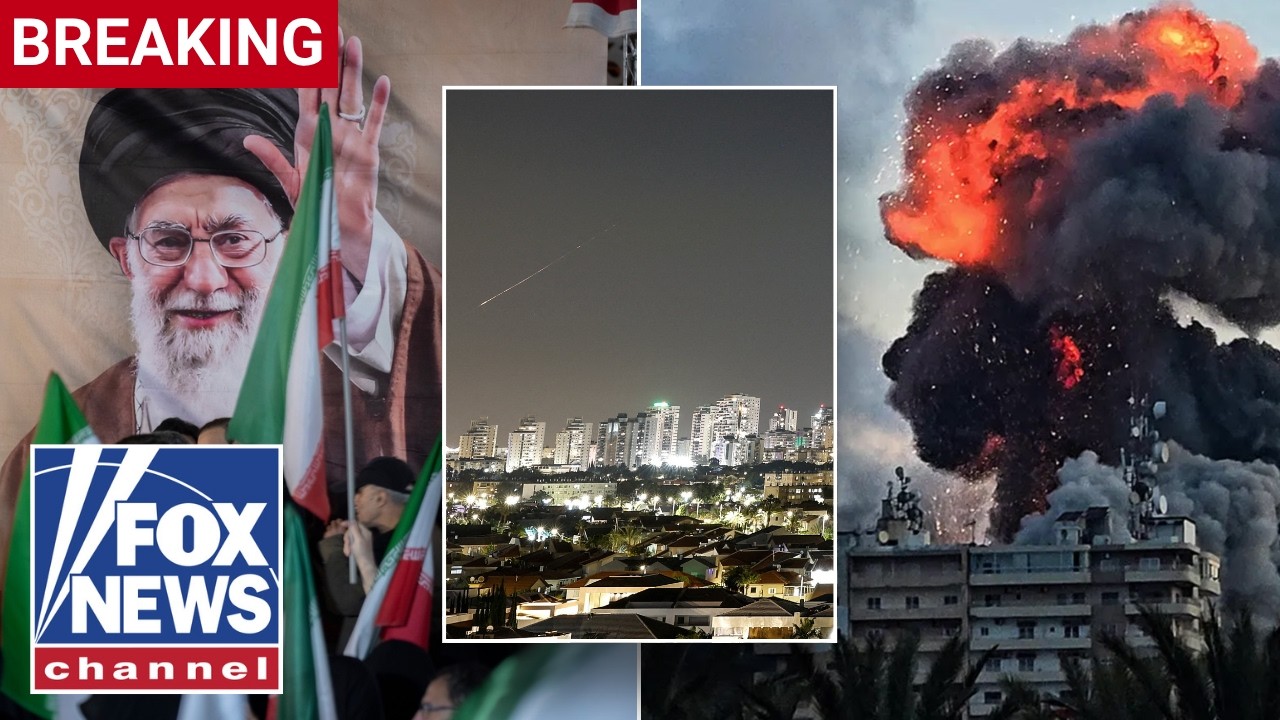
Israel significantly intensified its military campaign against Iran early Monday morning, launching a series of precision airstrikes against strategic targets deep inside Iranian territory after multiple missile barrages were fired toward Israeli communities overnight and during the early morning hours.
According to a report by Israel National News, the latest phase of the confrontation saw the Israeli Air Force target military, industrial, and energy-related infrastructure across several regions of Iran as Jerusalem responded to continued aggression directed at the Jewish state.
The expanding military exchange marks one of the most consequential periods of direct confrontation between Israel and the Iranian regime, with both sides exchanging strikes amid growing regional tensions and heightened international concern regarding the possibility of a broader conflict.
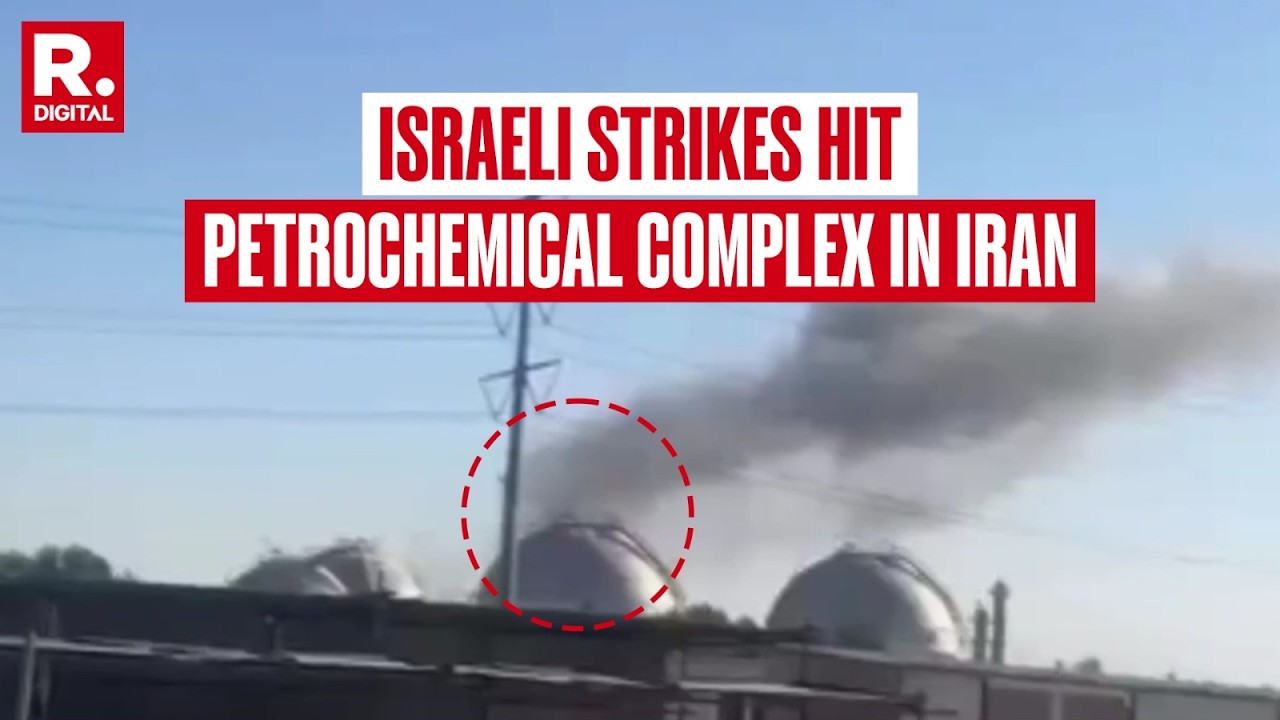
Israel National News reported that the Israeli Air Force struck multiple targets at the petrochemical complex in Mahshahr, located in southwestern Iran. The operation was confirmed by the Israel Defense Forces and formed part of a wider military campaign that unfolded in successive waves during the early hours of Monday.
According to the information provided in the Israel National News report, Israeli military planners structured the operation around two primary objectives. The first phase focused on degrading Iran’s air-defense network, while the second concentrated on infrastructure considered strategically significant to the Iranian regime.
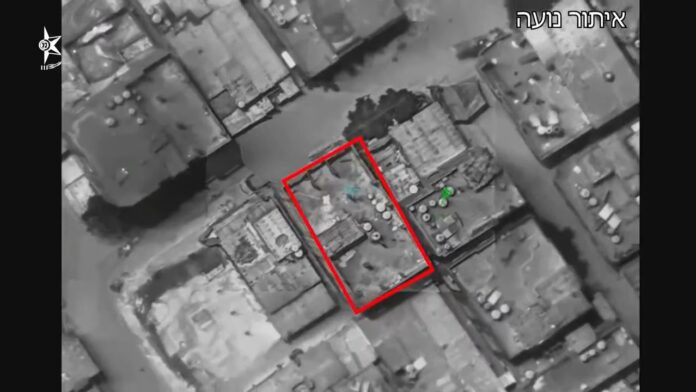
Military officials indicated that the initial wave targeted surface-to-air missile systems positioned in several areas around Tehran as well as locations in western and central Iran. These systems constitute a critical component of Iran’s integrated air-defense architecture and are designed to detect, track, and intercept hostile aircraft and incoming threats.
According to the Israel National News report, the strikes were intended to reduce the effectiveness of Iran’s defensive capabilities and create greater operational freedom for subsequent Israeli air operations.
Defense analysts have long noted that successful suppression of enemy air defenses is often a prerequisite for broader military campaigns, particularly when operating deep within hostile territory. By targeting radar systems, missile batteries, and supporting infrastructure, military forces seek to diminish an adversary’s ability to monitor and respond to incoming attacks.
The second phase of the operation shifted attention toward strategic economic and industrial assets. Israel National News reported that Israeli aircraft struck targets within the petrochemical sector, including facilities in the Ahvaz region and the broader Mahshahr complex. The significance of these sites extends beyond their economic value, as they form part of a wider industrial network that contributes to Iran’s national infrastructure and logistical capabilities.
Simultaneously, reports emerged of additional strikes across multiple locations within Iran. According to Israel National News, Iranian media outlets acknowledged explosions in Tehran, Isfahan, and Karaj. Some reports indicated that Mehrabad International Airport in Tehran was among the locations affected by the strikes.
Other reports cited by Israel National News suggested that a facility associated with unmanned aerial vehicle storage in Tehran may also have been targeted. Explosions were reportedly heard throughout several districts of the Iranian capital as well as in Isfahan, one of Iran’s most strategically significant cities.
Collectively, approximately 15 Israeli strikes were reported during the operation. The breadth of the attacks highlighted both the geographic scope of the campaign and Israel’s demonstrated ability to conduct long-range military operations against targets deemed threatening to its national security.
Iran’s Islamic Revolutionary Guard Corps later acknowledged that Israeli strikes had taken place on Iranian territory. According to statements attributed to the organization, Iran claimed that ballistic missiles were employed during the attack. Israeli officials did not immediately provide detailed operational specifics regarding the weapons systems utilized.
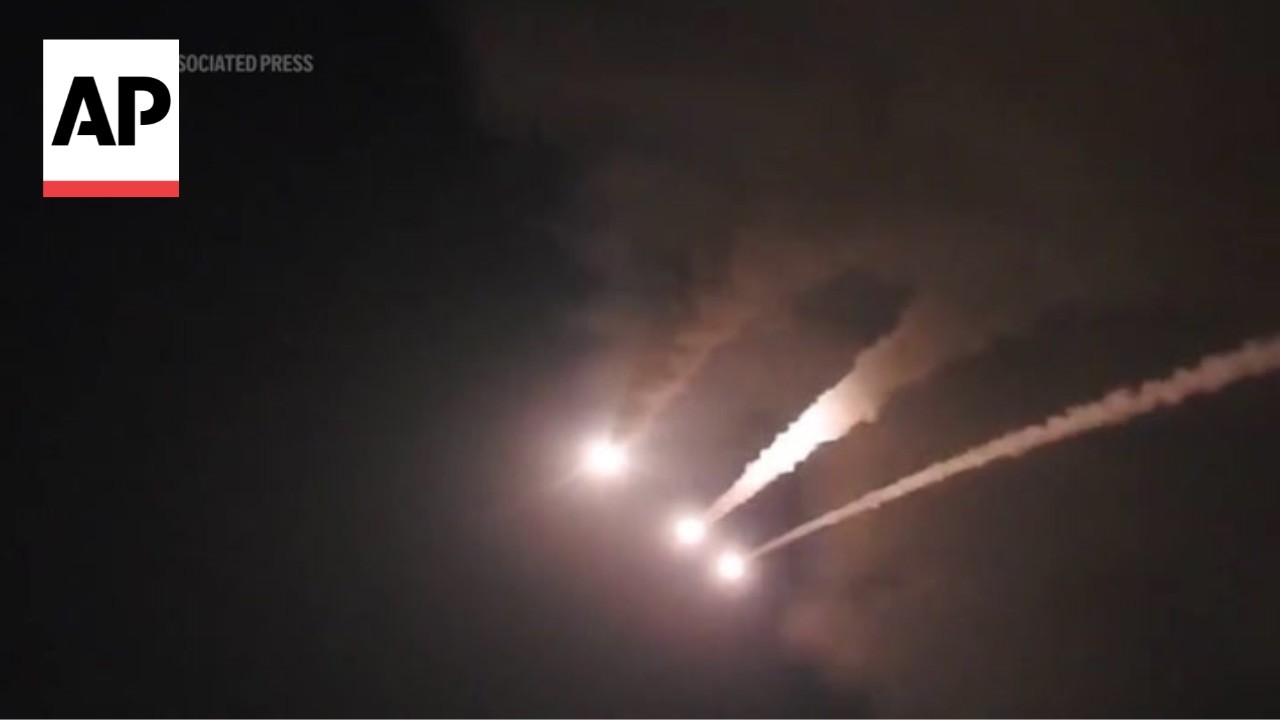
The latest Israeli actions occurred against the backdrop of repeated missile launches directed toward Israel. Israel National News reported that Iran launched several barrages of missiles toward various regions of the country during the night and into Monday morning. Air-raid sirens sounded across numerous communities at approximately 7:00 a.m., sending residents rushing toward protected spaces as air-defense systems engaged incoming threats.
According to the Israel National News report, several missiles were intercepted before reaching their intended targets. One projectile reportedly landed in an open area of Samaria. The attacks once again underscored the persistent threat facing Israeli civilians as hostile actors continue attempting to strike population centers and civilian infrastructure.
In one notable incident, the Samaria Regional Council reported a direct hit within a neighborhood in the region. Four homes sustained damage, with several structures suffering significant destruction. Despite the physical damage, authorities reported that no injuries occurred.
Local officials credited emergency preparedness measures, public vigilance, and rapid responses to warning systems for helping prevent casualties. The incident served as another reminder of the challenges faced by Israeli communities that routinely find themselves under threat from missile and rocket attacks. Even when casualties are avoided, the psychological and economic consequences of such attacks can be substantial.
Earlier in the morning, residents in central Israel, the Shephelah, and the Lachish region were awakened by additional sirens following the launch of a missile from Yemen. Israeli defense systems successfully intercepted the projectile before it could reach its target. The interception highlighted the increasingly multifront nature of the threats confronting Israel.
While Iran remains the principal strategic adversary, missile and drone attacks have also originated from Iranian-aligned forces operating throughout the broader region. The ability of Israel’s air-defense network to respond simultaneously to threats emerging from multiple directions has become an increasingly important component of national security planning.
Emergency services remained active throughout the morning as alerts continued. Israel National News reported that Magen David Adom teams were dispatched to assist civilians affected by the incidents. At the time of reporting, no direct impacts resulting in casualties had been confirmed. However, emergency responders treated a man who was injured after falling while attempting to reach a protected shelter during one of the warning periods.
Such injuries, while indirect, illustrate the disruptive effect that repeated missile alerts can have on civilian populations. Across Israel, millions of residents rely upon warning systems that provide precious seconds or minutes to seek safety when incoming threats are detected. As military operations continued, attention increasingly turned toward the political leadership in Jerusalem.
As was reported by Israel National News, Israel’s smaller security Cabinet was scheduled to convene at 11:00 a.m. to assess the evolving situation and discuss the continuation of the campaign against Iran. The meeting was expected to include senior political, military, and intelligence officials responsible for evaluating operational results, reviewing intelligence assessments, and considering potential next steps.
Such consultations have become increasingly important as the confrontation develops. Decision-makers face the challenge of balancing military objectives, deterrence considerations, regional stability concerns, and diplomatic factors while ensuring the continued protection of Israeli civilians. The latest developments underscore the extraordinary complexity of the security environment confronting Israel.
The country continues to face threats from multiple directions, including missile attacks, drone activity, and the broader challenge posed by Iran’s regional network of allied organizations and military assets.
The events of Monday demonstrated the ongoing volatility of the situation and the determination of Israeli authorities to respond forcefully to attacks directed against the country. As the military campaign progresses and political leaders evaluate future options, the region remains on heightened alert.
The coming days are likely to prove critical in determining whether the confrontation remains limited to exchanges of military strikes or expands into a broader regional crisis. For now, Israel continues to maintain a heightened state of readiness, relying on its advanced defensive systems, intelligence capabilities, and military forces while confronting one of the most serious security challenges in the region today.
According to the Israel National News report, Israeli defense officials remain focused on protecting the nation’s citizens, countering emerging threats, and preserving strategic deterrence amid an increasingly uncertain and rapidly evolving security landscape.



