






























|
Getting your Trinity Audio player ready...
|
By World Israel News Staff
AI-generated antisemitic content has surged across major social media platforms as widely available image, video and audio tools make it easier to produce and spread persuasive hate material, according to a new report by the antisemitism watchdog group CyberWell.
The report, based on a verified dataset of 300 AI-generated antisemitic posts published between January 2025 and February 2026, found that the content reached more than 30 million views and generated more than 2.8 million engagements across major platforms.
CyberWell said the posts were created with tools including OpenAI’s Sora, Google’s Veo, X’s Grok and Suno, and often combined fabricated visuals, audio and narratives with real-world footage. The result, the report said, was antisemitic content that was more believable, more engaging and more difficult to detect.
“Artificial intelligence has fundamentally changed the scale and speed at which antisemitism can be produced and distributed online,” said CyberWell CEO and founder Tal-Or Cohen Montemayor. “Generative AI now allows bad actors to industrialize hate, producing high-impact content that can reach millions, with enforcement often coming only after it has already been widely amplified.”
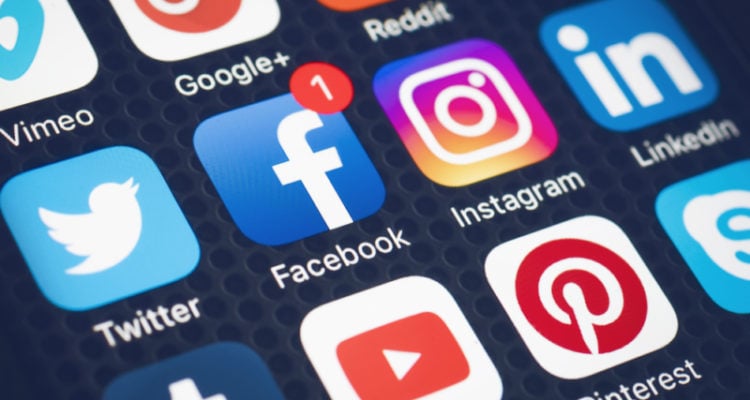
CyberWell said 79 percent of the AI-generated antisemitic content it reviewed appeared on video-based platforms, including TikTok, Instagram and YouTube. Short-form video was especially dominant, with antisemitic messages spread through gaming culture, parody clips and viral audio trends.
The report said AI-generated music and gaming formats linked to platforms such as Roblox and Minecraft were repeatedly used to place antisemitic narratives in youth-oriented online spaces. Some Holocaust-mocking or Holocaust-denying content appeared near material aimed at grooming or sexualizing minors, CyberWell said.
The group said AI-generated antisemitic content existed before the Hamas-led October 7, 2023, attacks on Israel, but became more visible and amplified afterward. CyberWell said a major spike occurred during the June 2025 conflict involving Iran, Israel and the United States.
The most extreme content generated especially high engagement, according to the report. Posts glorifying or calling for violence against Jews accounted for 33 percent of the content analyzed but 41 percent of total engagement.
CyberWell said that finding means violent antisemitic content was twice as likely to appear in AI-generated antisemitic posts as in user-generated antisemitic content, based on its previous State of Online Antisemitism 2025 report.
The report also found major differences in how platforms handled the material. TikTok accounted for the largest share of posts, at 36 percent, but also had the highest enforcement rate, removing 88 percent of reported content. Instagram accounted for 25 percent of the posts but 65 percent of total engagement.
By contrast, CyberWell said YouTube and X had much lower removal rates, at 28 percent and 20 percent respectively. The group said TikTok and Meta, Instagram’s parent company, appeared to perform better in part because they have more explicit policies addressing AI-generated content.
But CyberWell warned that even when platforms eventually removed reported content, enforcement often came too late, after posts had already accumulated large audiences.
“Platforms must move beyond disclosure and invest in systems that identify harmful narratives at scale, including those embedded in audio, visuals and coded formats that evade traditional detection,” Cohen Montemayor said.
She said social media companies and AI developers need to strengthen automated detection, improve human moderation, audit training data and work with outside experts.
“Generative AI is a powerful technology, but it is also being weaponized at scale,” she said. “By strengthening automated detection, investing in competent and transparent human moderation, auditing training data and partnering with specialized external stakeholders, platforms and AI developers can address the complex and fast-evolving forms of online hate through sustained collaboration between technology companies, policymakers and expert partners.”



