































|
Getting your Trinity Audio player ready...
|
(TJV NEWS) Global oil markets are facing renewed stress as geopolitical tensions, shipping risks, and tightening supply conditions combine to raise the risk of a major energy shock affecting more than 80 countries, Financial Times reported. Traders and analysts warn that the system is becoming more fragile, with less room to absorb disruptions and a higher chance of sudden price spikes.
Widening Global Supply Risks Across 80+ Economies
Financial Times reported that more than 80 countries could be exposed to higher fuel costs or supply disruptions if current oil market instability continues. Many of these economies rely heavily on imported crude or refined fuels, meaning even small disruptions in global shipping routes or production can quickly translate into domestic price shocks. Analysts say the interconnected nature of global oil trade is making local markets more vulnerable than in previous cycles.
Iran Tensions And Key Shipping Routes Raise Alarm
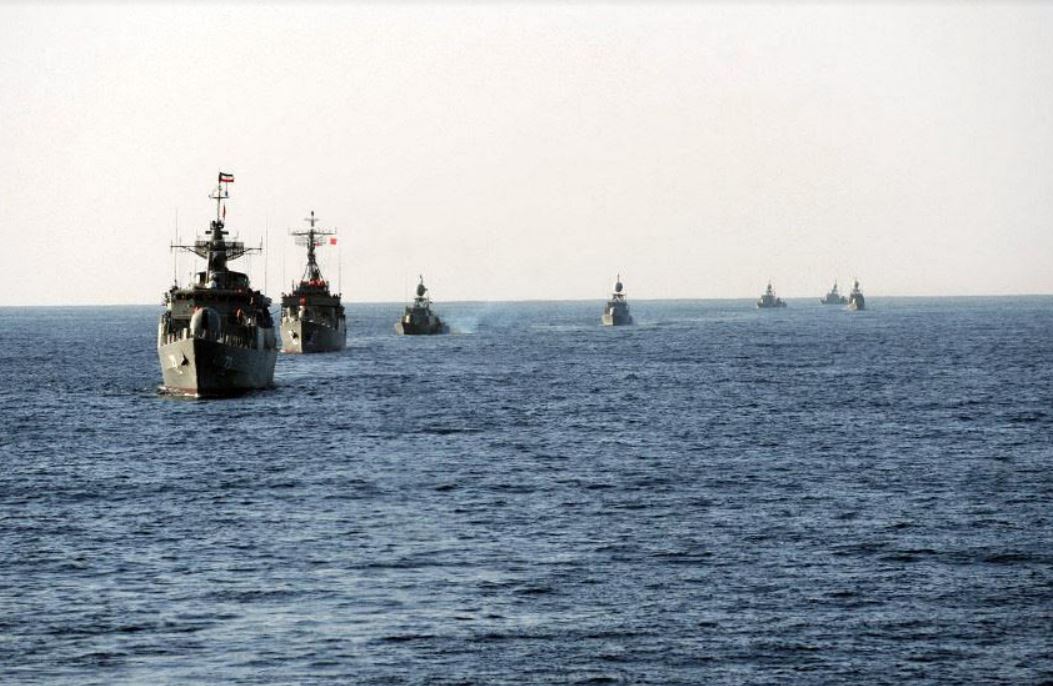
The report highlights rising geopolitical tension involving Iran and sensitive maritime routes such as the Strait of Hormuz, one of the world’s most important oil transit chokepoints. Financial Times reported that even the risk of disruption in this region is enough to push traders to price in higher volatility, given that a significant share of global seaborne oil passes through the area. Any escalation could rapidly tighten global supply flows.
Inventories Tightening As Demand Stays Firm
According to Financial Times reporting, global oil inventories are being drawn down as demand remains steady across major consuming regions. Seasonal consumption patterns, including transport fuel demand and industrial usage, are adding further pressure. With inventories acting as a buffer against shocks, analysts warn that the current decline leaves markets more exposed to sudden disruptions.
Markets Pricing In Higher Volatility And Risk Premiums
Oil traders are increasingly pricing in geopolitical risk premiums, meaning prices are being driven not only by supply and demand but also by fear of disruption. Financial Times reported that this has led to more frequent price swings, with markets reacting sharply to headlines about conflict, shipping security, or production risks. This volatility is now a key feature of global crude trading.
Inflation Risks Spreading Through Global Economies
Higher oil prices are feeding into broader inflation pressures worldwide, Financial Times reported. Energy costs affect transportation, food production, manufacturing, and logistics, meaning sustained high oil prices can ripple through nearly every sector of the economy. Policymakers are watching closely as energy-driven inflation risks could complicate interest rate decisions.
Bottom Line
Financial Times reported that global oil markets are becoming increasingly fragile, with tightening inventories, geopolitical risks involving Iran and key shipping routes, and exposure across more than 80 countries all contributing to higher volatility. Analysts warn that if disruptions intensify, the world could face sharper price spikes and broader economic fallout.



