












|
Getting your Trinity Audio player ready...
|
By: Russ Spencer
In a move that supporters are hailing as a consequential victory for religious liberty and public safety, New York state lawmakers have approved sweeping new “buffer zone” legislation designed to protect houses of worship, religious schools, and communal institutions from intimidation, obstruction, and harassment during protests and demonstrations.
The final version of the legislation, passed Tuesday by the New York State Legislature and detailed in a report on Tuesday by the Jewish Insider, creates criminal penalties for individuals who knowingly impede access to religious institutions or cause worshippers to fear for their safety within a 50-foot perimeter surrounding such facilities.
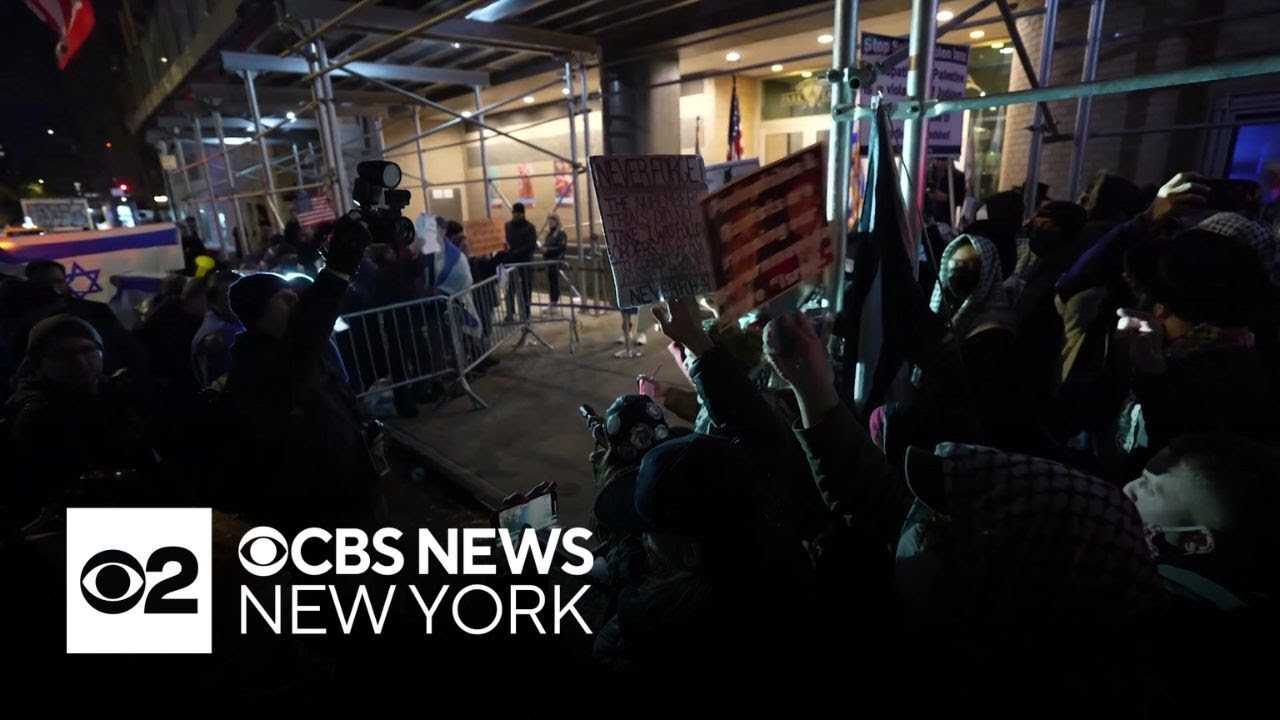
The legislation arrives at a moment of extraordinary tension in New York, where escalating antisemitism, increasingly aggressive anti-Israel demonstrations, and repeated confrontations outside synagogues and Jewish institutions have generated mounting anxiety among Jewish communities throughout the state.
While civil liberties organizations have criticized the legislation as a potential encroachment upon First Amendment protections, proponents argue the measure represents a necessary and overdue response to a rapidly deteriorating security environment in which Jewish New Yorkers increasingly feel vulnerable while attempting to attend religious services, educational programs, or communal gatherings.
Jewish Insider reported that the final legislative compromise ultimately proved less punitive than earlier drafts publicly endorsed by Governor Kathy Hochul.
Initial versions of the proposal would reportedly have elevated certain protest-related obstructions near houses of worship to low-level felony offenses. However, negotiations within the Legislature produced a revised framework under which violations are classified as Class B misdemeanors, among the least severe categories of criminal offenses under New York law.
Despite the reduced criminal penalties, the final legislation substantially expanded the scope of protected zones.
The newly enacted statute establishes a 50-foot enforcement perimeter surrounding houses of worship and related religious facilities — double the distance contemplated in earlier versions of the proposal.
Importantly, Jewish Insider noted that the legislation applies not only to doorways and driveways but also to sidewalks, parking lots, and other points of ingress and egress commonly used by congregants and visitors.
The breadth of the law’s language reflects an unmistakable effort to encompass a wide range of religious institutions and communal spaces.
According to the Jewish Insider report, the statute explicitly protects “community centers, as well as any other sort of facility that ‘a reasonable person would know that religious adherents collectively recognize as a place to regularly gather for or hold religious services, observance, prayer, assembly, education, instruction, or devotional practice.’”
That wording appears intentionally expansive, effectively extending protections to religious schools, study centers, educational facilities, and other institutions beyond traditional sanctuaries alone.
The measure emerged after months of growing political pressure following several highly publicized anti-Israel protests targeting synagogues and Jewish neighborhoods across New York City.
Jewish Insider reported that UJA-Federation of New York became one of the proposal’s most forceful advocates after demonstrations involving pro-Hamas activists outside synagogues in Manhattan and Queens alarmed Jewish communal leaders.
Supporters of the legislation argue that those incidents demonstrated the urgent need for clearer legal mechanisms enabling law enforcement to maintain unobstructed access to religious facilities.
In a statement provided to Jewish Insider ahead of the bill’s passage, UJA-Federation praised both Governor Hochul and key legislative sponsors for advancing the proposal despite mounting political controversy.
“We commend Governor Hochul and the state legislature for taking decisive action to protect New Yorkers by passing ‘buffer zone’ legislation, ensuring that safety and security remain a top priority across our communities,” the organization declared.
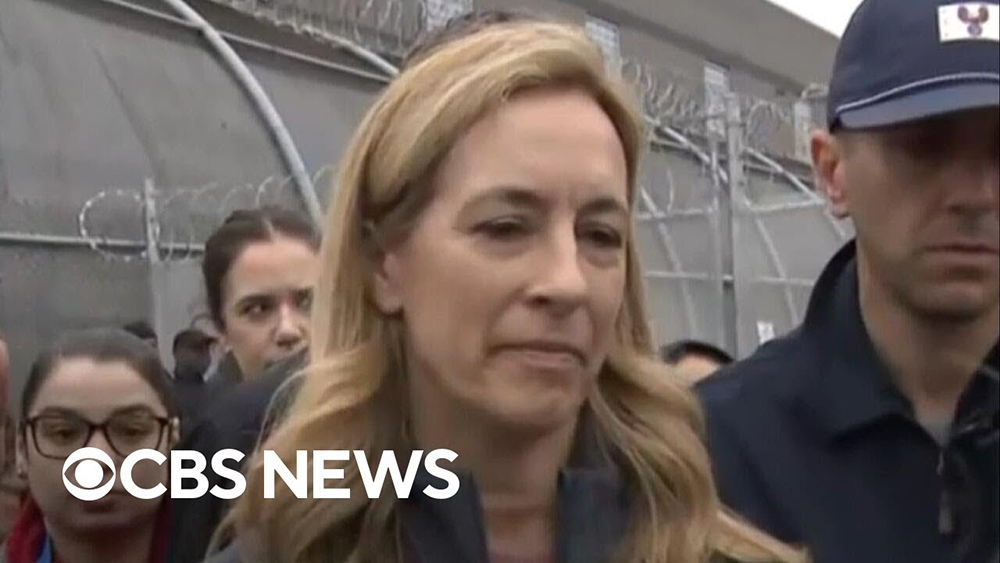
The group specifically singled out Governor Hochul, State Senator Sam Sutton, and Assemblymember Micah Lasher for what it described as steadfast leadership.
“Governor Hochul, Senator Sutton, and Assemblyman Lasher have demonstrated strong leadership in their unwavering effort to help ensure safe access to critical community institutions and safeguard the right to worship free of harassment and intimidation,” the statement continued.
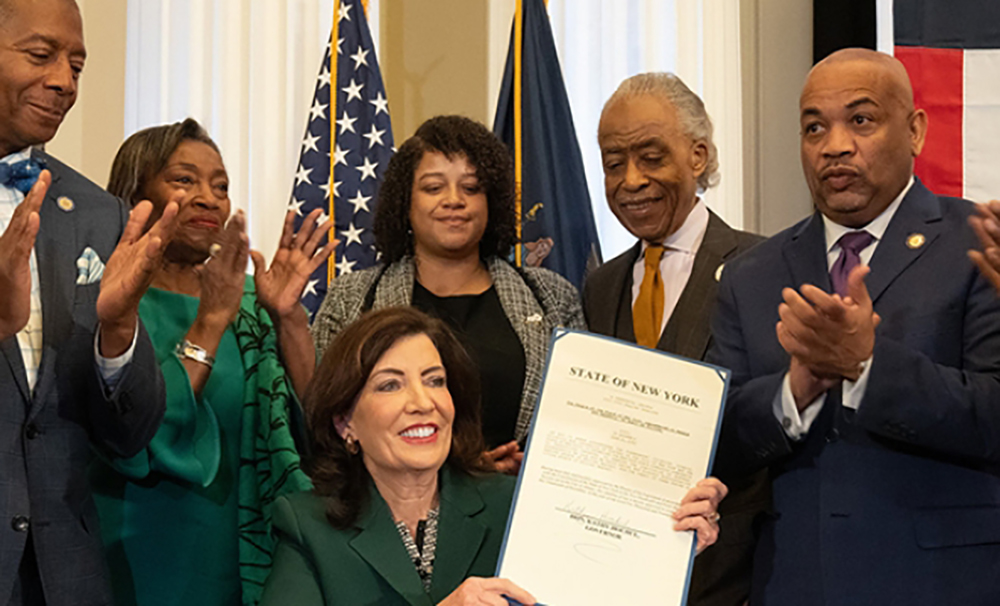
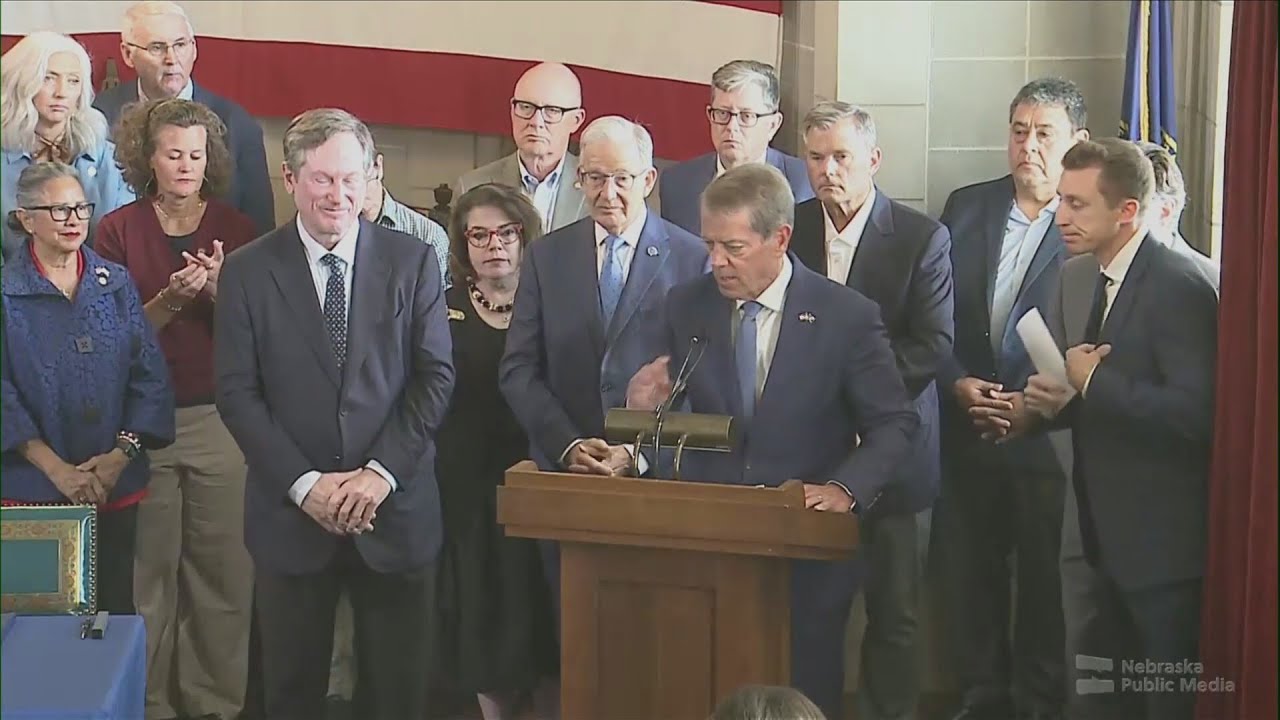
The legislation now heads to Hochul’s desk for formal enactment, with Jewish Insider reporting that the governor intended to sign the measure Tuesday evening.
Hochul herself framed the legislation not as a restriction on protest rights but as an affirmation of religious freedom and civil order.
“Every New Yorker should be able to enter their house of worship and practice their religion without fear,” Hochul said in a statement cited by Jewish Insider.
“As we’re witnessing an alarming rise in hate-fueled attacks and blatant antisemitism, I’m grateful our buffer zones legislation has passed and New Yorkers will be safer because of it.”
That language reflects the increasingly urgent tone adopted by many elected officials regarding antisemitism since the October 7 Hamas massacre in Israel and the subsequent war in Gaza.
Over the past year, New York has witnessed a succession of demonstrations outside synagogues, Jewish schools, and community institutions, some of which escalated into confrontations that Jewish leaders described as threatening and deeply intimidating.
The Flatbush Jewish Community Coalition, one of Brooklyn’s most prominent Jewish advocacy organizations, strongly endorsed the legislation following its passage.
In a statement issued Thursday, the organization praised Hochul along with Senator Sam Sutton and Assemblymembers Simcha Eichenstein and Kalman Yeger for what it characterized as “leadership and decisive action.”
The FJCC also acknowledged several additional lawmakers for supporting the proposal, including Assemblymembers Sam Berger, David Weprin, Stacey Pheffer Amato, Aron Wieder, Nily Rozic, and Amy Paulin.
The organization argued that the legislation represented a necessary corrective to what many Jewish residents increasingly perceive as inadequate governmental responses to escalating harassment near communal institutions.
“Every New Yorker deserves the ability to pray, gather, and access communal spaces free from harassment, intimidation, or disruption,” the FJCC stated.
“Safe spaces cannot exist through rhetoric alone. Action speaks louder than words, and New York’s elected leadership recognized the real consequences of inaction and responded accordingly.”
The coalition emphasized that preserving public safety and civil order remains a foundational responsibility of government.
“Protecting public safety and preserving civil order are fundamental responsibilities of government and essential to maintaining strong and secure communities,” the statement continued.
The FJCC further pledged to continue advocating for policies balancing constitutional freedoms with communal security concerns.
“The FJCC remains committed to advocating for responsible public policy that safeguards constitutional rights while reinforcing the safety, dignity, and security of all New Yorkers.”
Agudath Israel of America similarly applauded the measure, particularly emphasizing Governor Hochul’s role during contentious budget negotiations surrounding the legislation.
“We especially appreciated Governor Hochul’s leadership in prioritizing this issue during budget negotiations and her continued commitment to combating antisemitism and protecting those attending religious services across New York,” Agudath Israel stated Wednesday.
Yet despite widespread support from Jewish organizations, the legislation has generated significant criticism from civil liberties advocates who warn that the measure risks infringing upon constitutionally protected protest activity.
Jewish Insider noted that the state legislation exists alongside several related measures currently under debate in New York City concerning protest security perimeters around houses of worship and schools.
One recently enacted city law requires the NYPD to establish formal protocols governing deployment of security perimeters during demonstrations near religious institutions.
Another proposal concerning schools was initially vetoed by Mayor Zohran Mamdani before later being revised and reintroduced in the City Council.
Critics argue such measures may grant authorities excessive discretion to restrict demonstrations or criminalize expressive conduct occurring on public sidewalks and streets.
Civil liberties groups contend that protest rights — particularly regarding politically charged issues such as Israel and Palestine — deserve robust constitutional protection even when demonstrations generate discomfort or controversy.
Supporters of the legislation counter that the right to protest does not include the right to obstruct, intimidate, or terrify worshippers attempting to attend religious services or educational programs.
For many Jewish New Yorkers, the debate surrounding the legislation is inseparable from broader fears regarding the normalization of antisemitic rhetoric and increasingly confrontational anti-Israel activism.
Recent demonstrations outside synagogues and Jewish institutions have heightened those anxieties substantially.
The Jewish Insider emphasized that the legislation reflects a growing recognition among state officials that traditional policing tools may be insufficient to address situations where demonstrations effectively prevent safe and unobstructed access to communal facilities.
The legislation’s passage also underscores the evolving political influence of Jewish advocacy organizations within New York state politics, particularly amid intensifying concerns over antisemitism.
In recent months, Jewish communal leaders have repeatedly argued that the atmosphere surrounding protests targeting Jewish institutions has become markedly more volatile and threatening.
Many supporters of the bill insist the legislation is not intended to silence political dissent but rather to restore boundaries that protect religious liberty and personal safety.
Indeed, advocates frequently framed the issue as fundamentally bipartisan and nonpartisan — not a debate about Middle East policy, but about ensuring that Americans can freely worship without fear of harassment or intimidation.
The legislation’s ultimate impact will likely depend heavily upon enforcement practices, prosecutorial discretion, and inevitable judicial scrutiny.
Civil liberties organizations are widely expected to monitor implementation closely and potentially pursue legal challenges should they believe the law is applied too broadly.
Nevertheless, for supporters, the legislation represents a significant symbolic and practical milestone at a time when many Jewish New Yorkers feel increasingly besieged.
As the Jewish Insider highlighted throughout its report, proponents view the new buffer zones not merely as geographic perimeters, but as a reaffirmation that religious freedom includes the ability to enter houses of worship peacefully and safely, without obstruction, intimidation, or fear.
At a moment of profound social polarization and intensifying communal tension, New York’s leaders have now made unmistakably clear that they believe protecting access to religious institutions demands not only rhetoric, but enforceable legal safeguards.



