














|
Getting your Trinity Audio player ready...
|
By: Logan McGuire
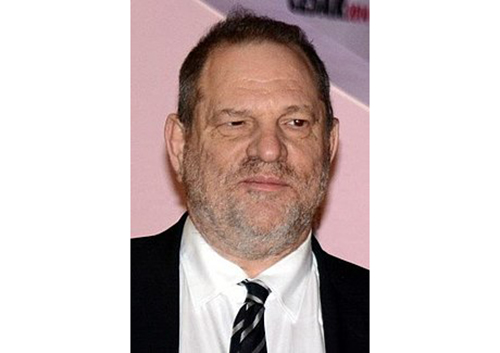
Convicted rapist Harvey Weinstein, currently serving a 23-year sentence, is making a last-ditch effort to overturn his 2020 Manhattan sex crimes conviction. His legal team is set to argue before New York’s highest appeals court, alleging that the #MeToo movement unfairly influenced the trial, depriving Weinstein of a fair hearing.
Weinstein’s attorney, Arthur Aidala, contends that the trial judge allowed the #MeToo movement’s fervor to permeate the courtroom, resulting in a biased environment against his client. Aidala argues that Justice James Burke’s rulings were swayed by the international outcry and Weinstein’s portrayal as “public enemy No.1” in the movement. The NY Post scooped out the latest on the forgotten Weinstein scandal.
The #MeToo movement, characterized by individuals worldwide sharing accounts of sexual assault and harassment, contributed to a deluge of allegations against Weinstein, with over 80 women accusing him of predatory behavior. Among the accusations were forcible oral sex and rape, leading to Weinstein’s conviction on charges related to assaults on Miriam “Mimi” Haleyi and Jessica Mann.
However, Weinstein’s defense maintains that the trial unfairly included extensive testimony about his past “bad acts,” turning it into a multifaceted case that impeded his rights. Additionally, they argue that a juror failed to disclose personal involvement in a book project about sexual predation, potentially introducing bias into the jury’s deliberations.
Despite the conviction, Weinstein’s trial was not without its setbacks for prosecutors. Notably, he was acquitted of top charges related to Mann, including predatory sexual assault. This partial victory for Weinstein’s defense underscores the complexity of the case and the contentious legal battles it has sparked.
As Weinstein’s legal team presents its arguments in Albany’s New York State Court of Appeals, prosecutors from the Manhattan District Attorney’s Office will counter, defending the integrity of the trial proceedings. The outcome of this appeal could have far-reaching implications, potentially impacting Weinstein’s future legal battles and the broader discourse surrounding accountability for sexual misconduct.
The proceedings, scheduled to commence at 4 p.m., will be broadcast live on YouTube, offering a glimpse into one of the most high-profile legal battles stemming from the #MeToo movement. If Weinstein’s conviction is overturned, the possibility of retrial looms, prolonging the legal saga that has gripped the public’s attention for years.
It’s worth noting that Weinstein also faces a separate 16-year prison sentence in a Los Angeles criminal case, further complicating his legal predicament and underscoring the widespread repercussions of his actions.
As Weinstein fights to reverse his conviction, the case serves as a poignant reminder of the enduring impact of the #MeToo movement and the ongoing struggle for justice in cases of sexual abuse and exploitation.
Harvey Weinstein, once a titan of Hollywood, rose to prominence as a powerhouse film producer, co-founding Miramax and later The Weinstein Company. His influence extended far beyond the silver screen, with his productions garnering critical acclaim and numerous accolades, including multiple Oscars. However, Weinstein’s success was overshadowed by a dark and pervasive pattern of sexual misconduct that spanned decades.
Revelations of his predatory behavior ignited the #MeToo movement in 2017, as numerous women came forward with allegations of sexual harassment, assault, and rape. The ensuing public outcry led to Weinstein’s swift downfall, as he was ousted from his company, faced criminal charges, and ultimately convicted in 2020 on sex crimes charges.



