


















|
Getting your Trinity Audio player ready...
|
Blakeman Rallies With Nick Shirley and Joe Sweeny for Canal Street Cleanup
Republican Gubernatorial Candidate Joins Community Cleanup Effort Amid Debate Over Public Safety and Street Conditions in Lower Manhattan
By: Andrew Carlson
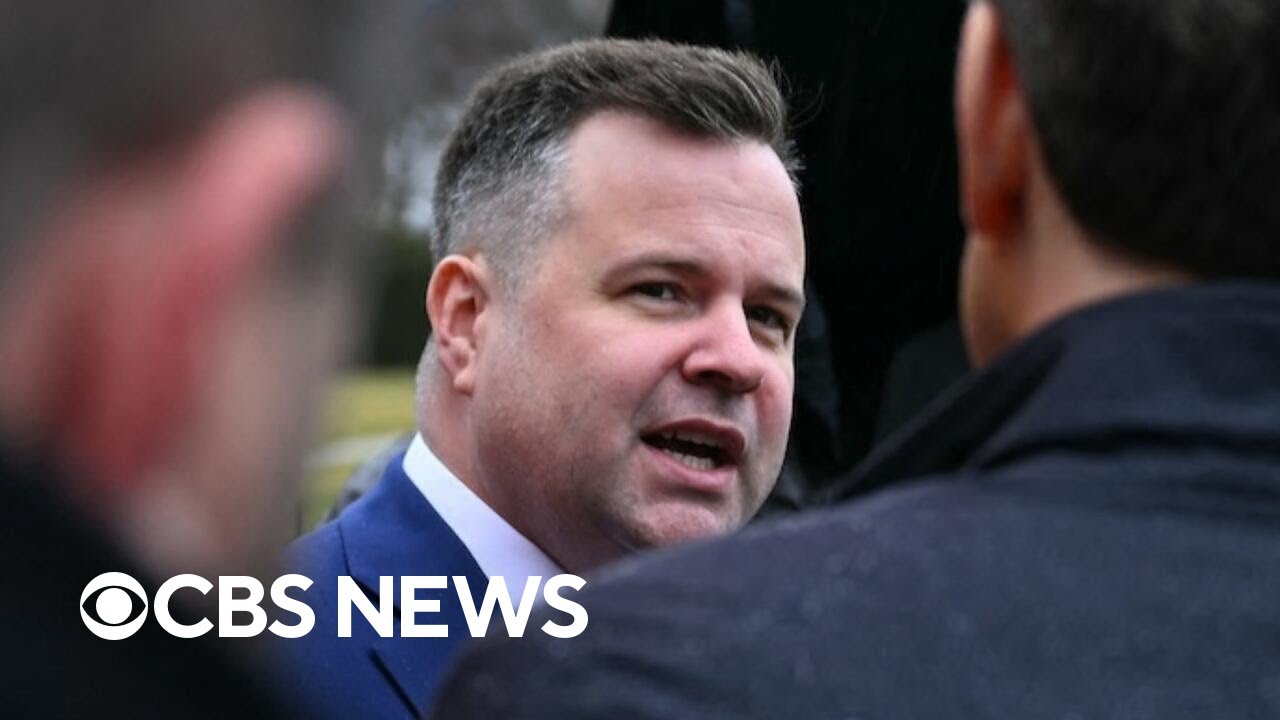
Republican gubernatorial candidate Bruce Blakeman joined independent journalist Nick Shirley and social media commentator Joe Sweeny on Canal Street on Saturday, participating in a public event focused on quality-of-life concerns, public safety, and neighborhood conditions in one of Manhattan’s most heavily trafficked commercial corridors.
The gathering, which combined a press event with a community cleanup initiative, drew attention to longstanding complaints regarding illegal street vending, public disorder, graffiti, and other concerns raised by residents, merchants, and visitors to the area. The event was later highlighted by The New York Post, which reported on the participants’ calls for increased enforcement and renewed attention to conditions along the historic thoroughfare.
Standing on Canal Street, Blakeman argued that conditions in the neighborhood have deteriorated in recent months and called for stronger governmental action to address what he characterized as declining quality-of-life standards.
“There has been a deterioration in the last 6 months of the quality of life in this community’s safety,” Blakeman said during remarks reported by The New York Post.
The Nassau County Executive, who is seeking New York’s governorship in the upcoming election, pointed to a variety of issues that he believes require immediate attention, including public sanitation concerns, unlicensed street vending, and the sale of counterfeit merchandise.
“People defecating and urinating in the streets; … peddlers without licenses are all over the place, peddling counterfeit goods,” Blakeman stated. “It’s a situation that needs to be cleaned up.”
According to The New York Post report, Blakeman also criticized city leadership, arguing that stronger enforcement efforts are needed to restore public confidence and improve neighborhood conditions.
Canal Street has long been one of New York City’s most recognizable commercial districts. Located at the crossroads of Chinatown, Little Italy, and Lower Manhattan, the area attracts large numbers of tourists, commuters, and shoppers each year.
At the same time, the corridor has frequently been the subject of concerns regarding counterfeit merchandise sales, sidewalk congestion, and illegal vending activity.
Over the years, city officials, law enforcement agencies, and community organizations have undertaken various initiatives designed to address these challenges. Despite those efforts, critics argue that many longstanding issues persist.
The New York Post reported that participants in Saturday’s event selected Canal Street specifically because of its symbolic importance and visibility within the broader discussion regarding public safety and urban quality of life.
Following the public remarks, Shirley and Sweeny joined volunteers in a neighborhood cleanup campaign that focused on removing graffiti and improving the appearance of local storefronts and nearby buildings.
Volunteers were observed painting over graffiti and addressing visible signs of vandalism that had accumulated on commercial properties in the vicinity.
“This stuff shouldn’t be happening here,” Shirley said, according to The New York Post report. “This is one of the nicest spots of New York City. We shouldn’t allow our streets to look like this,” he added.
The cleanup effort was intended to demonstrate what organizers described as a community-driven approach to improving neighborhood conditions while drawing public attention to broader concerns about maintenance and enforcement.
Participants emphasized that beautification efforts can play an important role in restoring civic pride and encouraging greater investment in local communities.
While the event featured criticism of government policies, Sweeny emphasized that he views public cleanliness and safety as issues that transcend partisan politics.
According to The New York Post report, he extended an open invitation to public officials from across the political spectrum to participate in future cleanup efforts. “If Mamdani or Hochul, or anyone from the left wanted to come down here and help out, they’ve got an open invitation,” Sweeny said.
“This is about clean and safe communities,” he continued. “That’s not a right thing; that’s not a left thing; that’s not a conservative thing. It’s not a liberal thing. I think this is something that the spectrum of folks can come out and support, and I frankly wish that they would.”
Those remarks reflected a broader theme advanced by organizers throughout the event: that concerns about public safety, cleanliness, and neighborhood quality affect residents regardless of political affiliation.
One of the principal issues highlighted during the event involved allegations regarding illegal street vending.
Canal Street has historically been associated with unauthorized sales of counterfeit goods, a problem that has periodically drawn enforcement actions from local, state, and federal authorities.
The New York Post report noted that critics believe enforcement efforts have not been sufficient to eliminate the problem permanently. Participants argued that unlicensed vending operations create unfair competition for legitimate businesses while contributing to sidewalk congestion and public-order concerns.
Supporters of stricter enforcement maintain that stronger oversight is necessary to protect consumers, support licensed merchants, and uphold commercial regulations.
Others have argued that the issue is intertwined with broader economic and immigration challenges that require comprehensive policy solutions extending beyond local enforcement efforts.
Interestingly, organizers reported that there were few visible signs of illegal street vending activity during the event itself. According to The New York Post report, this followed recent enforcement efforts conducted by the New York Police Department earlier in the week.
The absence of vendors during the approximately 2-hour gathering became a subject of discussion among participants, some of whom argued that increased enforcement can have a visible impact on neighborhood conditions.
City officials have previously emphasized that enforcement operations are ongoing and that efforts to address illegal commercial activity continue throughout Lower Manhattan.
Saturday’s event took place amid broader citywide debates regarding public safety, quality-of-life enforcement, homelessness, sanitation, and economic development.
Many of these issues have become central topics of political discussion in New York as elected officials, community leaders, advocacy organizations, and residents debate how best to balance public safety, civil liberties, economic opportunity, and neighborhood revitalization.
The New York Post reported that participants viewed Canal Street as an example of larger challenges facing urban communities. Advocates of stronger enforcement argue that visible disorder can undermine public confidence and negatively affect local businesses.
Others contend that sustainable solutions require investments in housing, social services, workforce development, and economic opportunity alongside traditional law-enforcement strategies.
As New York continues to grapple with complex urban challenges, Canal Street remains a highly visible symbol of competing visions for how the city should address public order, commerce, and community well-being.
Saturday’s event brought renewed attention to those debates while highlighting concerns expressed by local residents, merchants, and visitors.
Whether through increased enforcement, community-led cleanup efforts, policy reforms, or a combination of approaches, the issues raised during the gathering are likely to remain part of the public conversation in the months ahead.
For participants, the message was straightforward: maintaining safe, clean, and welcoming public spaces remains an important objective for one of the world’s most iconic cities.
As discussions continue among policymakers, business owners, and community advocates, Canal Street stands as both a challenge and an opportunity—a highly visible reminder of the ongoing effort to preserve the vitality and character of New York City’s neighborhoods



