



























Tragedy in Central Park: Teen Dies After Horse-Drawn Carriage Accident Renews Safety Concerns
By: Alexis Mayerowitz
A tragic accident involving one of New York City’s iconic horse-drawn carriages has resulted in the death of an 18-year-old passenger, casting a somber shadow over a long-running attraction that has for generations been associated with leisurely rides through Central Park.
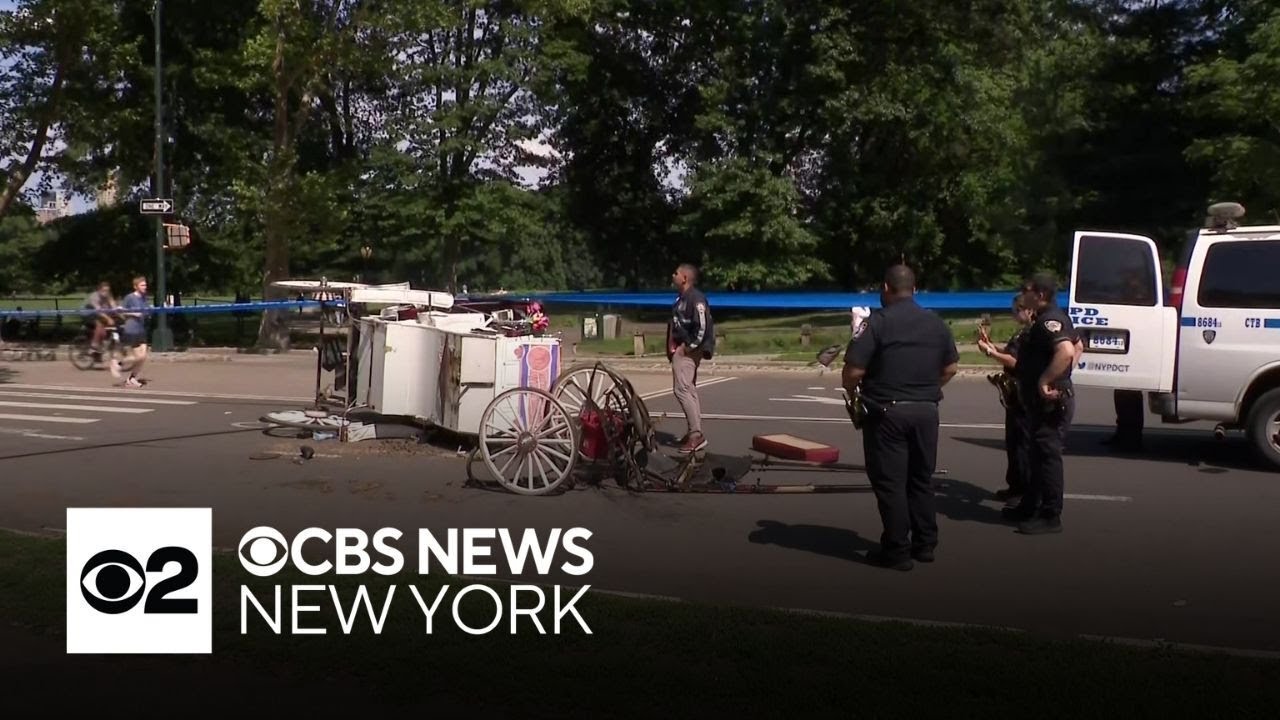
According to information reported by the Associated Press late on Wednesday, the teenager died after being thrown to the ground when a carriage horse unexpectedly bolted away from its driver on Wednesday, triggering a chain of events that left multiple passengers injured and renewed questions about safety protocols within the carriage industry.
The New York Police Department confirmed that the victim, an 18-year-old passenger riding in the carriage with three other individuals, suffered catastrophic injuries during the incident. Authorities reported that the young man was initially transported to a nearby hospital in critical condition following the accident.
Despite intensive medical treatment, police later confirmed that he succumbed to his injuries.
The death has stunned city residents and prompted expressions of grief from community members, transportation advocates, and individuals connected to New York City’s horse-drawn carriage industry.
According to the AP report, the accident occurred when the horse unexpectedly broke away and accelerated beyond the driver’s control. The sudden movement caused passengers to be violently thrown from the carriage, resulting in serious injuries.
Emergency responders arrived quickly at the scene and transported the victims to area hospitals for treatment.
The precise circumstances that caused the horse to bolt remain under investigation.
Authorities have not yet released detailed findings regarding what may have startled or agitated the animal. Investigators are expected to review witness statements, examine the carriage equipment, and evaluate whether any environmental or operational factors contributed to the accident.
The tragedy has also drawn attention to the horse involved in the incident.
A representative of the Transport Workers Union, which represents employees in the carriage industry, told the AP that the horse had been working in Central Park for only six weeks.
That revelation has generated additional questions regarding training procedures, acclimation periods, and the challenges associated with introducing horses to the unique environment of New York City’s busiest urban park.
Central Park presents conditions unlike those encountered in many traditional equestrian settings.
Carriage horses routinely navigate crowded pathways, heavy pedestrian traffic, cyclists, emergency vehicles, loud noises, and unpredictable urban activity. Industry advocates have long argued that horses undergo extensive preparation before being placed into service.
Nevertheless, critics of the industry contend that the urban environment can create stressors that increase risks for both animals and passengers.
The AP report noted that horse-drawn carriages remain among New York City’s most recognizable tourist attractions, drawing visitors from around the world who seek a traditional ride through the city’s most famous park.
The industry has operated for generations and has frequently found itself at the center of public debates concerning animal welfare, labor issues, tourism, and public safety.
In the wake of Wednesday’s tragedy, those discussions are likely to intensify.
Advocates for horse-drawn carriage operators emphasize that serious accidents remain relatively uncommon given the thousands of rides conducted each year. They point to longstanding regulations governing horse health, veterinary oversight, driver licensing, and operational standards.
At the same time, opponents argue that even isolated incidents underscore inherent risks associated with operating horse-drawn vehicles in densely populated urban environments.
The death of a young passenger is expected to amplify calls for renewed scrutiny of existing safety measures.
City officials have not yet announced whether additional reviews or regulatory changes will be considered as a result of the incident.
For now, investigators remain focused on determining exactly what occurred.
The identities of the other passengers involved have not been broadly disclosed, and authorities have not provided detailed updates regarding their conditions. However, officials indicated that multiple individuals were affected by the accident.
The emotional impact of the tragedy has been profound.
What began as an ordinary carriage ride through one of New York City’s most celebrated landmarks ended in a devastating loss of life, transforming a routine outing into an event that has shaken both the tourism community and city residents.
The accident serves as a stark reminder of the unpredictability that can accompany even seemingly familiar and well-established activities.
For the victim’s family, the loss is immeasurable. For the carriage industry, the incident represents one of its most serious recent tragedies. And for New York City, it marks a heartbreaking moment that has once again placed the future of horse-drawn carriage operations under public scrutiny.
As investigators continue their work and additional details emerge, attention will remain focused on the circumstances that led to the accident, the adequacy of existing safety protocols, and whether further measures can be implemented to reduce the likelihood of similar tragedies in the future.
Until those questions are answered, the death of an 18-year-old passenger will stand as a sobering reminder that even cherished traditions can carry risks—and that a single unforeseen moment can forever alter countless lives.



