











Trump Admin Escalates Crackdown on Antifa-Linked Networks Amid Sweeping Federal Enforcement Campaign
By: Fern Sidman
The Trump administration is intensifying what it describes as a nationwide effort to dismantle alleged Antifa-linked extremist networks, with the Department of Justice announcing on Wednesday a series of prosecutions that officials say represent some of the most significant actions yet in a broader federal campaign targeting politically motivated violence, attacks on immigration enforcement personnel, and coordinated efforts to obstruct government operations.
The latest development came this week when federal prosecutors announced charges against 15 individuals accused of participating in a conspiracy to disrupt and impede immigration enforcement activities in Minneapolis. Administration officials characterized the case as a major victory in an ongoing effort to investigate and prosecute individuals allegedly connected to militant anti-government and anarchist movements.
According to the Justice Department, the defendants are accused of coordinating activities designed to interfere with federal immigration operations during what authorities described as “Operation Metro Surge,” a large-scale enforcement initiative conducted by Immigration and Customs Enforcement.
Federal officials allege that participants employed a variety of tactics, including blockades, surveillance of government vehicles, tracking of law enforcement personnel, and coordinated efforts intended to disrupt federal operations.
The charges have been hailed by administration officials as evidence that the federal government is aggressively pursuing individuals accused of engaging in unlawful efforts to obstruct immigration enforcement.
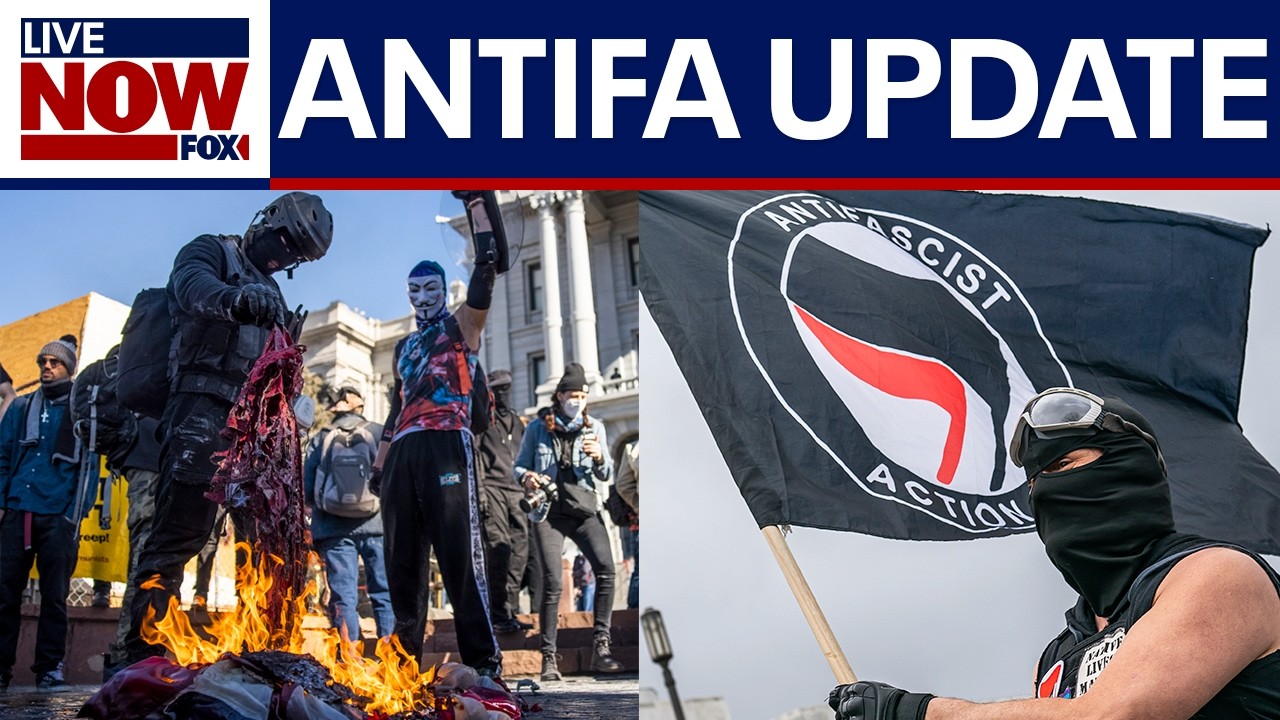
The developments come against the backdrop of a broader policy initiative launched by President Trump, who last year designated Antifa as a domestic terrorist organization and pledged to use what he described as the “full force” of federal law enforcement resources to investigate and dismantle networks allegedly involved in political violence.
Administration officials argue that the designation has enabled more coordinated action among federal agencies and has provided a framework for pursuing individuals accused of participating in violent demonstrations, attacks on government facilities, and organized campaigns targeting federal personnel.
Supporters of the administration’s approach contend that the federal government has an obligation to protect law enforcement officers and public institutions from politically motivated violence regardless of ideological affiliation.
Critics, however, have questioned aspects of the designation and the administration’s characterization of Antifa, noting that the term has historically been used to describe a decentralized movement rather than a single hierarchical organization.
Despite those debates, federal authorities continue to advance cases that they say demonstrate the existence of organized networks engaging in coordinated unlawful activity.
The Minneapolis case is only the latest example cited by administration officials.
According to the Justice Department, a separate case emerged earlier this year involving a self-described Antifa supporter who was charged with cyberstalking and making threats against Immigration and Customs Enforcement officers.
Federal prosecutors alleged that the individual targeted law enforcement personnel involved in immigration operations, raising concerns about the safety and security of federal agents carrying out official duties.
The administration has repeatedly emphasized that threats directed at law enforcement officers will be treated as serious federal offenses.
The government’s broader campaign has also focused considerable attention on events in Oregon.
Federal officials point to months of unrest surrounding an Immigration and Customs Enforcement facility in Portland as evidence of what they describe as sustained efforts by activists to interfere with government operations.
Authorities allege that demonstrators repeatedly assaulted officers, damaged property, and used incendiary devices during confrontations outside the facility.
According to government statements, dozens of arrests have been made and multiple convictions have already been secured. Federal prosecutors argue that these outcomes demonstrate the effectiveness of a strategy focused on long-term investigations rather than solely responding to individual incidents.
Texas has emerged as another focal point in the administration’s enforcement efforts. In March, federal authorities announced convictions involving members of what prosecutors described as a North Texas Antifa cell. According to court filings and government statements, several defendants were convicted on terrorism-related charges connected to an armed attack targeting an immigration detention facility. Additional defendants reportedly entered guilty pleas in related proceedings.
Federal officials described the case as one of the most significant prosecutions arising from alleged extremist activity directed against immigration enforcement infrastructure.
The administration has consistently cited the Texas case as evidence that politically motivated violence can evolve into organized criminal activity requiring extensive federal intervention.
In Washington state, federal prosecutors secured conspiracy convictions against multiple individuals accused of participating in a violent attack on an immigration facility in Spokane.
Authorities alleged that the defendants coordinated actions intended to disrupt government operations and endanger personnel. Administration officials have pointed to the convictions as another example of successful interagency cooperation involving federal investigators, prosecutors, and law enforcement agencies.
New Jersey has likewise featured prominently in recent enforcement announcements. Federal authorities reported dozens of arrests and criminal charges stemming from unrest at an immigration detention center in Newark. Government officials alleged that demonstrators engaged in unlawful conduct during a confrontation that escalated into violence.
The incident generated significant media attention and further intensified national debates regarding immigration policy, protest tactics, and law enforcement responses. California authorities have also pursued high-profile cases involving alleged extremist activity.
Federal prosecutors announced charges against individuals accused of participating in a coordinated bombing plot targeting businesses, vehicles, immigration personnel, and other sites across Southern California.
According to government allegations, investigators uncovered evidence of planning and coordination that extended beyond isolated acts of vandalism. The administration described the case as further evidence that law enforcement agencies must remain vigilant against ideologically motivated threats.
Meanwhile, in Indiana, federal authorities secured the sentencing of an individual accused of threatening to bomb government facilities and assassinate prominent political figures. Prosecutors argued that the case underscored the dangers posed by individuals who move beyond rhetoric and allegedly begin planning acts of violence.
The cumulative effect of these cases has enabled the administration to present a narrative of sustained progress in what officials characterize as a nationwide effort to combat domestic extremism.
Senior administration figures have repeatedly emphasized that investigations will continue regardless of political pressure or public criticism. Federal officials argue that their focus remains on criminal conduct rather than ideology itself. “We will investigate, disrupt, prosecute, and dismantle networks that engage in violence against law enforcement officers and government institutions,” administration officials have said in various public statements.
President Trump has frequently highlighted the prosecutions as evidence that his administration is delivering on campaign promises to restore law and order and strengthen public safety.
Supporters contend that aggressive enforcement sends an important message that attacks on federal officers and facilities will carry severe consequences. They argue that the prosecutions demonstrate the government’s commitment to protecting law enforcement personnel who often operate in highly contentious environments.
At the same time, civil liberties advocates have urged caution, warning that political labels should not substitute for individualized evidence in criminal proceedings. Legal experts note that ultimate determinations of guilt or innocence remain the responsibility of courts and juries, and they emphasize the importance of due process protections in all cases.
Those competing perspectives have ensured that the administration’s campaign remains both politically consequential and legally significant. What remains clear is that federal authorities are dedicating substantial resources to these investigations.
The Justice Department’s recent actions suggest that the administration intends to continue expanding its efforts, pursuing additional prosecutions, and publicizing cases that officials believe demonstrate organized attempts to obstruct federal operations.
For supporters of the administration, the prosecutions represent tangible progress in confronting what they view as a serious domestic security threat.
As additional cases move through the courts and further investigations unfold, the debate surrounding the administration’s strategy is likely to remain a prominent feature of the national political landscape.
Whether viewed as a necessary law-enforcement initiative or a controversial expansion of federal power, the campaign has become one of the most visible components of the Trump administration’s broader approach to domestic security, immigration enforcement, and public order.