

















By: Jeff Gorman
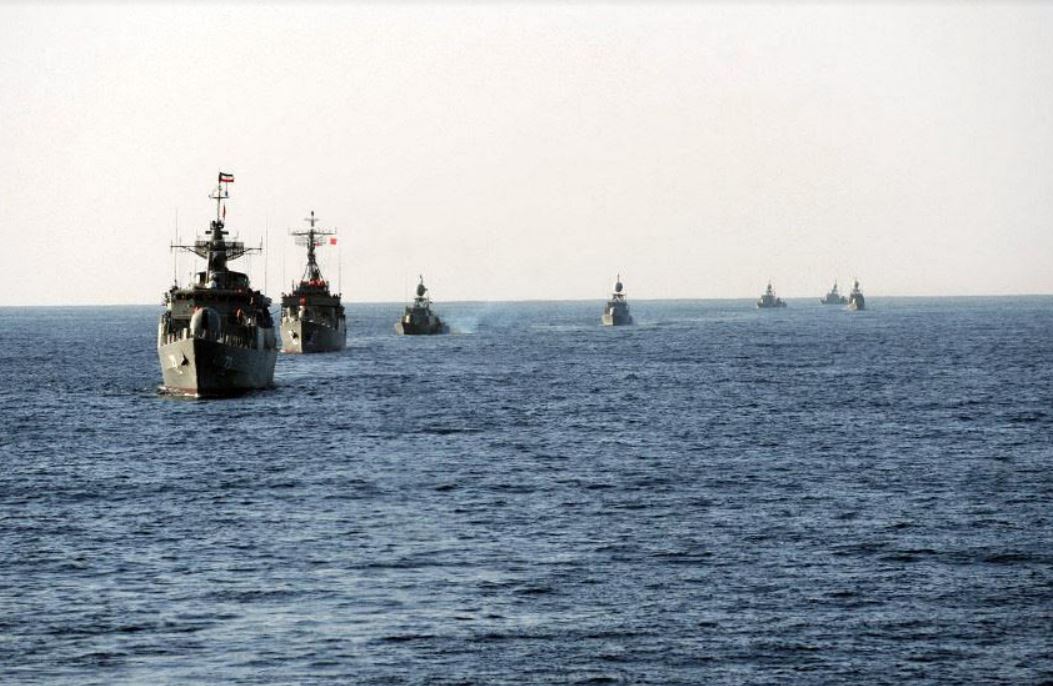
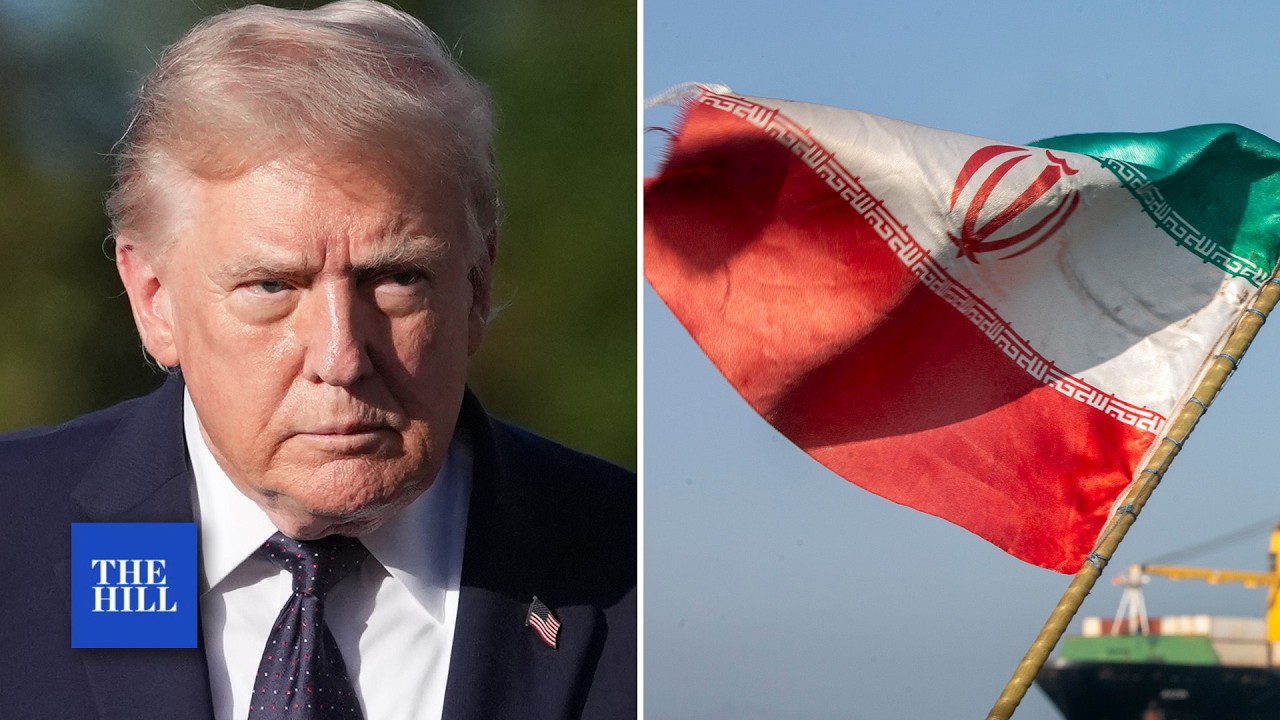
President Donald Trump announced on Monday that commercial maritime traffic had begun resuming passage through the strategically vital Strait of Hormuz, describing the development as an early dividend of the emerging diplomatic framework between Washington and Tehran, according to a report at The Jewish News Syndicate (JNS).
In a statement posted on his Truth Social platform, Trump asserted that vessels carrying petroleum products were once again navigating one of the world’s most critical energy corridors following the agreement reached with the Iranian regime.
“Ships are starting to move, many loaded up with oil, out of the Strait of Hormuz,” Trump wrote, according to JNS. “They are going along the southern ‘highway,’ which is totally safe, secure, and pristine.”
The president added that alternative maritime routes were also available, suggesting that regional shipping operations were gradually returning to normal after months of heightened tensions and disruptions that had threatened global energy markets.
In announcing the reopening of the critical waterway, Trump sought to emphasize the potential economic benefits of renewed maritime commerce.
“Ships of the world, start your engines,” the president declared. “Let the oil flow.”
Trump subsequently expanded upon the significance of the reported agreement, portraying it as a landmark diplomatic achievement with implications extending far beyond maritime commerce.
According to JNS, the president characterized the framework as a transformative opportunity capable of reshaping the security environment across the Middle East. “This great deal will bring peace and security to the whole region,” Trump stated.
Trump specifically linked the reopening of the Strait of Hormuz to ongoing efforts aimed at restoring commercial navigation and removing obstacles to maritime trade. “With the opening of the strait upon the signing of the deal on Friday, for purposes of mine removal, oil will flow on both ends again for the region and the world,” he added.
While the White House has promoted the framework as a major diplomatic success, Iranian officials have also begun publicly discussing elements of the reported agreement.
Iranian Deputy Foreign Minister Kazem Gharibabadi confirmed during a televised interview that a memorandum of understanding between Tehran and Washington had been finalized and was scheduled for formal signing in Switzerland on Friday. The Iranian official indicated that negotiators in Tehran viewed the outcome favorably and believed that key Iranian priorities had been incorporated into the draft.
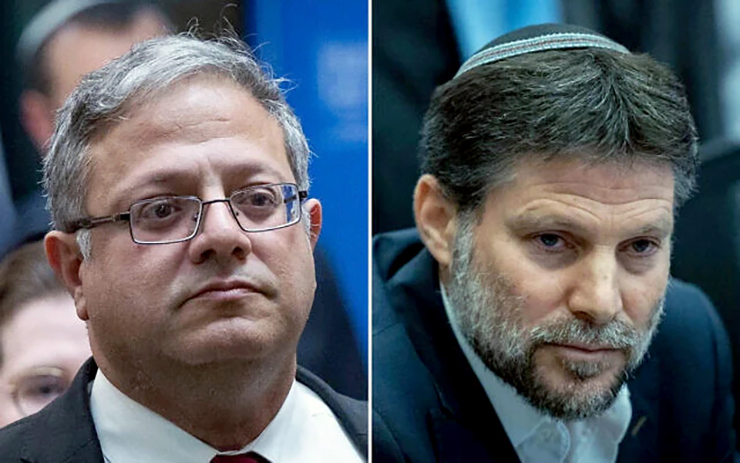
Gharibabadi stated that Iran had successfully secured provisions reflecting what he described as the country’s essential interests. “We incorporated all our important positions into the draft,” he said, according to comments carried by Tasnim News Agency, a semi-official Iranian outlet associated with the Islamic Revolutionary Guard Corps.
The Iranian diplomat further indicated that implementation of certain provisions would begin almost immediately.
According to JNS, Gharibabadi stated that the American naval blockade affecting Iranian ports would begin to be lifted Monday night, marking one of the first tangible steps associated with the emerging arrangement.
The official also outlined several broader objectives contained within the framework.
The agreement reportedly calls for the immediate and permanent cessation of military operations across multiple theaters of conflict, including Lebanon.
Gharibabadi further indicated that a 60-day negotiating period would follow the signing of the memorandum, during which both sides would seek to resolve outstanding disputes involving sanctions relief, Iran’s nuclear activities, and reconstruction mechanisms intended to address economic and infrastructure concerns.
The reported framework has already generated significant international attention because of its potential impact on regional security, energy markets, and future diplomatic relations between Washington and Tehran.
Amid intensifying debate over a proposed diplomatic framework between Washington and Tehran, a senior American official has forcefully rejected Iranian media reports suggesting that the Islamic Republic will receive billions of dollars in frozen assets before substantive negotiations on a final agreement begin, according to reporting cited by World Israel News.
The dispute has emerged as one of the most contentious aspects of an evolving memorandum of understanding that President Trump has characterized as a major diplomatic breakthrough. At the center of the controversy are sharply conflicting narratives regarding sanctions relief, access to frozen Iranian funds, and the sequencing of concessions that would accompany a broader effort to reduce tensions across the Middle East.
According to World Israel News, the unnamed U.S. official, speaking to Axios, dismissed Iranian claims that Tehran would receive immediate and unconditional access to substantial financial resources prior to entering a proposed 60-day negotiating process.
“This is completely not true,” the official told Axios, according to World Israel News. “This is a pay-for-performance deal and no frozen funds will be released without the Iranians implementing their commitments.”
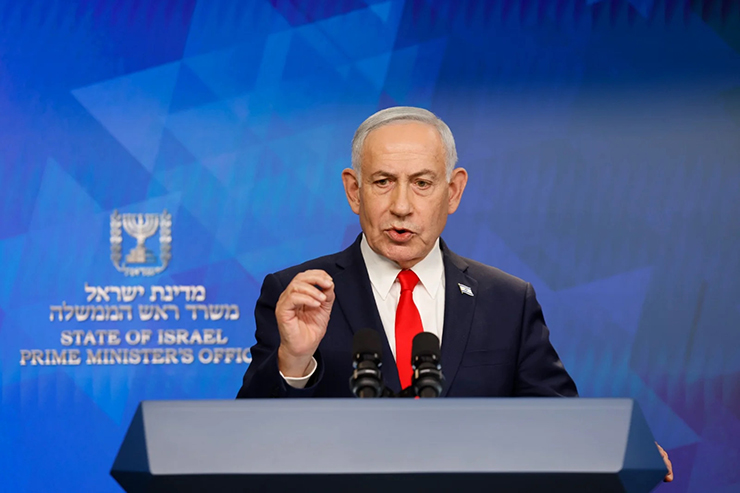
A rare display of political unanimity has emerged across Israel’s often deeply divided political landscape, as senior leaders from both the governing coalition and opposition parties voiced strong objections on Monday to the developing diplomatic framework between the United States and Iran. Officials from across the Israeli political spectrum warned that any agreement negotiated between Washington and Tehran must not come at the expense of Israel’s security, military freedom of action, or strategic interests throughout the region.
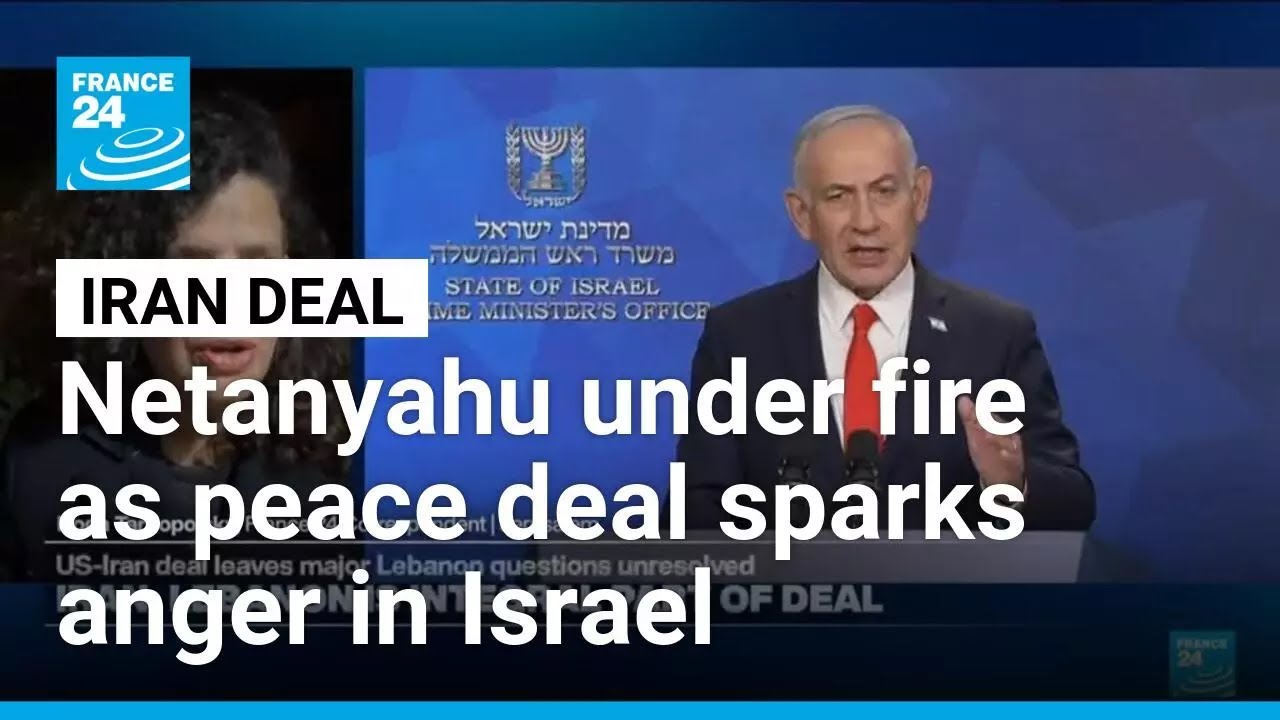
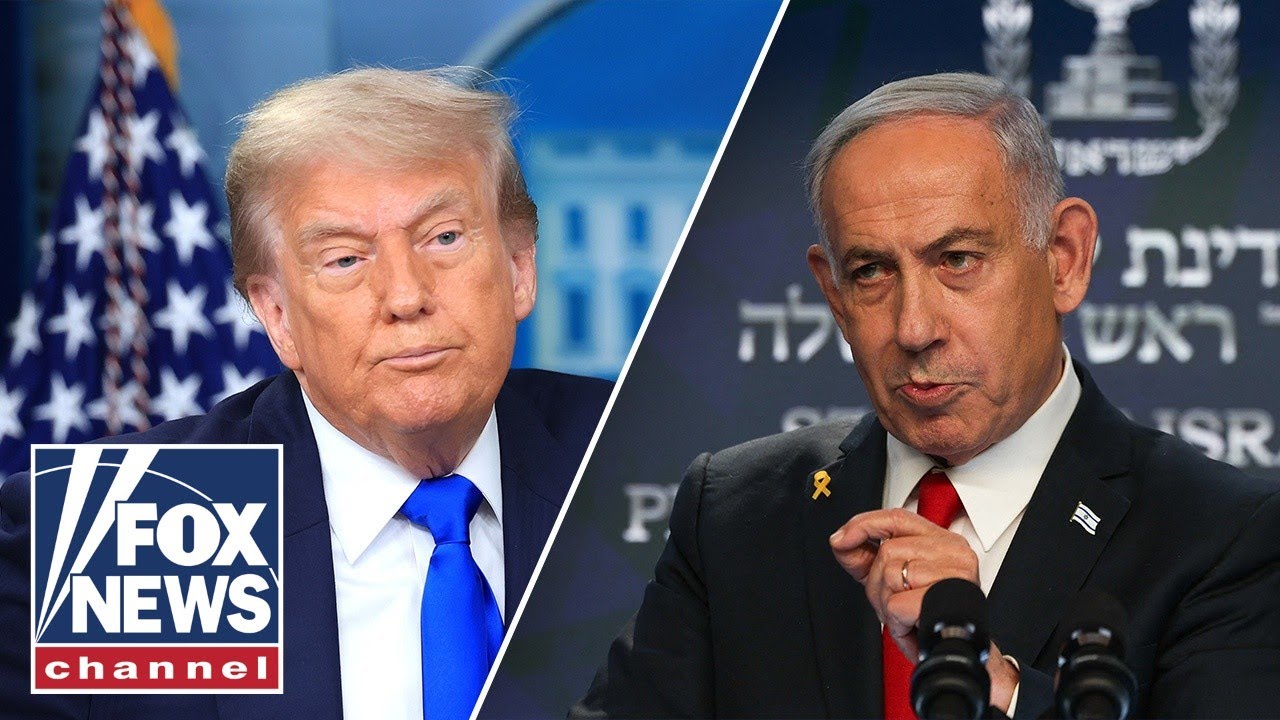
Israeli Prime Minister Benjamin Netanyahu publicly addressed the emerging agreement between the United States and Iran for the first time on Monday evening, using a nationally televised press conference to reaffirm Israel’s unwavering opposition to a nuclear-armed Iran while defending the strategic achievements of recent Israeli military operations.
According to Israel National News, Netanyahu portrayed the confrontation with Iran’s nuclear ambitions as the defining mission of his political life and emphasized that Israel’s determination to prevent Tehran from acquiring nuclear weapons remains unchanged regardless of diplomatic developments between Washington and the Islamic Republic.
“My life’s mission is the fight against the Iranian nuclear program,” Netanyahu declared. “With or without an agreement, Iran will not have nuclear weapons—not today and not tomorrow.”
The prime minister’s remarks came amid intense debate within Israel regarding the implications of the emerging U.S.-Iran understanding and growing concern among many Israeli officials that diplomatic concessions could weaken pressure on Tehran at a critical moment.
Seeking to reassure the Israeli public, Netanyahu argued that recent military and strategic efforts had already produced substantial results by reducing what he described as an immediate existential threat facing the Jewish state.
“People ask what we have achieved, and the answer is: we have removed the threat of immediate annihilation from us,” he said.
The prime minister further contended that Israel’s actions had inflicted severe economic damage upon the Iranian regime and significantly diminished its capacity to project power throughout the region.
Netanyahu stated that assessments of the economic impact on Iran have reached extraordinary levels.
“We caused enormous damage to Iran’s economy,” Netanyahu said. “Some estimate it at a trillion dollars.”
While emphasizing the accomplishments achieved thus far, the Israeli leader cautioned that the broader struggle against Iran and its regional network of allied organizations remains far from complete.
“The struggle is not over and done with,” Netanyahu stated. “We must continue to stand guard, be strong and determined, and defend ourselves as much as necessary.”
His comments reflected a recurring theme that has defined Israeli security doctrine in recent years: the belief that vigilance, deterrence, and military readiness remain essential components of national survival in an increasingly volatile regional environment.
Netanyahu stressed that Israel’s security challenges extend beyond Iran itself and encompass a broader constellation of threats operating throughout the Middle East.
“This is true against Iran’s terrorist arms, and not only against it,” he said, according to Israel National News.
The prime minister also linked current Israeli policy to the profound national trauma created by the Hamas attacks of October 7, which fundamentally reshaped Israel’s strategic outlook and accelerated efforts to prevent hostile organizations from establishing military footholds near Israeli territory.
Netanyahu reiterated a doctrine that has become central to his government’s security strategy since those attacks. “After October 7, I established a simple principle,” he said. “We will not allow terrorist organizations to establish themselves on our borders.”
The prime minister argued that Israel has fundamentally altered the strategic equation through its willingness to take decisive action against emerging threats.
“We have broken through the barrier of fear and we are harming those who seek our lives,” Netanyahu added.
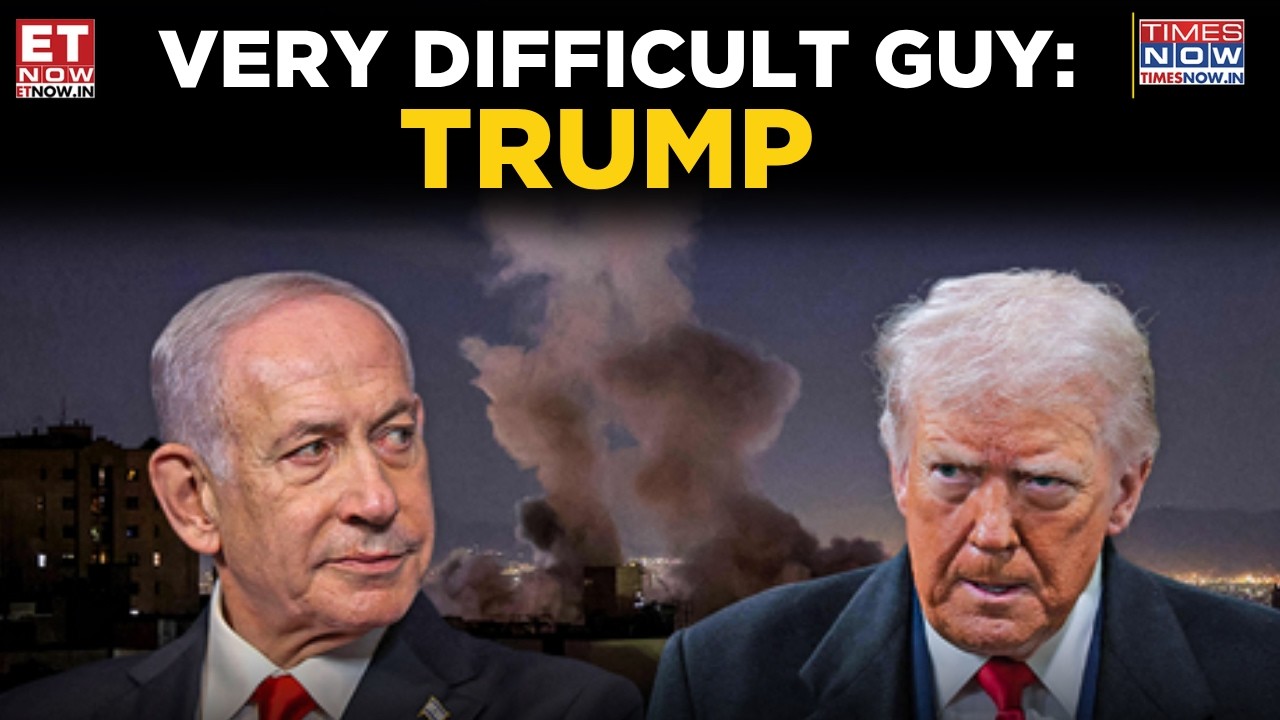
A significant portion of the press conference focused on Netanyahu’s relationship with President Trump, particularly amid reports of disagreements between Jerusalem and Washington regarding the emerging diplomatic framework with Iran.
Despite widespread speculation about growing tensions between the two leaders, Netanyahu sought to portray the relationship as both cooperative and mature, while acknowledging that differences occasionally arise.
Netanyahu emphasized the distinct responsibilities carried by each leader. “Trump is the President of the United States and I am the Prime Minister of Israel,” he said.
The prime minister acknowledged that complete policy alignment is neither realistic nor necessary between allied governments. “There are times when President Trump and I do not see eye to eye,” Netanyahu stated. “We need to stand up for Israel’s security interests wisely.”
His remarks appeared intended to strike a careful balance between preserving the strategic alliance with Washington and reinforcing Israel’s determination to safeguard its own national interests when disagreements emerge.
When asked directly whether he or President Trump ultimately determines Israeli defense policy, Netanyahu responded by rejecting competing narratives that have circulated in both countries regarding the influence each leader supposedly exerts over the other.
Netanyahu dismissed the suggestion that either government dictates policy to the other. “In the United States, they say that President Trump does everything that I ask, and in Israel, they say the opposite,” Netanyahu remarked. “That’s not true, and that’s not true.”
Instead, he described the relationship as a partnership characterized by both cooperation and occasional disagreement. “This is a relationship of partners,” he said. “A lot of times we agree, a lot of times we don’t. It happens in the best families.”
The comments reflected Netanyahu’s effort to portray the U.S.-Israel alliance as resilient enough to withstand policy differences without undermining the broader strategic partnership between the two nations.
One of the most closely watched moments of the press conference came when Netanyahu was asked whether he intends to oppose President Trump’s emerging agreement with Iran as forcefully as he opposed previous diplomatic efforts involving Tehran.
The question referenced Netanyahu’s longstanding opposition to earlier nuclear agreements and sought to determine whether he would mount a similar campaign against the current framework.
Netanyahu rejected the comparison, arguing that the strategic environment today differs fundamentally from previous periods of diplomacy. “The basic difference between the situation then and the situation now is that every agreement is accompanied by a credible military threat,” Netanyahu explained.
He argued that previous negotiations lacked the deterrent pressure necessary to influence Iranian calculations. “Then, there was no military threat,” he said.
By contrast, Netanyahu asserted that recent military operations have created a dramatically different environment in which Iran understands that the possibility of force remains real and immediate. “Today, because of what we did—not only the United States, but also because of us,” Netanyahu stated.
The prime minister highlighted the scale of Israel’s military campaign, pointing to extensive operational activity conducted against Iranian targets and affiliated infrastructure. Netanyahu specifically referenced approximately 14,000 bombing runs as evidence of the pressure that has been brought to bear against Tehran and its regional network. “That’s the biggest difference,” he said. “There is a credible military threat.”
For Netanyahu and many within Israel’s security establishment, that credibility appears to be the central factor distinguishing the current diplomatic process from previous efforts.
The prime minister’s remarks suggest that while he may harbor concerns regarding elements of the emerging agreement, he views the existence of sustained military pressure as an essential safeguard against Iranian noncompliance.
More broadly, the press conference illustrated the complex position confronting Israeli policymakers as Washington advances negotiations with Tehran.
On one hand, Israeli leaders remain deeply skeptical of Iranian intentions and continue to insist that Tehran must never be permitted to acquire nuclear weapons capabilities. On the other hand, the United States remains Israel’s most important strategic ally, creating a delicate diplomatic balancing act as discussions continue.
Netanyahu sought to navigate that challenge by emphasizing both Israel’s appreciation for its alliance with Washington and its unwavering commitment to defending itself independently when necessary.
His message was ultimately one of cautious confidence: that recent military achievements have significantly altered the strategic landscape, that the threat from Iran remains serious but manageable, and that Israel retains both the capability and the determination to act decisively should circumstances require it.
Whether the emerging U.S.-Iran agreement ultimately succeeds or encounters future obstacles, Netanyahu made clear that Israel’s core objective remains unchanged.
The prime minister’s position can be summarized in a single principle that has guided much of his political career: Iran must never be allowed to obtain nuclear weapons, and Israel will continue to do whatever it believes necessary to ensure that outcome.



