







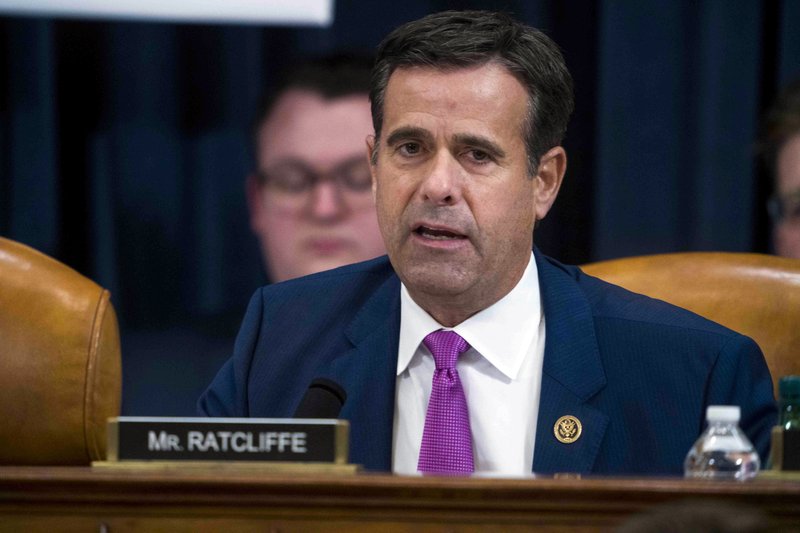
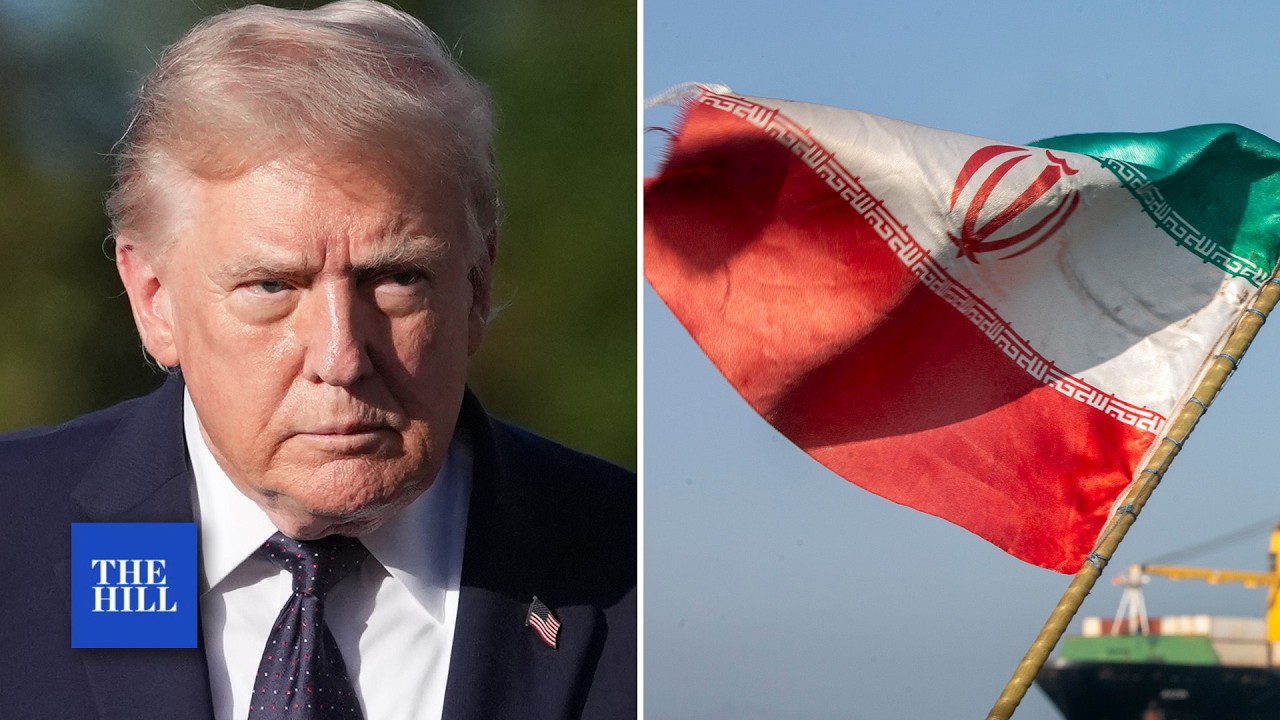








CIA Director John Ratcliffe told President Donald Trump and other senior officials that US intelligence has raised serious doubts about whether Iran intends to make the nuclear concessions Washington is seeking in a final agreement, Axios reported Tuesday, citing three sources familiar with the discussions.
The warning came as the Trump administration defended a memorandum of understanding announced Sunday that is intended to extend a ceasefire, reopen the Strait of Hormuz, and begin 60 days of negotiations toward a broader nuclear agreement with Tehran.
According to Axios, Ratcliffe was not alone in raising concerns. Secretary of State Marco Rubio and Defense Secretary Pete Hegseth also questioned parts of the MOU during internal administration discussions, while Vice President JD Vance and US envoys Steve Witkoff and Jared Kushner argued in favor of the framework.
The internal debate took place during a series of high-level meetings before Sunday’s announcement.
Axios reported that Trump and his advisers reviewed intelligence collected by several US agencies indicating that Iranian officials’ private discussions about the agreement did not match what they were telling mediators and the US.
Ratcliffe and Rubio said the intelligence led them to doubt that Tehran would accept the nuclear steps the US wants included in a final deal, according to the report.
Iran’s executions more than double in 2025, making up 80% of global total
“The intelligence reflects that the Iranian intentions are not in line with their commitments under the deal,” a source told Axios.
A White House official told Axios that Trump considered competing views before moving ahead with the framework.
“President Trump listens to all opinions on any given issue — but everyone understands he is the final decision-maker,” the official said.
“This MOU meets all of the redlines that the administration has long articulated by ensuring that Iran can never possess a nuclear weapon, they cannot keep their highly enriched uranium, and they cannot hold the world’s energy supply hostage,” the official added, saying Trump would only accept a “good” final agreement.
CIA and State Department declined to comment and that the Pentagon did not respond to the report.
The nuclear provisions of the MOU are preliminary and depend on a more detailed agreement being negotiated over the next 60 days.
Vance, Witkoff and Kushner are expected to meet Friday with Iranian Parliament Speaker Mohammad-Bagher Ghalibaf and Foreign Minister Abbas Araghchi, along with Pakistani and Qatari mediators, to discuss the next stage of talks.
The full 14-point agreement has not been released.
A source familiar with the text told Axios that Iran could receive more than it gives under the initial MOU unless it agrees to a final nuclear deal that satisfies US demands.
WATCH: Iranian tech experts discuss firing missiles at low-orbiting satellites to cause a ‘catastrophic crisis’
The MOU also says the US and Iran will “resolve the disposition of stockpiled enriched material” and “discuss the issue of future enrichment and other mutually agreed matters related to Iran’s nuclear needs based on a satisfactory framework being agreed upon in the final deal.”
Under the arrangement, Iran would keep its nuclear program at its current status while negotiations continue.
The US, in turn, would not impose new sanctions or send additional forces to the region during that period.
If a final nuclear deal is reached, the US would remove forces mobilized for the war within 30 days and terminate sanctions against Iran under an agreed schedule, according to the source cited by Axios.
Two senior US officials told reporters Monday that sanctions relief and other benefits would depend on Tehran’s performance.
One senior official said Washington should know within two to three weeks whether Iran is serious about making nuclear concessions.
Critics inside and outside the administration warned that Iran may use the temporary framework to gain relief without ultimately accepting US nuclear terms.
“I am somewhat concerned that Iran’s view of the agreement seems different than what the American negotiating team is claiming,” Sen. Lindsey Graham, R-S.C., told Axios, calling for the document to be released immediately.
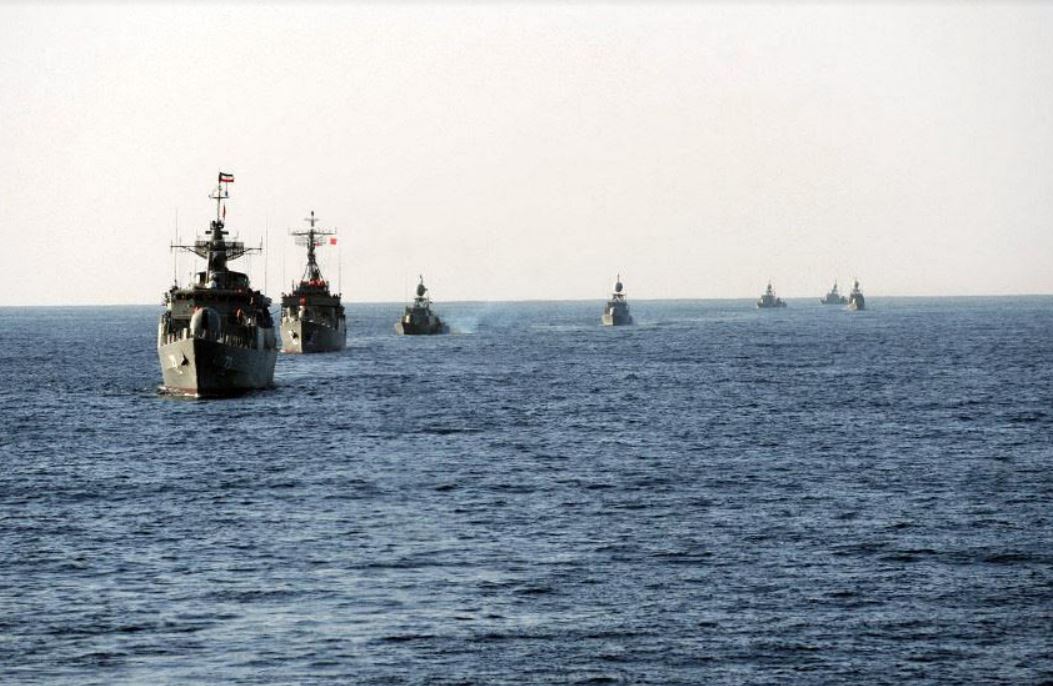
The MOU also includes near-term steps on the Strait of Hormuz, a key route for global energy shipments.
Trump to hold meeting on military options for Iran as US says Tehran proposal ‘not sufficient’
The agreement reportedly says that “Iran will make arrangements, using its best efforts, for the safe passage of commercial vessels with no charge for 60 days,” while the US would gradually lift its blockade until it is fully removed within 30 days.
The agreement also calls for Iran to hold talks with Oman “to define future administration and maritime services” in the strait, with other Gulf countries joining discussions aimed at a solution “in line with applicable international law and sovereign rights” of regional states, the source said.
Iranian state media has reported that Tehran could charge transit fees after the 60-day period ends.
Another disputed issue is access to Iranian frozen funds and assets. The MOU says the US “undertakes to make [the funds] fully available for use … upon the implementation of this MOU,” Axios reported, citing the source familiar with the text.
US officials have described that process as a “pay for performance” model. A senior official told reporters that Washington could release some funds if it sees positive “gestures” from Iran.
The MOU also says any final agreement would include a “definitive and mutually agreed plan” to establish a $300 billion fund for Iran’s “reconstruction and economic development,” along with a mechanism to implement it, according to Axios.



