
































The Billionaire Timeline: How Visionaries, Innovators, Athletes and Entertainers Reached Extraordinary Wealth at Remarkably Different Ages
By: Jeff Gorman
In the modern economic landscape, few milestones capture the public imagination quite like attaining billionaire status. The journey to a net worth exceeding $1 billion has long been viewed as the ultimate validation of entrepreneurial brilliance, creative genius, athletic excellence, or extraordinary business acumen. Yet a closer examination of some of the world’s most celebrated billionaires reveals a fascinating reality: there is no singular path to immense wealth, nor is there a universal age at which success arrives.
From technology prodigies who amassed fortunes before reaching their mid-twenties to seasoned investors who required decades to build their empires, the stories behind the world’s billionaires demonstrate that achievement unfolds according to vastly different timetables.
Perhaps the most striking lesson emerging from these trajectories is that wealth creation is not governed by age alone. Rather, it is shaped by innovation, perseverance, timing, opportunity, talent, and the willingness to pursue a vision despite uncertainty and adversity.
Among the most remarkable examples stands Mark Zuckerberg, who became a billionaire at the astonishing age of 23. His rise remains one of the fastest wealth accumulations in modern history. Having launched Facebook from a Harvard dormitory room, Zuckerberg transformed a collegiate social networking experiment into a global communications platform used by billions. His achievement permanently altered the technological and social fabric of the world while establishing him as one of the youngest self-made billionaires ever recorded.

Not far behind was Evan Spiegel, who reached billionaire status at age 25 through the explosive growth of Snapchat. Spiegel’s success reflected the increasing power of mobile technology and social media in shaping the habits of younger generations. His ascent underscored how rapidly digital innovation could generate extraordinary financial rewards in the 21st century.
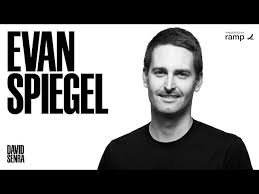
The technology sector dominates many of the youngest entries on the billionaire timeline. Larry Page became a billionaire at age 30, while fellow Google co-founder Sergey Brin followed at age 31. Their revolutionary search engine fundamentally transformed how information is accessed, organized, and monetized across the globe.
At the same age of 31, Bill Gates joined the billionaire ranks. Gates’ vision of placing a computer on every desk and in every home helped launch the personal computing revolution. His story remains one of the defining examples of technological entrepreneurship, illustrating how innovation combined with strategic execution can create unprecedented wealth.
The world of entertainment has also produced remarkable financial success stories. Music superstar Rihanna became a billionaire at age 33. While her global recording career generated immense fame, it was her entrepreneurial ventures in cosmetics and fashion that elevated her wealth to billionaire status. Her achievement demonstrated how celebrity influence can evolve into a sophisticated business empire.

Sports have similarly generated extraordinary fortunes. Golf legend Tiger Woods reached billionaire status at age 33, reflecting not only unparalleled success on the golf course but also decades of lucrative endorsement agreements. Woods transformed the commercial potential of professional golf and became one of the most marketable athletes in history.
At age 35, Jeff Bezos crossed the billionaire threshold as Amazon expanded from an online bookstore into what would eventually become one of the most influential companies in the world. Bezos’ long-term vision, relentless focus on customer experience, and willingness to sacrifice short-term profits for future growth became hallmarks of one of the most successful business strategies ever executed.
Basketball icon LeBron James became a billionaire at age 37, a milestone achieved through a combination of athletic excellence, business investments, endorsements, media ventures, and strategic ownership stakes. His journey illustrated how modern athletes increasingly function not merely as competitors but as sophisticated business executives and global brands.
Some fortunes emerged through corporate leadership rather than entrepreneurial founding. Steve Ballmer became a billionaire at age 38, largely through his association with Microsoft and the explosive growth of the software industry. His story highlights how extraordinary wealth can also result from executive leadership within already established enterprises.
The literary world found its billionaire representative in J. K. Rowling, who achieved billionaire status at age 38. Rowling’s transformation from a struggling single mother to one of the most successful authors in history remains among the most inspirational wealth-creation stories ever recorded. The global success of the Harry Potter franchise demonstrated the enormous economic value of creativity and intellectual property.
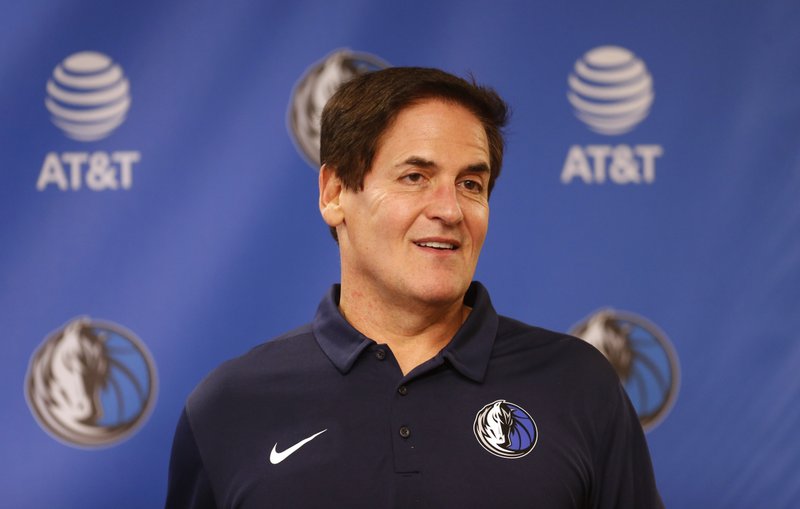
Entrepreneur and investor Mark Cuban became a billionaire at age 40 after successfully building and selling Broadcast.com. Cuban’s subsequent career as an investor, sports franchise owner, and television personality expanded his influence far beyond the technology sector.
At age 41, both Elon Musk and Richard Branson joined the billionaire ranks. While their industries differed dramatically, both men became synonymous with ambitious, disruptive entrepreneurship. Their careers demonstrated the power of challenging conventional wisdom and pursuing opportunities that others considered unrealistic.
Corporate leaders such as Meg Whitman and Sheryl Sandberg reached billionaire status at ages 42 and 44 respectively, further illustrating how leadership within transformative companies can generate substantial wealth.
The timeline becomes increasingly diverse in later years. Chinese entrepreneur Jack Ma became a billionaire at age 45, while Indian industrialist Gautam Adani achieved the milestone at age 46. Their success reflected the growing economic influence of Asia and the globalization of wealth creation.
Luxury goods titan Bernard Arnault reached billionaire status at age 48, building an empire centered on some of the world’s most prestigious brands. Meanwhile, technology executive Larry Ellison and media icon Oprah Winfrey both crossed the billionaire threshold at age 49.
The stories become even more instructive among those who achieved billionaire status after age 50. Telecommunications magnate Carlos Slim became a billionaire at age 51. Media entrepreneur Michael Jordan reached the milestone at age 51, largely through the enduring commercial success of the Jordan brand.

Former New York City mayor and financial information pioneer Michael Bloomberg became a billionaire at age 52, as did filmmaker George Lucas. Both men built fortunes rooted in intellectual property and innovative business models that reshaped their respective industries.
Perhaps most instructive of all is the story of legendary investor Warren Buffett. Buffett did not become a billionaire until age 56. Yet despite reaching the milestone later than many others on this list, he ultimately became one of the wealthiest and most respected investors in history.
His story provides a powerful counterpoint to the modern obsession with rapid success. Buffett’s wealth accumulated through decades of disciplined investing, patience, and compound growth. His journey serves as a reminder that extraordinary financial achievement often rewards consistency and long-term thinking rather than speed alone.
Taken together, these remarkable stories dismantle the myth that success follows a predetermined schedule. Some individuals achieved billionaire status in their twenties through revolutionary technological innovation. Others required decades of persistence before reaching the same destination.
The common denominator is not age but vision.
Whether through software, social media, retail, entertainment, athletics, finance, literature, luxury goods, or telecommunications, each individual identified opportunities others failed to recognize and possessed the determination to pursue them relentlessly.
Their journeys reveal a profound truth about achievement: there is no universally correct timeline for success. For some, greatness arrives early. For others, it emerges gradually through years of effort and perseverance.
The billionaire timeline ultimately serves not merely as a catalog of immense fortunes, but as a testament to the diverse paths through which human ambition, creativity, and enterprise can transform ideas into extraordinary accomplishments.



