

















Report: Iranian Regime Strengthens Protections Around Underground Uranium Stockpiles
By: Fern Sidman
As diplomatic efforts continue to shape the contours of a potential agreement between Washington and Tehran, new intelligence assessments reported by CNN suggest that Iran has significantly expanded protective measures surrounding its stockpile of highly enriched uranium, a development that could complicate ongoing negotiations and pose formidable logistical challenges for any future effort to remove or neutralize the material.
According to CNN, which cited multiple individuals familiar with American intelligence assessments, Iranian authorities have spent recent weeks intensifying efforts to secure an estimated 1,000 pounds of near-weapons-grade uranium stored at various nuclear facilities throughout the country. The report indicated that Iranian personnel have allegedly collapsed underground access corridors, reinforced subterranean infrastructure, and reportedly placed live landmines near critical facility entrances in an effort to deter unauthorized access.
If accurate, the measures described by CNN would represent one of the most extensive defensive fortification campaigns undertaken by Tehran since the current diplomatic process began. The reported developments underscore the complexity of a dispute that continues to sit at the center of regional security concerns and international nonproliferation efforts.
CNN reported that the extraction of the uranium stockpile has become considerably more difficult than it was only weeks earlier, when President Trump publicly suggested that the United States might consider military options to secure the material.
According to the CNN report, intelligence officials now believe that recovering the uranium would require a lengthy and potentially hazardous operation involving sophisticated excavation equipment, specialized nuclear handling technologies, and extensive explosive ordnance disposal procedures.
The reported fortifications come at a particularly sensitive moment in negotiations aimed at ending hostilities and reopening the strategically vital Strait of Hormuz.
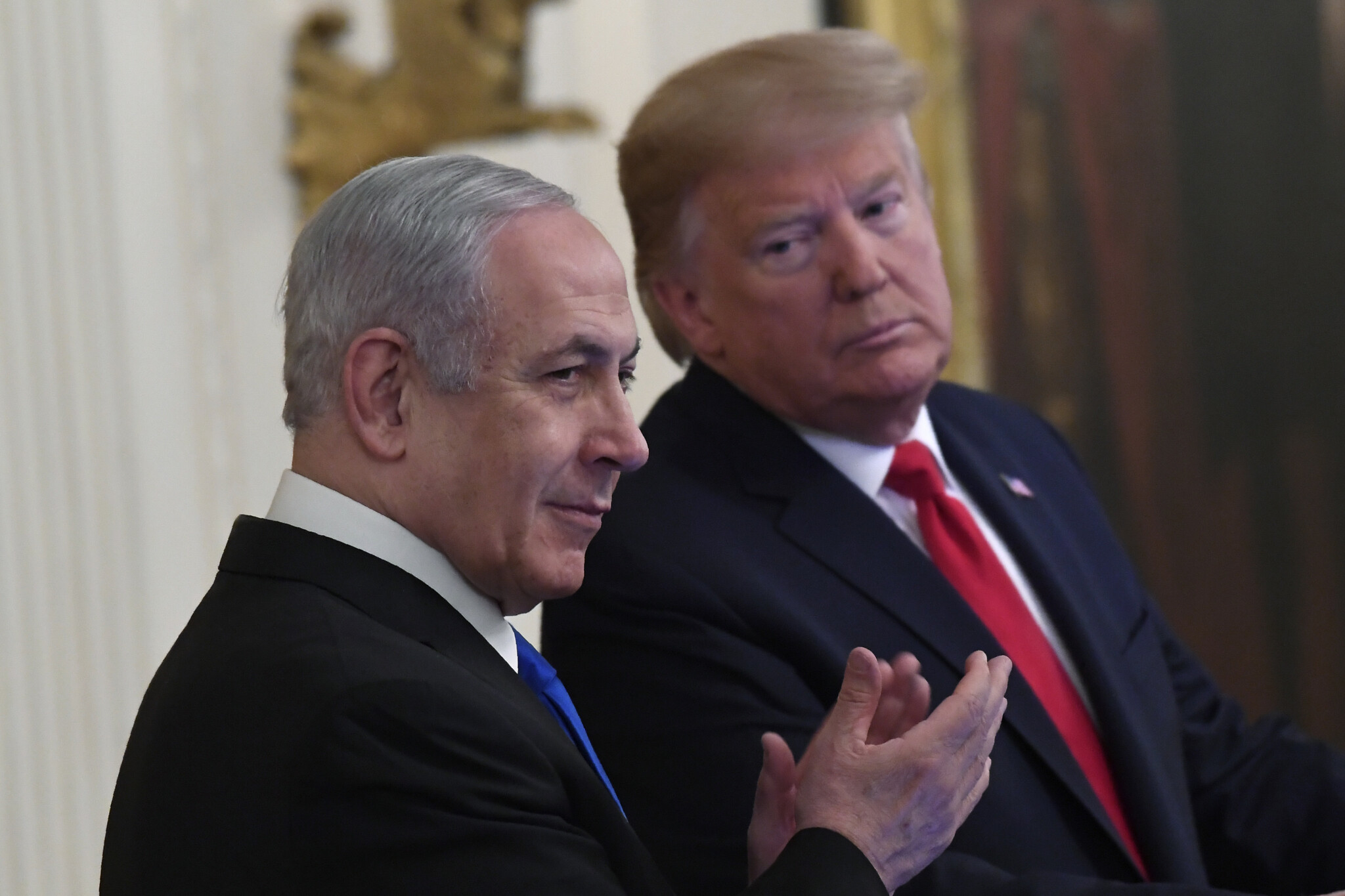
Throughout the diplomatic process, President Trump has repeatedly characterized the disposition of Iran’s enriched uranium stockpile as a central component of any prospective agreement. Administration officials have argued that a durable settlement must ensure that the material can no longer contribute to any future nuclear weapons capability.
According to CNN, a senior administration official recently indicated that negotiators have been narrowing their differences regarding a framework that would require Iran to surrender its enriched uranium inventory.
Under the reported proposal, the material would allegedly be rendered unusable before ultimately being removed from Iranian territory. Such an arrangement would represent a significant achievement for negotiators seeking to reduce nuclear risks while avoiding further military escalation.
However, the new intelligence findings reported by CNN suggest that translating diplomatic commitments into operational reality could prove extraordinarily difficult. One of the principal challenges involves determining precisely how the material would be recovered.
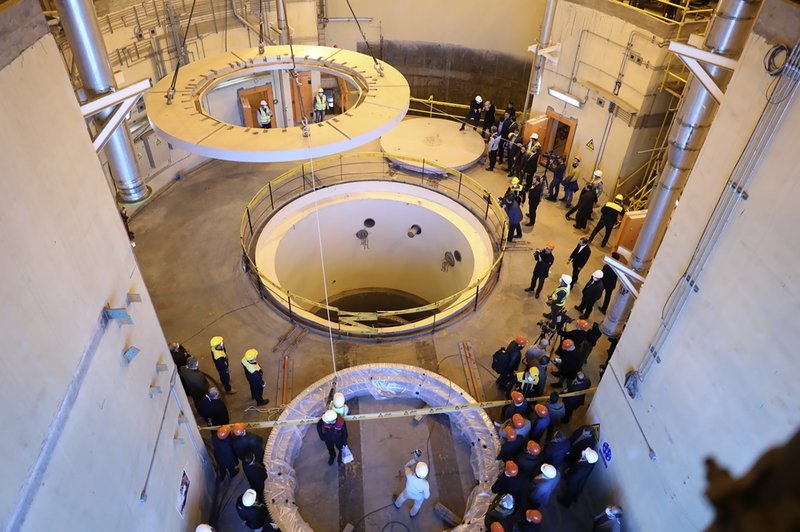
According to CNN’s reporting, intelligence officials believe that a substantial portion of the uranium inventory is now located within heavily fortified underground structures associated with the Isfahan nuclear complex in central Iran. Additional quantities are reportedly dispersed among other locations throughout the country.
The physical condition of these sites presents a significant obstacle. CNN reported that intelligence assessments suggest many of the underground chambers containing the uranium may now be inaccessible through conventional means due to deliberate collapses and structural modifications carried out by Iranian authorities. As a result, any future extraction mission would likely require extensive excavation efforts before recovery operations could even begin.
Experts cited by CNN reportedly warned that such an undertaking would expose personnel to considerable risks. Even Iranian nuclear specialists, according to the intelligence sources referenced by CNN, could face substantial dangers attempting to retrieve the buried material.
The combination of unstable underground structures, potential explosive hazards, and radiological concerns creates a uniquely challenging operational environment. Beyond the technical difficulties, analysts also point to broader verification concerns. According to CNN, intelligence officials believe the current situation could provide Tehran with additional flexibility in responding to future compliance inquiries.
If large quantities of uranium remain buried beneath collapsed facilities, determining exactly how much material exists and where it is located could become significantly more complicated. That uncertainty could potentially complicate future inspection regimes and verification mechanisms, both of which are considered essential components of any nuclear agreement. CNN also reported that the Pentagon previously examined military options for recovering the uranium stockpile.
According to the network, military planners finalized a potential extraction blueprint during May. However, the proposal was reportedly abandoned after officials concluded that the risks associated with such an operation were unacceptable. The decision reportedly reflected concerns about personnel safety, operational feasibility, and the broader strategic implications of conducting a large-scale recovery mission inside Iranian territory.
Since that reported decision, CNN stated, Iranian authorities have allegedly accelerated efforts to strengthen the protection of facilities containing highly enriched uranium.
President Trump has publicly addressed the issue on multiple occasions. According to CNN, the president previously expressed confidence that American surveillance capabilities were capable of monitoring activities at the relevant sites.
During an appearance on Fox News in May, Trump stated, “We know exactly what’s happening. Nobody’s even gotten close to it.” The president’s remarks reflected the administration’s confidence in American intelligence capabilities, including satellite surveillance and other monitoring systems designed to track developments within Iran’s nuclear infrastructure.
Yet CNN reported that some intelligence officials believe public discussions regarding the uranium stockpile may have inadvertently influenced Iranian decision-making. According to two intelligence sources cited by the network, repeated public references to the uranium as a potential military objective may have provided Tehran with additional incentive to reinforce and secure the material.
Whether such assessments ultimately prove accurate remains uncertain, but the reported concerns highlight the delicate relationship between public diplomacy, military signaling, and strategic planning. Even if negotiators successfully finalize a formal agreement in the coming days or weeks, specialists interviewed by CNN reportedly anticipate an extended period of follow-on discussions focused on implementation. Those talks would likely address numerous technical questions, including verification procedures, transportation logistics, destruction methods, and international oversight mechanisms.
One of the more intriguing aspects of CNN’s reporting involves the potential role of American nuclear expertise. According to the network, the removal and processing of the uranium could require deployment of specialized equipment associated with the National Nuclear Security Administration and facilities located at Oak Ridge National Laboratory in Tennessee.
CNN reported that senior American negotiators Jared Kushner and Steve Witkoff recently visited the laboratory, a development that has fueled speculation regarding possible preparation for future technical operations. While no official connection between the visit and any prospective uranium recovery mission has been publicly confirmed, the timing has attracted considerable attention among observers following the negotiations.
The scale of the challenge should not be underestimated. Even under ideal conditions, experts suggest that recovering, securing, processing, and transporting large quantities of highly enriched uranium would require substantial time and resources. According to CNN, President Trump recently indicated that the physical removal process alone could require at least two weeks. That estimate assumes unrestricted access, extensive international cooperation, and successful completion of complex technical procedures. In practice, the process could prove considerably more complicated.
The reported developments underscore the enormous stakes surrounding the current diplomatic effort. For Washington, the uranium stockpile remains one of the most consequential issues in any potential agreement. For Tehran, the material represents a critical strategic asset that has long occupied the center of disputes with Western governments.
As negotiations continue, the reported fortification of Iran’s nuclear infrastructure adds another layer of complexity to an already intricate diplomatic landscape. According to CNN, intelligence officials, military planners, and negotiators are now grappling with a reality in which even a successful political agreement may leave behind daunting technical challenges requiring months of additional work.
Whether those challenges can ultimately be overcome may determine not only the fate of the current negotiations but also the future trajectory of security and stability throughout one of the world’s most strategically important regions.



