




















Trump Urges Israeli Restraint Following Iranian Missile Barrages; Says Peace Deal is Imminent
By: Jeff Gorman
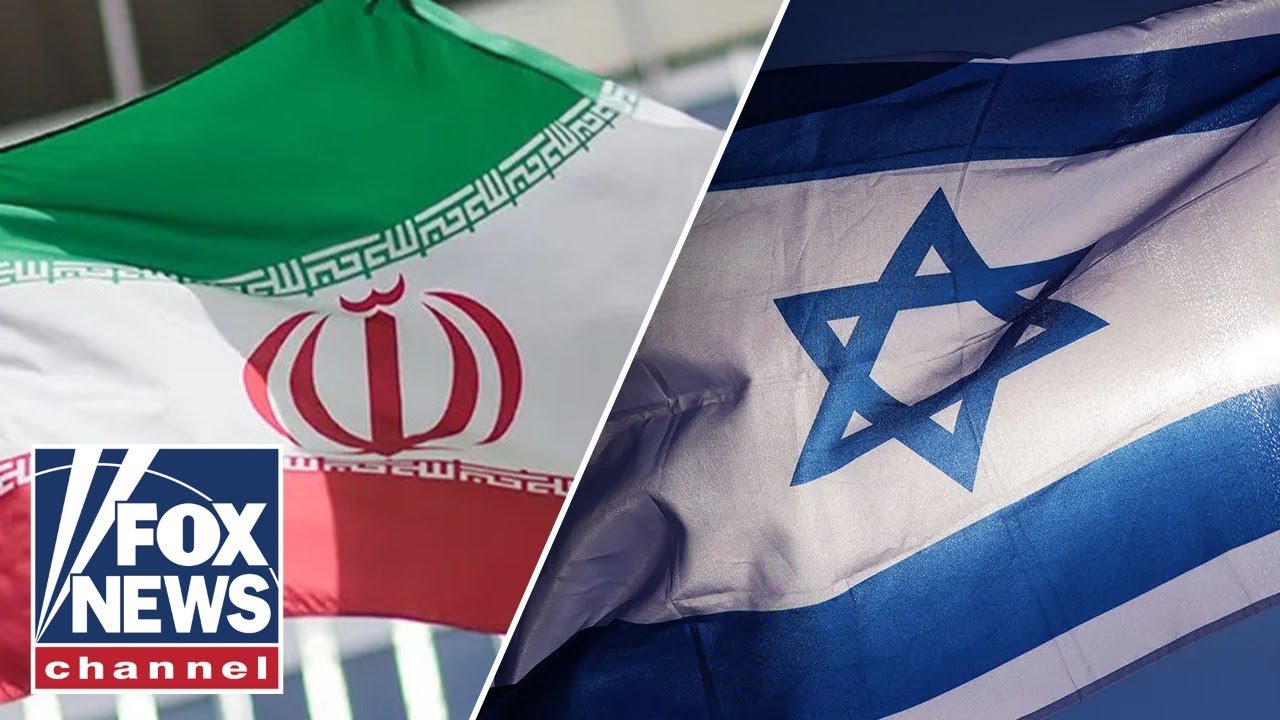
President Donald Trump publicly urged Israel to refrain from launching retaliatory military action against Iran on Sunday evening, arguing that further escalation could jeopardize what he described as a potentially significant diplomatic breakthrough between Washington and Tehran and risk extending a conflict that has already generated profound instability throughout the Middle East.
According to a report on Sunday at Israel National News, Trump’s remarks came during a period of heightened regional tension following a series of Iranian missile launches directed toward northern Israel and amid growing concerns that the confrontation could spiral into a broader military crisis involving multiple regional actors.
The president’s comments represented one of the clearest public indications yet that the administration is seeking to prevent an expansion of hostilities at a moment when diplomatic efforts involving Iran appear to remain active behind the scenes.
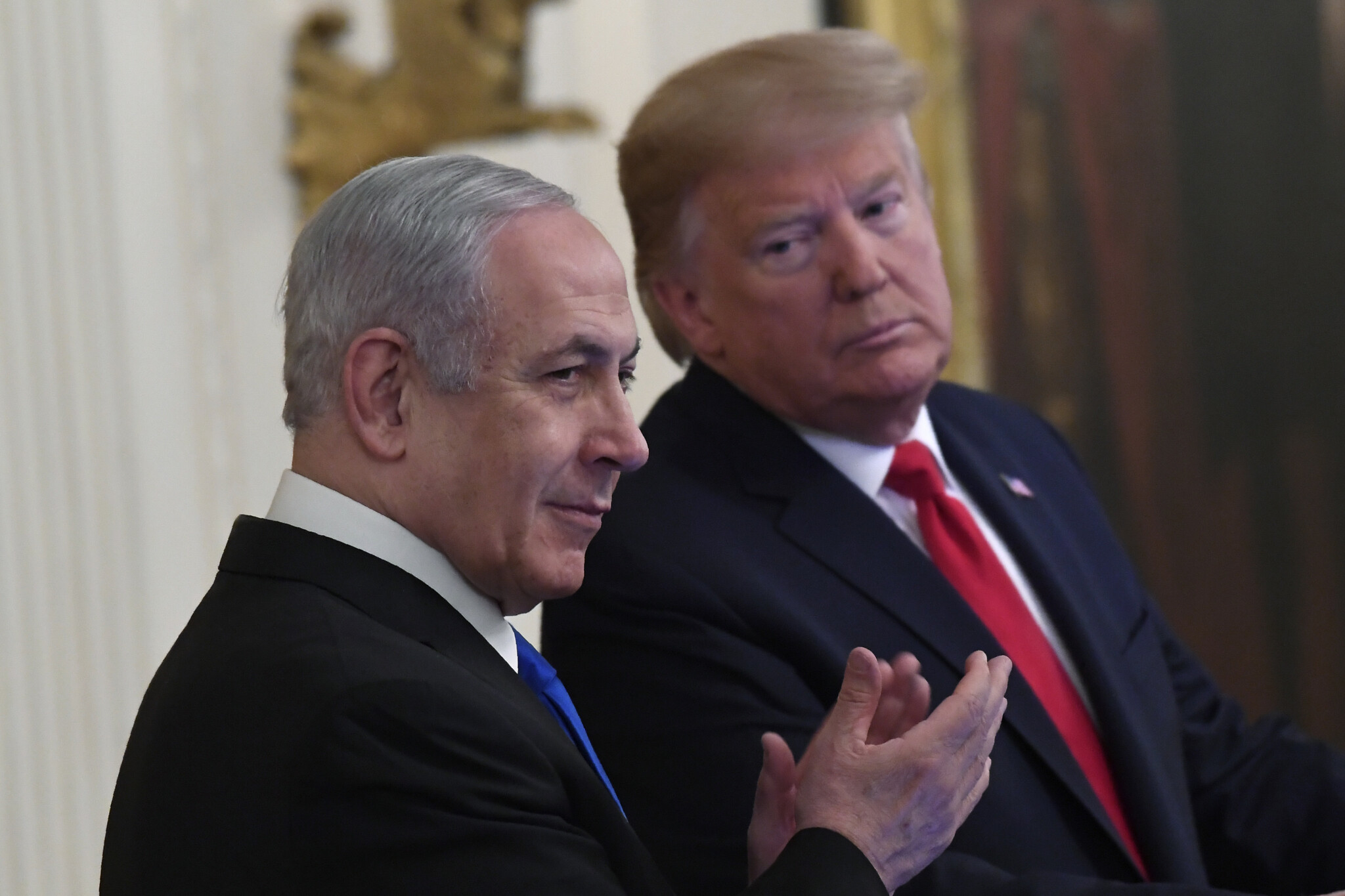
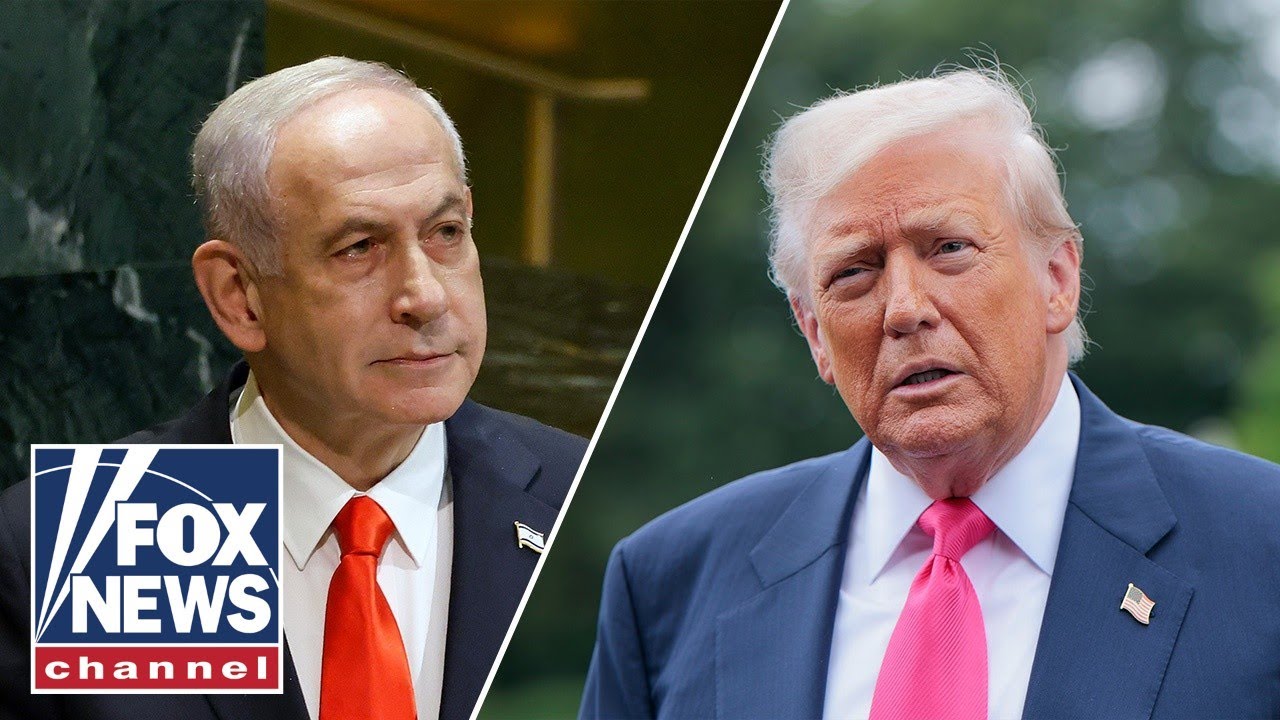
Speaking to journalist Barak Ravid of Channel 12 News, Trump reportedly emphasized his intention to personally communicate with Prime Minister Benjamin Netanyahu in an effort to discourage an Israeli response.
According to the Israel National News report, Trump stated that he planned to contact the Israeli leader immediately and urge restraint despite the missile attacks.
The remarks underscored the delicate balancing act facing policymakers in Washington as they seek to maintain strong strategic ties with Israel while simultaneously preserving the possibility of diplomatic engagement with Tehran. Israel National News reported that Trump characterized the Iranian missile launches as an incident that, while serious, had not resulted in casualties and therefore should not automatically trigger another round of military escalation.
The president suggested that both sides had already demonstrated their capabilities and that continuing the cycle of retaliation could lead to a prolonged confrontation with no clear endpoint. According to the report, Trump argued that additional military exchanges would risk perpetuating a conflict that has evolved through decades of hostility and mutual suspicion.
His comments reflected a broader concern frequently expressed by diplomats and strategic analysts who warn that even limited military exchanges can rapidly escalate when both sides feel compelled to respond to perceived provocations. The timing of Trump’s appeal was particularly significant.
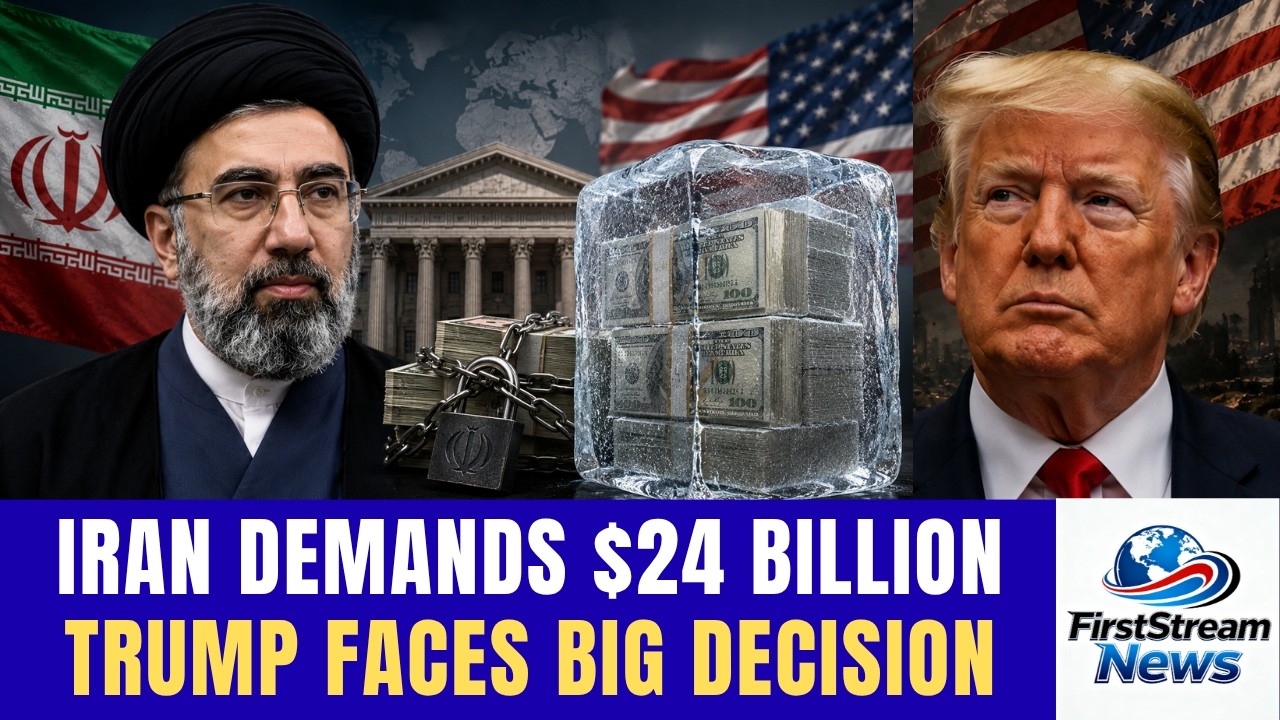
Israel National News reported that the president linked his call for restraint directly to ongoing efforts aimed at reaching a broader understanding with Iran. According to Trump, negotiations had progressed sufficiently that he viewed a potential agreement as within reach.
He reportedly described the prospective arrangement as positive and emphasized his desire to avoid developments that could derail the process. The suggestion that diplomacy remains active despite recent military tensions highlights the complex nature of contemporary Middle Eastern geopolitics, where negotiations and confrontation often unfold simultaneously.
While military forces remain on alert and regional actors exchange threats, diplomatic channels frequently continue operating in parallel. Trump’s remarks indicate that his administration believes those channels remain valuable and potentially productive.
Israel National News noted that the president stressed his view that neither side would benefit from additional retaliation. According to the report, Trump expressed the belief that Israel had already conducted its military operation and that Iran had now delivered its response, making further action unnecessary.
Whether that perspective is shared by Israeli decision-makers remains uncertain. Israeli leaders have historically maintained that the country’s security doctrine requires preserving deterrence and responding decisively to threats when deemed necessary.
Consequently, Trump’s appeal for restraint arrives at a moment when Israeli officials are actively evaluating both military and diplomatic considerations. The developments occurred against the backdrop of a significant security incident involving multiple missile launches.
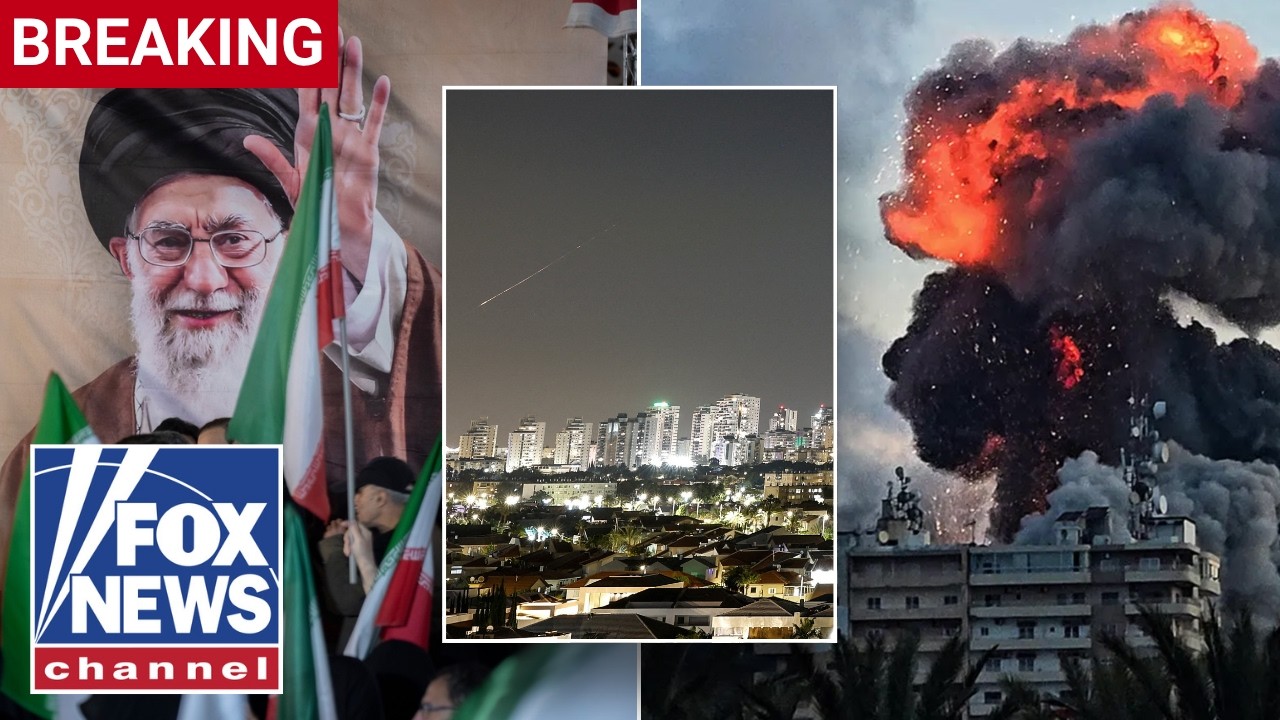
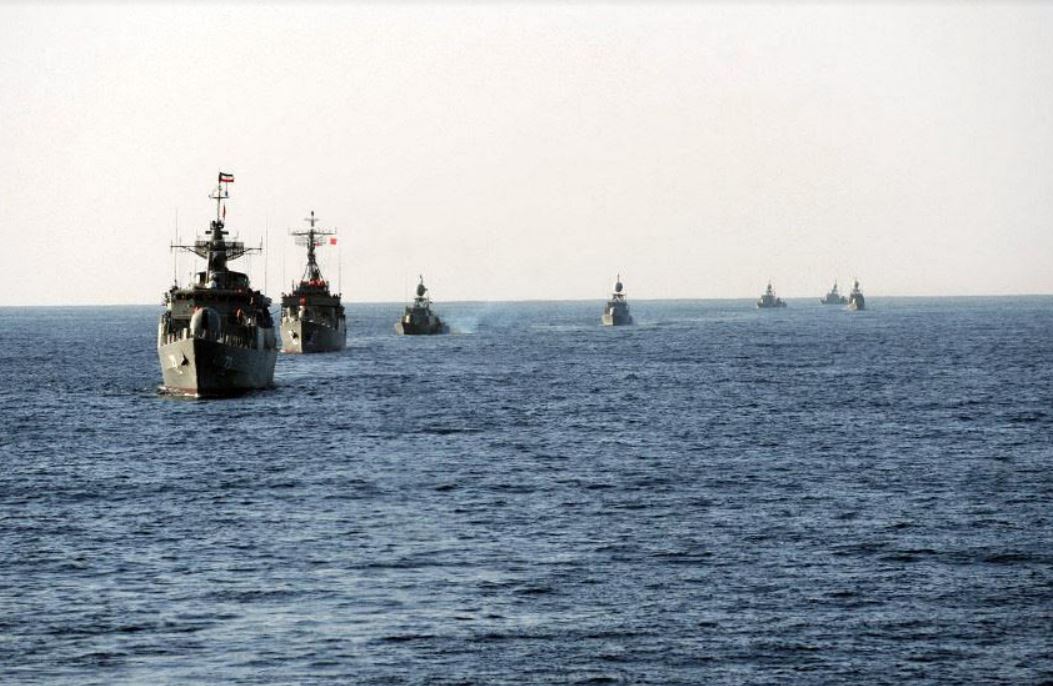
According to Israel National News, Iran launched ten missiles toward Israel in three separate barrages.
The Israel Defense Forces subsequently reported that all incoming missiles were successfully intercepted by Israeli air defense systems. The interceptions represented a significant operational achievement for Israel’s multilayered missile defense network.
Although no casualties were reported, the attacks nevertheless generated widespread concern and prompted authorities to implement precautionary measures throughout the country. The successful interceptions did not diminish the seriousness with which Israeli officials viewed the situation.
Military planners remained acutely aware that even attacks that fail to inflict physical damage can carry substantial strategic and psychological implications. The missile launches also reinforced concerns regarding the potential for rapid escalation should either side choose to expand military operations.
Israel National News reported that Israeli authorities responded by increasing preparedness measures nationwide. The Home Front Command announced a substantial tightening of civilian defense guidelines, reflecting concerns that additional attacks could occur.
As part of the revised directives, the entire country was placed under a stricter orange-level alert framework.
The decision affected daily life across Israel and demonstrated the government’s determination to prepare for a broad range of contingencies. One of the most immediate consequences involved the education system.
According to the Israel National News report, Education Minister Yoav Kisch announced that all educational institutions throughout the country would remain closed. Schools, universities, and other learning facilities were instructed to suspend operations in accordance with Home Front Command directives.
In addition, matriculation examinations scheduled for the following day were canceled. The nationwide closure represented a significant disruption and underscored the seriousness of the security situation as assessed by Israeli authorities. The decision reflected a longstanding principle within Israeli emergency management policy: the prioritization of civilian safety during periods of heightened threat.
Officials emphasized that precautionary measures would remain in place until further assessments could be conducted. Meanwhile, Israel’s political and military leadership engaged in intensive consultations.
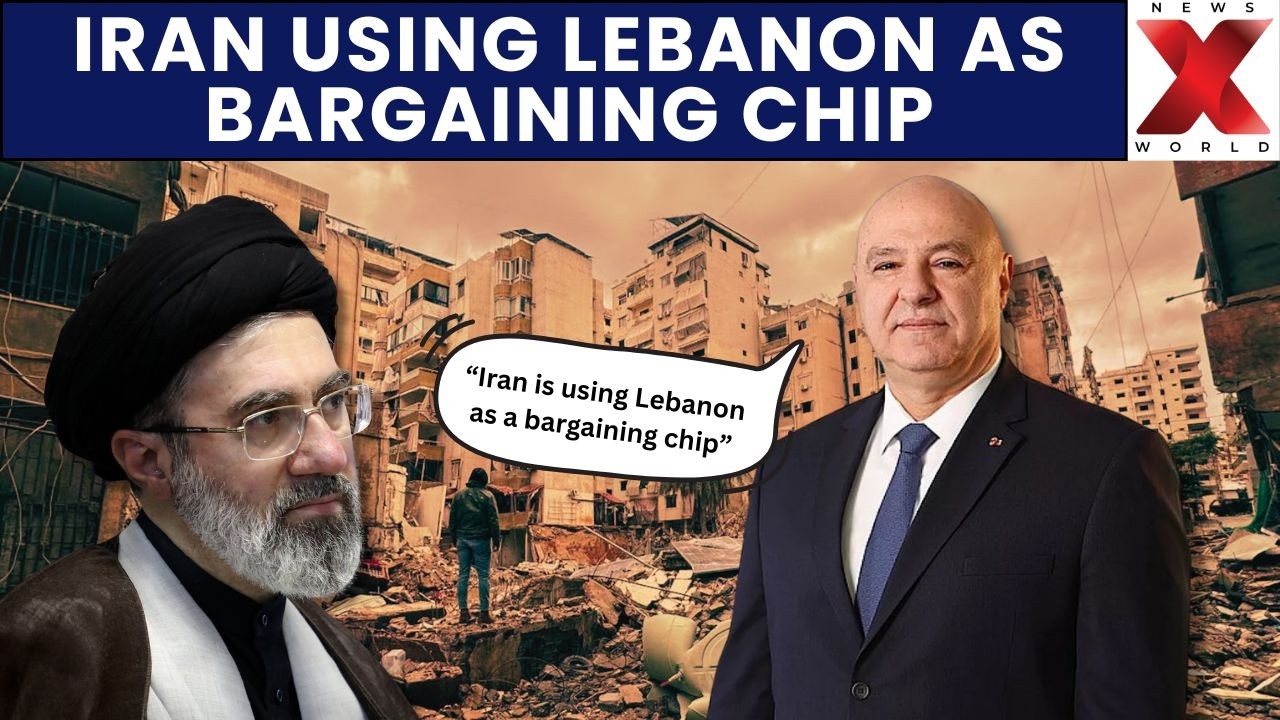
Israel National News reported that Prime Minister Netanyahu convened a limited security meeting on Sunday evening with Defense Minister Israel Katz and senior defense officials. The consultation followed both the Israeli strike in Beirut’s Dahieh district and the subsequent threats issued by Iranian officials.
The gathering brought together key figures responsible for evaluating intelligence, military readiness, and potential response options. Such meetings are a standard feature of Israeli crisis management during periods of elevated regional tension.
Participants review intelligence assessments, evaluate operational scenarios, and consider both military and diplomatic implications before making strategic decisions. The fact that Netanyahu assembled senior defense leaders so quickly highlighted the significance attached to the evolving situation.
Israel National News reported that the consultations took place amid increasing concern regarding Iranian rhetoric following the Beirut operation. Several senior Iranian figures had issued warnings and threats in the aftermath of the strike, contributing to an atmosphere of uncertainty throughout the region.
Israeli officials have repeatedly stated that they take such threats seriously while simultaneously seeking to distinguish between rhetorical posturing and genuine operational intent. That distinction remains one of the central challenges facing intelligence agencies attempting to forecast future developments.
The situation illustrates the complex strategic environment confronting both Israel and the United States. For Israel, the primary concern remains protecting its population and maintaining deterrence against adversaries capable of launching missile attacks.
For Washington, the challenge involves balancing support for a key ally with broader regional objectives that include stability, diplomacy, and the prevention of a wider war. Trump’s remarks highlighted those competing priorities.
On one hand, he acknowledged the missile attacks directed at Israel. On the other, he emphasized the importance of preserving diplomatic momentum and avoiding actions that could derail negotiations. Whether those objectives can be reconciled remains one of the central questions facing policymakers.
Israel National News has reported extensively on the evolving relationship between military developments and diplomatic initiatives throughout the region. The latest episode demonstrates how quickly the two can become intertwined.
A single military exchange can influence negotiations, alter strategic calculations, and reshape political decision-making in multiple capitals simultaneously. The missile launches, the Israeli security consultations, the nationwide emergency measures, and Trump’s public intervention all form part of a larger geopolitical picture characterized by uncertainty and high stakes.
As leaders in Jerusalem, Washington, and Tehran continue evaluating their options, the possibility of either escalation or de-escalation remains very much alive. For now, Israeli air defense systems have successfully intercepted incoming missiles, emergency precautions have been implemented, and diplomatic efforts appear to remain active.
Yet the situation remains fluid. The coming days may determine whether the latest confrontation becomes another chapter in a long-running cycle of regional tensions or whether diplomatic initiatives can succeed in preventing further escalation.
According to Israel National News, Trump’s central message was clear: he believes an opportunity exists to avoid another round of military exchanges and preserve the possibility of a broader agreement with Iran. Whether that appeal ultimately influences Israeli decision-making remains to be seen, but it has unquestionably added a significant diplomatic dimension to an already complex and volatile regional crisis.



