






















By: Fern Sidman
The Trump administration is reportedly exploring one of the most consequential financial and geopolitical initiatives to emerge from the prolonged confrontation between Washington and Tehran: the possible use of Iranian assets to compensate Gulf allies for damage sustained during recent Iranian missile and drone attacks.
According to information first reported by Reuters and subsequently highlighted in a report on Saturday at World Israel News, senior officials within the United States government are evaluating mechanisms through which Iranian resources could potentially be redirected to assist regional partners, particularly Kuwait and Bahrain, in repairing infrastructure and recovering from attacks attributed to Iran during the recent conflict.
The proposal, still reportedly in its preliminary stages, represents a dramatic escalation in the financial dimension of the confrontation between the United States and the Islamic Republic. If implemented, it could reshape ongoing negotiations surrounding sanctions relief, frozen Iranian assets, and the broader postwar architecture emerging from months of military exchanges across the Persian Gulf region.
As World Israel News has repeatedly reported in its coverage of the conflict, tensions between Washington and Tehran remain extraordinarily high despite the existence of a ceasefire that many analysts describe as increasingly fragile and vulnerable to collapse.
At the center of the latest controversy is the question of who should bear responsibility for the economic consequences of attacks that have shaken some of America’s closest Gulf allies.
According to a source familiar with the discussions, Treasury Secretary Scott Bessent has directed officials to conduct a comprehensive assessment of the destruction inflicted upon Gulf partners by Iranian military actions. Reuters reported that the evaluation process includes calculating both existing damages and potential future liabilities resulting from additional attacks should hostilities resume.
The significance of that directive extends well beyond a routine accounting exercise. Should the administration ultimately determine that Iranian assets may be utilized to finance reconstruction efforts, the move would represent one of the most aggressive attempts yet to convert economic pressure into a direct mechanism for compensating regional allies harmed by Iranian military activity.
Notably, the source cited by Reuters indicated that discussions are not necessarily limited to currently frozen Iranian funds held abroad. The language reportedly used by officials leaves open the possibility that a broader range of Iranian assets could be examined.
That ambiguity has fueled intense speculation among policy analysts, legal scholars, and diplomatic observers regarding precisely what categories of Iranian property or financial resources may be under consideration.
The timing of the disclosure is particularly noteworthy. Only days earlier, Mohsen Rezaei, an adviser to Iran’s supreme leadership, publicly suggested that any durable peace agreement ending the conflict would require the release of approximately $24 billion in Iranian assets currently frozen by the United States.
Those comments, delivered during an interview with CNN, underscored one of Tehran’s central demands in ongoing negotiations. Iranian officials have long argued that sanctions and asset freezes constitute unjust economic warfare. American officials, by contrast, maintain that financial restrictions remain an essential tool for limiting Tehran’s ability to fund military operations and support regional proxy organizations.
The possibility that Washington could instead redirect portions of those assets toward reconstruction projects in Kuwait and Bahrain introduces an entirely new variable into already complicated diplomatic calculations.
World Israel News has closely followed the evolving dispute over sanctions, frozen assets, and Gulf security arrangements, noting that economic issues have become increasingly intertwined with military developments on the ground.
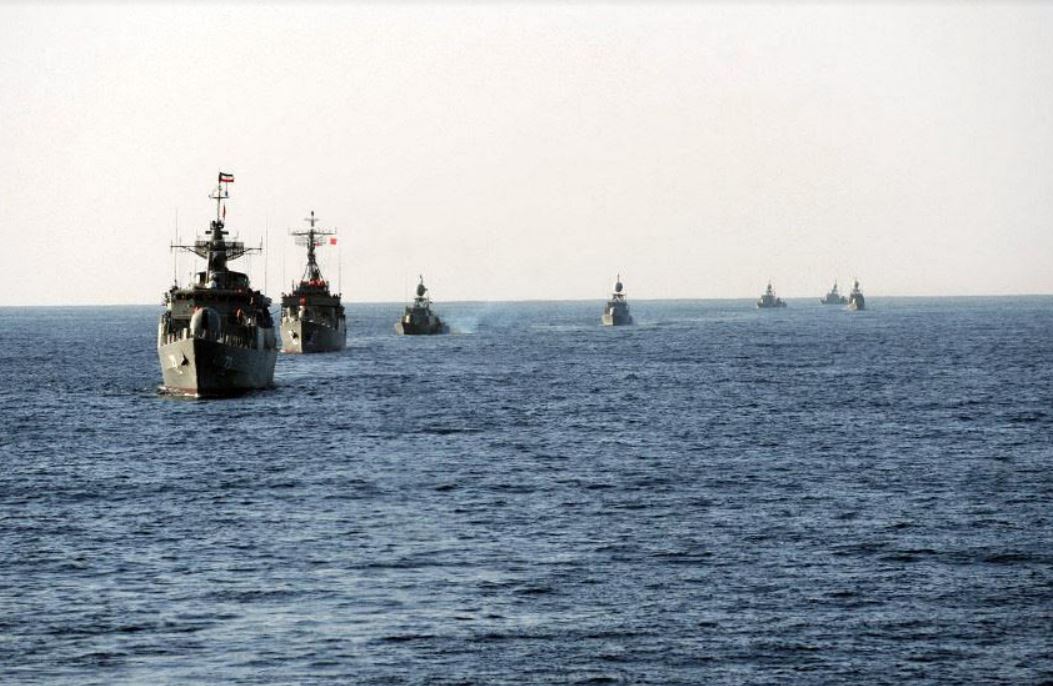
Those military developments continue to unfold at a rapid pace. According to reports cited by World Israel News, the ceasefire between the United States and Iran has faced repeated challenges in recent days as military activity intensified around the strategically vital Strait of Hormuz.
The narrow waterway remains one of the world’s most critical maritime chokepoints. A substantial percentage of global energy shipments pass through the strait, making any disruption there a matter of international concern.
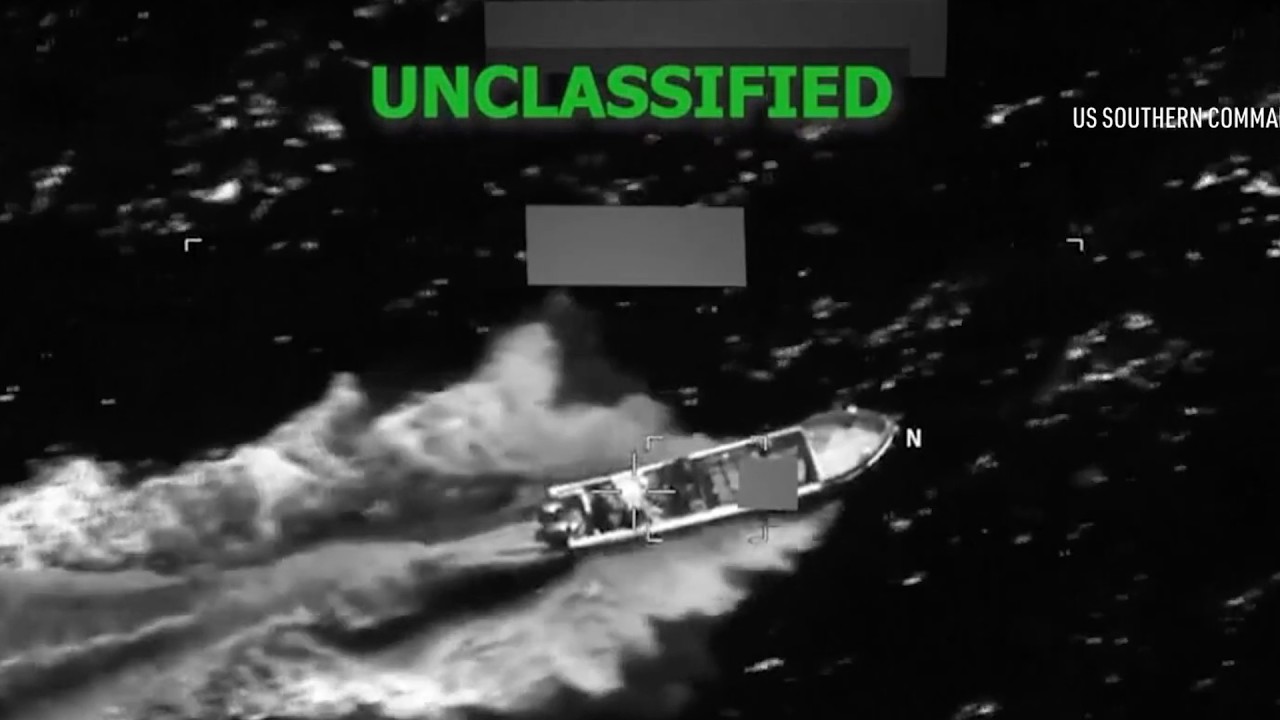
In other developments, World Israel News reported that United States Central Command announced the interception of multiple Iranian attack drones allegedly threatening commercial shipping traffic in the region.
In a statement released through official channels, CENTCOM said American forces successfully destroyed two Iranian one-way attack drones that were deemed threats to international maritime navigation.
The military command emphasized that American forces remain fully prepared to respond to additional acts of aggression and to safeguard commercial shipping lanes. Those interceptions followed an even larger confrontation reported earlier.
According to CENTCOM statements highlighted by World Israel News, American forces had previously responded to a broader Iranian attack involving drones and ballistic missiles directed toward both Gulf Arab states and the Strait of Hormuz itself.
The sequence of events illustrates the precarious nature of the current ceasefire. American officials stated that Iranian forces launched multiple drones toward the shipping corridor, prompting defensive action by United States military assets operating in the region.
Following those interceptions, Washington reportedly authorized retaliatory strikes against Iranian coastal surveillance infrastructure. US forces targeted radar installations located in Goruk and on Qeshm Island, according to military statements referenced by World Israel News.
American officials asserted that those facilities played a role in supporting operations that threatened maritime traffic and regional security. The retaliatory strikes represented yet another chapter in the increasingly complex military contest being waged across the Gulf.
Iranian officials responded by accusing Washington of violating ceasefire arrangements and escalating tensions unnecessarily. Tehran has repeatedly characterized American military operations near its coastline as acts of aggression, while US officials insist that their actions are defensive measures designed to protect international commerce and regional allies.
The disagreement reflects the profound mistrust that continues to define relations between the two adversaries. Meanwhile, the military exchanges expanded beyond maritime operations.
According to statements cited by Reuters and World Israel News, Iran’s Revolutionary Guard claimed responsibility for attacks directed toward American military facilities in Kuwait and Bahrain. Kuwaiti authorities reported that ballistic missiles traversed residential areas before being intercepted or otherwise neutralized. Government officials in Kuwait stated that material damage occurred, though no casualties were reported. The incident nevertheless generated considerable alarm among local populations and security officials.
In Bahrain, authorities activated emergency warning systems and instructed residents to seek shelter as the threat unfolded. Air defense systems were placed on high alert amid concerns that additional projectiles might follow. World Israel News reported that both Bahrain and Kuwait issued strong condemnations following the attacks.
The governments of both nations emphasized their commitment to regional stability while criticizing actions that placed civilian populations at risk. The United States military later stated that six incoming missiles were successfully intercepted and that a seventh failed to reach its intended target.
American officials further rejected Iranian claims regarding alleged damage to facilities associated with the US Fifth Fleet in Bahrain. According to Washington, no American personnel were harmed during the incidents. The repeated exchanges have intensified concerns among regional governments already struggling to navigate an increasingly volatile security environment.
For Gulf states, the danger extends beyond immediate military threats. Economic stability, investor confidence, energy exports, and infrastructure security all depend heavily upon uninterrupted maritime commerce.
Any disruption in the Strait of Hormuz carries implications that extend far beyond the Middle East. As World Israel News has emphasized throughout its coverage, the strategic importance of the waterway cannot be overstated. The strait functions as one of the most critical arteries in the global energy market. Even limited disruptions can generate uncertainty across international financial markets and influence energy prices worldwide.
The United States has maintained a maritime blockade targeting vessels entering and leaving Iranian ports since April, according to reports cited by World Israel News. American officials have repeatedly stressed that ships traveling to and from non-Iranian destinations remain free to transit the strait without interference. Iranian authorities reject that characterization and contend that American actions amount to unlawful restrictions on maritime commerce. The dispute has become one of several major obstacles confronting negotiators seeking a lasting settlement.
Beyond questions involving military activity, sanctions, and frozen assets, negotiators must also address competing visions for Gulf security. Regional governments increasingly fear that even isolated incidents could trigger a broader confrontation.
The latest attacks have heightened those concerns considerably. Kuwait and Bahrain have both strengthened defensive measures while coordinating closely with American military forces stationed in the region. At the same time, diplomatic channels remain active. International mediators continue efforts to prevent further escalation and preserve the ceasefire framework despite mounting challenges. Whether those efforts ultimately succeed may depend in part on the outcome of discussions surrounding Iranian assets.
Should the Trump administration proceed with plans to redirect Iranian resources toward reconstruction efforts in Gulf states, the decision could fundamentally alter the trajectory of negotiations. Supporters would likely argue that nations responsible for damage should contribute to rebuilding costs. Critics, however, may contend that such measures would further inflame tensions and reduce incentives for compromise.
For now, the proposal remains under review. Yet the mere possibility of utilizing Iranian assets for Gulf reconstruction has already added a powerful new dimension to one of the most consequential geopolitical confrontations of the modern era.
As World Israel News continues to report on developments throughout the Gulf region, policymakers, diplomats, military planners, and financial markets alike will be watching closely to determine whether economic leverage becomes the next major battleground in the ongoing struggle between Washington and Tehran.



