


















Survey Published Following Reports of Tense Trump-Netanyahu Exchange Reveals Broad Public Support for Independent Israeli Decision-Making on Military Matters
By: Fern Sidman
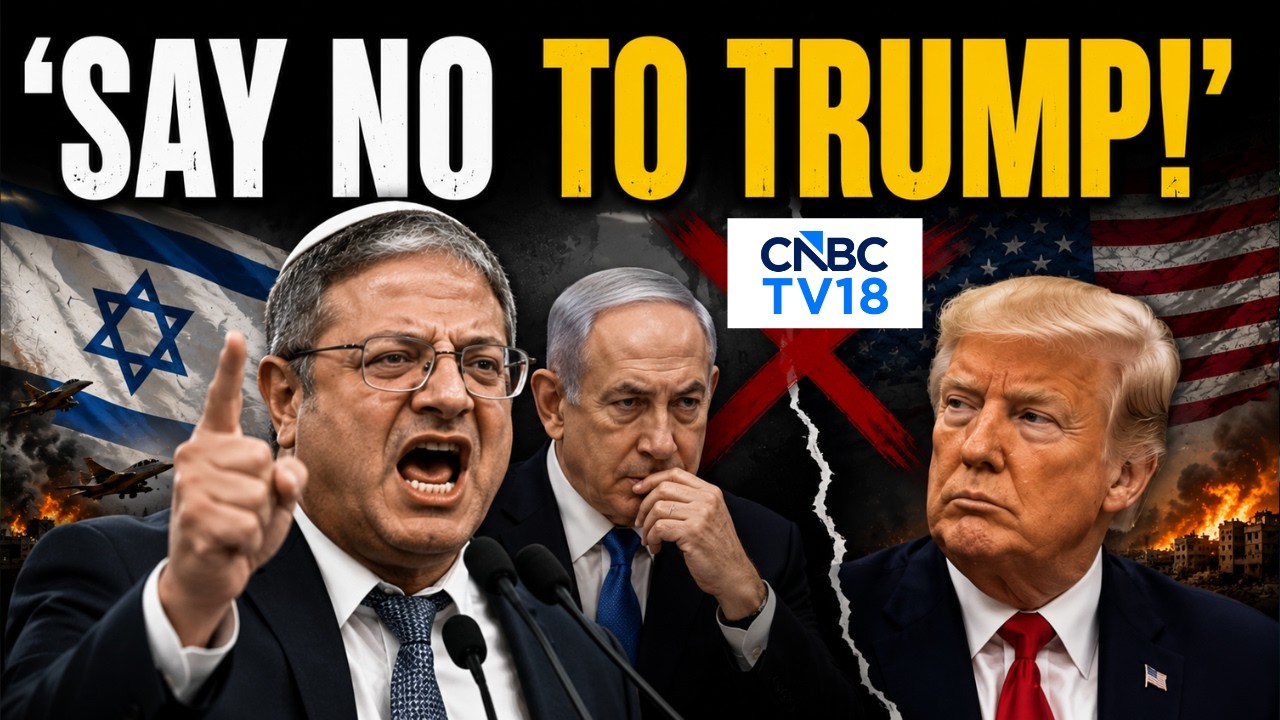
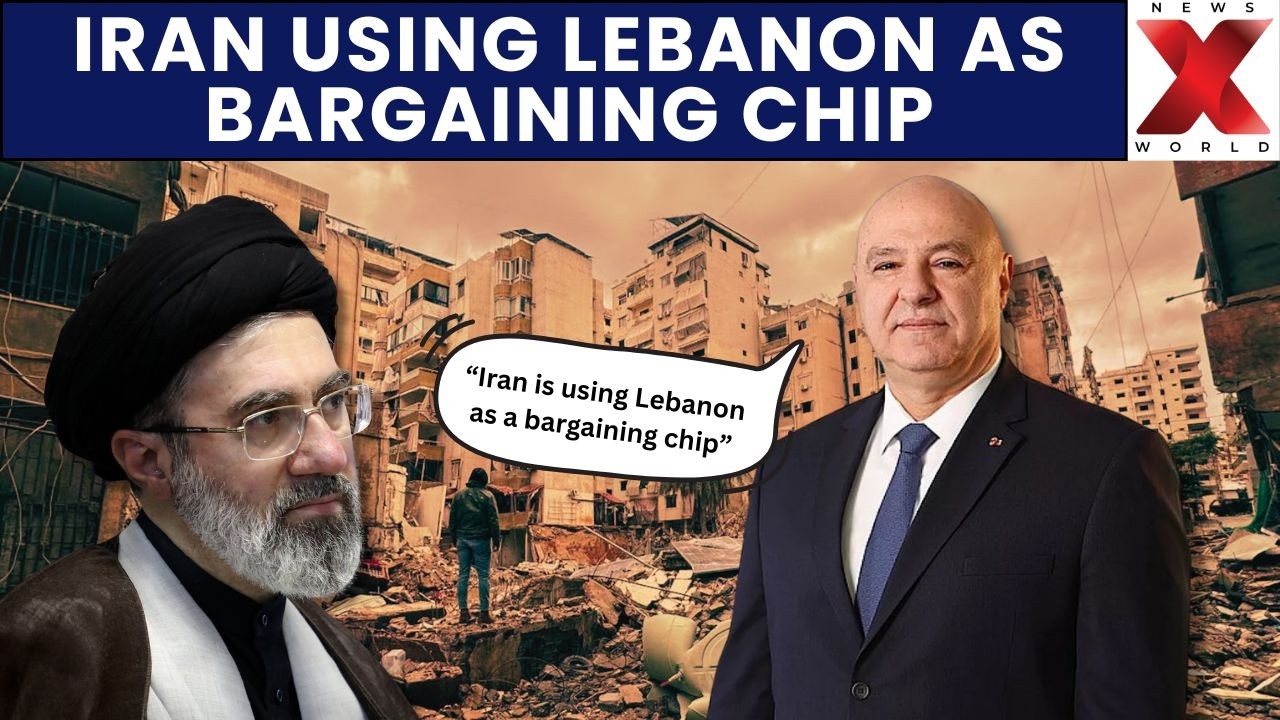
A substantial majority of Israelis believe Prime Minister Benjamin Netanyahu should maintain independent control over the nation’s military decision-making and resist excessive foreign influence, according to a new public opinion survey cited in a report on Friday at World Israel News. The findings come amid widespread discussion surrounding reports of a tense and highly publicized disagreement between Netanyahu and President Donald Trump regarding Israel’s military operations in Lebanon and a proposed ceasefire framework.
The survey, published by the Israeli newspaper Maariv and highlighted by World Israel News, offers a revealing glimpse into public sentiment at a time when Israel remains deeply engaged in complex security challenges across multiple fronts. The poll suggests that despite the historically close relationship between Jerusalem and Washington, many Israelis believe critical military decisions should ultimately remain in Israeli hands, even when those decisions differ from the preferences of the United States.
According to the survey results cited by World Israel News, 62 percent of respondents indicated that Netanyahu should not permit President Trump to exercise excessive influence over Israel’s military operations. The findings reflect a broad-based sentiment cutting across traditional political divisions and underscore the enduring importance many Israelis place on national sovereignty in matters of defense and security.
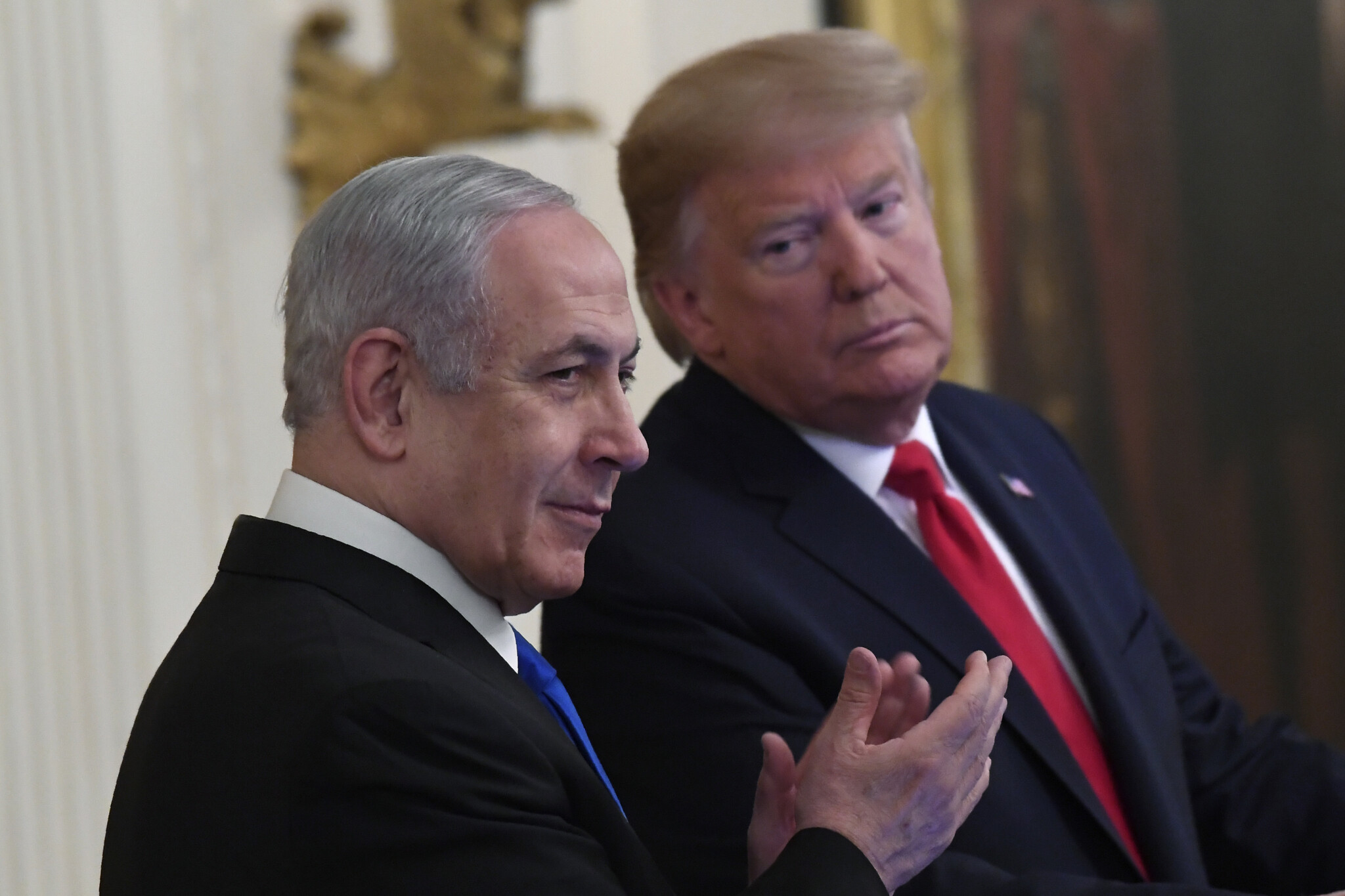
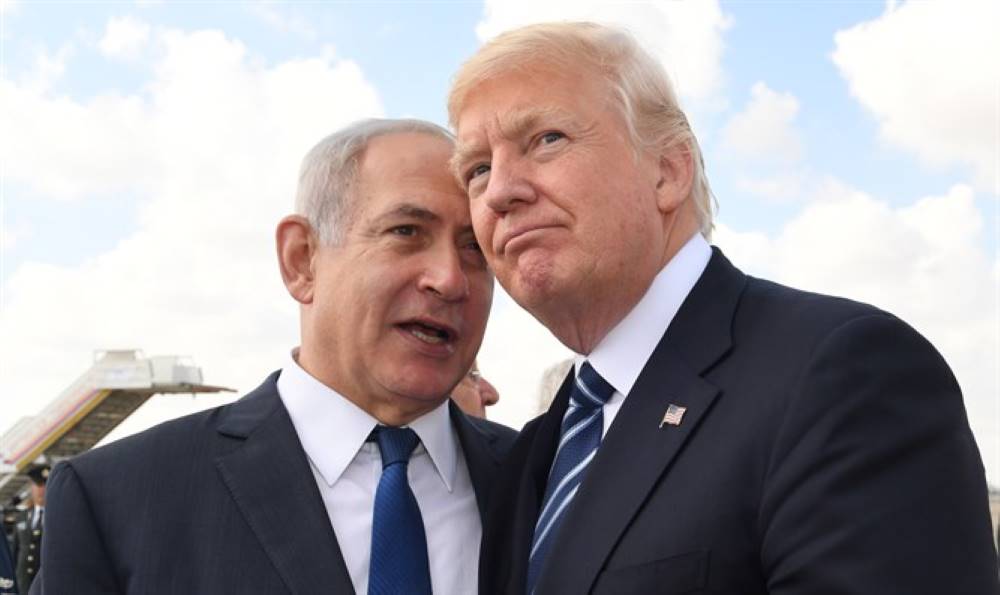
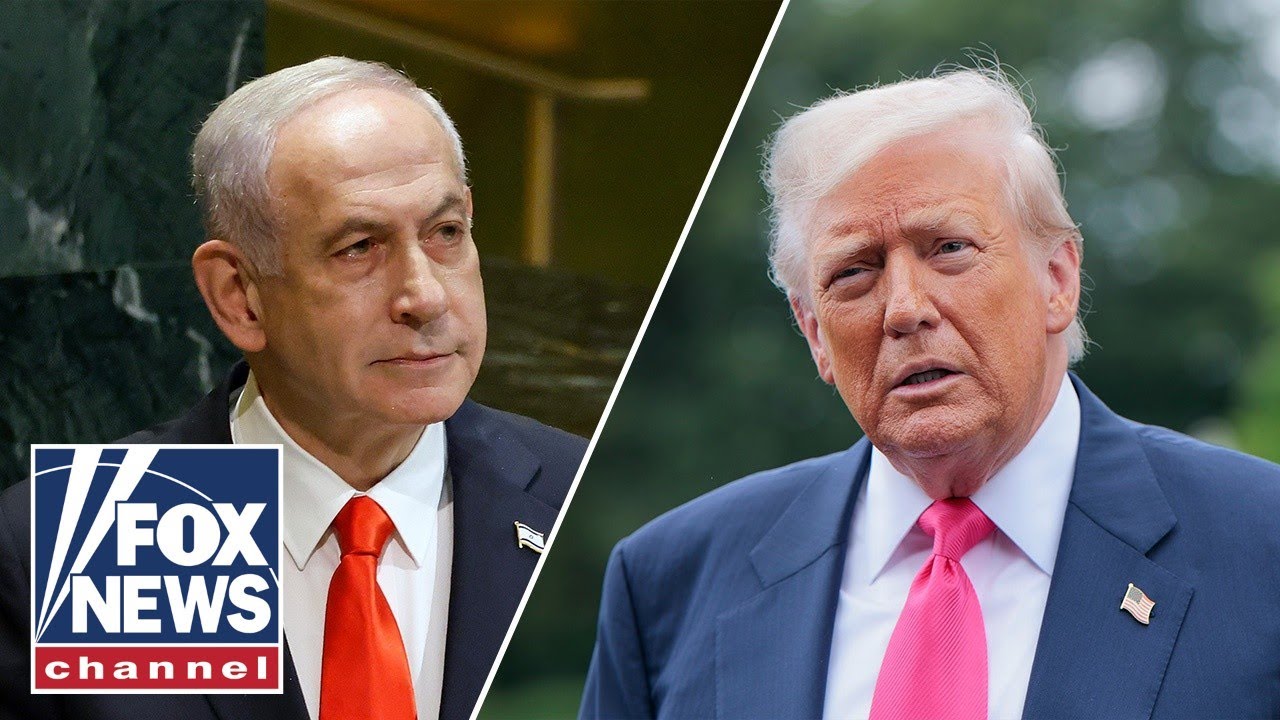
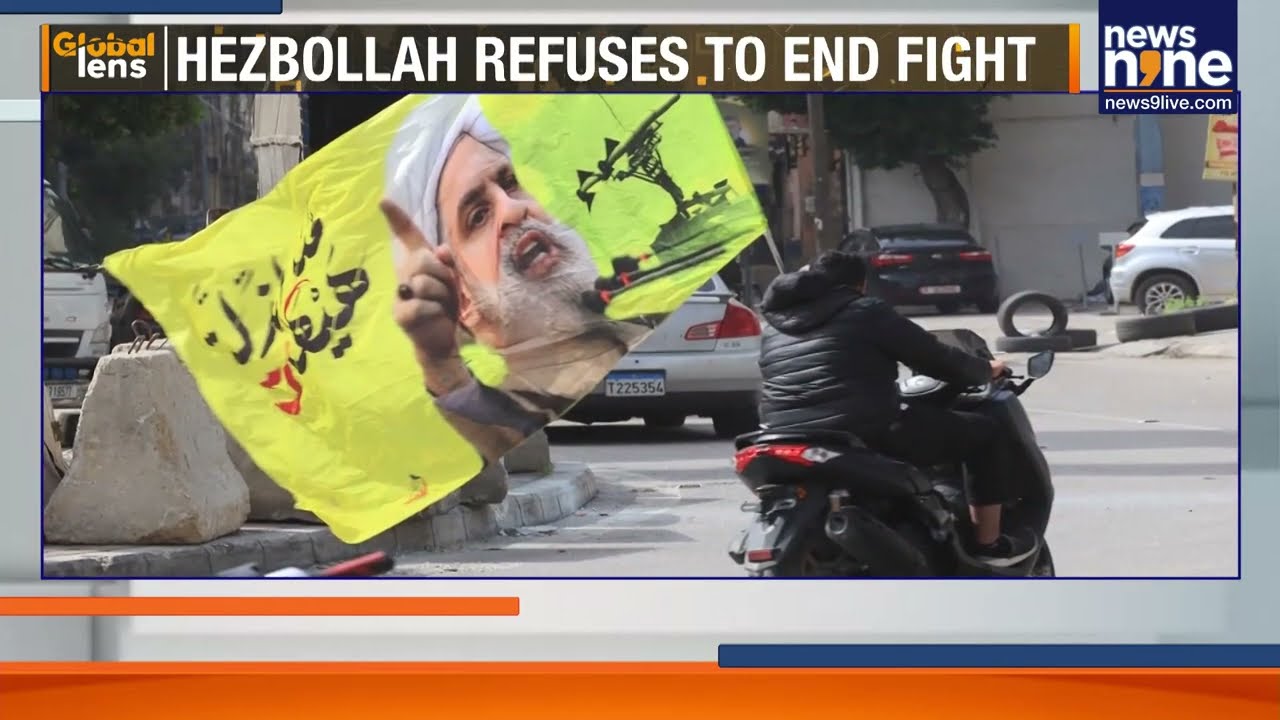
The survey was conducted against the backdrop of widespread reports regarding an allegedly heated telephone conversation between Trump and Netanyahu earlier this week. According to accounts that circulated in American and Israeli media outlets, the two leaders reportedly engaged in a forceful discussion concerning Israel’s military campaign against Hezbollah in Lebanon and efforts to implement a ceasefire arrangement.
The reported dispute has attracted significant attention because it involves two leaders who have generally been viewed as maintaining one of the closest strategic relationships between Israel and the United States in modern history.
The World Israel News report noted that the poll examined Israeli attitudes toward a specific aspect of the reported disagreement: Trump’s alleged request that Israel halt military strikes in Lebanon.
On that question, respondents demonstrated remarkable consensus regardless of political affiliation.
According to the survey, 66 percent of voters aligned with Netanyahu’s governing coalition believed the prime minister should not have agreed to such a demand. Perhaps more surprisingly, 62 percent of opposition voters expressed the same view, suggesting that support for Israeli autonomy in military affairs transcends many of the partisan divisions that often characterize domestic politics.
Only 25 percent of respondents indicated that Netanyahu had no realistic alternative but to comply with American demands, while 13 percent said they were uncertain.
The results suggest that many Israelis view military decision-making as an area where national interests must take precedence, even when those interests occasionally diverge from the preferences of close allies. The survey emerged after reports detailing what was described as an unusually blunt conversation between the two leaders.
According to media accounts cited by World Israel News, Trump reportedly objected to plans involving military operations in Beirut and expressed frustration over Israel’s ongoing actions in Lebanon. One report, citing administration officials and other sources familiar with the discussion, claimed that Trump directly challenged Netanyahu regarding Israeli military plans.
According to the reported account, Trump allegedly asked the Israeli leader, “What the f*ck are you doing?” The same reports further alleged that Trump referenced support he had provided Netanyahu during legal and political controversies in Israel.
According to the reported conversation, Trump purportedly told the prime minister: “You’re f*cking crazy. You’d be in jail if it weren’t for me. I’m saving your ass. Everyone hates you now, and everyone hates Israel because of this.”
The authenticity and precise wording of the reported remarks have not been independently verified, and Netanyahu has declined to discuss specific details of the conversation. Nevertheless, the reports generated significant discussion throughout Israel and the United States, particularly given the strategic importance of the relationship between the two leaders during a period of regional instability.
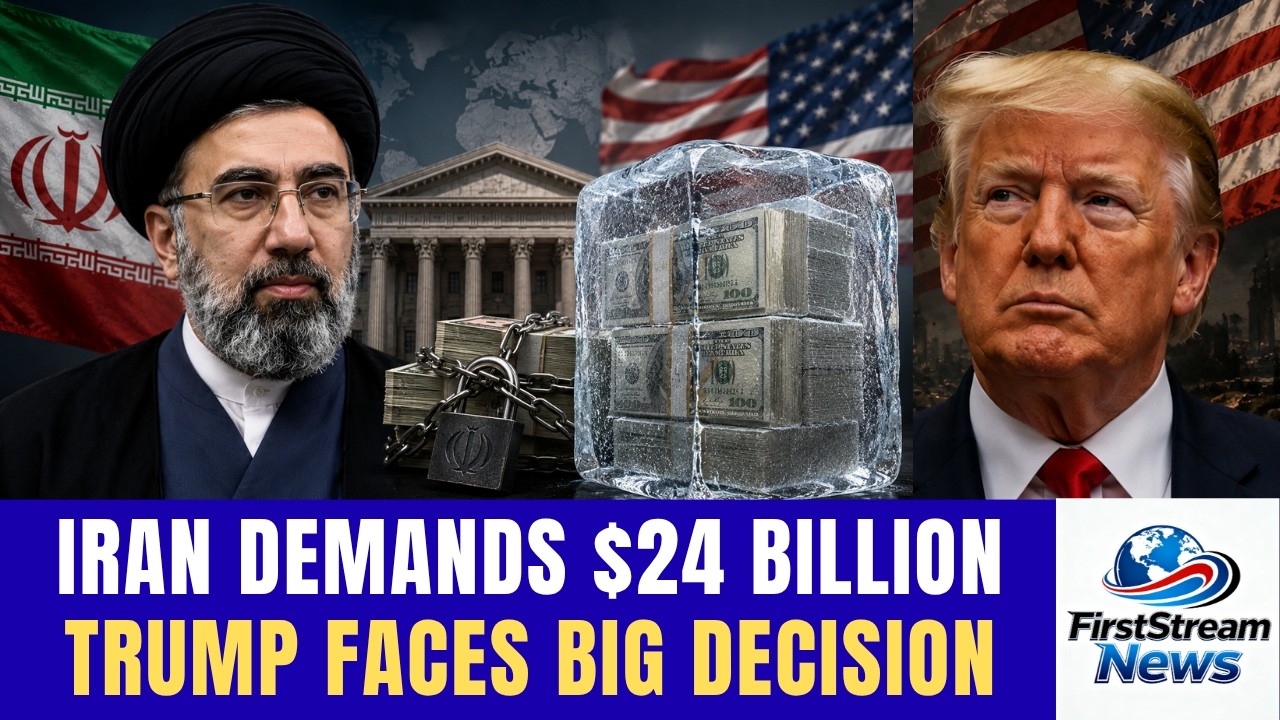
World Israel News reported that tensions surrounding the issue extended beyond the reported telephone call. According to a report at Axios, concerns reportedly intensified within the White House after Iran threatened to withdraw from ongoing negotiations with Washington because of Israeli military actions in Lebanon.
The report suggested that while American officials broadly support Israel’s right to defend itself against Hezbollah attacks, disagreements have emerged regarding the scale and scope of Israeli operations. According to sources cited by Axios, Netanyahu ultimately responded during discussions by saying, “Okay, okay, just make sure everything is handled.”
The broader diplomatic context has made the issue particularly sensitive.
The United States has been engaged in indirect negotiations with Iran aimed at addressing regional security concerns and preventing further escalation throughout the Middle East. At the same time, Israel continues to emphasize the necessity of confronting Hezbollah and other Iranian-backed organizations that it views as direct threats to national security.
Against that backdrop, differences over military strategy inevitably carry implications that extend beyond the immediate battlefield. Despite widespread reports portraying the conversation as contentious, both leaders have publicly attempted to minimize suggestions of a major rupture.
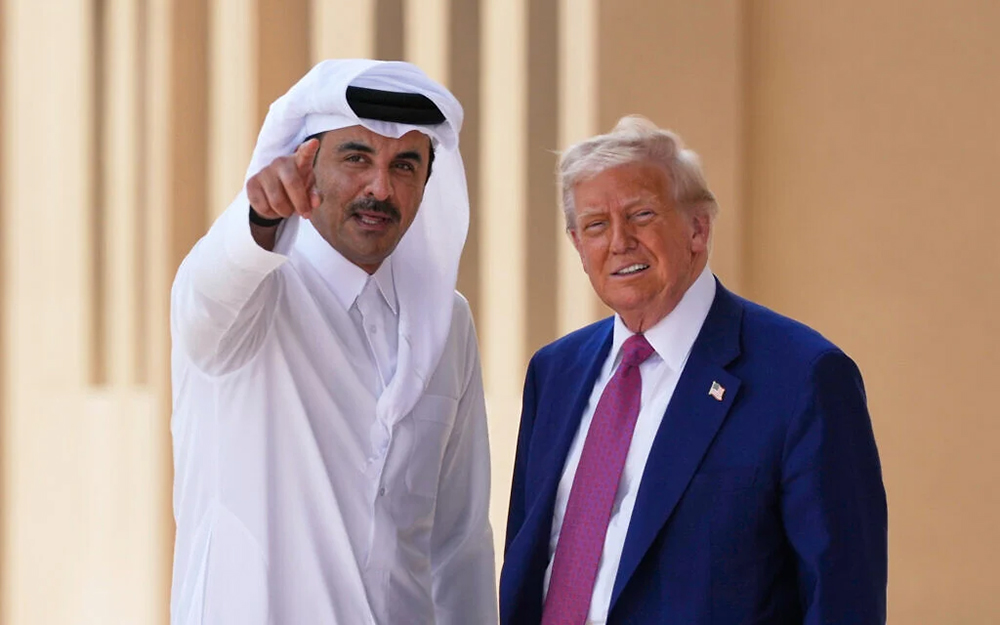
Trump himself acknowledged that strong language had been used during the exchange but rejected suggestions that he had been enraged. Appearing on the “Pod Force One” podcast, Trump confirmed that profanity was part of the conversation. “I did,” Trump said when asked about reports of his language. However, he quickly added, “I wouldn’t say angry.” Instead, Trump characterized his reaction in more measured terms. “I was a little bit perturbed at his constantly fighting with Lebanon, you know,” Trump explained. “At some point I said, ‘Bibi we got to stop this. We got to stop it.'”
The president also emphasized the broader strength of the relationship. “I like Bibi a lot,” Trump said. “And I work very well with him. I’m a wartime president. He’s a wartime prime minister.”
Those remarks were widely interpreted as an effort to reassure audiences that strategic cooperation between Washington and Jerusalem remains intact despite disagreements over specific military tactics.
For his part, Netanyahu has similarly sought to portray the reported dispute as a normal feature of a close alliance rather than evidence of a fundamental breakdown. In an interview addressing the controversy, the Israeli prime minister declined to discuss the specifics of the reported telephone call. Instead, he characterized the matter as involving what he described as “tactical disagreements.”
Netanyahu emphasized that despite occasional disputes, he and Trump continue to share common objectives on the most important strategic questions facing both countries. “There are arguments even in good families,” Netanyahu remarked in comments that received widespread attention throughout Israel.
That observation resonated with many observers who noted that strong alliances frequently involve disagreements over methods even when broader goals remain aligned.
World Israel News reported that Netanyahu also stressed that the United States and Israel continue to share common interests regarding regional stability, Iran, and broader security concerns. The prime minister’s comments appeared designed to reassure both domestic and international audiences that the partnership remains strong despite occasional tensions.
The poll results nevertheless reveal an important aspect of Israeli public opinion.
For decades, Israel has relied heavily on strategic cooperation with the United States. Successive American administrations have provided diplomatic backing, military assistance, intelligence cooperation, and political support at critical moments.
Yet the survey suggests that many Israelis continue to draw a distinction between alliance and dependence. Even among opposition voters who often disagree with Netanyahu on domestic matters, there appears to be substantial support for preserving Israel’s freedom of action in military affairs. That sentiment reflects a longstanding principle within Israeli political culture: the belief that ultimate responsibility for national defense rests with Israel itself.
As regional tensions continue to evolve and negotiations involving multiple actors proceed simultaneously, the relationship between Washington and Jerusalem will likely remain under close scrutiny.
For now, however, the findings highlighted by World Israel News indicate that a clear majority of Israelis believe their country’s military decisions should remain primarily in Israeli hands, even when those decisions become the subject of disagreement with its most important ally.
Whether the reported dispute proves to be a temporary disagreement or a sign of broader strategic differences remains uncertain. What is clear is that the debate has sparked a wider discussion about sovereignty, alliance management, and the delicate balance between cooperation and independence in one of the world’s most consequential partnerships.