


























|
Getting your Trinity Audio player ready...
|
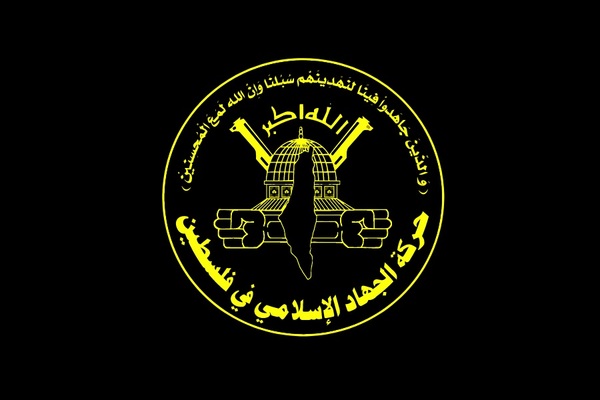
On the third day of conflict between Israel and the Islamic Jihad, the militant group announced that an Egyptian-brokered truce would begin at 20:30 GMT on August 7. Israeli Prime Minister Yair Lapid’s office confirmed the ceasefire.
A senior Arab official has informed me that the ceasefire was confirmed by Islamic Jihad after a 45-minute phone call between a senior Egyptian intelligence officer and his Iranian counterpart. “The Iranian side wanted the truce to happen as fast as possible.”
What the source claims does not seem to contradict what has happened on the ground in Gaza. This quick conclusion of fighting is inconsistent with previous rounds. Usually, Hamas and Islamic Jihad refuse all offers for a ceasefire until serious Israeli bombings have taken place. The reasons for this are simple: the leaders of both terror groups are rarely affected by the fighting. They and their families are either safe in bunkers underground or vacationing in Jordan, Qatar, or Turkey. The second reason is that both Hamas and Islamic Jihad are not free to make their own decisions. They receive orders from their masters, who call the conditions of any ceasefires that serve their interests and not those of Gazans. In the case of Islamic Jihad, the leaders of the terror group receive their orders from Iran.
 Trained, financed, and promoted by Iran and her Arab friends, Islamic Jihad is a de facto offshoot of the Iranian Revolutionary Guards. This means that Iran is the one who has called the ceasefire shot. But why wouldn’t Iran let Gaza burn this time, as it has always done? Why did Iran agree to a ceasefire so quickly?
The answer lies in the way Israel managed the matter, which was quite different from the previous times and therefore has produced different results.



