

















|
Getting your Trinity Audio player ready...
|
Edited by: TJVNews.com
Israeli Prime Minister Naftali Bennett on Sunday made a historic trip to the United Arab Emirates, the first visit by an Israeli premier, as part of a blitz of regional diplomacy against the backdrop of struggling nuclear talks with Iran, as was reported by the AP
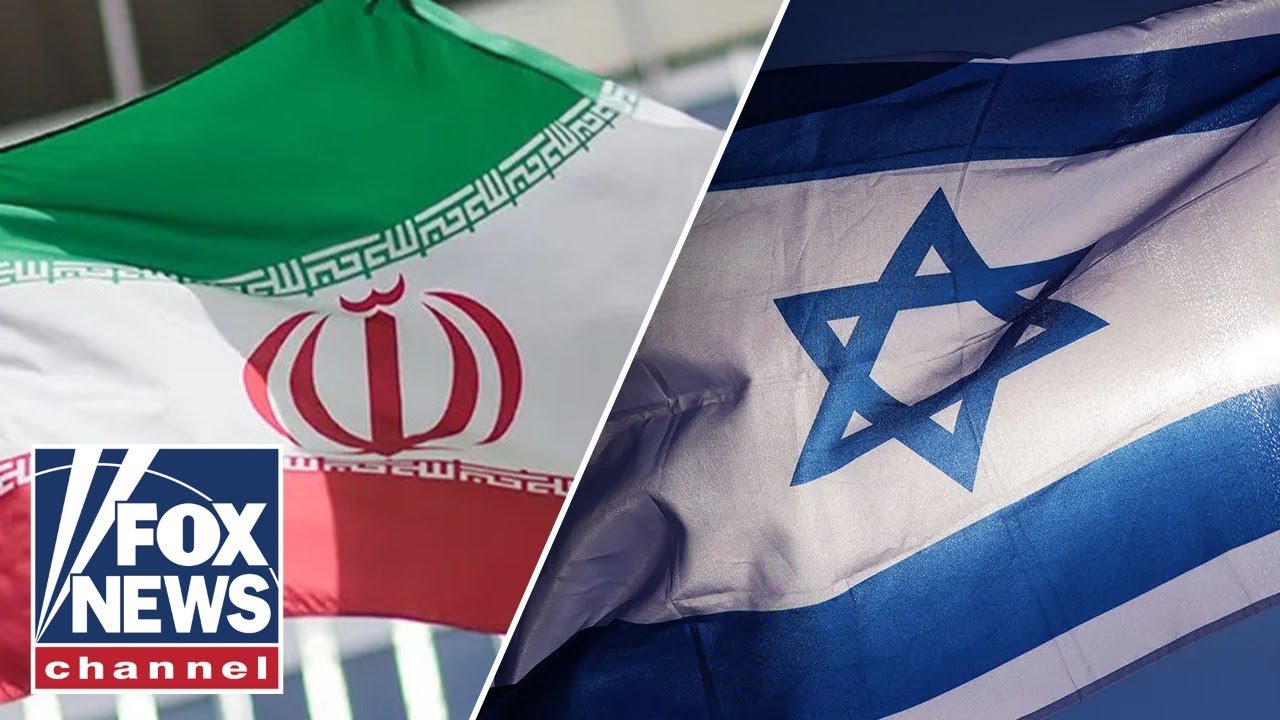
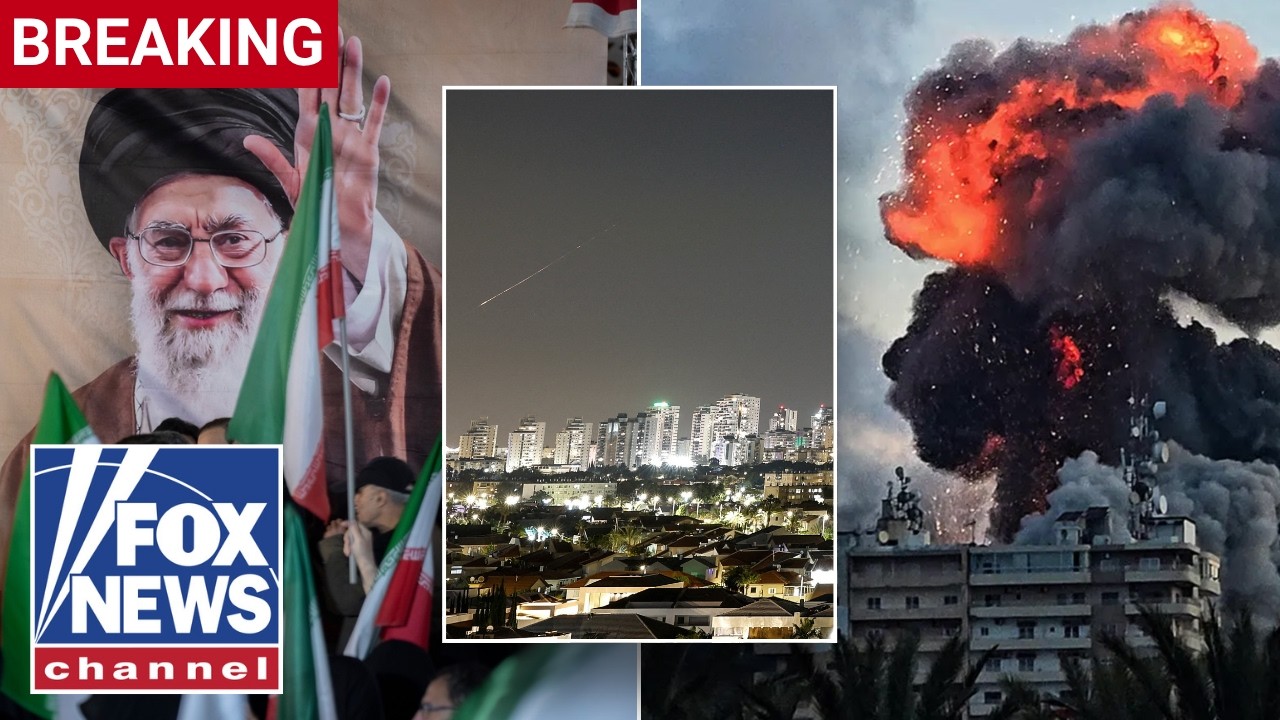
Israel has watched with concern as Iran has pushed a hard line against negotiators meeting in Vienna, at once demanding sanctions relief while accelerating its nuclear program.

The AP reported that in recent weeks, Israel has dispatched its top diplomat and its defense and spy chiefs to meet allies in Europe, the U.S. and the Mideast to push for a firmer approach to Iran. The Israeli outreach has been accompanied by repeated threats to take military action against Iran if diplomacy fails.
Bennett’s trip to Abu Dhabi, where met with Crown Prince Mohamed bin Zayed, is a milestone for both Israel and its new leader. The AP reported that Israel and the UAE last year signed a normalization deal brokered by the Trump administration under the “Abraham Accords,” a series of diplomatic accords with Arab countries that also included Bahrain, Sudan and Morocco. Israel and the UAE have long shared common anxiety over Iran’s nuclear program. The deal to establish ties between the countries only increased tensions with the Islamic Republic.

Bennett was received by an honor guard and welcomed by the UAE’s foreign minister, Sheikh Abdullah bin Zayed Al Nahyan, according to the AP report.
“I am very excited to be here, on the first official visit by an Israeli leader,” Bennett said upon arrival. “We look forward to strengthen the diplomatic relations between the countries.”
Bennett’s trip comes on the heels of a visit by the UAE’s national security adviser, Sheikh Tahnoon bin Zayed Al Nahyan to Tehran, where he met with Iran’s new hard-line president, Ebrahim Raisi, in a bid to ease tensions. It was a major visit for the Gulf Arab federation that has long viewed Iran as its main regional threat. Several other regional political visits, by Syria’s foreign minister and the leaders of Saudi Arabia and Turkey, have also taken place recently, all with an eye on the negotiations, as was reported by the AP

Israel, which is not a party to the talks in Vienna, has turned to its allies to work together and lobby negotiators seeking to rein in Iran’s nuclear program.
Israeli Foreign Minister Yair Lapid recently visited Europe and Egypt and Israeli Defense Minister Benny Gantz and Mossad chief David Barnea flew to the U.S. to discuss the talks with leaders there, according to the AP report. Earlier this year Lapid visited the UAE and inaugurated Israel’s embassy there.
Israel sees the UAE as a crucial part of that outreach to its allies. Under Sheikh Mohammed bin Zayed Al Nahyan, Abu Dhabi’s powerful crown prince and long the de facto ruler of the Emirates, the UAE has embarked on a rapid expansion of its military forces to counter what it sees as the threat posed by Iran. The AP reported that during the recent Dubai air show, Sheikh Mohammed visited the pavilion of Israel Aerospace Industries, Israel’s largest state-owned defense contractor.
The Emirates also hosts U.S. and French forces and its Jebel Ali port is the U.S. Navy’s busiest port of call outside of America.
The AP reported that the Vienna negotiations are working to revive the 2015 nuclear accord between Iran and six world powers. That agreement, launched by President Barack Obama, granted Iran relief from stifling sanctions in exchange for curbs on its nuclear program.
But three years later, President Donald Trump, with strong encouragement from then-Israeli Prime Minister Benjamin Netanyahu, withdrew from the deal, causing it to unravel. Since then, the U.S. has reimposed sanctions and Iran has stepped up its nuclear activities — amassing a stockpile of highly enriched uranium that goes well beyond the bounds of the accord.
Prominent voices in Israel, including a former defense minister and former intelligence head, are now indicating the U.S. withdrawal, especially without a contingency plan for Iran’s continuously developing nuclear plan, was mishandled, as was reported by the AP.

Talks resumed earlier this month in Vienna after a five-month hiatus that came following Raisi’s election. But negotiators ended the round disappointed, claiming Iran had backtracked on progress made in previous rounds and had dug in with new demands on sanctions relief.
Iran also isn’t slowing down advances in its atomic program, further raising the stakes in talks. In the midst of the negotiations, the U.N.’s nuclear watchdog confirmed that Iran had begun enriching uranium up to 20% purity at its underground facility at Fordo – a site where enrichment is not permitted under the deal, according to the AP report.
Israel considers Iran to be its greatest enemy and it strongly opposed the 2015 deal. It says it wants an improved deal that places tighter restrictions on Iran’s nuclear program and addresses Iran’s long-range missile program and its support for hostile proxies along Israel’s borders. Israel also says the negotiations must be accompanied by a “credible” military threat to ensure that Iran does not delay indefinitely, as was reported by the AP.
Iran says its nuclear program is meant for peaceful purposes.
The AP report noted that Bennett’s visit to the UAE could give him a boost at home at a time when he is under fire for a recent trip by his family abroad amid COVID travel restrictions and when the legitimacy of his leadership is still being questioned by opposition lawmakers and the voters who support them.
Meanwhile, Iran on Monday condemned Bennett’s visit to the United Arab Emirates, claiming it was “detrimental to the security and interests of the region and world Muslims”, Reuters reported.
“Foreign Ministry spokesman Saeed Khatibzadeh, referring to the visit of the Zionist regime’s prime minister to the UAE, said such actions are disruptive to the region’s security and go against the interests of the Islamic nation and the people of the region and Arab countries,” state media said.
INN reported that Bennett met on Monday with the Crown Prince of Abu Dhabi and Deputy Supreme Commander of the Armed Forces, Sheikh Mohamed bin Zayed Al Nahyan
“The Israeli Prime Minister’s successful visit to the United Arab Emirates is another milestone in the development of warm relations and a tremendous partnership forged between the two countries,” the Prime Minister’s Office and the Crown Prince’s Office said in a joint statement.
The leaders discussed a variety of economic and civic issues in which there has been significant progress in the past year, including private and public sector cooperation in R&D, technology, food security, climate, water, energy, environment, health and tourism.
Bennett’s visit to the UAE took place as the UAE seeks rapprochement with Iran. Reports last month said that a high-level delegation from the UAE would visit Tehran and seek to de-escalate tensions between the two countries, according to the INN report.
Anwar Gargash, diplomatic adviser to UAE President Sheikh Khalifa bin Zayed bin Sultan Al Nahyan, said last month that while his country remained concerned by Iran’s destabilizing behavior in the Middle East, it had “taken steps to de-escalate tensions as we have no interest in a confrontation. The whole region would pay the price of such a confrontation for decades to come.”
“I am realistic about the chances of success. It will be a slow process, but we hope that over time we can build together greater confidence between us and start to make progress towards a more sustainable and mutually beneficial status quo,” Gargash said.
INN reported that Bennett vowed Israel will continue to strengthen its ties to its new Arab allies, continuing the process set in motion by the Abraham Accords last year.
Speaking with the Emirates News Agency Monday morning following his arrival in the United Arab Emirates, Bennett touted the ties forged between Israel and the UAE as part of the Abraham Accords.
“In my opinion, this is what the peace and the new reality this region is witnessing, and we are working together to ensure a better future for our children.”
Bennett promised to continue to strengthen the bonds between the two countries, saying: “I look forward to the continued development and consolidation of relations.”
The prime minister said trade agreements between the United Arab Emirates and Israel offered “limitless future opportunities” for commerce between the two countries, noting the UAE’s position as a regional trading hub.
“The message that I wish to deliver to the UAE leaders and Emirati citizens is that mutual partnership and friendship are natural. We are neighbors and cousins. We are the grandchildren of Prophet Abraham.”
Bennett was received by the Emirati Crown Prince, Sheikh Mohamed bin Zayed, Monday morning, beginning a meeting during which the two are expected to discuss the strengthening of cooperation between the two countries in a number of areas, with an emphasis on trade relations.
He also met the Minister of Technology and the Minister of Culture of the UAE and later he met with the Chairman of the Mubadala Investment Company.
INN reported that in their meeting, Prime Minister Bennett and UAE Minister of Industry and Advanced Technology Dr. Sultan bin Ahmed Al Jaber discussed cooperation between the two countries in technology, trade and energy, especially projects in the field of renewable energy.
Prime Minister Bennett and UAE Culture Minister Noura bint Mohammed Al Kaabi discussed bilateral cooperation in culture and sports, including film and joint television productions.
Prime Minister Bennett made the following remarks prior to departing the UAE:
“I have just finished a very significant visit to the UAE. I would like to thank Sheikh Mohammed bin Zayed for the very warm hospitality and the in-depth, sincere and significant talks.
“During the day, we discussed the two countries’ relative strengths. Our goal is to expand ties so that there is not only peace between the leaders but also between the peoples.
“I am flying back to Israel very optimistic that this relationship can set an example of how we can make peace here in the Middle East,” the prime minister concluded.
(Sources: AP, Reuters, Israel National News
(israelnationalnews.com)



