












By: Fern Sidman
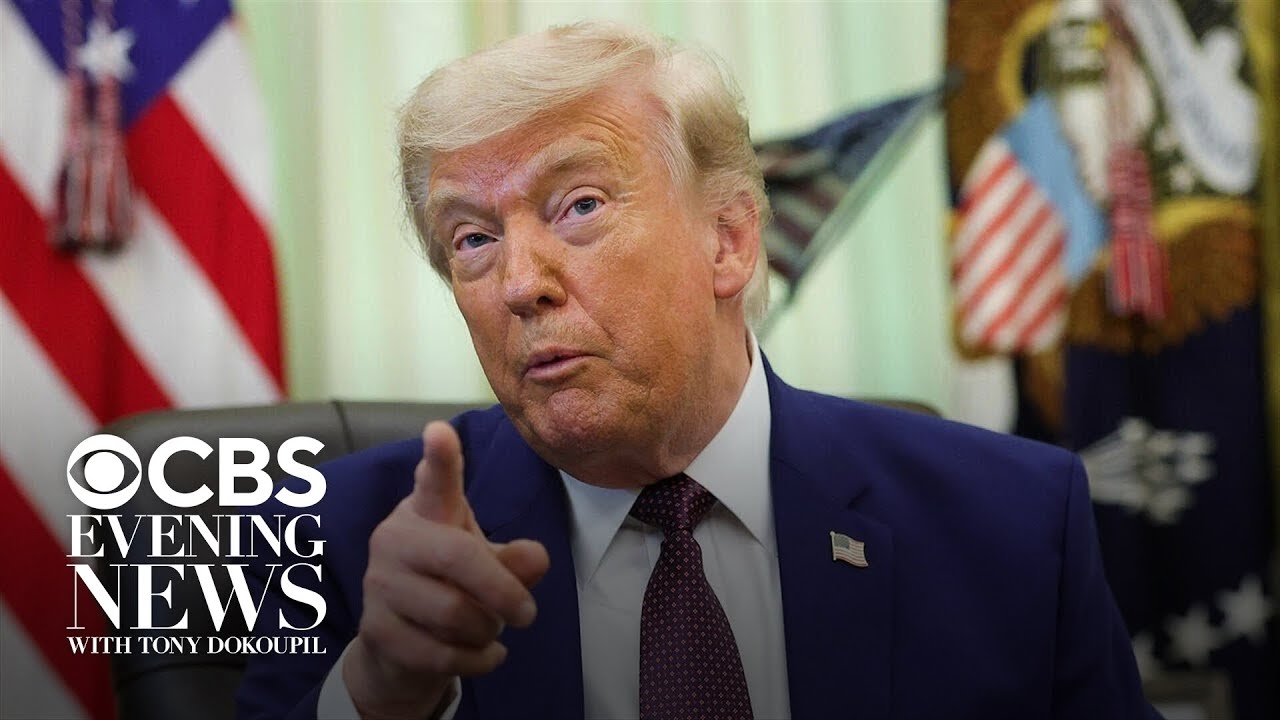
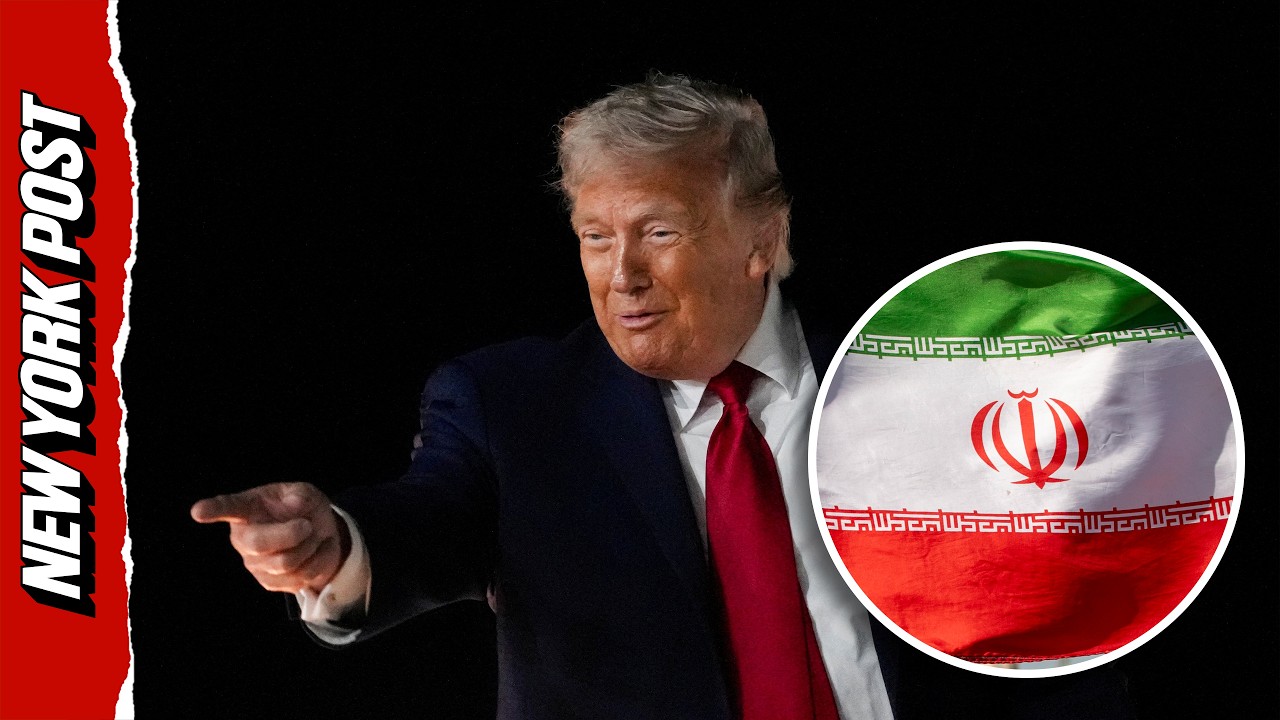
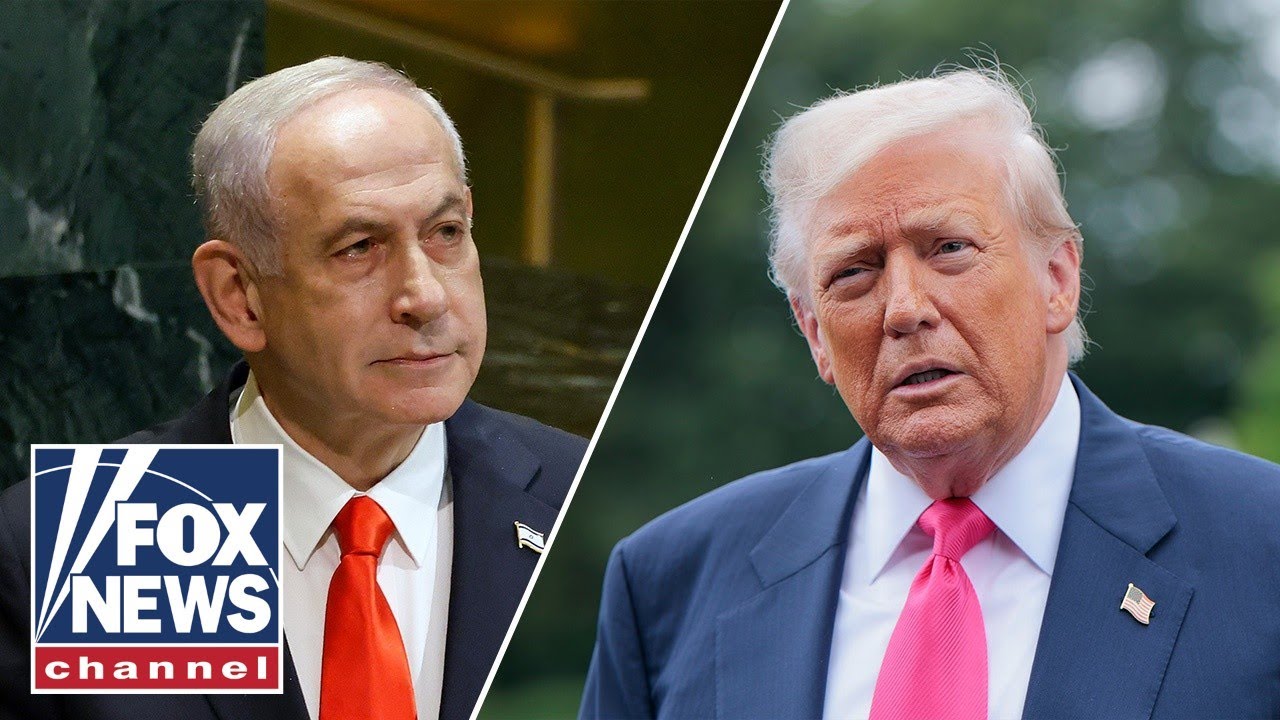
President Donald Trump expressed renewed optimism on Tuesday that a comprehensive diplomatic breakthrough between Israel and Iran may be within reach, declaring that negotiators are in what he described as the “final throes” of efforts to secure a peace agreement following days of dangerous military exchanges that threatened to reignite a broader regional war.
The comments, reported by the Agence France-Presse (AFP) and echoed throughout diplomatic circles, came at a pivotal moment for the Middle East, where military confrontation and diplomatic engagement continue to unfold simultaneously. While a ceasefire remains formally in place, recent missile attacks, retaliatory strikes, and increasingly pointed warnings from leaders in Jerusalem and Tehran have underscored the fragility of the current calm.
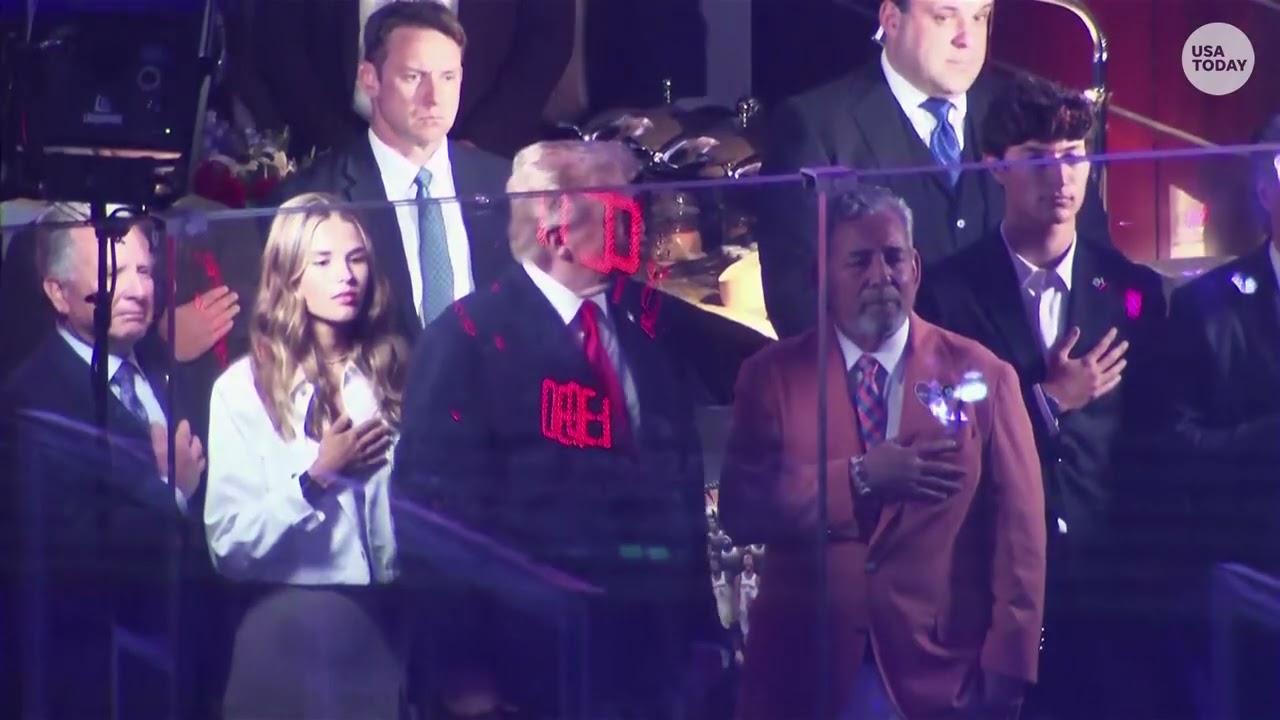
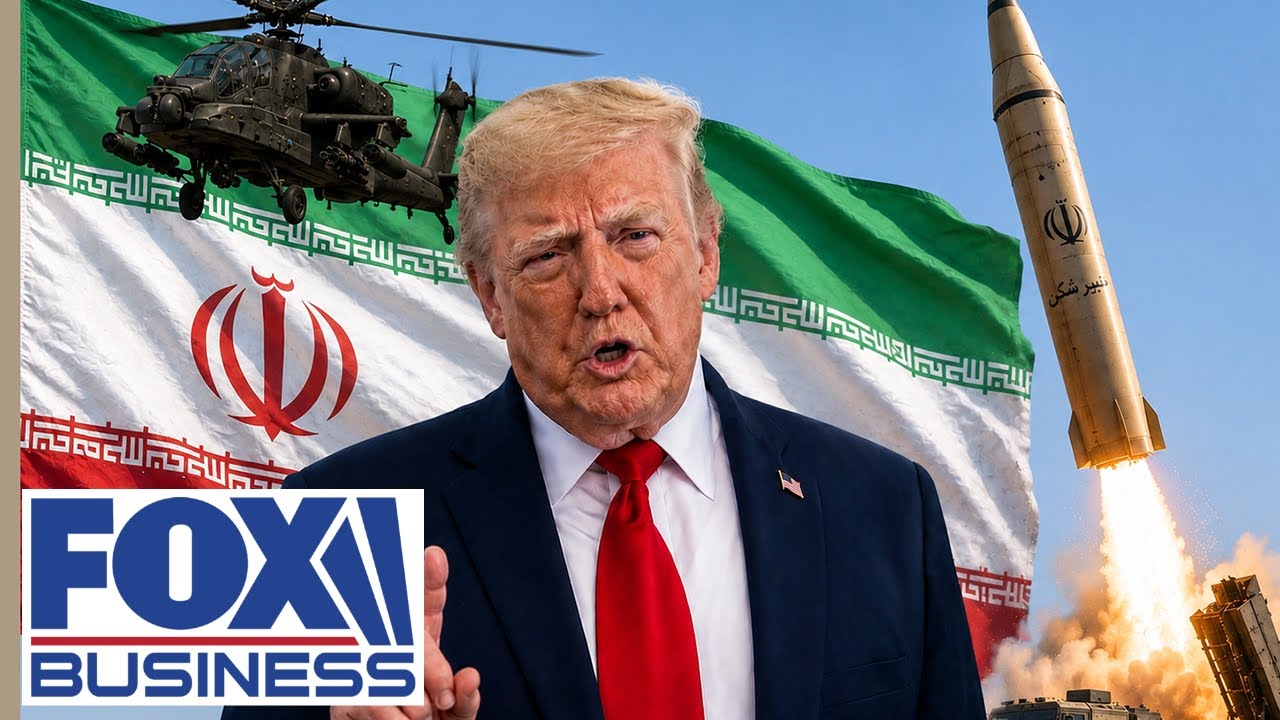
Speaking to reporters upon his return from attending an NBA Finals game, Trump projected confidence that recent hostilities had been contained and that negotiations were moving toward a decisive conclusion. “Iran and Israel were going back and forth and now they both agreed through me to stop and we’re in the final throes of what will be a very, very good deal,” the president said, according to the AFP report. When asked whether such an agreement might be measured in weeks or months, Trump offered an even more ambitious timetable. “It would take two or three days,” he said.
The statement represented the latest in a series of optimistic assessments from the White House regarding negotiations involving Iran and broader Middle Eastern security arrangements. Trump has repeatedly asserted that an agreement is close at hand, even as periodic outbreaks of violence have complicated diplomatic progress.
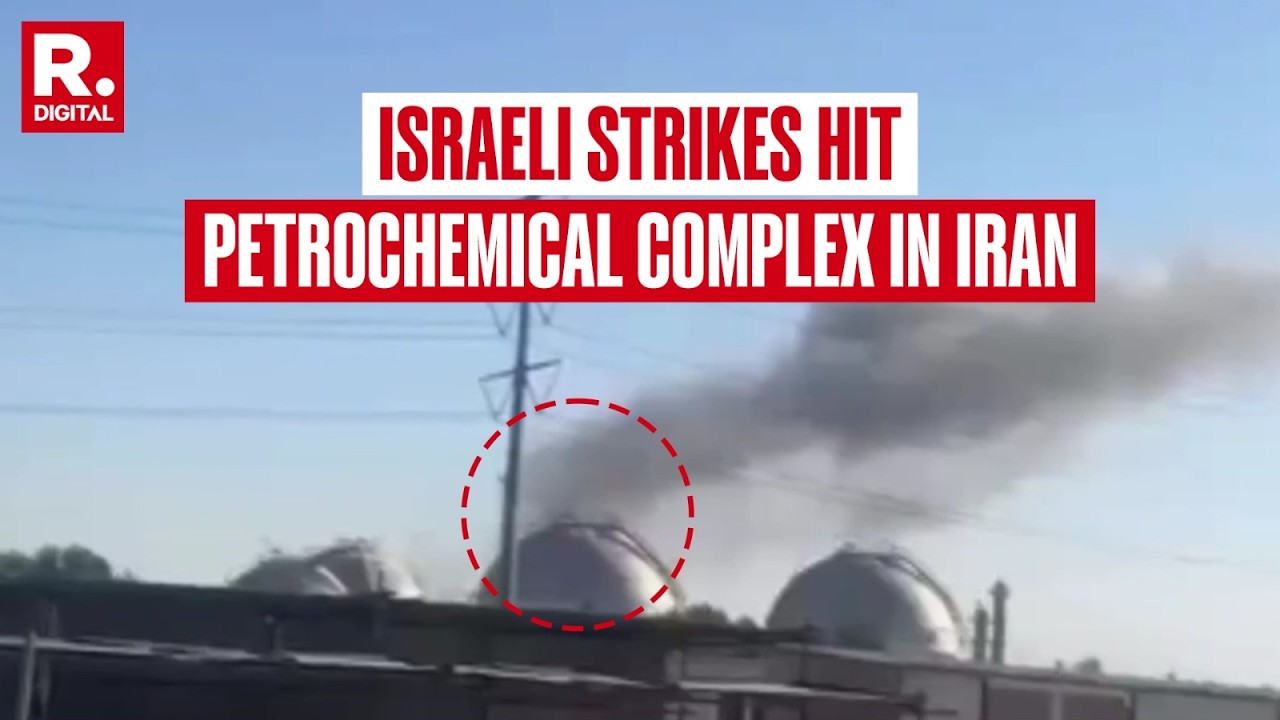
According to the AFP report, the latest crisis erupted after Iran launched missile attacks toward Israel despite the existence of a ceasefire arrangement that had been in effect since April 8. Those launches prompted Israeli retaliation and renewed concerns that the region could slide back into open warfare.
The exchange of fire unfolded at a particularly sensitive moment, as international mediators worked to preserve negotiations and prevent a collapse of diplomatic efforts. Tehran has consistently maintained that any comprehensive settlement must address developments beyond the Iranian front itself. Iranian officials have repeatedly argued that Lebanon and the continuing conflict involving Hezbollah must be incorporated into any broader framework.
The AFP reported that Iranian missile launches on Sunday were followed by Israeli military responses, despite mounting pressure from Washington urging restraint. Iran subsequently launched another round of missiles before announcing a halt to military operations. Hours later, Israeli Prime Minister Benjamin Netanyahu declared that “the fire on that front is contained,” signaling a tentative pause in direct confrontation.
Yet despite those statements, neither side appeared willing to rule out future military action. According to the AFP report, Tehran warned on Monday that it would respond forcefully if Israeli strikes in Lebanon continued. Israel, meanwhile, issued its own warnings regarding future retaliation. Netanyahu made clear that the cessation of hostilities should not be interpreted as a sign of weakness or a relinquishment of Israel’s right to self-defense. “If Iran makes the mistake of resuming attacks against us, we will respond with full force,” the prime minister warned. His comments reflected a broader Israeli position that deterrence must remain credible even during periods of diplomatic engagement.
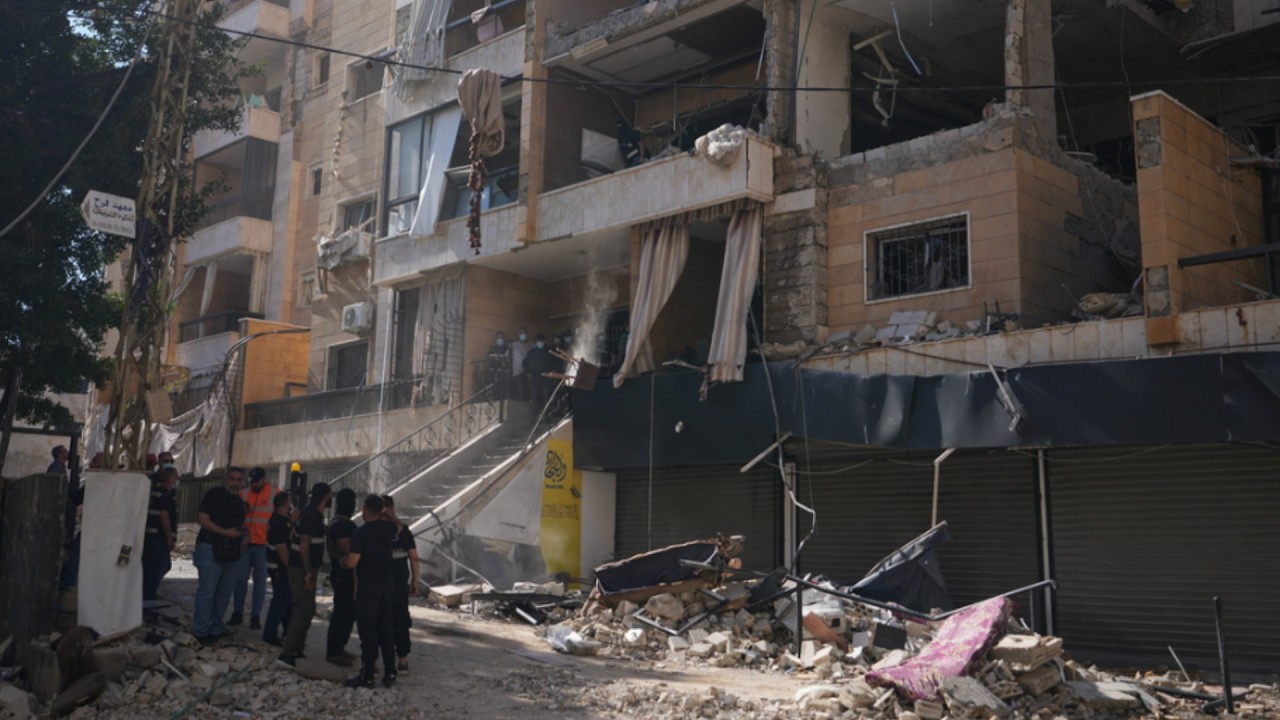
Indeed, AFP reported that Israeli Defense Minister Israel Katz adopted an equally firm tone regarding military operations against Hezbollah in Lebanon. According to Katz, Israel’s campaign in southern Lebanon would continue regardless of developments on the Iranian front. The defense minister reportedly stated that Israel would strike Hezbollah-controlled areas in Beirut’s southern suburbs in response to attacks targeting northern Israeli communities.
The comments illustrated the complex reality confronting negotiators. Even as discussions progress regarding Iran, multiple interconnected fronts remain active, each carrying the potential to trigger wider escalation.
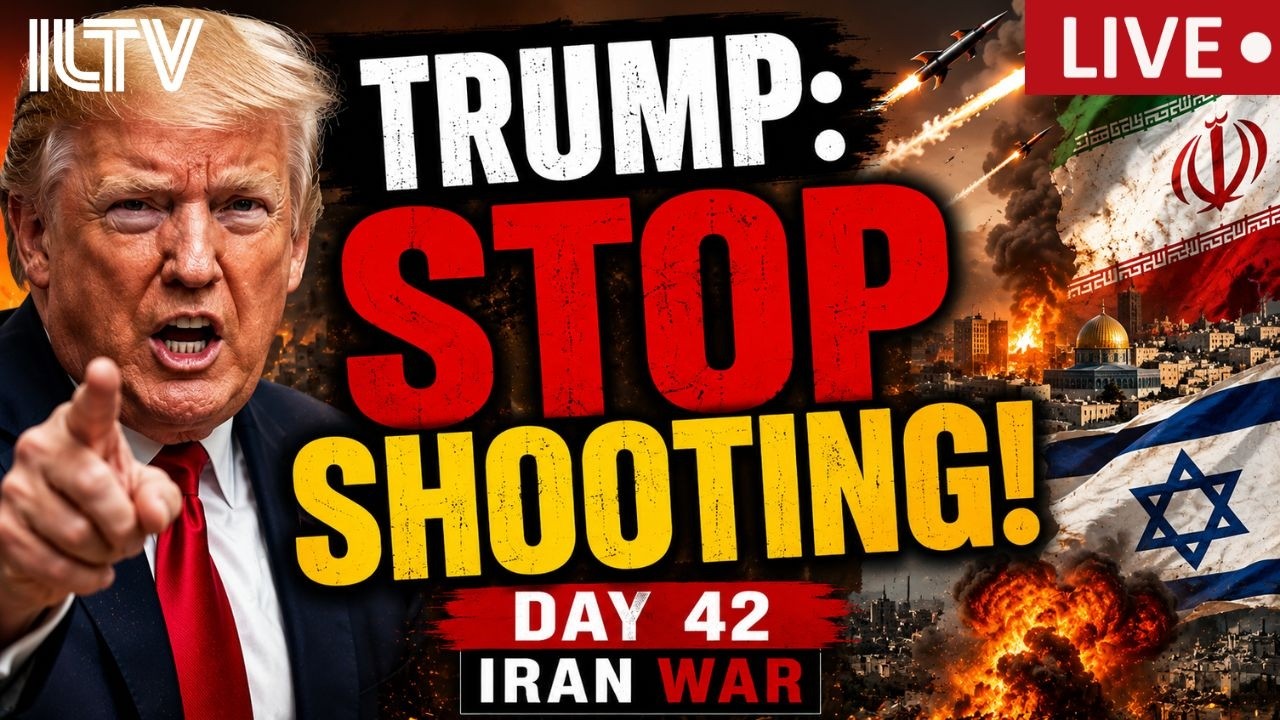
Trump has increasingly positioned himself as a central figure in efforts to prevent that outcome. The AFP report noted that the president publicly urged both Iran and Israel to stop “shooting” and allow diplomacy an opportunity to succeed. At one point, Trump stated that “final negotiations” were moving forward and suggested that only “ignorance or stupidity” could derail the process.
The unusually blunt language reflected both his confidence and his frustration. Behind the scenes, reports indicate that tensions emerged between Washington and Jerusalem regarding the scope and timing of military operations. According to accounts cited by the AFP, Trump has grown increasingly concerned that continued escalation could undermine diplomatic gains and jeopardize the possibility of a broader agreement.
Netanyahu, however, has consistently emphasized that Israel must retain the ability to act when national security interests are at stake. In a televised statement referenced by AFP, the Israeli leader reiterated that principle. “Israel has a full right to self-defense, and we are exercising it as required,” Netanyahu said. The comment encapsulated Israel’s longstanding security doctrine, which places a premium on maintaining freedom of action against threats.
As negotiations unfolded, additional details emerged regarding the extent of direct communications between Washington and Jerusalem. According to a report by Axios cited by the AFP, Israel had reportedly prepared a far more extensive military response against Iran before Trump personally intervened. The report suggested that Israeli planners had considered a significant wave of strikes targeting multiple locations. Trump reportedly contacted Netanyahu directly in an effort to prevent a broader escalation. “I said, ‘Bibi, you better be careful, or you will be on your own very soon,’” Trump told Axios.
The statement quickly attracted international attention because it underscored the delicate balance Washington is attempting to maintain between supporting Israel and preventing a wider regional conflict. Vice President JD Vance offered additional insight into the administration’s perspective during an appearance on Fox News. According to the AFP report, Vance acknowledged the close alliance between the United States and Israel while also recognizing that their strategic priorities do not always align perfectly. “The Israelis and the United States, we have a lot of shared interests,” Vance said. “But we also have some situations where our interests diverge.”
The remarks reflected a reality that has characterized U.S.-Israeli relations for decades. While the two countries maintain a strong strategic partnership, differences occasionally emerge regarding military tactics, diplomatic timing, and broader regional objectives.
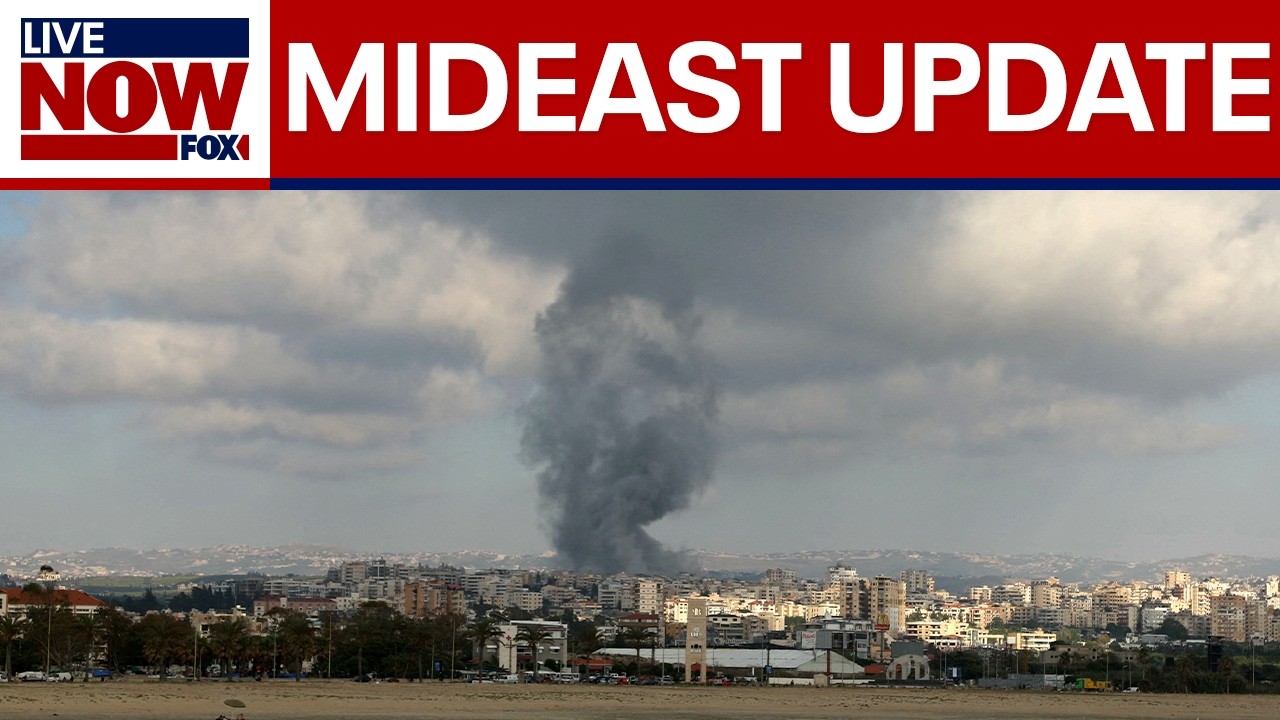
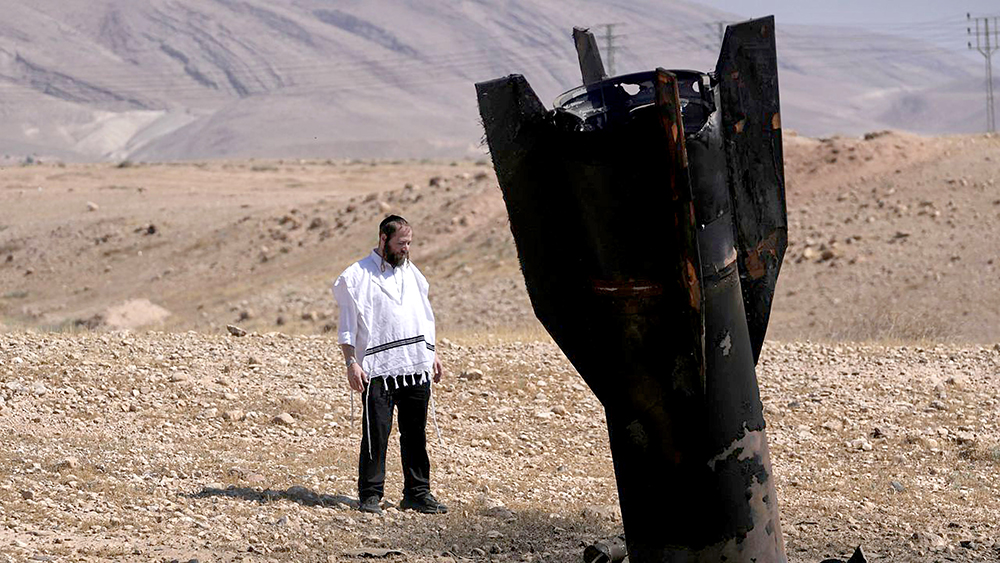
Meanwhile, military developments continued to influence the diplomatic landscape. The AFP reported that Iran launched nearly 30 missiles toward Israel during the latest exchange, while Israel carried out strikes against military targets inside the Islamic Republic. Notably, officials reported no casualties in either country as a result of those attacks. The absence of fatalities helped ease fears that the confrontation could rapidly escalate beyond control. Nevertheless, violence persisted elsewhere in the region.
According to the AFP report, Israeli operations in southern Lebanon resulted in at least 14 deaths on Monday, citing figures released by the Lebanese Health Ministry. The Israeli military stated that projectiles had been launched toward Israeli forces operating in southern Lebanon. Some were intercepted, while another reportedly landed near soldiers without causing casualties. Later, Israeli authorities also reported intercepting what was described as a “suspicious aerial target” originating from Yemen.
These incidents highlighted the multifront nature of the conflict and the challenges facing negotiators attempting to construct a durable agreement. Despite the military tensions, daily life in some areas appeared surprisingly resilient.
AFP reported that Tehran displayed signs of cautious normalcy on Monday. Cafe terraces remained crowded, residents continued moving through the city, and commercial activity persisted despite the uncertainty. Traffic volumes were lighter than usual, however, and long lines reportedly formed at petrol stations as residents monitored developments. Among those interviewed by AFP was Maryam, a 41-year-old accountant who described the atmosphere as one of uncertainty. “You don’t know if there’s going to be a war, nor do you know if the peace agreement will last,” she said.
Her comments captured the anxiety felt by many civilians throughout the region, where hopes for peace coexist with concerns about renewed violence.
Similar sentiments were evident in Israel. In Tel Aviv, residents once again headed toward shelters as warning sirens sounded during the latest missile alerts. The AFP spoke with Jonathan Ariel, 30, who expressed cautious skepticism regarding the prospects for lasting calm. “I hope it will be short, but you can never know,” he said. “Last time we thought it would be short and then it was a month.”
The uncertainty experienced by civilians on both sides underscores the human dimension of a conflict often discussed primarily in geopolitical terms. For ordinary residents, the question is not merely whether negotiators can reach an agreement, but whether that agreement will endure.
The AFP reported another potentially encouraging development early Tuesday when Tehran’s international airport resumed operations following its temporary closure during the missile exchanges. Flights carrying pilgrims returning from Saudi Arabia were reportedly permitted to land, signaling a partial return to normal activity. Economic indicators also reflected changing perceptions regarding the conflict. The fighting has severely disrupted maritime commerce through the Strait of Hormuz, one of the world’s most strategically important shipping routes.
Meanwhile, Washington’s blockade of Iranian ports has further complicated regional trade flows. According to the AFP report, oil prices declined on Tuesday after surging by more than 5 percent during the previous day’s trading session. The movement suggested that investors may be cautiously optimistic that a wider war can still be avoided.
Diplomatic efforts remain ongoing, with Pakistan continuing to play an important mediating role. The AFP reported that Iranian Foreign Ministry spokesman Esmaeil Baqaei emphasized that negotiations remain active, though he acknowledged that military developments could influence their trajectory.
A dramatic moment occurred during one of his press conferences in Tehran when a powerful explosion reportedly shook the Foreign Ministry building. According to an AFP correspondent present at the scene, the blast was followed by repeated detonations believed to be associated with air-defense activity. The incident served as a stark reminder of how quickly events can shift in an environment marked by persistent tension.
Pakistan has continued its diplomatic outreach. AFP reported that Pakistani Interior Minister Mohsin Naqvi traveled to Tehran carrying what he described as a “special letter” addressed to Iran’s Supreme Leader, Mojtaba Khamenei. Iranian state media highlighted the visit, which formed part of broader efforts to sustain dialogue between the parties. Naqvi subsequently returned to Pakistan, according to Pakistani officials.
Iranian President Masoud Pezehskian also sought to reassure observers regarding Tehran’s intentions. In a message posted on X, he declared that Iran remains “at the negotiating table.”
That statement may ultimately prove among the most consequential developments of the past several days.
While military threats continue and tensions remain elevated, the willingness of all sides to continue communicating has preserved a pathway toward de-escalation.
Whether Trump’s prediction of a breakthrough within “two or three days” proves accurate remains uncertain. Yet as the AFP has repeatedly reported throughout this rapidly evolving crisis, diplomacy continues to advance alongside military deterrence, creating a delicate but potentially historic opportunity to reshape the future security landscape of the Middle East.



