

















By: Jason Ostedder
President Donald Trump declared on Monday that the United States expects to achieve what he described as a “total victory” over Iran within approximately two weeks, offering one of his most optimistic assessments yet regarding efforts to contain Tehran’s nuclear ambitions and stabilize a region that has recently witnessed one of its most dangerous periods of military confrontation in years.
The remarks came during a tele-rally in support of Senator Lindsey Graham of South Carolina and followed a dramatic 24-hour period marked by missile attacks, retaliatory military operations, intensive diplomacy, and high-level communications between Washington and Jerusalem. According to a report on Monday by Israel National News, the developments underscored both the volatility of the regional security environment and the central role being played by the United States in shaping the trajectory of events.
Addressing supporters during the event, Trump reiterated his longstanding position regarding Iran’s nuclear program and emphasized what he portrayed as significant progress in efforts to prevent Tehran from obtaining a nuclear weapon. “Iran cannot have a nuclear weapon, and it’s as simple as that. They cannot have, the destruction is so powerful, they cannot have a nuclear weapon. And Lindsey has been fighting with me all the way, all the way for that,” Trump said.
The president then offered an even more expansive prediction regarding the outcome of the ongoing confrontation and diplomatic effort.
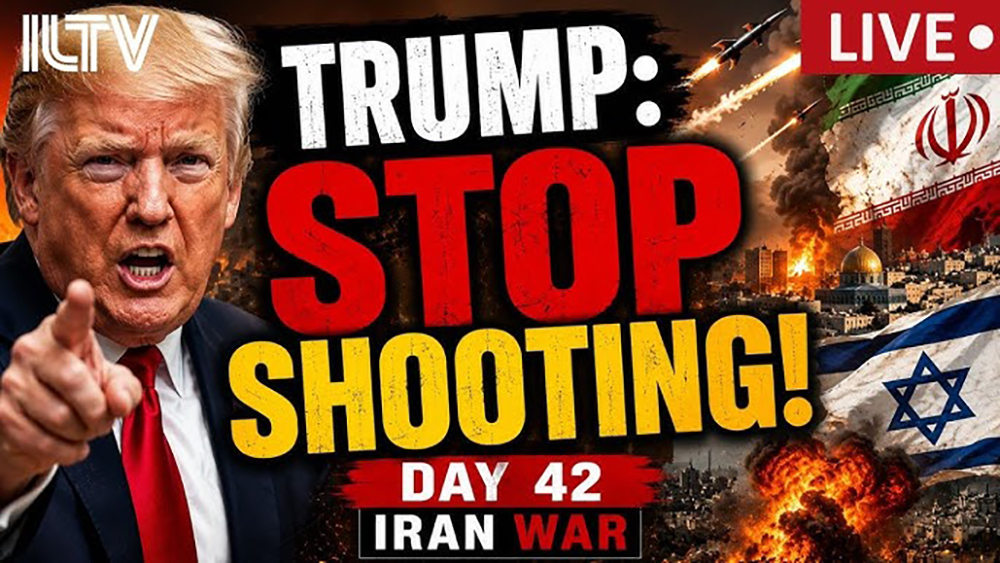
“We’ve been a very tough team, and I think we are winning that battle, but you’re really going to win it over the next two weeks when we declare total victory,” Trump stated. “It’ll be a total victory. It’ll happen very soon. And oil prices will come tumbling down.”
According to the Israel National News report, Trump’s comments reflected growing confidence within the administration that pressure on Tehran—combined with diplomatic engagement—may be producing tangible results.
The remarks came against the backdrop of a rapidly evolving regional situation that has featured direct exchanges between Israel and Iran, heightened tensions involving Hezbollah, and growing concerns among international leaders regarding the possibility of a broader Middle Eastern conflict.
Earlier on Monday, Trump expressed skepticism regarding suggestions that Israel would resume large-scale military operations against Iran. Speaking with journalists, the president appeared confident that recent developments had created an opportunity for de-escalation.
When asked by Sky News correspondent James Matthews whether the United States would support Israel if Prime Minister Benjamin Netanyahu chose to return to war with Iran, Trump responded succinctly. “I don’t think it’ll happen,” the president said. “It’s all working out very well. Iran is doing what they have to do; I don’t think that’s going to happen, ok?”
According to the Israel National News report, those comments were consistent with a broader White House effort to encourage restraint following a dangerous weekend that saw Iranian missile launches directed at Israel and subsequent Israeli military responses.
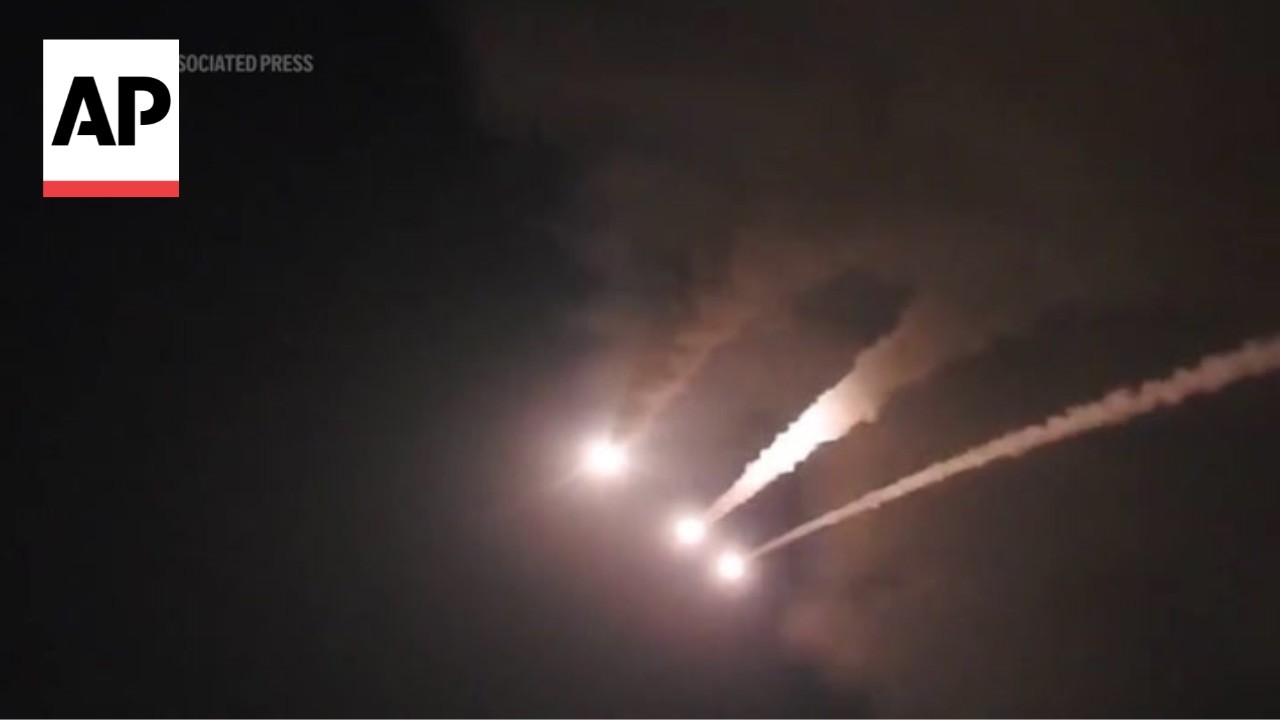
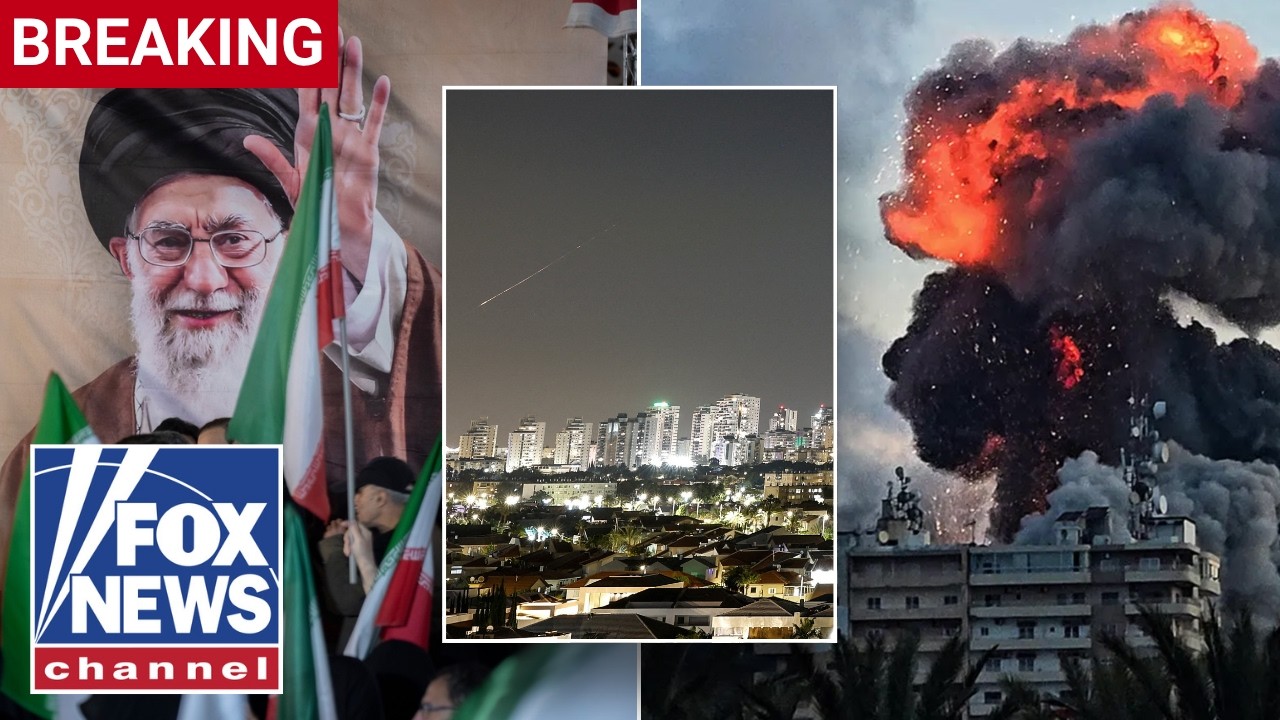
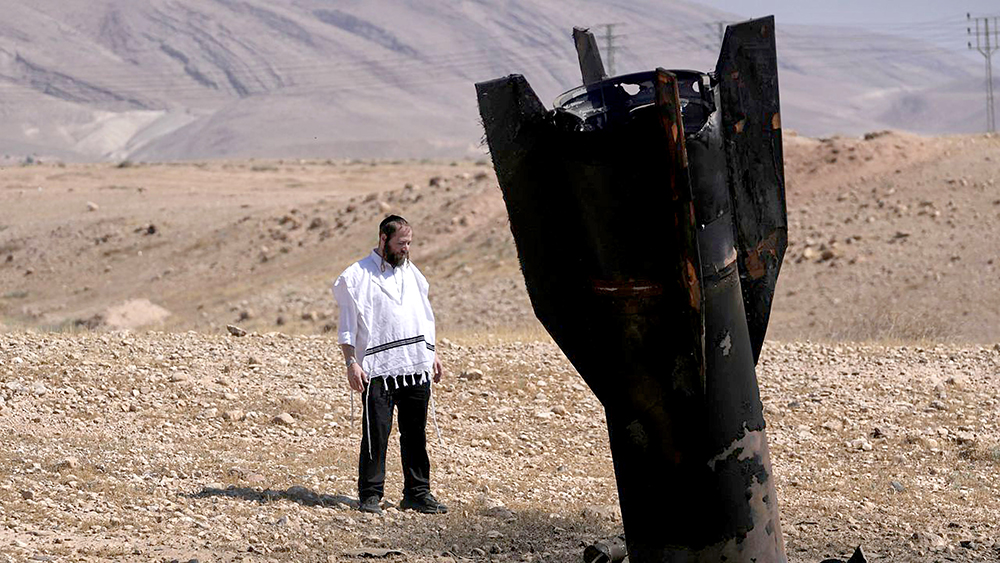
The crisis intensified late Sunday after Iran launched missile barrages toward northern Israel despite the existence of a ceasefire arrangement. Israeli defense systems intercepted the incoming threats, but the attacks nevertheless generated alarm throughout the country and prompted discussions within Israel’s political and military leadership regarding possible retaliation.
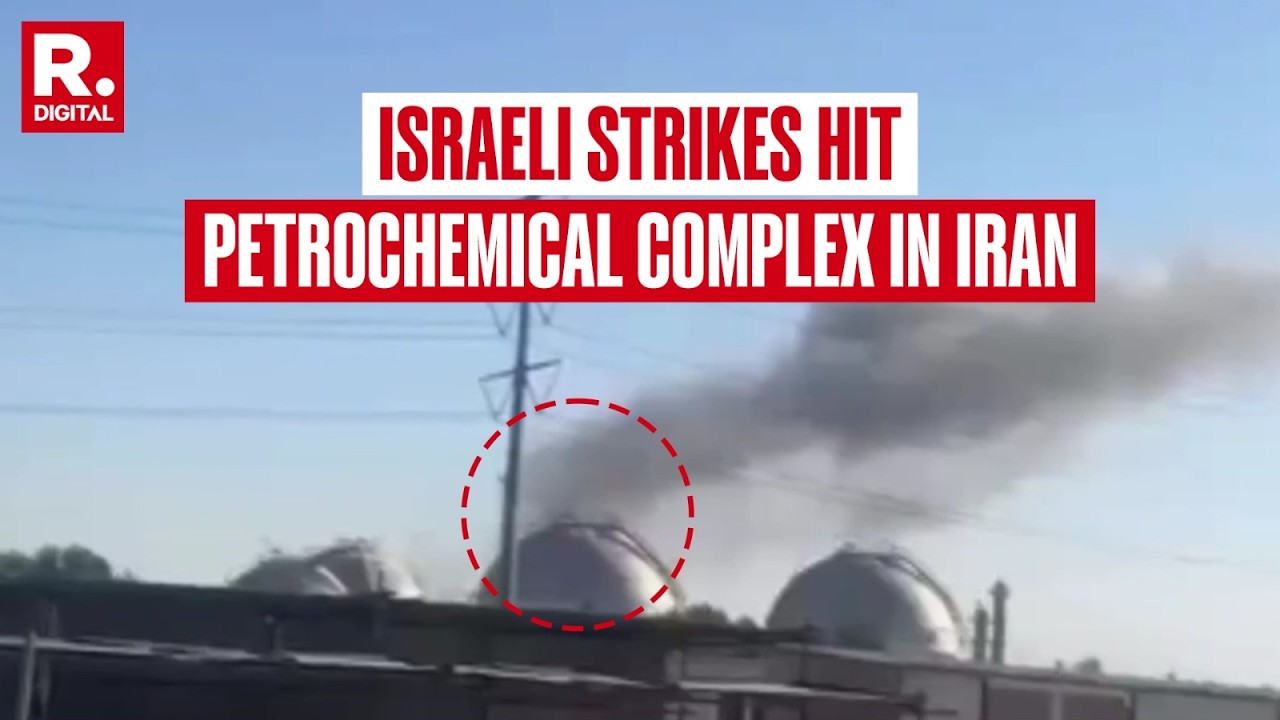
Israel responded with strikes on targets linked to the Iranian regime, raising fears that the confrontation could rapidly expand into a wider regional conflict.
It was at that point, according to Israel National News, that Trump intervened publicly and privately.
On social media, the president issued an unusually direct appeal. “Israel and Iran must immediately stop ‘shooting,’” Trump wrote. Behind the scenes, discussions between American and Israeli officials intensified.
According to a senior Israeli official cited by Israel National News, Israel ultimately agreed to halt further retaliatory operations following a request from Trump. The official indicated that Israeli leaders believed the latest phase of the confrontation had effectively reached its conclusion.
At the same time, however, Israeli officials emphasized that the cessation of hostilities with Iran would not necessarily extend to other fronts. According to the official, military operations against Hezbollah positions in southern Lebanon would continue “at full force” and Israel would remain prepared to strike targets in Beirut’s Dahieh district if attacks against Israeli communities persisted.
The distinction reflected Israel’s longstanding position that deterrence must be maintained across multiple theaters simultaneously.
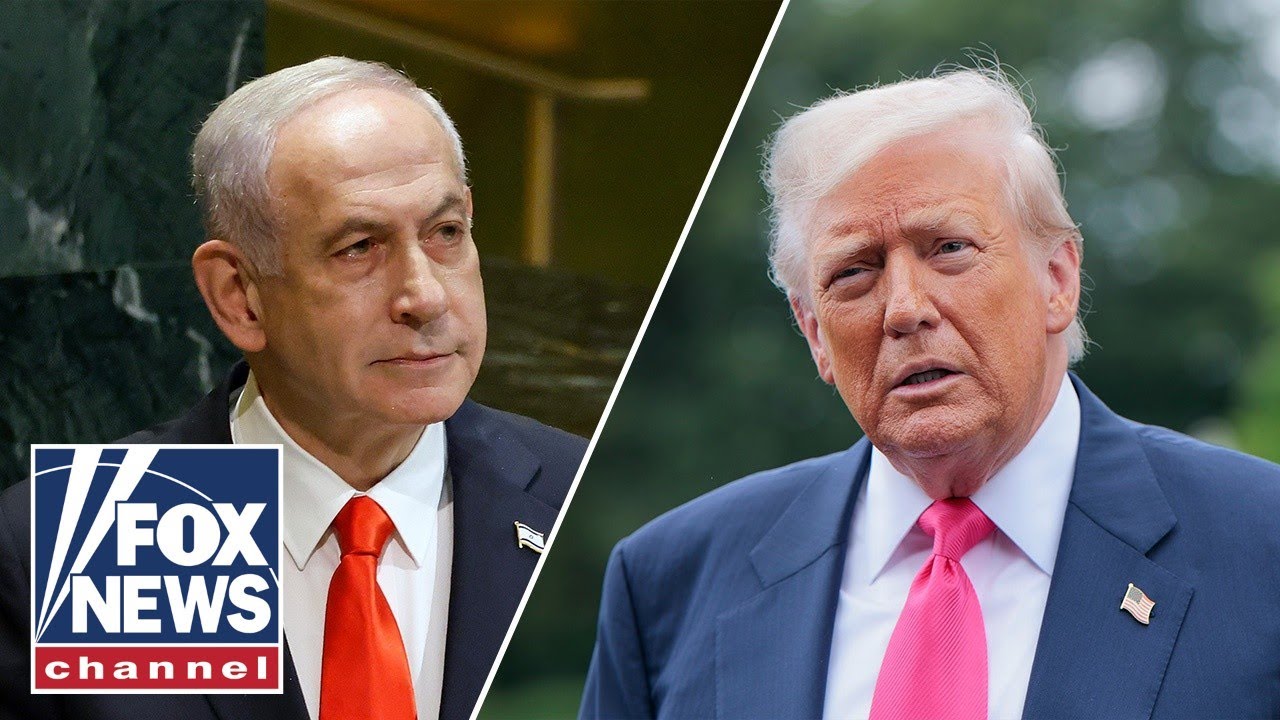
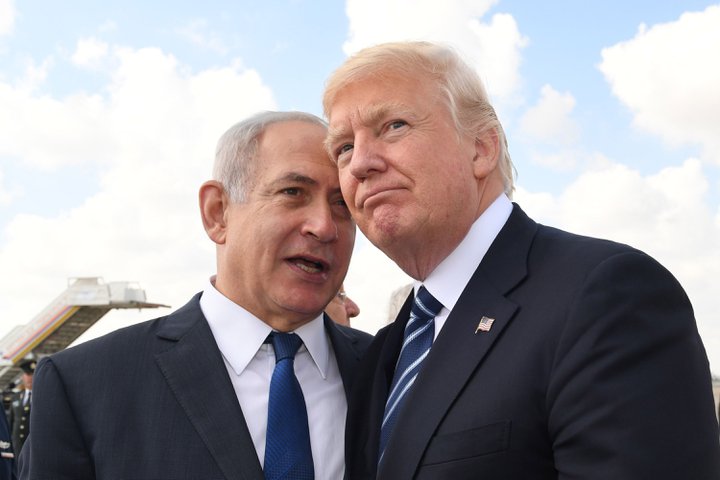
Israel National News reported that Trump also revealed details of his conversations with Netanyahu, including warnings regarding the consequences of further escalation. According to the president, he advised the Israeli prime minister to proceed cautiously and consider the broader strategic implications of any expanded campaign.
Trump reportedly cautioned that if the situation spiraled into a larger war, Israel could find itself confronting Iran without direct American military backing.
The message underscored Washington’s desire to prevent a conflict that could jeopardize diplomatic initiatives while simultaneously destabilizing energy markets and drawing additional regional actors into the crisis.
Meanwhile, Prime Minister Netanyahu sought to reassure the Israeli public that deterrence had been restored and that Israel remained fully prepared to respond to any future aggression.
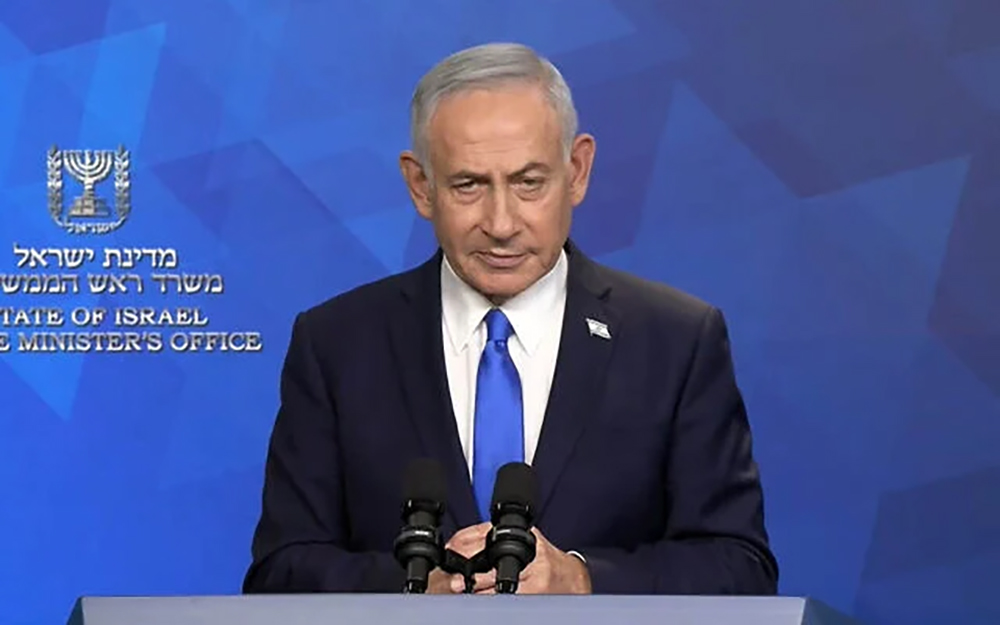
Addressing the nation Monday evening, Netanyahu delivered a forceful assessment of recent events.
In the last 24 hours, Iran and Hezbollah have tried to impose a new equation on us, one that is intolerable and unacceptable in my opinion,” Netanyahu declared. “That they will fire from Lebanese territory at Israel—and we will not act. That will not happen, not on my watch.”
According to Israel National News, Netanyahu emphasized that Israel would never accept a security framework in which hostile actors could launch attacks without consequence. The prime minister further argued that recent Israeli military actions had succeeded in restoring deterrence.
“At the moment, the fire on the Iranian front has been contained, because after we struck the terrorist regime in Tehran, it stopped attacking us,” Netanyahu stated. “If it returns to attacking us—we will respond with force.”
The comments reflected a recurring theme in Israeli strategic thinking: the belief that credible deterrence requires a demonstrated willingness to act decisively when threatened. Netanyahu also stressed that the broader confrontation remains unresolved despite the current pause in direct hostilities.
“Iran and Hezbollah are weaker than ever and we are stronger—but the struggle is not over,” he said. The prime minister pointed to continuing military operations against Hezbollah infrastructure as evidence that Israel remains committed to addressing security threats across the region.
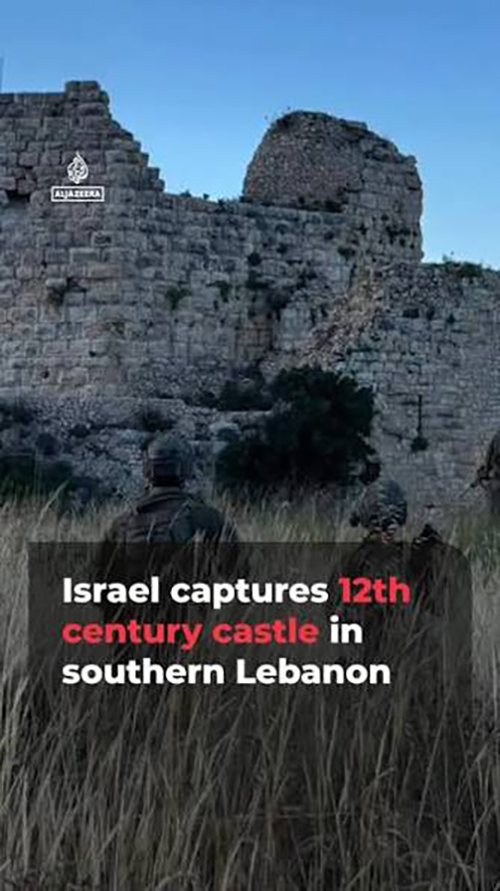
“Our soldiers are destroying Hezbollah,” Netanyahu stated. “We continue to destroy all of their infrastructure in the security zone, including in the Beaufort Ridge.” According to the Israel National News report, the prime minister’s remarks were intended both to reassure the Israeli public and to communicate to adversaries that Israel retains both the capability and willingness to respond to future attacks.
Perhaps the most intriguing aspect of the unfolding story emerged through reports describing the intensive diplomacy that preceded Israel’s decision to halt further strikes. A report published by Ynet and referenced by Israel National News described a day marked by conflicting messages, strategic disagreements, and intense communications between Washington and Jerusalem.
According to sources familiar with those discussions, Israel had reportedly prepared a significantly broader military operation targeting Iran.
The sources indicated that Israeli planners had developed options involving extensive air operations against multiple strategic targets throughout the country.
However, according to the report, those plans were ultimately shelved following direct intervention by Trump.
The sources claimed that the president became increasingly concerned that a larger Israeli response could trigger a prolonged regional conflict and undermine efforts to achieve an agreement with Tehran.
The report further suggested that public perceptions regarding disagreements between Trump and Netanyahu may not fully capture the complexity of the relationship.
According to the sources, American officials had been informed of Israeli intentions regarding certain operations and maintained close communication with their Israeli counterparts throughout the crisis.
Israel National News reported that the Israel Defense Forces allegedly provided updates to United States Central Command regarding operational planning and target information.
The understanding, according to the report, was that Israel would conduct a limited operation designed to convey a deterrent message rather than initiate a major campaign. As events evolved, however, concerns reportedly emerged within Washington that the operation could expand beyond its original scope.
The report described a pivotal moment when American officials concluded that Israel was considering a much more substantial response inside Iran. At that stage, according to the sources, Trump personally contacted Netanyahu and communicated his opposition to a broader campaign.
The president reportedly made clear that any large-scale expansion would not receive American support. Netanyahu, meanwhile, argued that Israel needed to respond to Iranian missile fire in order to preserve deterrence and prevent future attacks.
According to the report, Trump acknowledged Israel’s security concerns but insisted that any response remain limited and carefully calibrated. The result was a compromise that reportedly led to the suspension of more ambitious military plans.
Israel National News noted that Israeli military preparations for additional strikes were ultimately halted before the operation reached its originally envisioned scope. The report suggested that some Israeli officials viewed the outcome as a missed opportunity to impose greater costs on Tehran following the missile attacks.
From their perspective, the situation presented an opportunity to reinforce the principle that direct attacks against Israel would generate substantial consequences. Yet the diplomatic reality proved equally consequential.
According to the report, Iranian leaders moved quickly to signal a willingness to halt military operations, thereby providing Trump with an opening to advocate for de-escalation. The announcement strengthened the administration’s argument that restraint could preserve the possibility of future diplomatic progress.
The episode ultimately highlighted the complex relationship between military strategy and diplomacy in the modern Middle East. Israel National News emphasized that the events demonstrated both the close coordination between Washington and Jerusalem and the practical limits that can emerge when allies differ regarding the risks of escalation.
For Israel, maintaining deterrence remains a fundamental security imperative. For the United States, preventing a broader regional war and preserving diplomatic options remains a central objective.
The challenge facing both governments lies in balancing those priorities amid a rapidly changing security environment.
As the ceasefire holds and diplomatic efforts continue, uncertainty remains regarding the next phase of the confrontation with Iran.
Trump’s prediction of “total victory” within two weeks represents a bold assertion that will undoubtedly be scrutinized by supporters and critics alike.
Exiled Iranian Crown Prince Reza Pahlavi delivered a forceful denunciation of the Islamic Republic on Monday, holding the ruling regime in Tehran directly responsible for the latest escalation of hostilities in the Middle East following Iranian attacks against Israel and the subsequent rise in regional tensions.
According to reports cited by Israel National News, Pahlavi argued that the current crisis represents yet another example of what he described as the Islamic Republic’s longstanding pattern of pursuing ideological and military objectives at the expense of both the Iranian people and broader regional stability.
In a strongly worded statement, Pahlavi accused the regime of deliberately fueling conflict through its support for terrorist organizations and militant proxies throughout the region. “The Islamic Republic, in its support for Hezbollah terrorists in Lebanon, has started yet another military conflict and further revealed its anti-Iranian nature,” Pahlavi declared.
His comments came amid heightened tensions following exchanges of military action involving Iran, Israel, and Iranian-backed forces operating across the Middle East. As Israel National News reported, the latest confrontation has renewed international concerns regarding the destabilizing influence of Tehran’s regional activities and its continued backing of armed groups hostile to Israel.
Pahlavi, who has emerged as one of the most prominent opposition figures challenging the legitimacy of the Islamic Republic, argued that the regime’s actions have consistently prioritized ideological ambitions over the welfare of ordinary Iranian citizens.
According to the Israel National News report, the exiled crown prince asserted that the ruling establishment in Tehran has effectively deprived the Iranian people of political freedom while exploiting national resources to advance policies that generate conflict beyond Iran’s borders. “The regime has taken the Iranian nation hostage,” Pahlavi stated.
He further charged that Iran’s rulers “view the lives and property of Iranians as mere tools for exporting terror, war, and instability,” a criticism that reflects broader opposition arguments that the Islamic Republic has repeatedly sacrificed economic development and domestic prosperity in pursuit of regional influence.
As reported by Israel National News, Pahlavi emphasized that responsibility for the consequences of the current conflict rests squarely with the government in Tehran.



