




























By: Max Schleifer
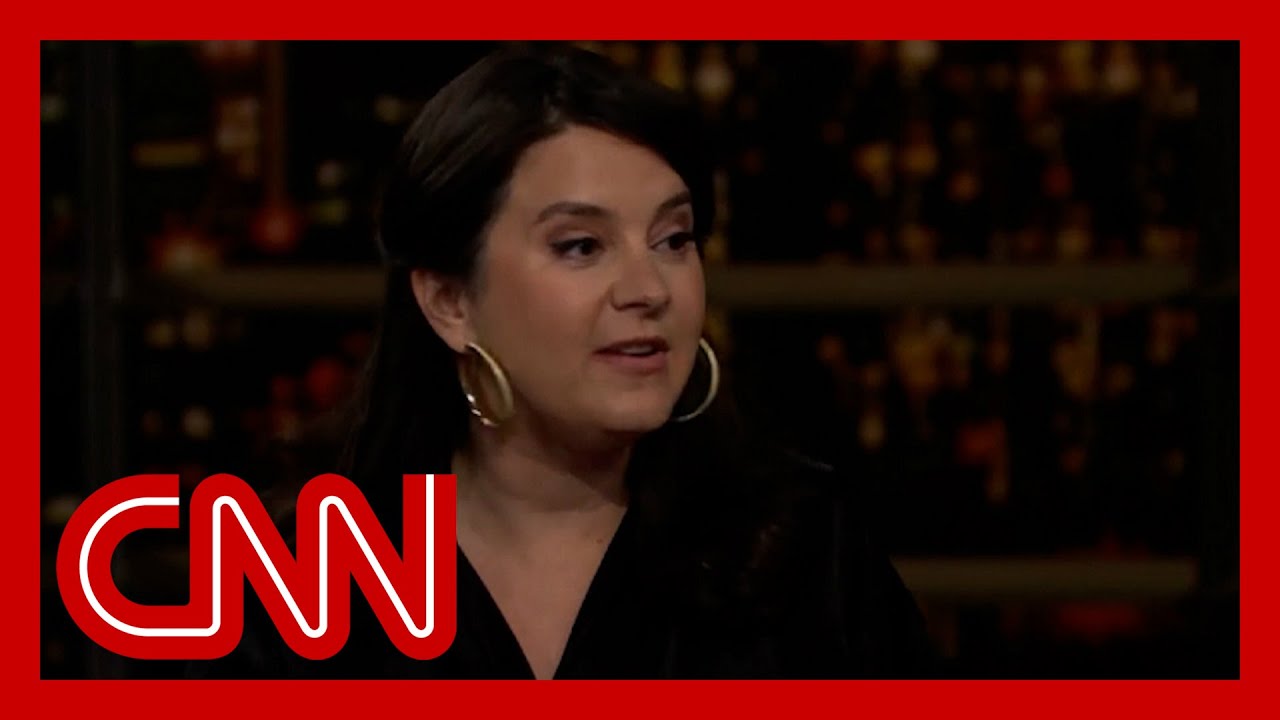
Bari Weiss, the prominent journalist and media executive who has rapidly emerged as one of the most influential figures in American news, could soon find herself overseeing editorial operations at both CBS News and CNN if Paramount Skydance’s proposed acquisition of Warner Bros. Discovery receives final regulatory approval, according to reports that have ignited widespread discussion throughout the media industry.
The possibility, first detailed by Axios and extensively examined by The New York Post, would represent a dramatic consolidation of editorial authority under Weiss and could fundamentally reshape the leadership structure of two of the nation’s most recognizable news organizations.
According to reporting cited on Tuesday by The New York Post, Paramount executives have already begun preliminary discussions regarding a revised leadership framework that would take effect following completion of the anticipated merger. Under the reported scenario, Weiss would continue to oversee editorial operations while a separate executive with extensive experience managing large television news organizations would assume responsibility for business operations.
The arrangement would effectively allow Weiss to concentrate on content strategy, newsroom leadership, editorial direction, and digital expansion while a partner executive handles operational and financial responsibilities.
If implemented, the structure would significantly broaden Weiss’s influence over the American media landscape.
According to The New York Post report, Paramount executives have discussed several prominent candidates for the business-side leadership role. Among those reportedly under consideration is current CNN chief executive Mark Thompson, a veteran media executive whose career has included leadership positions at both CNN and the BBC. Also mentioned is Cesar Conde, chairman of NBCUniversal News Group and one of the most powerful figures in contemporary broadcast journalism. Former NBC News president Noah Oppenheim has likewise emerged as a potential contender.
The New York Post report noted that Ben Sherwood, currently chief executive officer of The Daily Beast and a former senior executive at Disney and ABC News, is also being considered. Former CBS News president David Rhodes reportedly remains another possibility.
Collectively, these names represent some of the most experienced executives in American television journalism. Their inclusion highlights the scale of the responsibilities involved in managing what would become a vast news enterprise spanning multiple major brands and platforms.
At the center of the discussion, however, remains Weiss. According to the Axios report, the search for an operational counterpart suggests that Paramount expects Weiss herself to assume editorial authority across both CBS News and CNN once the merger is completed. A CNN spokesperson declined to comment on the reports, while The New York Post reported that inquiries were made to several individuals mentioned as possible candidates.
Representatives for some of those executives also declined to comment publicly.
The prospect of Weiss overseeing the editorial direction of both organizations has generated considerable interest because her professional background differs significantly from that of most traditional television news executives. Unlike many broadcast leaders who spent decades climbing through television newsrooms, Weiss built her reputation primarily in print and digital journalism. Her career has included prominent roles at major publications as well as the creation of independent media ventures that emphasized opinion journalism, cultural analysis, and digital audience engagement.
That experience has helped establish her as one of the most recognizable figures in modern media, particularly among audiences interested in debates surrounding free expression, institutional trust, and ideological diversity. Supporters frequently credit her with challenging conventional newsroom assumptions and embracing alternative approaches to audience engagement. Critics, meanwhile, have questioned whether her background adequately prepares her to manage sprawling broadcast organizations with thousands of employees and highly complex operational structures.
The ongoing leadership discussions appear designed in part to address those concerns.
According to The New York Post report, the contemplated arrangement would pair Weiss’s editorial vision with an experienced operational executive capable of managing the business dimensions of a large-scale media enterprise. Such a division of responsibilities is not uncommon within major corporations and would allow each leader to focus on distinct areas of expertise.
Current organizational structures already provide clues regarding Paramount’s confidence in Weiss.
The New York Post reported that under the existing hierarchy, Tom Cibrowski serves as president of CBS News and reports to Paramount television chief George Cheeks. Weiss, however, reports directly to Paramount Skydance chief executive David Ellison, a reporting relationship that many observers view as evidence of her strategic importance within the broader organization.
That relationship appears to have strengthened rather than weakened in recent months. According to reporting cited by The New York Post, speculation previously emerged suggesting that Paramount executives were considering reducing Weiss’s responsibilities while elevating a more experienced television executive to a broader management role. Puck News reported that informal discussions had taken place regarding such possibilities.
According to those reports, the objective would have been to free Weiss to focus more extensively on digital expansion and content innovation.
Paramount publicly denied those claims at the time. Subsequent developments suggest that company leadership may actually be contemplating a significant expansion rather than a reduction of her authority. Axios reported that David Ellison remains highly supportive of Weiss’s performance. “The Paramount brass loves Bari Weiss,” a source told Axios. “She has the full confidence of David Ellison, who believes Bari has done a fantastic job as editor-in-chief.”
Another source indicated that Weiss herself has participated in identifying potential partners for the operational side of the business. “Bari has been involved with identifying people she would partner with on the business side,” the source reportedly said.
Those comments suggest a collaborative process rather than a restructuring imposed from above. They also reinforce perceptions that Weiss enjoys substantial influence within Paramount’s highest leadership circles. Such confidence has not emerged without controversy.
Since assuming leadership responsibilities at CBS News following Skydance’s merger with Paramount, Weiss has overseen a series of significant changes that have generated both praise and criticism. According to The New York Post report, nowhere have those changes been more visible than at “60 Minutes,” the iconic newsmagazine program long regarded as one of the crown jewels of American broadcast journalism.
The program has undergone considerable upheaval in recent months. Last month, Weiss reportedly dismissed executive producer Tanya Simon as well as correspondents Sharyn Alfonsi and Cecilia Vega. The decisions sent shockwaves through the organization and quickly became one of the most discussed stories in media circles.
The New York Post reported that Weiss subsequently appointed Nick Bilton as the program’s new executive producer. Bilton, known primarily for his work as a technology journalist and writer for publications including Vanity Fair and The New York Times, represented a notable departure from traditional television leadership appointments. Supporters viewed the move as evidence of a willingness to bring fresh perspectives into legacy institutions. Critics questioned whether the changes risked disrupting a program that has maintained an influential position in American journalism for decades.
The controversy intensified further when veteran correspondent Scott Pelley reportedly confronted Bilton regarding the dismissals. According to The New York Post report, Pelley was subsequently terminated.
The incident generated widespread debate throughout the industry regarding management style, editorial independence, and organizational culture. Meanwhile, the program’s remaining correspondents sought to navigate the turmoil while continuing their reporting responsibilities.
The New York Post reported that Lesley Stahl, Jon Wertheim, and Bill Whitaker announced their intention to remain with “60 Minutes,” though they expressed concerns regarding how management handled the staffing changes. The episode highlighted the challenges facing any executive attempting to modernize established institutions while preserving the traditions and credibility that helped build their reputations.
For Weiss, those challenges may soon expand dramatically. The potential addition of CNN would represent a remarkable increase in responsibility less than a year after she assumed leadership at CBS News. CNN remains one of the world’s most recognized news brands despite facing competitive pressures, shifting audience habits, and broader industry disruption. Bringing CNN under the same editorial umbrella as CBS News would create a media operation with extraordinary reach across broadcast, cable, digital, and streaming platforms.
Industry observers note that such a development could have profound implications for content strategy, audience development, newsroom culture, and business operations.
The broader context is equally significant. The proposed acquisition of Warner Bros. Discovery by Paramount Skydance represents one of the largest media transactions in recent history.
According to The New York Post report, the deal carries an estimated value of approximately $110 billion. The transaction would reshape the competitive landscape of American media and create one of the most expansive content and news enterprises in the world. Both companies have indicated that they expect the acquisition to close during the third quarter of 2026.
However, substantial regulatory hurdles remain. The New York Post reported that Warner Bros. Discovery shareholders have already approved the transaction. Nonetheless, federal antitrust authorities continue reviewing the deal, and additional scrutiny has emerged at the state level.
California Attorney General Rob Bonta has publicly confirmed that his office is examining the proposed merger. Such reviews are typical for transactions of this magnitude but could nevertheless influence timing, structure, and ultimate approval. Until those processes are completed, questions regarding future leadership remain largely speculative. Yet the discussions themselves reveal much about the direction Paramount Skydance appears to envision.
The company seems increasingly focused on combining traditional journalism with digital innovation, broader audience engagement, and more integrated content strategies.
Within that framework, Weiss occupies a central role. Her supporters argue that she represents a new generation of media leadership capable of navigating an industry undergoing profound transformation. Her critics remain skeptical and question whether her unconventional path adequately prepares her for the responsibilities associated with overseeing some of the most influential news organizations in the world.
What remains undeniable is the speed with which her influence has expanded. Less than a year ago, Weiss was assuming leadership of CBS News amid significant uncertainty. Today, according to reporting highlighted by The New York Post, she may soon be positioned to guide the editorial destinies of both CBS News and CNN simultaneously.
Should the acquisition receive final approval and the proposed structure move forward, the result would mark one of the most consequential shifts in American media leadership in decades. For now, regulators continue their reviews, executives continue their deliberations, and the future remains unwritten. Yet one reality is increasingly clear: Bari Weiss has become a pivotal figure in the evolving struggle to define the next era of American journalism, and the decisions made in the coming months could reshape the industry for years to come.



