



















Israel Strikes Deep Inside Iran After Ceasefire Violation as Jerusalem Signals Resolve Against Regional Aggression
By: Fern Sidman
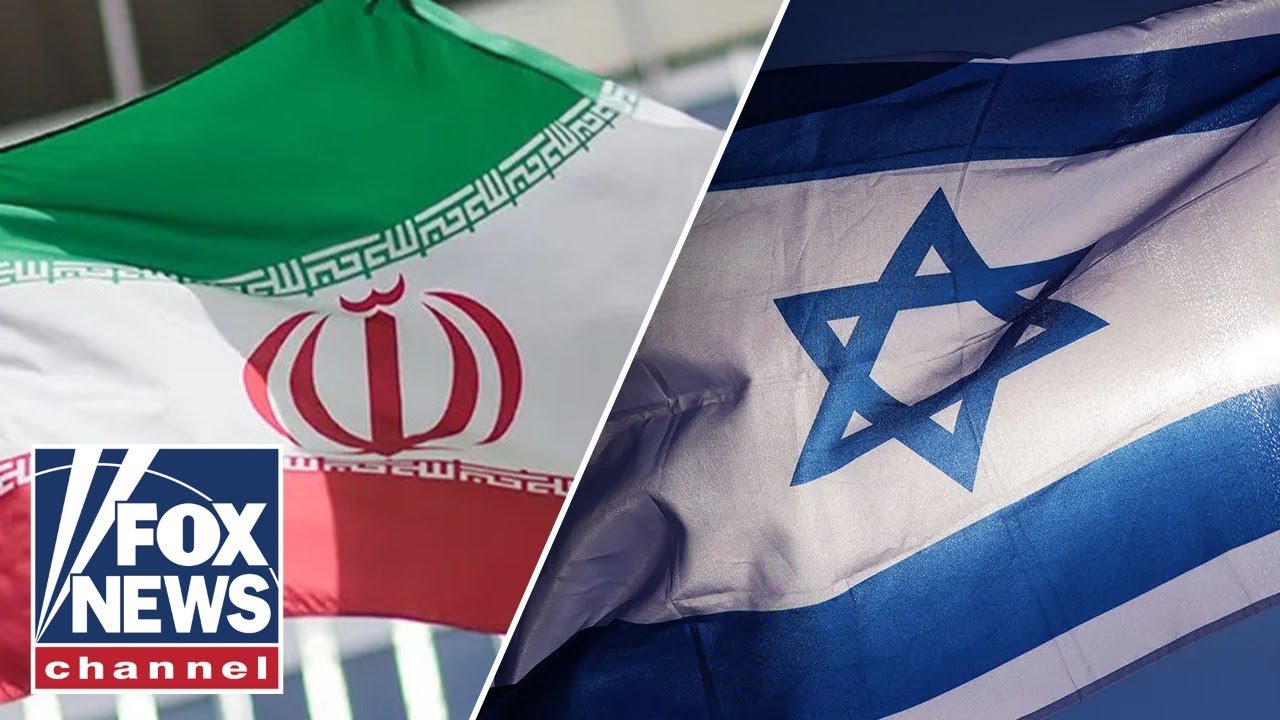
In a dramatic escalation of the long-running confrontation between Israel and the Iranian regime, the Israeli Air Force launched a series of strikes against military targets in western and central Iran early Monday morning, responding to what Israeli officials described as a blatant Iranian violation of an existing ceasefire agreement and reaffirming Jerusalem’s determination to confront threats emanating from Tehran and its network of regional proxies.
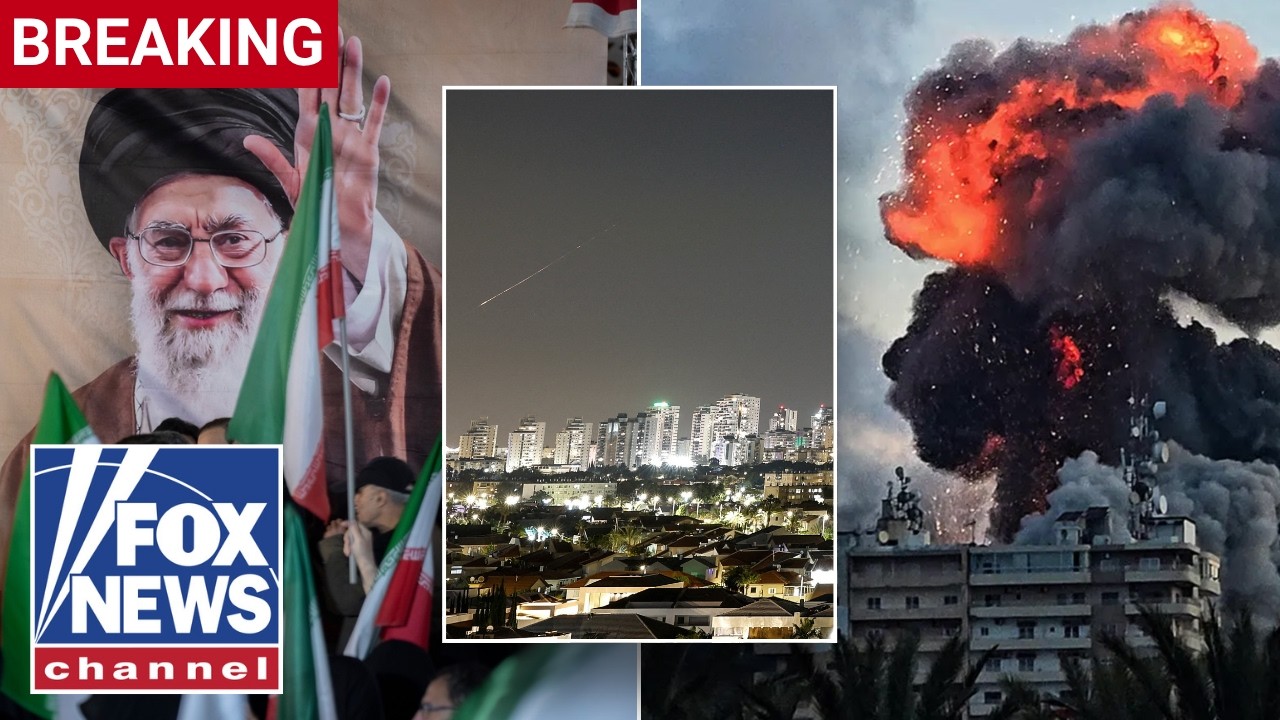
According to a report on Sunday evening at Israel National News, the Israel Defense Forces said the operation targeted military infrastructure associated with the Iranian regime following a night of heightened tensions that saw Iran launch multiple missile barrages toward Israeli territory despite ongoing diplomatic efforts aimed at preventing a broader regional conflict.
The strikes represented one of the most significant demonstrations of Israeli military reach in recent months and underscored the Jewish state’s longstanding commitment to defending its citizens against external aggression.
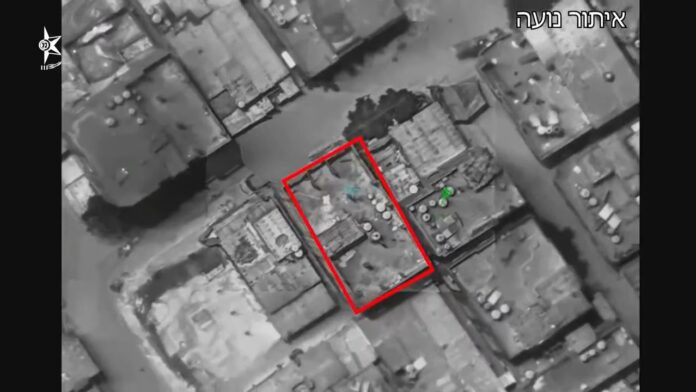
According to the IDF Spokesperson’s Unit, Israeli aircraft successfully conducted operations against military objectives located across western and central Iran. Iranian media subsequently reported explosions in several major locations, including Tehran, Isfahan, and Karaj, according to the INN report.
Reports emerging from Iranian sources indicated that Mehrabad International Airport in Tehran was among the sites affected by the operation. Additional explosions were reported in various parts of the Iranian capital as well as in Isfahan, a city that occupies a central place within Iran’s military and industrial infrastructure.
Regional media reports cited by multiple outlets suggested that a facility associated with unmanned aerial vehicles in Tehran may have been struck during the operation. Meanwhile, reports also emerged of explosions on Kharg Island, Iran’s principal oil export terminal in the Persian Gulf and one of the most strategically significant economic assets under Tehran’s control, as was reported by INN.
Iranian media acknowledged the occurrence of an explosion at the location but initially provided no detailed assessment regarding damage or operational disruptions. Collectively, reports indicated that approximately 15 Israeli strikes were carried out during the operation.
INN reported that the scale and geographic distribution of the attacks reflected both the sophistication of Israeli military planning and the breadth of intelligence capabilities that have repeatedly enabled Israel to operate against threats far beyond its borders.
Iran’s Islamic Revolutionary Guard Corps later acknowledged that Israeli strikes had occurred on Iranian territory. According to Iranian statements, ballistic missiles were allegedly used during the operation, though independent verification of specific operational details remained limited.
From Israel’s perspective, however, the strategic context surrounding the operation was unmistakable. The strikes came only hours after Iran launched multiple missile barrages toward Israel in violation of the ceasefire.
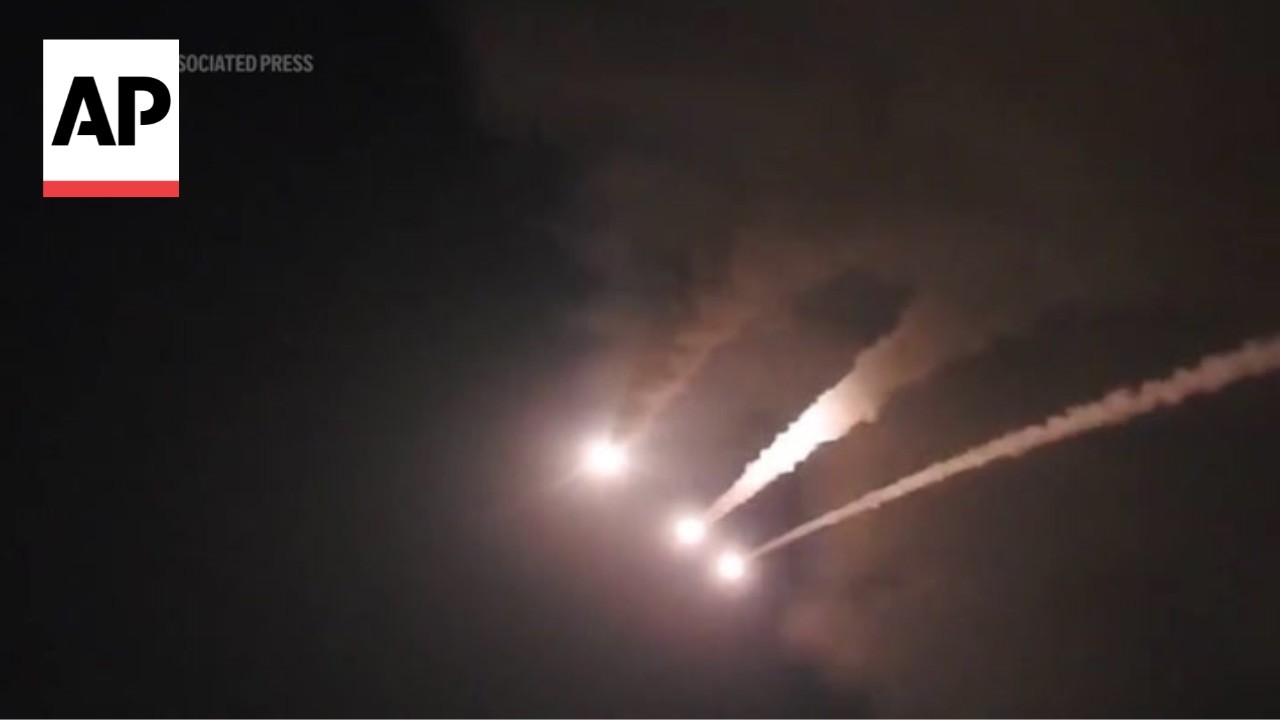
According to Israeli military officials, Iran fired a total of 10 missiles in three separate waves targeting communities in northern Israel, the Sharon region, and areas of Samaria.
The INN report indicated that Israel’s multilayered air-defense network once again demonstrated its effectiveness, intercepting every incoming missile before it could reach its intended target. The successful interceptions prevented potentially devastating consequences and highlighted the technological superiority of Israel’s defensive systems. The missile barrages triggered sirens across dozens of Israeli communities, sending civilians rushing toward protected shelters during the late-night hours. Although the missiles themselves failed to penetrate Israeli defenses, the attacks nevertheless disrupted daily life and created widespread anxiety among residents.
According to the INN report, Magen David Adom emergency personnel treated two individuals who sustained injuries while attempting to reach secure locations during the alerts. Among them was a woman who suffered moderate injuries while seeking shelter.
The incidents served as a reminder that even when air-defense systems perform flawlessly, hostile missile launches still impose psychological and physical burdens upon civilian populations. The Fire and Rescue Services also reported several secondary incidents resulting from interception debris. INN also reported that fires broke out in open areas across the Galilee and the Golan Heights after fragments from intercepted projectiles fell to the ground. In Yokneam, shrapnel reportedly struck a vehicle, causing minor damage but no injuries.
While these consequences were limited compared with the potential devastation of successful missile impacts, they underscored the dangers posed by repeated attacks against civilian areas.
Iran’s Revolutionary Guards subsequently claimed responsibility for the missile launches and framed them as retaliation for Israeli operations against Hezbollah. The Iranian proxy terror organization had violated the ceasefire agreement that President Trump has brokered earlier in the week and had launched large scale missile and rocket attacks on communities in northern Israel.
According to statements attributed to the organization, Tehran argued that its acceptance of ceasefire arrangements had been conditioned upon a cessation of hostilities across multiple fronts. The organization warned that future responses could be broader should further military actions occur.
Israeli officials, however, have consistently maintained that the country retains both the right and the obligation to defend itself against terrorist organizations and hostile regimes seeking its destruction.
The missile attacks reinforced longstanding Israeli concerns regarding Iran’s support for regional terrorist groups and its efforts to project military influence throughout the Middle East. Against this backdrop, diplomatic efforts continued simultaneously.
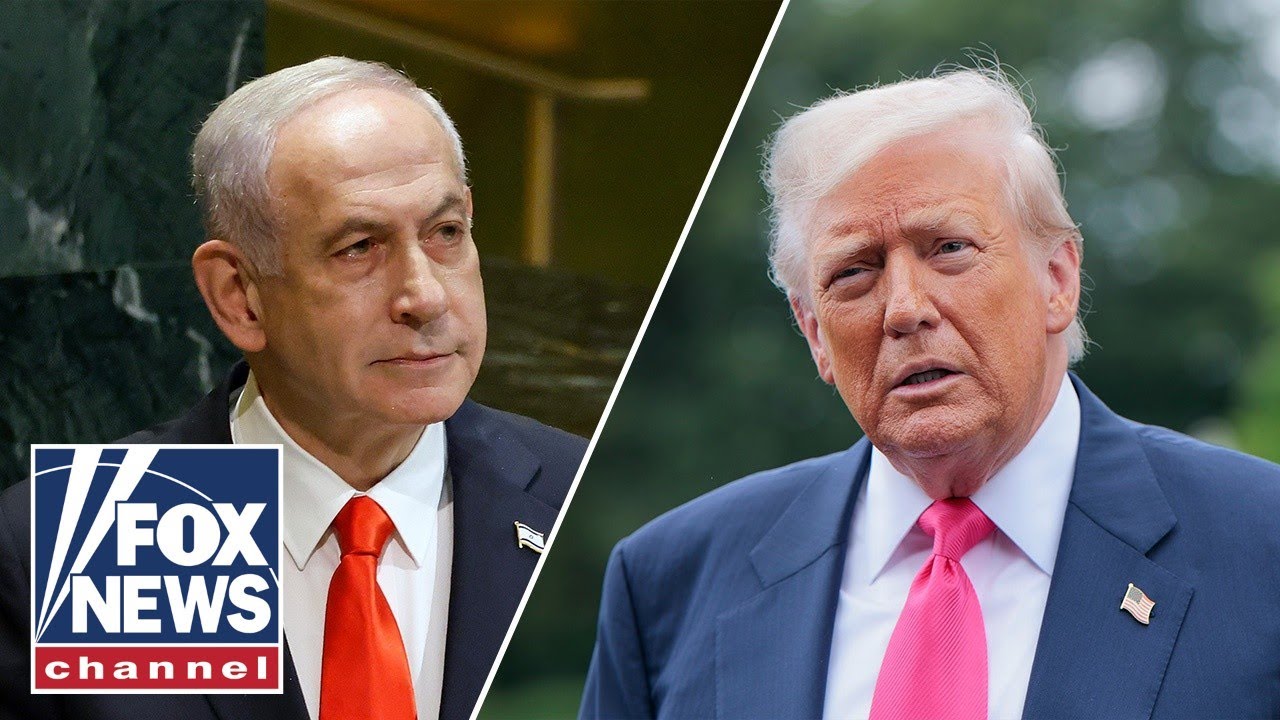
According to reports cited by INN, President Trump spoke with Prime Minister Benjamin Netanyahu regarding the evolving situation.
Axios later reported that Trump urged Netanyahu to refrain from immediate retaliation and allow additional time for diplomatic initiatives involving Iran. According to a United States official cited in the report, Trump expressed optimism regarding the possibility of achieving progress through negotiations and argued that further military escalation could jeopardize those efforts.
The report suggested that Netanyahu expressed reservations but ultimately agreed, at least temporarily, to avoid immediate escalation. The existence of such discussions illustrates the complex balance between diplomacy and deterrence that continues to define regional policymaking.
Israel has repeatedly demonstrated its willingness to support diplomatic solutions when possible. However, Israeli leaders have also made clear that no diplomatic process can substitute for the fundamental responsibility of protecting Israeli citizens from attack. While political leaders engaged in discussions, the Israeli military continued preparations for additional contingencies.
INN reported that IDF Chief of Staff Lieutenant General Eyal Zamir conducted a comprehensive situational assessment with members of the General Staff Forum. During the meeting, military leadership reviewed operational readiness and evaluated potential future scenarios.
Zamir stated unequivocally that the IDF had completed its preparations and stood ready for further action if required. He emphasized that the military would strike hostile forces with determination whenever directed to do so. Military officials stressed that operational plans had been finalized and that forces remained on elevated alert following Iran’s breach of the ceasefire.
Those statements reflected Israel’s longstanding strategic doctrine, which prioritizes preparedness, deterrence, and rapid response capabilities. The message from Jerusalem was clear: while Israel seeks stability and peace, it will not tolerate attacks against its population or allow adversaries to exploit diplomatic initiatives as cover for aggression.
In the second half of the unfolding story, a fascinating and revealing narrative emerged from within Iran itself.
VIN News reported that a media outlet closely associated with Iran’s Islamic Revolutionary Guard Corps advanced an unusual explanation for the success of the Israeli operation. According to VIN News, Rajanews, a publication aligned with hardline elements of the Iranian security establishment, alleged that widespread reports of a disagreement between President Trump and Prime Minister Netanyahu had actually formed part of a sophisticated psychological operation.
The publication reportedly argued that media narratives suggesting tension between Washington and Jerusalem were intentionally disseminated to create a false sense of security among Iranian decision-makers.
Rajanews claimed that reports portraying Trump as firmly opposed to Israeli military action and depicting Netanyahu as willing to delay operations were deliberately designed to encourage complacency within Iran’s leadership circles. The outlet characterized the episode as a classic strategic deception effort in which public appearances concealed deeper coordination.
Whether such claims are accurate remains impossible to determine based solely on publicly available information. VIN News emphasized that it could not independently verify the assertions made by the Iranian outlet. Nevertheless, the very existence of such narratives is noteworthy.
Iranian commentators have increasingly sought explanations for repeated intelligence and security failures that have left key Iranian assets vulnerable to Israeli operations.
For years, Israel has demonstrated a remarkable ability to gather intelligence, conduct precision operations, and neutralize threats despite considerable geographic distances and extensive Iranian security measures. The emergence of explanations centered on deception and psychological operations reflects broader debates occurring within Iran regarding how Israeli forces have repeatedly achieved strategic surprise.
VIN News observed that Rajanews is known for promoting perspectives closely aligned with the IRGC and frequently advances narratives supportive of the Iranian regime’s security establishment. Its latest analysis therefore appears to reflect internal efforts to explain why Israeli operations reportedly caught Iranian forces off guard.
The broader significance of these developments extends beyond any single military exchange. Israel faces a persistent challenge from a regime that openly supports armed proxy organizations, funds terrorist networks, and continues pursuing capabilities that many international observers regard as deeply destabilizing. From Jerusalem’s perspective, the latest operation represents another chapter in a larger struggle to prevent hostile forces from threatening Israeli civilians and regional stability.
VIN News similarly noted that the strikes occurred amid continuing tensions surrounding Iran’s nuclear activities and its support for terrorist organizations throughout the Middle East. These concerns remain central to Israel’s national security calculations and help explain why Israeli leaders consistently emphasize vigilance, preparedness, and deterrence.
As dawn broke following the strikes, Israel’s message appeared unmistakable. Despite ceasefire violations, missile attacks, threats from Tehran, and ongoing regional volatility, the Jewish state remains determined to defend its citizens and preserve its security.
Whether through advanced missile defenses, precision military operations, intelligence capabilities, or strategic coordination with allies, Israel continues demonstrating that aggression directed against its people will not go unanswered.
The events of Monday morning reinforced a reality that has shaped Middle Eastern geopolitics for decades: Israel may prefer peace, but it remains fully prepared to act decisively when confronted with threats to its national security. The latest confrontation has once again illustrated both the dangers confronting the region and the extraordinary resolve with which Israel continues to safeguard its citizens against those who seek to do it harm.