




















Constantino Criticizes Opponent Robert Smullen Over Use of AI-Edited Campaign Images
By: Fern Sidman
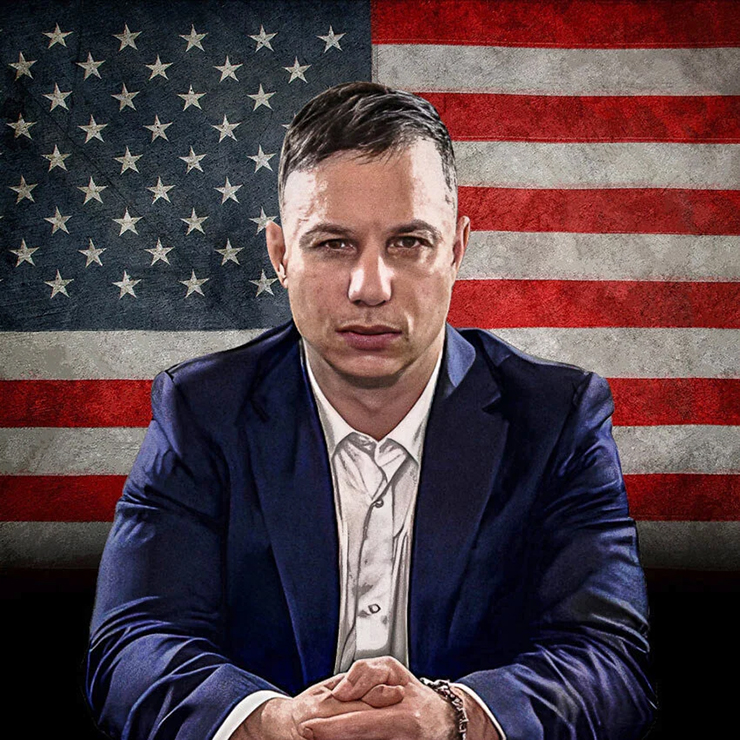
Republican congressional candidate Anthony Constantino, who is seeking election in New York’s 21st Congressional District and has received endorsements from President Donald Trump and former New York City Mayor Rudy Giuliani, issued a statement to the media criticizing his primary opponent, Assemblyman Robert Smullen, over the alleged use of digitally altered campaign images.
In the statement, Constantino accused Smullen’s campaign of distributing images that he claims were modified using artificial intelligence technology in a manner that misrepresented his clothing designs and campaign messaging.
“It has been brought to my attention that Robert Smullen is using AI manipulated images of me to deceive voters in NY-21 by changing the designs on my hats and shirts,” Constantino said in the statement.
According to Constantino, one of the disputed images involved a shirt design that he says he personally created. He alleged that the original design contained a slogan criticizing New York City Mayor Zohran Mamdani, but that the image was altered to display a different message.
“In fact, one of my shirts had a slogan criticizing Smullen’s friend Zohran Mamdani that I personally designed, and Smullen changed it to protect Mamdani while attacking me with a false design I never made,” Constantino stated.
The allegations come amid an increasingly contentious Republican primary contest in New York’s 21st Congressional District, where campaign messaging, endorsements, and political advertising have become central issues in the race.
The growing use of artificial intelligence in political campaigns has become a topic of national debate in recent election cycles. Political observers, election officials, and technology experts have raised concerns about the potential for AI-generated or digitally altered images, videos, and audio recordings to create confusion among voters or blur the distinction between authentic and manipulated campaign materials.
Constantino’s statement reflects those broader concerns, arguing that voters should be able to evaluate candidates based on accurate representations rather than altered imagery.
The candidate also directed sharp criticism toward his opponent, asserting that the alleged image modifications represented an effort to mislead the electorate.
“Smullen has no morals,” Constantino said in the statement. “He can only be described as evil.”
The statement did not provide additional details regarding when the images were allegedly created, how they were distributed, or whether any formal complaint had been filed concerning their use.
As of the issuance of Constantino’s statement, no response from Smullen or his campaign was included in the materials provided.
The dispute highlights the increasingly important role that digital content plays in modern political campaigns. Advances in artificial intelligence have enabled the rapid creation and modification of images, videos, and graphics, prompting lawmakers and election officials across the country to examine potential safeguards designed to ensure transparency and authenticity in political communications.
Questions surrounding the use of AI-generated content have emerged in federal, state, and local races nationwide. Supporters of stricter regulation argue that voters deserve clear disclosure when campaign materials have been digitally altered, while others caution against regulations that could affect political speech or legitimate creative expression.
For now, the controversy represents another flashpoint in what has become an increasingly competitive and closely watched congressional race.
Constantino’s allegations place the issue of digital authenticity squarely into the campaign debate, raising broader questions about how emerging technologies may shape voter perceptions and campaign communications as Election Day approaches.



