













Iran Signals Major Reservations as Nuclear Negotiations With Washington Enter Critical Phase
Tehran Adviser Warns Key Disputes Remain Unresolved Even as President Trump Expresses Optimism About Prospects for an Agreement
By: Chaya Abecassis
Hopes for a potential diplomatic breakthrough between the United States and Iran were tempered this week after a senior adviser to Iran’s highest-ranking authority publicly highlighted what he described as significant unresolved issues within the current framework being discussed between Tehran and Washington.
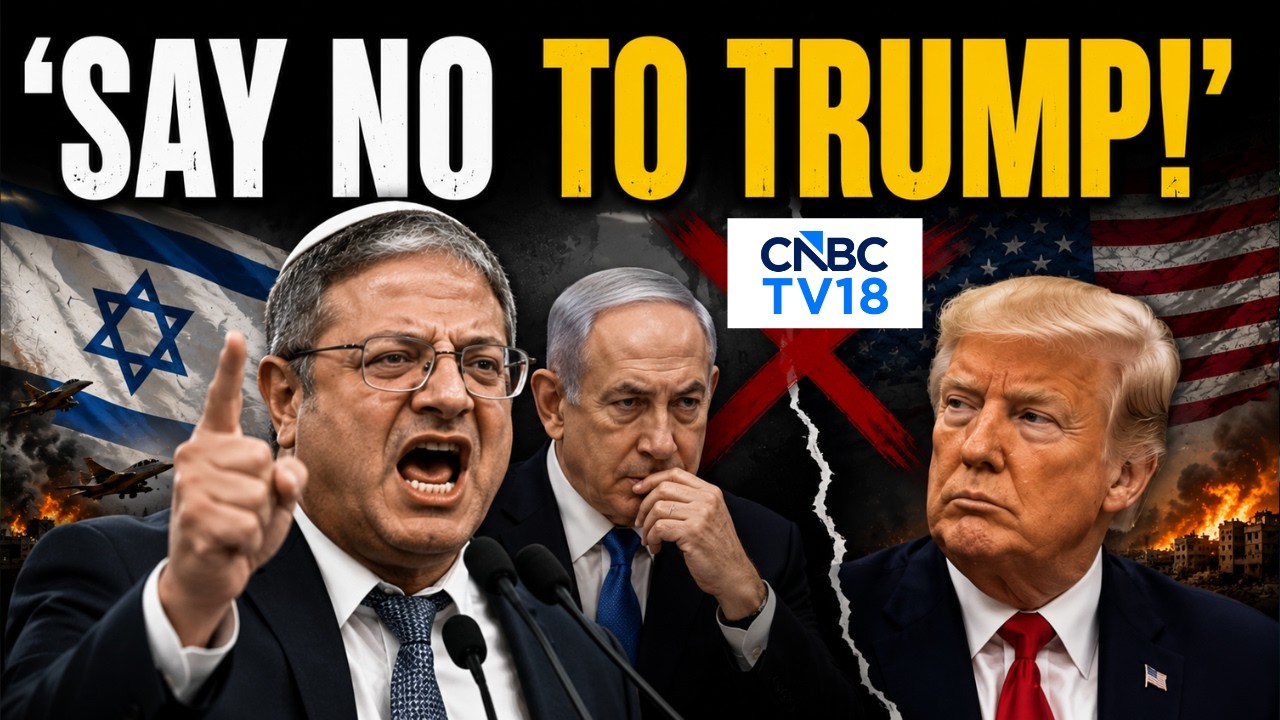
According to report on Friday by Israel National News, Mohsen Rezaei, a prominent adviser to Supreme Leader Mojtaba Khamenei, used a nationally televised address on Iranian state television on Thursday to cast doubt on suggestions that an agreement may be imminent. His remarks underscored the persistent mistrust and deep strategic disagreements that continue to characterize one of the most consequential diplomatic negotiations currently underway in the Middle East.
The comments came amid a flurry of statements from President Donald Trump, who has repeatedly expressed optimism regarding the trajectory of the negotiations and has suggested that a deal aimed at curbing Iran’s nuclear ambitions may be closer than many observers realize.
Yet Rezaei’s remarks, as reported by Israel National News, illustrated the substantial gulf that remains between the two sides despite months of indirect discussions.
In his televised address, Rezaei portrayed the negotiations as being far from resolved, arguing that Iran’s fundamental concerns have yet to receive satisfactory answers. According to the Israel National News report, Rezaei asserted that President Trump is attempting to pressure Tehran into accepting American demands while leaving Iranian priorities and strategic requirements insufficiently addressed.
His comments suggested that several of the most sensitive issues in the negotiations remain unsettled.
While Rezaei did not publicly outline every disputed point, his remarks reflected a broader Iranian position that any agreement must account for Tehran’s security concerns, economic interests, and strategic calculations. The adviser’s intervention is significant because statements from senior figures closely connected to Iran’s leadership often provide insight into internal deliberations within the Islamic Republic’s decision-making apparatus. By publicly emphasizing unresolved questions, Rezaei appeared to signal that Iran is not yet prepared to finalize an agreement without additional assurances and clarifications.
His comments also served as a reminder that diplomatic optimism from Washington does not necessarily reflect the mood in Tehran.
Despite the concerns raised by Iranian officials, diplomatic contacts between the two countries remain active. Israel National News reported that the United States and Iran have continued to engage in indirect negotiations aimed at addressing Iran’s nuclear program while simultaneously reducing broader regional tensions.
These talks have been underway for months and represent one of the most significant diplomatic initiatives in the Middle East since the outbreak of the current regional crisis. Thus far, however, no comprehensive agreement has been reached.
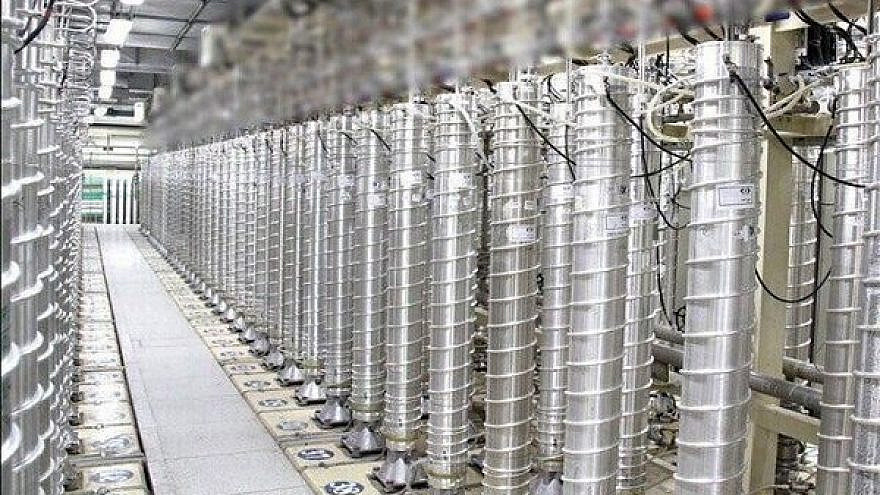
The negotiations have focused on issues ranging from nuclear enrichment activities and uranium stockpiles to sanctions relief and regional security concerns. While both sides have periodically expressed optimism, repeated rounds of discussions have also exposed profound differences regarding the scope and terms of any potential settlement.
Diplomatic observers note that the complexity of the issues involved makes any agreement extraordinarily difficult to achieve. Questions involving nuclear technology, international inspections, sanctions enforcement, regional influence, and security guarantees remain among the most contentious aspects of the discussions.
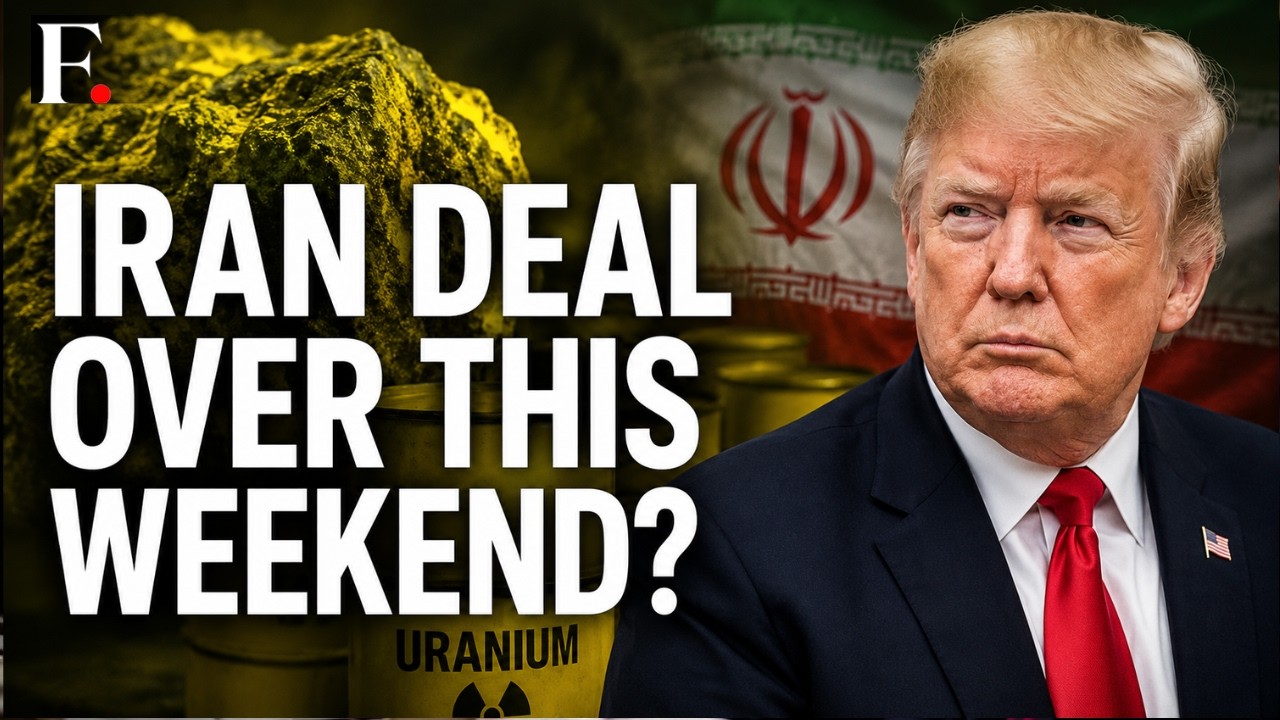
President Trump, however, has maintained a notably optimistic public posture regarding the negotiations. Speaking to reporters on Wednesday, Trump suggested that a breakthrough could arrive sooner rather than later. “I hear the negotiations with Iran are going very well,” Trump said. “If a deal happens with Iran it could be done over the weekend,” he added.
The president further indicated that Iran appeared to be nearing a final decision. According to Israel National News, Trump told reporters that Iran was “close” to signing the necessary documents. Such comments reflected a markedly different tone from the caution expressed by Iranian officials.
Trump also reiterated one of Washington’s principal objectives in the negotiations: securing control over Iran’s highly enriched uranium stockpiles. The president stated that he wants Iran’s enriched uranium transferred into American hands and suggested that progress toward that goal may be forthcoming.
His remarks underscored the centrality of the nuclear issue within the broader diplomatic process.
For the United States, preventing Iran from obtaining a nuclear weapon remains the overriding priority.
Trump’s comments followed media reports suggesting that discussions between Washington and Tehran had stalled or ceased altogether. The president moved quickly to dismiss those reports.
In a post published on Truth Social, Trump insisted that communication between the two governments had remained continuous. “Fake News Reports that the Islamic Republic of Iran, and the U.S.A., stopped speaking a few days ago are false and erroneous,” Trump wrote. The president then offered an unusually detailed account of the frequency of the contacts. “The conversations between us have been going on continuously, including four days ago, three days ago, two days ago, one day ago, and today,” Trump declared.
His statement appeared intended to reassure both domestic and international audiences that diplomatic channels remain active despite periodic tensions and contradictory reports. At the same time, Trump made clear that he expects Tehran to move decisively. “Where they lead, one never knows,” he wrote. “But as I told Iran, ‘It’s time, one way or another, for you to make a Deal. You’ve been doing this for 47 years, and it cannot be allowed to go on any longer!’”
The language reflected Trump’s characteristic negotiating style, combining optimism about a possible agreement with pressure on the opposing side to accept terms.
Throughout the negotiations, Trump has consistently maintained that preventing Iran from acquiring nuclear weapons represents a non-negotiable objective. That position was reiterated once again during remarks delivered on Thursday.
According to the Israel National News report, Trump emphasized that the United States will not permit Iran to become a nuclear-armed state under any circumstances. The president contrasted the current diplomatic effort with previous agreements pursued by earlier administrations. Referring to former Presidents Barack Obama and Joe Biden, Trump argued that their policies had encouraged Iran’s nuclear ambitions rather than restraining them. “The Obama deal, I terminated that or they would have had a nuclear,” Trump said. “That was a road to a nuclear weapon.”
He then drew a distinction between that agreement and the arrangement currently under discussion. “Our deal — if we make that deal and it’s going well but who knows — if we make that deal it’s the exact opposite,” Trump stated. “They will never have a nuclear weapon.” The president concluded with an unequivocal declaration. “I’m not going to let them have a nuclear weapon.”
The negotiations carry enormous implications not only for the United States and Iran but for the broader Middle East. Regional governments, international financial markets, and global security analysts are closely monitoring developments. A successful agreement could potentially reduce tensions that have fueled instability across the region for years. Conversely, a collapse of the talks could raise the prospect of renewed confrontation and heightened uncertainty. The stakes are particularly high given recent military tensions involving Iran, Israel, and U.S. forces operating in the region.
Those tensions have intensified international scrutiny of Iran’s nuclear activities and increased pressure on diplomats to find a workable solution.
Israel National News has reported extensively on the evolving negotiations, highlighting both the opportunities and challenges associated with the current diplomatic effort.
Despite Trump’s confidence and continuing diplomatic contacts, Rezaei’s remarks demonstrate that significant obstacles remain. His public warning that key questions are unresolved serves as a reminder that negotiations of this magnitude rarely proceed in a straight line. The contrast between Washington’s optimism and Tehran’s caution reflects the complexity of reaching an agreement capable of satisfying both sides.
As diplomats continue their discussions, observers will be watching closely for signs that the remaining gaps can be bridged. For now, the negotiations remain active but uncertain. Trump insists progress is being made. Iranian officials insist major issues remain unresolved.
Whether those competing narratives ultimately converge into a formal agreement may determine the future trajectory of one of the most consequential geopolitical disputes of the modern era.
As Israel National News reported, both sides continue to talk. The question now is whether those conversations can overcome decades of mistrust and produce a durable framework capable of addressing the nuclear issue while reducing tensions throughout an increasingly volatile region.



