









By: Justin Winograd
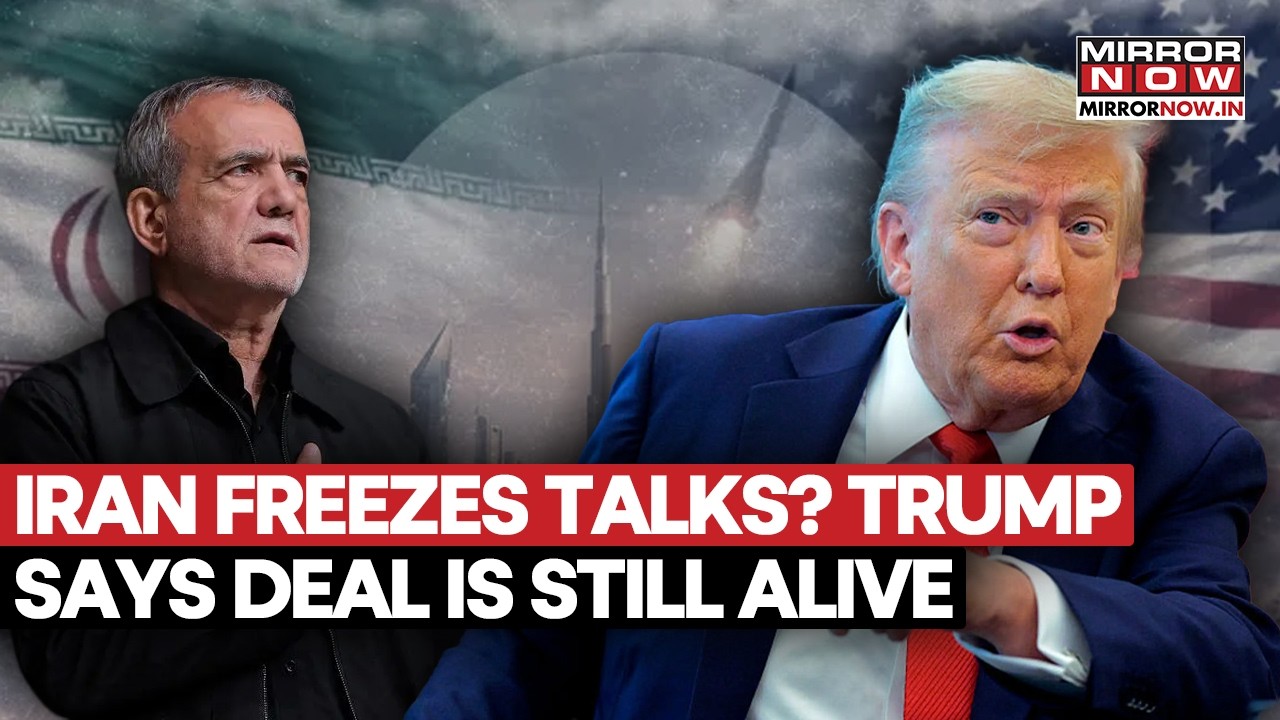
President Donald Trump on Tuesday forcefully rejected reports suggesting that diplomatic contacts between the United States and Iran had been suspended, insisting that communications between Washington and Tehran remain active and continuous despite mounting regional tensions and conflicting reports emerging from Iranian media outlets.
According to a report on Wednesday morning at Israel National News, Trump used his Truth Social platform to push back against claims that negotiations over Iran’s nuclear program and broader regional security arrangements had stalled, asserting instead that discussions have continued uninterrupted, including throughout the past several days.
The president’s remarks came amid a complicated diplomatic landscape marked by ongoing efforts to secure a long-term understanding with Iran, maintain a fragile regional ceasefire, and address security concerns surrounding the strategically vital Strait of Hormuz.
Trump’s comments represented the latest indication that his administration remains committed to pursuing a negotiated resolution with Tehran, even as military tensions and geopolitical disputes continue to complicate the process.
“Fake News Reports that the Islamic Republic of Iran, and the U.S.A., stopped speaking a few days ago are false and erroneous,” Trump wrote in a message cited in the Israel National News report.
The president sought to leave little ambiguity regarding the status of the talks. “The conversations between us have been going on continuously, including four days ago, three days ago, two days ago, one day ago, and today,” Trump stated.
His comments appeared intended not only to reassure observers that diplomatic channels remain open but also to counter reports that had emerged from Iranian sources suggesting that negotiations had been suspended.
While emphasizing the continuation of diplomatic contacts, Trump also delivered a direct message to Iranian leaders regarding the future of the negotiations. “Where they lead, one never knows, but as I told Iran, ‘It’s time, one way or another, for you to make a Deal. You’ve been doing this for 47 years, and it cannot be allowed to go on any longer!’” the president declared.
The statement reflected Trump’s longstanding approach to negotiations with Tehran, combining public pressure with assertions that a diplomatic agreement remains achievable.
According to the information provided in the Israel National News report, the president’s latest comments came at a moment when both governments appear to be attempting to balance diplomatic engagement with broader strategic considerations involving military developments throughout the Middle East.
The administration has repeatedly emphasized that its primary objective remains preventing Iran from obtaining nuclear weapons while simultaneously seeking stability in one of the world’s most volatile regions.
Trump’s remarks followed reports carried by Iranian media on Monday claiming that the Islamic Republic had halted indirect discussions with the United States. According to those reports, Iranian officials allegedly linked the suspension of talks to Israel’s expanding military operations in Lebanon and broader regional security concerns.
The reports immediately generated international attention because they raised questions regarding the viability of ongoing diplomatic efforts and the possibility that military developments elsewhere in the region could derail negotiations between Washington and Tehran.
However, as Israel National News reported, Trump quickly challenged that narrative. Later on Monday, he again took to Truth Social to insist that diplomacy remained very much alive. “Talks are continuing, at a rapid pace, with the Islamic Republic of Iran. Thank you for your attention to this matter!” Trump wrote. The statement reinforced the administration’s position that negotiations remain active despite public suggestions to the contrary.
At the heart of the negotiations remains the question of Iran’s nuclear activities. Successive American administrations have sought assurances that Iran will not develop nuclear weapons, while Iranian leaders have consistently maintained that their nuclear program is intended for peaceful purposes.
According to the information contained in the Israel National News report, Trump has repeatedly stressed that any future agreement must contain provisions preventing Iran from acquiring a nuclear weapon.
His latest comments suggest that those concerns continue to dominate discussions. The president’s insistence that Iran must eventually make a decision reflects growing pressure on both sides to move beyond preliminary exchanges and toward a more comprehensive understanding.
Diplomatic observers note that nuclear negotiations often require extensive technical discussions involving enrichment limits, verification mechanisms, inspection protocols, and timelines for implementation. Those complexities have historically made negotiations with Iran among the most challenging in international diplomacy.
Beyond the nuclear question, discussions reportedly continue regarding the future status of the Strait of Hormuz. The narrow waterway remains one of the most strategically important maritime passages in the world, serving as a crucial route for global energy shipments.
As was reported by Israel National News, Trump indicated during an interview with ABC News that he believes progress is being made toward an agreement involving both the ceasefire framework and the reopening of maritime traffic through the strait.
The president expressed confidence that a breakthrough could emerge relatively soon. “I think” an agreement could be reached “over the next week,” Trump reportedly said.
Such an agreement would likely carry significant implications not only for regional security but also for international energy markets, which remain highly sensitive to disruptions in Gulf shipping routes.
Any lasting arrangement involving Hormuz would be closely watched by governments, financial markets, and energy producers worldwide.
In his interview, Trump also addressed what he described as a temporary disruption in the diplomatic process. “There was a little glitch today, but I turned that one around very quickly, as you probably noticed earlier,” the president stated. According to Trump, the disagreement was linked to Iranian concerns regarding Israeli military actions in Lebanon.
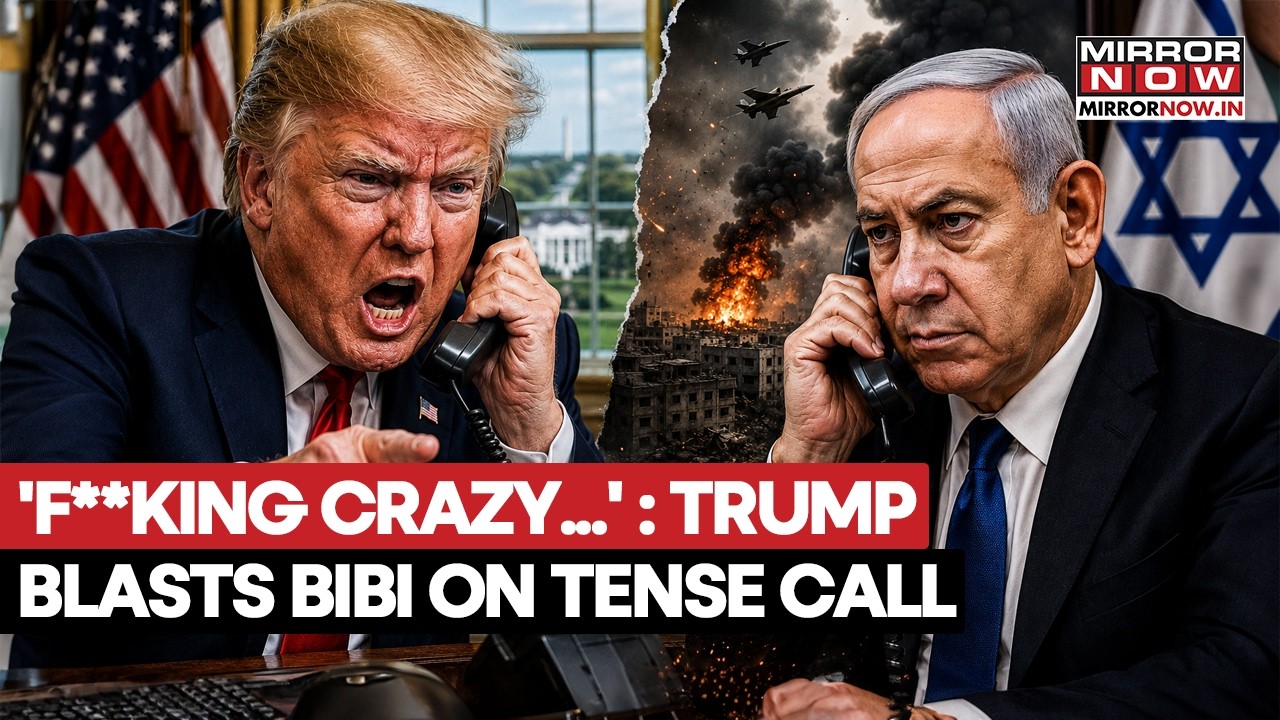
The president suggested that direct communication helped prevent a broader escalation. “So, I spoke with Hezbollah, and I said no shooting, and I talked to Bibi, and said, no shooting, and they both stopped shooting each other,” Trump stated. The comments highlighted Trump’s view of his role as an active intermediary seeking to reduce tensions among multiple parties simultaneously.
While the precise details of those communications were not independently confirmed, the remarks underscored the administration’s efforts to maintain stability while broader negotiations continue.
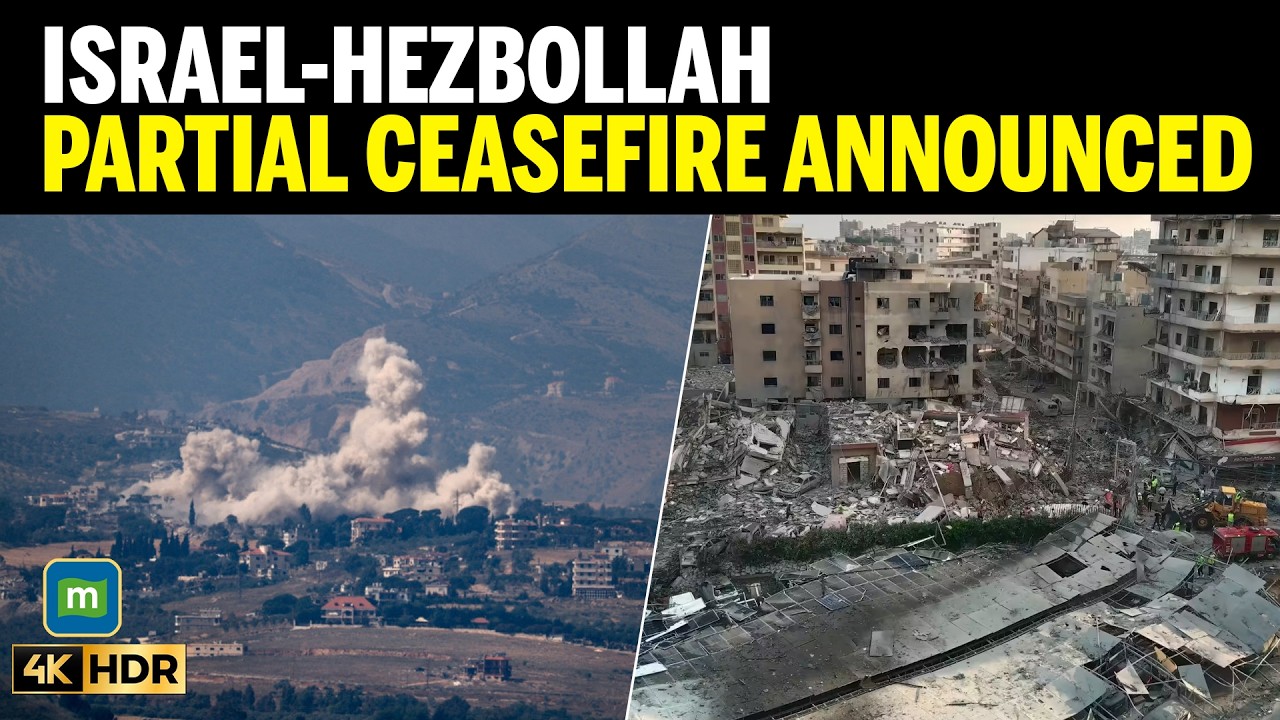
As the Israel National News report noted, negotiations between Washington and Tehran are taking place against a backdrop of complex regional developments. Military activity involving Israel, Hezbollah, and other actors has created an environment in which diplomatic progress can be affected by events far beyond the immediate scope of nuclear discussions.
This interconnected reality has repeatedly complicated previous negotiations. A flare-up in Lebanon, a confrontation in the Gulf, or an incident involving regional militias can quickly alter political calculations in Washington, Tehran, Jerusalem, and other capitals.
Analysts frequently observe that diplomacy in the Middle East rarely occurs in isolation. Instead, negotiations often unfold within a broader strategic framework shaped by multiple overlapping conflicts and security concerns.
Despite those challenges, Trump indicated that he remains optimistic regarding the prospects for a negotiated outcome. The president suggested that a diplomatic breakthrough could ultimately prove more significant than a military success.
According to the Israel National News report, Trump stated that a peace agreement with Iran could be “even better than a military victory.” That characterization reflects the administration’s argument that a durable agreement could provide long-term security benefits while avoiding the costs and uncertainties associated with further military confrontation.
Supporters of diplomacy argue that negotiated settlements offer the possibility of lasting stability and economic normalization. Critics, however, often caution that any agreement must include robust safeguards and verification mechanisms to ensure compliance.
While Trump’s comments conveyed confidence, significant uncertainties remain.
The gap between American and Iranian positions on key issues has not disappeared, and regional tensions continue to present challenges that could affect negotiations at any moment. Nonetheless, the president’s repeated insistence that talks remain active suggests that both sides continue to see value in maintaining diplomatic channels.
Whether those discussions ultimately produce a comprehensive agreement remains uncertain. What is clear, however, is that Washington and Tehran remain engaged in one of the most consequential diplomatic efforts currently underway in international affairs.
As Israel National News reported, Trump appears determined to keep the process moving forward, arguing that decades of confrontation have reached a moment when decisions can no longer be postponed. For now, negotiators continue their work amid a mixture of optimism, skepticism, and geopolitical uncertainty, while the international community watches closely for signs that a new chapter in US-Iran relations may yet emerge.



