



|
Getting your Trinity Audio player ready...
|
Charlie Kirk — From Suburban Chicago Activist to National Conservative Voice
By: Fern Sidman
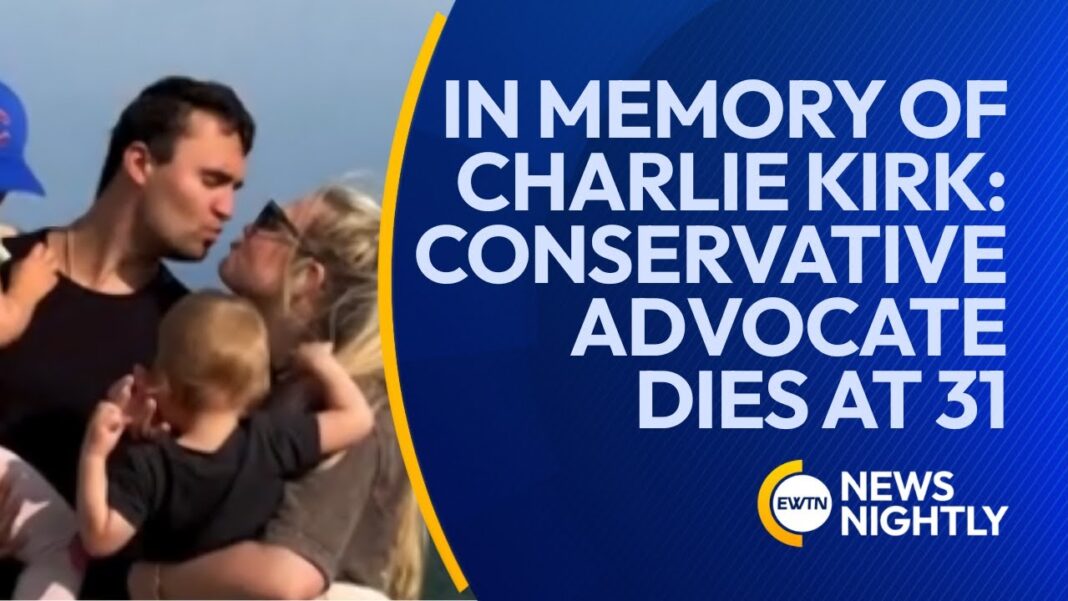
Charlie Kirk’s journey from a teenager in suburban Chicago to one of the most recognizable faces in conservative politics was as swift as it was controversial. His death in Utah has cut short a career that left a distinct mark on American political life, particularly among younger conservatives seeking a voice on college campuses.
Born on October 14, 1993 in Wheeling, Illinois, Kirk grew up in a middle-class family and developed an interest in politics while still in high school. According to profiles shared over the years in media outlets, Kirk was deeply influenced by conservative thinkers and the Tea Party wave of the early 2010s.
At just 18 years old, he founded Turning Point USA (TPUSA) with the mission of mobilizing conservative students on college campuses. With little more than determination and a knack for networking, Kirk built TPUSA from a shoestring operation into a national organization with hundreds of campus chapters and a budget running into the tens of millions.
TPUSA became known for its slick branding, fiery rhetoric, and confrontational tactics. Its annual Student Action Summit drew thousands of students and a roster of high-profile Republican speakers, from Donald Trump Jr. to members of Congress.
Kirk positioned TPUSA as the conservative counterweight to what he described as the “liberal orthodoxy” dominating American universities. His messaging — skeptical of big government, supportive of free markets, and unyieldingly critical of progressive cultural movements — resonated with a segment of the student body that felt marginalized.
Kirk’s rise brought as much criticism as it did acclaim. Progressive activists accused him of stoking division and trafficking in inflammatory rhetoric. Several universities saw protests against TPUSA events, which critics argued created hostile environments for students of color or LGBTQ students.
Yet his supporters saw Kirk as a fighter, someone willing to endure personal attacks in order to challenge what they viewed as left-wing dominance in higher education. His combative style mirrored the broader trajectory of Republican politics in the Trump era: less emphasis on compromise, more on confrontation.
Charlie Kirk was not just a campus activist; he became a key ally to former President Donald Trump and a frequent guest on conservative media outlets. He served as a vocal supporter of Trump’s policies on immigration, foreign affairs, and economics.
His prominence grew further after 2016, with TPUSA effectively serving as a youth arm of the broader MAGA movement. During the 2020 election, Kirk used his platform to rally young conservatives and was frequently in the media spotlight for his outspoken defense of Trump amid the pandemic and social unrest.
In recent years, Kirk sought to expand his influence beyond student politics. He became a frequent commentator on national television, wrote books aimed at shaping the direction of the conservative movement, and launched the Charlie Kirk Show, a podcast and radio program that reached a wide audience.
His growing media presence allowed him to speak not only to students but to a broader conservative base across the country. His commentaries ranged from critiques of progressive education policies to warnings about cultural shifts he believed undermined traditional values.
Even as his influence grew, so too did the controversies surrounding him. Critics accused him of amplifying conspiracy theories and fostering hostility in public discourse. Progressive groups regularly denounced his events, and liberal commentators often portrayed him as emblematic of a new generation of combative conservatism.
But to his supporters, particularly within TPUSA’s vast student network, Kirk was a symbol of courage and conviction. He provided a sense of belonging for conservative students who felt marginalized on liberal-leaning campuses.
At the time of his death, Kirk had already built a national organization, established himself as a recognized media personality, and carved out a permanent place in America’s ongoing cultural and political debates.
Kirk’s life and career highlighted the changing nature of youth politics in America — where social media reach can matter as much as policy expertise, and where ideological battles are fought as much on campuses as in Congress.
Charlie Kirk’s sudden death raises difficult questions about the future of the movement he helped build. TPUSA’s infrastructure will remain, but whether any single figure can replicate his blend of activism, media savvy and charisma remains uncertain.
Loved by many, loathed by others, Kirk nevertheless leaves behind a record of influence few could match at such a young age. His career encapsulated the tensions of modern American politics — where generational shifts, cultural clashes, and partisan divides intersect in ways that continue to shape the nation’s future.
A Timeline of Activism and Influence
2013 – First National Recognition
Kirk delivers speeches at conservative gatherings and begins receiving national attention for his youthful energy and grassroots strategy. This period was the starting point of his meteoric rise.
2015–2016 – The Trump Connection
As Donald Trump’s presidential campaign reshapes American politics, Kirk positions TPUSA as a youth-driven ally to the broader MAGA movement. The group’s reach expands dramatically, fueled by social media and campus activism.
2016 – Student Action Summits Take Off
TPUSA launches its Student Action Summit, drawing thousands of young conservatives and high-profile Republican leaders. The annual event becomes a hallmark of Kirk’s ability to mobilize youth activism.
2018 – TPUSA Goes Mainstream
Kirk emerges as a frequent guest on Fox News and other conservative media outlets. His sharp rhetoric and confrontational style solidify his reputation as one of the most visible young conservatives in America.
2020 – Election and National Spotlight
During the presidential election year, Kirk becomes a full-fledged media personality. His Charlie Kirk Show podcast and radio program expand his influence beyond campuses, reaching a nationwide conservative audience.
2021–2023 – Expanding His Platform
Kirk continues to build TPUSA into a powerhouse, growing its budget into the tens of millions and cultivating chapters across the U.S. His commentary increasingly focuses on cultural and social issues, making him a polarizing figure in the national conversation.
2024 – A Broader Political Role
Kirk signals ambitions beyond youth activism, positioning himself as a thought leader within the conservative movement. His speeches and writings begin addressing national policy debates more broadly, from immigration to cultural identity.
2025 – Final Year
Still only 31 years old, Kirk remains at the center of conservative politics. His leadership at TPUSA and his media platforms continue to shape the discourse among young conservatives. His sudden death in Utah cuts short a career that had already left a lasting impact on American political life.
