



Edited by: TJVNews.com
It would appear that the controversial Sackler family who own Purdue Pharma will not not be getting off that easy in the bankruptcy plan that was approved two weeks ago by a federal judge in White Plains.
Late Wednesday, a division of the Department of Justice that functions as a watchdog group of sorts over the federal bankruptcy system filed an appeal seeking to lock the Sacklers from pursuing bankruptcy protection.
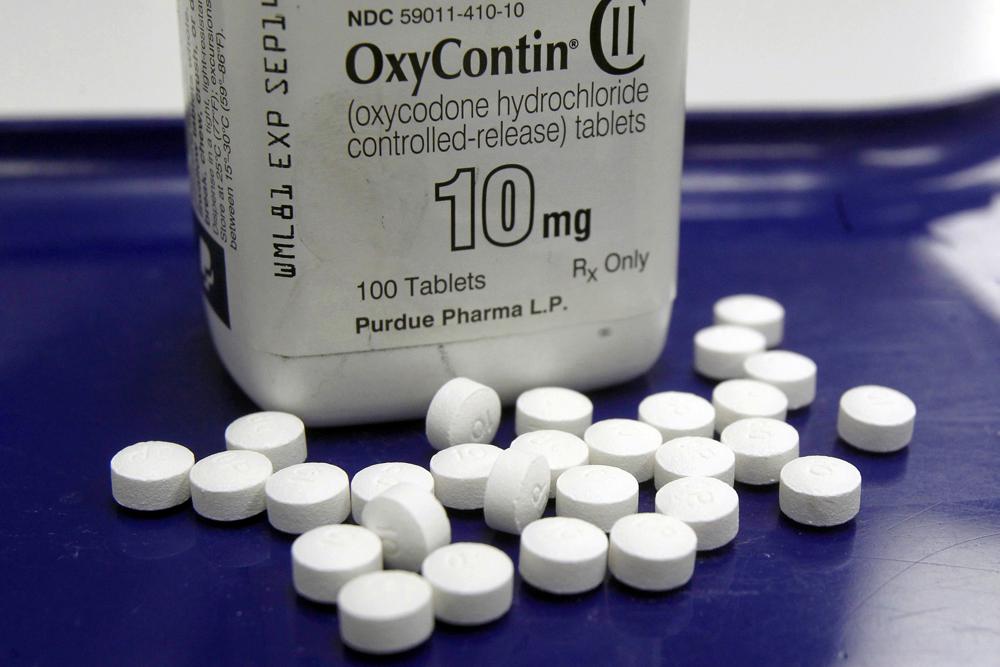
According to a report in the New York Times, the bankruptcy plan would have granted broad legal immunity to the pharmaceutical company Purdue Pharma, whose drug OxyContin has been at the heart of the nation’s opioid epidemic.
William Harrington, who serves as U.S. trustee for the Justice Department, also filed documents requesting an “expedited stay” to prevent implementation of the settlement, according to an NPR report.
The Times reported that Harrington said that the court should grant his request for a stay because the federal government “has a substantial possibility of success on appeal and because the harm that would result from denying a stay outweighs any potential harm from granting one.”
The NPR report indicated in a previous filing that Harrington accused the Sacklers and their associates of using the bankruptcy system to avoid liability for “alleged wrongdoing in concocting and perpetuating for profit one of the most severe public health crises ever experienced in the United States.”
The deal, which was approved by Judge Robert Drain on September 1st, granted sweeping immunity from opioid lawsuits to members of the Sackler family, as was reported by NPR. The Times reported that the approval would mean that the Sacklers would be released from future legal liability in exchange for a $4.3 billion financial contribution from the family’s own fortune.
Saying that the federal government’s case was supported by previous Supreme Court rulings, the Times reported that Harrington argued in his filing that the eliminates the rights of those with a valid legal claim against the Sacklers “without their knowing and informed consent, adequate notice or an opportunity to be heard.”
The Justice Department repeatedly blasted releases from liability granted to the Sacklers as “unlawful” and “unconstitutional,” as was reported by NPR.
NPR reported that those who support the terms of the settlement, including most state attorneys general, said it will avoid costly litigation while funding drug treatment programs over the next decade.
Introduced in the 1990s, OxyContin helped fuel an opioid addiction epidemic that has killed more than 500,000 people nationwide and still grips the United States 25 years after the drug was introduced to the market, according to experts, as was reported by the Times.
When Purdue Pharma filed for bankruptcy in September 2019, it faced 2,900 lawsuits, more than 600 of which named the Sacklers. The bankruptcy proceedings put a pause on those legal claims, according to the Times report.
By their own account, the Sacklers have admitted to earning more than $10 billion from the sale of Oycontin but have said on repeated occasions that they feel that they did not behave unethically and were not in violation of the law.
Purdue Pharma has twice pleaded guilty to federal crimes related to its marketing of OxyContin.
