



|
Getting your Trinity Audio player ready...
|
By: Fern Sidman
In a decision that illustrates the federal government’s intensifying response to hate-fueled threats against Jewish institutions, United States District Judge Ramon E. Reyes, Jr. sentenced 31-year-old Domagoj Patkovic to 60 months in federal prison on Wednesday. Patkovic, a central figure in a targeted campaign of hoax bomb threats, had pleaded guilty to conspiring to make threats and conveying false information about explosives. His sentencing took place in U.S. District Court for the Eastern District of New York in Brooklyn.
According to the office of United States Attorney Joseph Nocella, Jr., Patkovic’s actions were not only criminal in nature but profoundly disruptive, triggering emergency responses at multiple Jewish hospitals and care centers in New York City and on Long Island. The defendant’s hoaxes, which took place over the course of several months beginning in May 2021, contributed to heightened communal fear and diverted valuable emergency and law enforcement resources.
“The defendant endangered patients and diverted precious law enforcement resources to advance his hateful agenda against people of the Jewish faith,” Nocella stated following the sentencing. “His actions fed a rising tide of antisemitism in America. Our Office will continue to prosecute dangerous bomb threats and swatting schemes to the fullest extent of the law, especially those motivated by hate, and those targeting vulnerable communities in hospitals and care centers.”
Patkovic’s conduct, as outlined in court documents and statements made during the proceedings, involved at least six separate phone calls to Jewish hospitals in the region. In each instance, he falsely claimed that explosive devices had been planted at the facilities, prompting full-scale law enforcement responses including bomb sweeps, building evacuations, and lockdowns. On one occasion in September 2021, a hospital on Long Island was partially evacuated and secured by local police based on Patkovic’s fraudulent call.
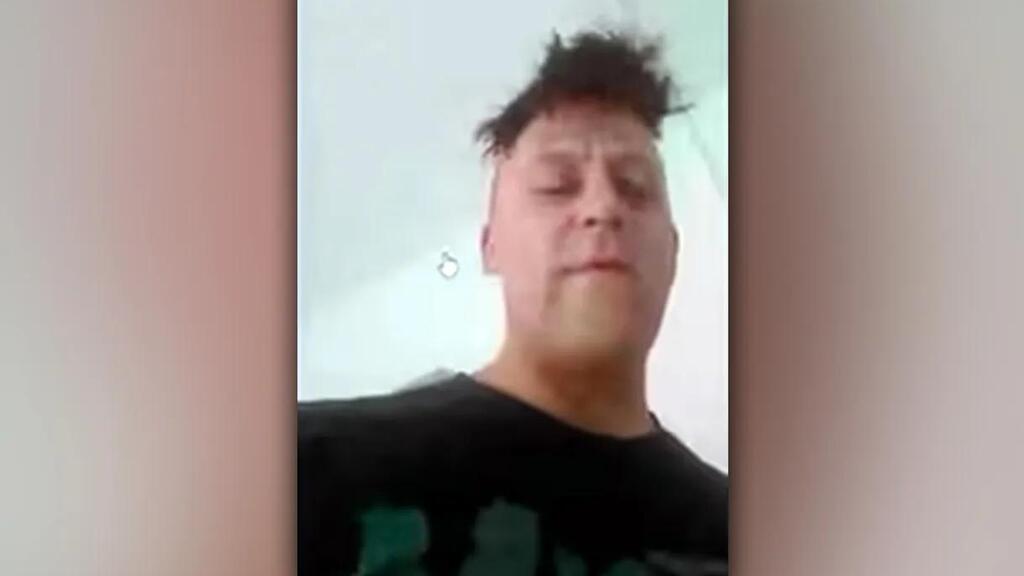
Federal prosecutors emphasized that Patkovic did not act alone. He conspired with others to make the threats, using anonymous phone numbers and encrypted online platforms to obfuscate their identities. According to the indictment, Patkovic went further than just making the calls—he also livestreamed them to an online audience via a social media and communications platform, seeking to amplify the psychological harm and communal disruption caused by his hoaxes.
Christopher G. Raia, Assistant Director in Charge of the FBI’s New York Field Office, noted the serious consequences of such behavior. “Domagoj Patkovic will spend significant time in prison for his targeting of Jewish hospitals across the New York metro area with hoax bomb threats,” Raia said. “These hoax threats, motivated by Patkovic’s insidious antisemitic views, wasted law enforcement resources and put innocent lives at risk. The FBI will continue to bring to justice individuals who utilize swatting and false bomb threats to cause panic and unrest in our communities.”
The charges against Patkovic were brought and pursued by the U.S. Attorney’s Office for the Eastern District of New York, in coordination with the Department of Justice’s National Security Division. Assistant United States Attorneys Alexander A. Solomon, Laura Zuckerwise, and Andrew D. Reich led the prosecution, with support from Trial Attorney James Donnelly of the Counterterrorism Section and Paralegal Specialist Wayne Colon.
The criminal campaign was investigated with support from the New York City Police Department (NYPD) and the Nassau County Police Department. Both agencies responded to several of Patkovic’s false bomb threats, at times having to conduct building-wide searches to confirm the absence of explosive materials. These law enforcement responses were not without consequence—according to court filings, operations were disrupted, patient care delayed, and community trust severely impacted.
“Every time emergency responders are pulled into a false bomb threat, real people are put at risk,” said one law enforcement official involved in the case, speaking on background. “It takes significant manpower and time to safely clear a hospital. And when those threats are aimed at communities already facing high levels of hate, it’s not just a hoax—it’s a form of psychological warfare.”
While no explosives were ever found at any of the targeted locations, officials said the threats were credible enough in their delivery to trigger standard protocols, illustrating how even false information, when delivered with enough detail and conviction, can sow real-world panic.
The case arrives at a time when antisemitic threats and hate crimes are on the rise both in New York and across the United States. In light of recent data and high-profile incidents, federal authorities have repeatedly affirmed their commitment to pursuing those who target Jewish individuals and institutions. “This is not a one-off,” said another source familiar with the investigation. “We are dealing with a broader environment where hate groups are becoming more tech-savvy and coordinated. Prosecutions like this are meant to deter and to send a clear message.”
In his ruling, Judge Reyes emphasized the gravity of the crimes and the psychological trauma inflicted on vulnerable communities. He rejected defense arguments for leniency based on the absence of actual explosives, emphasizing instead the “deliberate, targeted, and sustained” nature of Patkovic’s campaign.
The sentence includes not only the five-year term of imprisonment but also provisions for supervised release and mandatory counseling related to hate crimes and internet-based offenses. The court also ordered restitution to be determined in a separate hearing, to account for the costs borne by emergency responders and institutions forced to act on the false alarms.
Patkovic, who appeared subdued at sentencing, did not address the court directly. His legal counsel declined to comment.
Federal prosecutors, however, made clear that the sentence is not the end of the road. According to the U.S. Attorney’s Office, investigations remain ongoing into other individuals potentially involved in the hoax threat network. “We will leave no stone unturned,” said Nocella. “Those who target vulnerable communities with terror, even if by telephone or through the internet, will be brought to justice.”
As federal authorities continue to grapple with the evolving threat of antisemitism in the digital age, Wednesday’s sentencing marks a sobering milestone in the effort to restore safety and accountability to Jewish institutions. It also serves as a stern warning to those who might exploit technological anonymity to intimidate and terrorize faith-based communities.

5 years is not enough