



|
Getting your Trinity Audio player ready...
|
By: Fern Sidman
A horrifying attack on peaceful demonstrators in Boulder, Colorado, has left at least 15 people and one dog injured, and raised urgent national concerns over rising antisemitic violence in the United States. According to a report that appeared on Wednesday in The Associated Press, the suspect, Mohamed Sabry Soliman, 45, went to shocking lengths to disguise his intentions, dressing as a gardener and carrying out a calculated assault using Molotov cocktails. His aim, he later confessed to investigators, was to “kill all Zionist people.”
The incident unfolded last Sunday near the Pearl Street pedestrian mall, a bustling area in downtown Boulder, as a group of around 20 demonstrators gathered to call for the release of Israeli hostages held by Hamas in Gaza. The rally, organized on the eve of Shavuot, a Jewish holiday, became the site of what officials have described as a pre-meditated act of terrorism motivated by anti-Semitic hatred.
According to the information provided in The Associated Press report, Soliman arrived at the scene carrying 18 homemade firebombs, also known as Molotov cocktails, yet threw only two. The incendiary devices exploded amidst the crowd, causing burn injuries to more than half of the attendees. Boulder County officials later confirmed that the number of victims had risen from 12 to 15, plus a dog that was also harmed in the attack. The severity of injuries among the victims has not yet been fully disclosed.
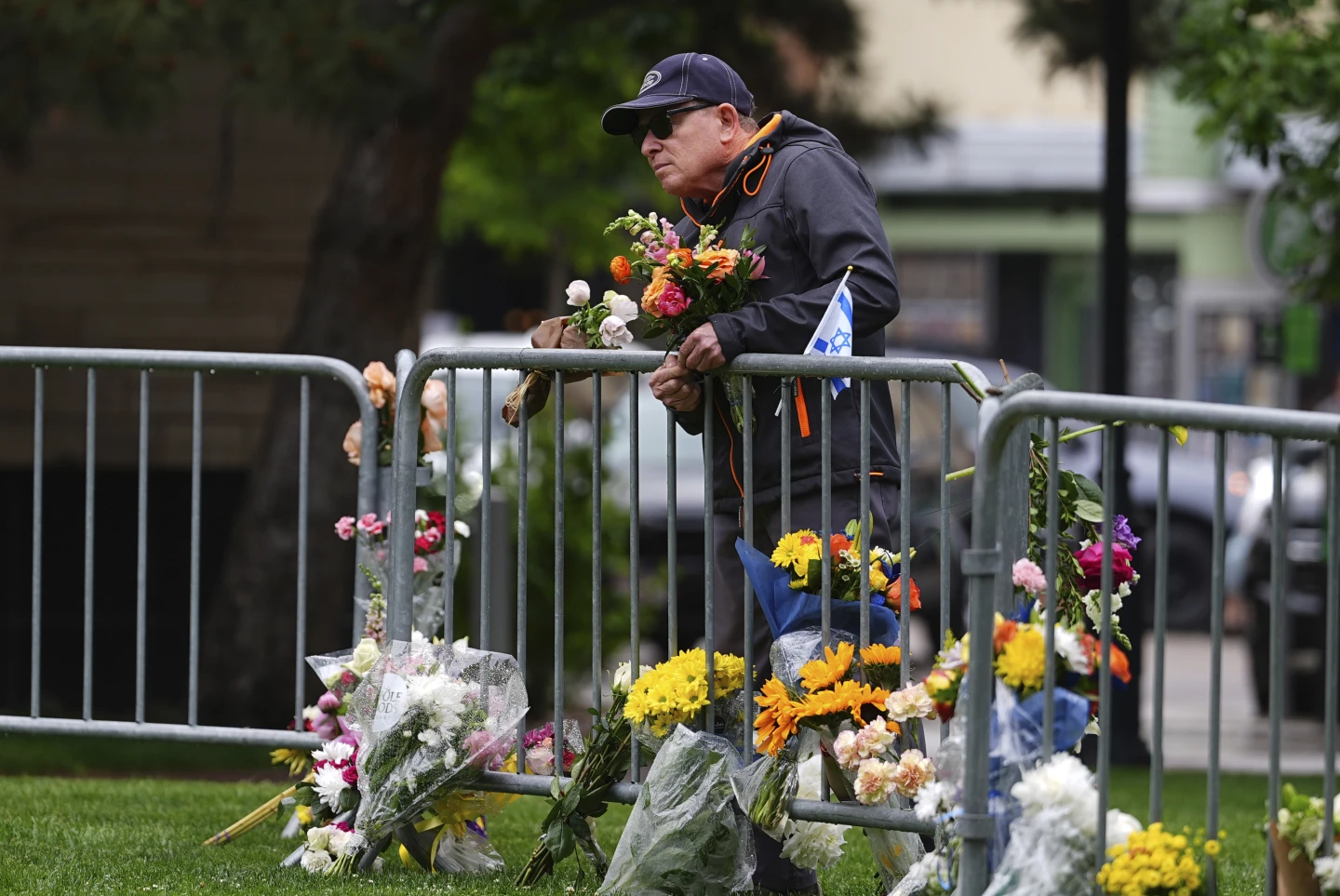
The New York Times reported on Wednesday that Soliman, 45, disguised himself as a gardener, donning an orange vest, carrying a backpack weed sprayer filled with gasoline, and even purchasing flowers from Home Depot to complete the ruse. This elaborate deception allowed him to approach the demonstrators without raising alarm.
Then, in a moment that bystanders describe as surreal and horrifying, Soliman unleashed his plan. He sprayed gasoline from the weed sprayer and ignited two Molotov cocktails, hurling the flaming bottles into the crowd. The fire erupted immediately, engulfing the grassy area near the Boulder County Courthouse and igniting victims’ clothing.
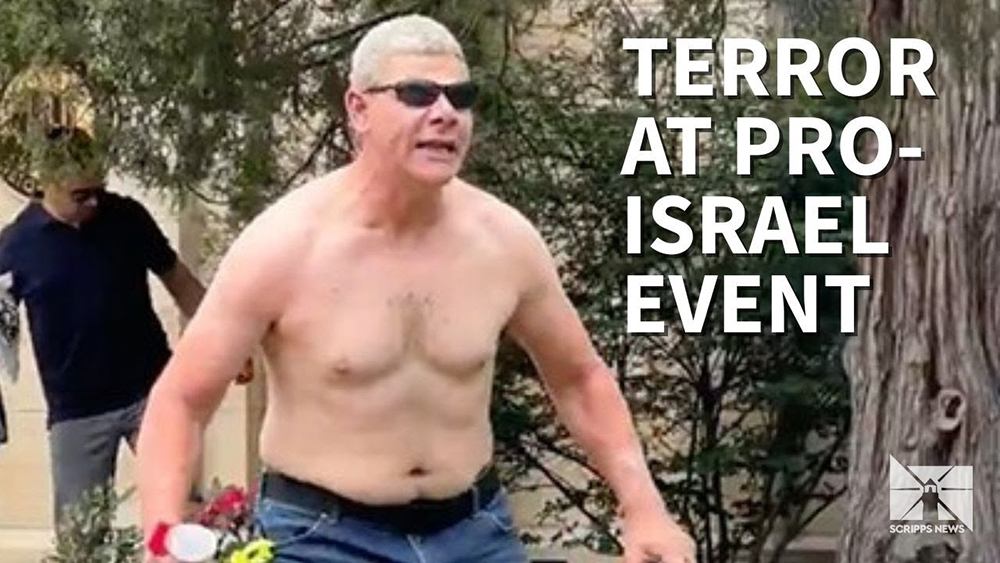
A video verified by Storyful and referenced by The New York Times shows the suspect shirtless, screaming incoherently, and waving two bottles while flames burned on the ground. Police later explained that Soliman removed his shirt after burning his own arm and hand, though he remained at the scene long enough for several witnesses to film the aftermath.
Local resident Lisa Effress, who had been eating lunch nearby, described a scene of “smoke, screaming, and people who were half-dressed and dazed.” She told The New York Times, “There were discarded clothes everywhere—people had used their shirts to put out flames. It was horrible.”
In a sworn affidavit obtained by The Associated Press, police state that Soliman admitted he “got scared” and didn’t carry out his full plan, claiming he had never harmed anyone before. However, authorities emphasized that his regret did not extend to the attack itself—Soliman told law enforcement he had “no remorse” and viewed the demonstrators as legitimate targets.
The FBI’s affidavit revealed Soliman’s motive in stark terms: he reportedly said he was driven by a desire “to kill all Zionist people.” Investigators determined that the attack had been planned for over a year, marking it as a federal hate crime and an act of attempted mass murder.
Soliman now faces a battery of charges in both state and federal courts. The federal hate crime charge, which includes attempted murder, could carry a life sentence if he is convicted. At the state level, the charges include 16 counts of attempted first-degree murder, two counts related to the use of incendiary devices, and 16 counts of attempted use of incendiary weapons, as reported by The Associated Press.
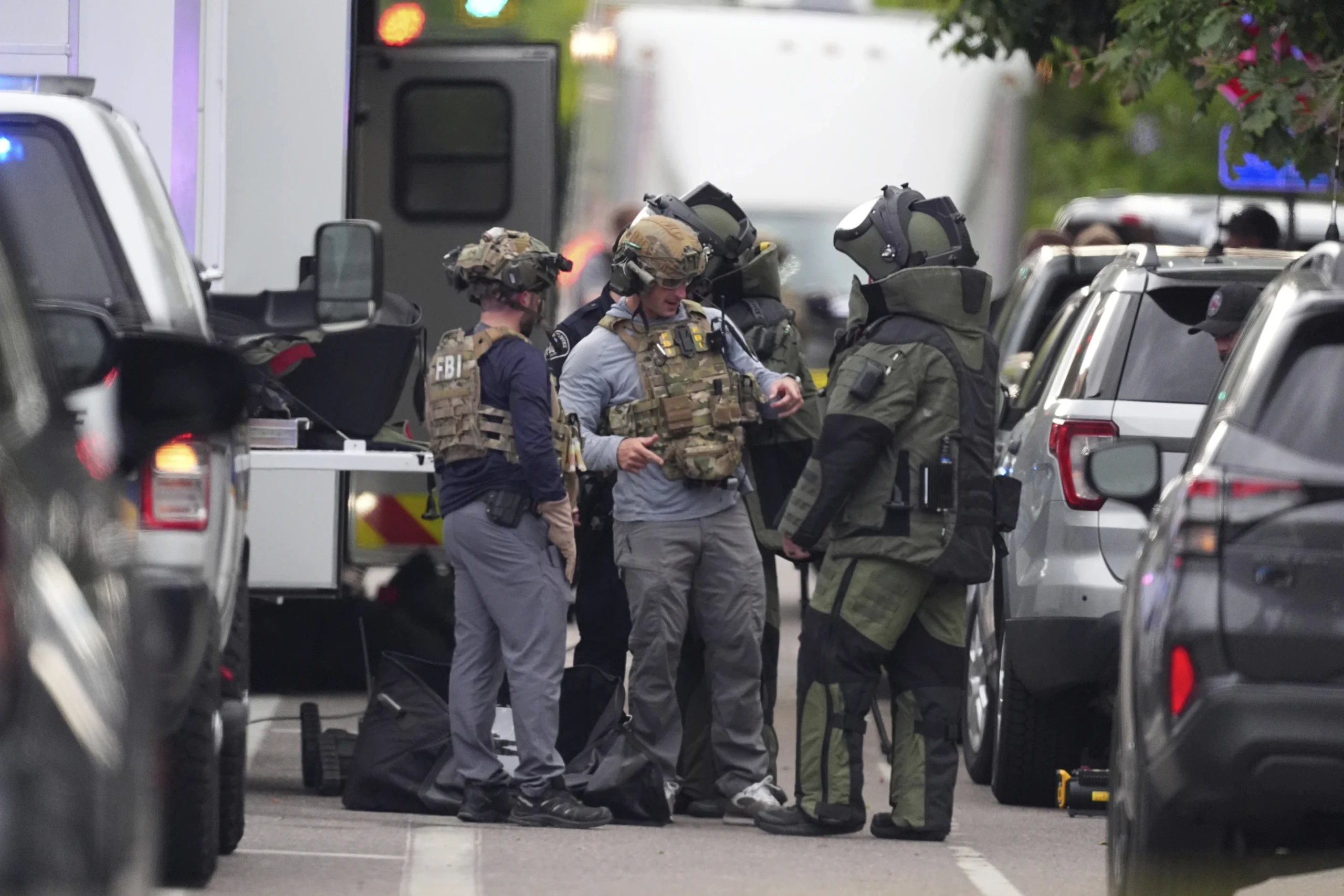
Soliman is currently being held on a $10 million cash-only bond, and is scheduled to reappear in Boulder County court on Thursday. The Department of Justice has confirmed it will seek a grand jury indictment, opening the door to additional federal charges.
Mark D. Michalek, the FBI’s Special Agent in Charge for the Denver field office, told reporters there is no indication that Soliman was part of a broader group, but said the case fits “the textbook definition of domestic terrorism.” The FBI and the Department of Justice have both opened federal hate crime investigations, and prosecutors are seeking a grand jury indictment that could result in life imprisonment.
As of Wednesday, three of the most severely injured victims remained at UCHealth University of Colorado Hospital in Aurora, according to a hospital spokesperson cited by The New York Times. Their names and conditions were not released, in keeping with requests for privacy from the victims and their families. “They have asked for time and space to heal,” said spokesperson Kelli Christensen.
None of the victims have agreed to speak publicly, but police liaisons shared that all are members of the Run for Their Lives campaign. The group has staged weekly marches in cities across the globe since 2023 but has never before experienced physical violence, making the Boulder attack a shocking escalation.
Despite fear and injury, organizers told The New York Times they plan to continue their demonstrations. “We will not be silenced,” said one organizer, speaking on background. “We walk for hostages. We walk for peace. That mission has never been more important.”
Public defender Kathryn Herold is representing Soliman but has declined to comment, consistent with Colorado public defender protocols. According to The Associated Press, prosecutors have remained tight-lipped about the details of the newly identified victims and the broader scope of the investigation.
Adding another layer of controversy to the case is Soliman’s immigration status. According to the information contained in The Associated Press report, he entered the United States on a B2 tourist visa in August 2022, which expired in February 2023, meaning he had been living in the country illegally for over a year.
Homeland Security officials disclosed that Soliman’s wife and five children—with whom he resided in Colorado Springs—were taken into custody by U.S. Immigration and Customs Enforcement (ICE) on Tuesday. A Department of Homeland Security official, speaking anonymously to The Associated Press, said the family is currently being processed for potential immigration violations.
Secretary of Homeland Security Kristi Noem addressed the situation publicly, stating via social media platform X that federal authorities are investigating whether Soliman’s family had any prior knowledge of his intentions. Soliman, for his part, has insisted that no one, including his family, was aware of his plan, as noted in court documents cited by The Associated Press.
Noem also indicated that DHS will be intensifying enforcement measures targeting visa overstays, citing the case as an example of the potential national security risks involved.
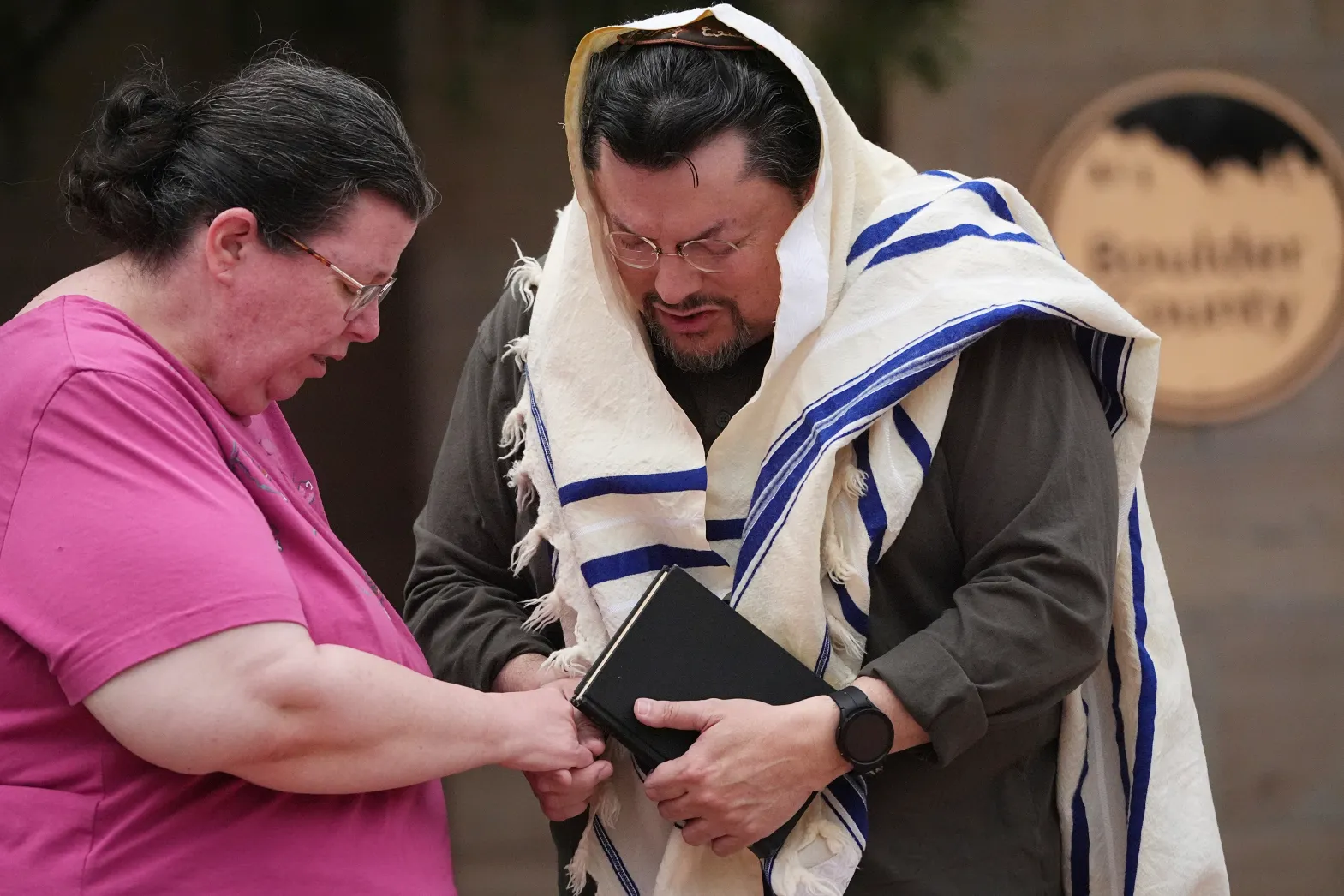
The attack comes in the context of escalating anti-Semitic violence in the United States, a trend that has alarmed Jewish advocacy organizations and public officials. Just a week prior to the Boulder assault, two Israeli Embassy staffers were murdered in Washington, D.C., in an attack in which the assailant also reportedly shouted “Free Palestine,” the same phrase used by Soliman during Sunday’s bombing.
Speaking from the Senate floor, Senator John Hickenlooper condemned the Boulder incident in unequivocal terms. “This attack was not random,” he declared. “It was a deliberate hate crime against the Jewish community that was planned for months.”
As The Associated Press reported, investigators are treating the incident not as an isolated act of violence but as part of a broader wave of ideologically motivated hate crimes, often fueled by radical anti-Israel sentiments that are increasingly spilling over into acts of terror against American Jews.
This attack has deepened fears within Jewish communities nationwide. Religious leaders, advocacy organizations, and political figures have called for increased federal protection of Jewish institutions and greater vigilance in monitoring hate groups and extremists. The fact that Soliman lived quietly in Colorado Springs with his family—while planning a mass murder—has shaken many Americans’ sense of security.
“This is a wake-up call,” one senior law enforcement official told The Associated Press. “He wasn’t on anyone’s radar. No prior convictions. No public extremist affiliations. Yet here he is, confessing to a year-long plan to kill Jews.”
Federal authorities are investigating Sunday’s violent firebombing in Boulder, Colorado, as a “targeted terror attack,” according to FBI Director Kash Patel, who made the announcement on social media shortly after initial police briefings began. As reported by The Associated Press, this incident calls attention to the growing fears that antisemitic rhetoric in the United States is rapidly escalating into coordinated acts of terrorism.
The attack took place near the iconic Pearl Street pedestrian mall, a popular and typically peaceful location, as demonstrators were wrapping up a weekly event. According to The Associated Press, the suspect, Mohamed Sabry Soliman, 45, hurled Molotov cocktails and wielded a makeshift flamethrower against a crowd of 20 people. Authorities confirmed that 15 of them—eight women and seven men ranging in age from 25 to 88—suffered varying degrees of injuries, from minor to serious. A dog was also injured during the assault.
In the immediate aftermath of the attack, Boulder Police Chief Stephen Redfearn acknowledged that his initial instinct was to suspect terrorism. However, as reported by The Associated Press, Redfearn emphasized that authorities were deliberate in their early public statements, carefully vetting evidence to avoid misinformation that could compromise the prosecution of Soliman.
“There was no intent to hide what happened,” Redfearn said during a press conference. “There was no intent to minimize or lessen what we later, within a couple of hours at the press conference, confirmed was terrorism. It was, it was. Strictly the intent was to make sure we had everything right before we committed to one thing or another.”
The Associated Press report noted that investigators were particularly focused on verifying whether a second suspect had been involved. Early witness accounts and video footage raised that possibility, prompting law enforcement to scour recordings to ensure no additional assailant was at large.
The victims of the attack were participants in a weekly event organized by Run for Their Lives, a campaign founded in 2023 that hosts walks in cities worldwide to raise awareness of Israeli hostages held by Hamas. According to The Associated Press, the Boulder demonstration was the first of its kind to be violently targeted, heightening fears among supporters in the U.S. who now worry about their personal safety during future events.
Though the victims have declined media interviews, police liaisons assigned to the group have shared limited details about their condition. The Associated Press reports that three individuals were hospitalized at UCHealth University of Colorado Hospital on the CU Anschutz Medical Campus, but their identities and specific injuries remain private. Hospital spokesperson Kelli Christensen told reporters via email, “They have requested privacy to heal.”
Despite the trauma, organizers have stated they will not be silenced. “We’re scared,” one unnamed participant told The Associated Press through a liaison, “but we’re not stopping.”
According to The Associated Press, the FBI and Department of Homeland Security are also using the Boulder attack as a case study to reevaluate domestic intelligence-sharing practices and counter-extremism measures, especially as similar incidents targeting Jews and pro-Israel advocates have begun to surge across the country.
The attack has also prompted calls for increased security at Jewish and Israel-related events, including those organized by Run for Their Lives. The group, which began as a modest movement for awareness, now finds itself needing to consider counter-terrorism measures as part of its routine planning.
As the investigation continues, the Boulder firebombing stands as a chilling reminder of how violent antisemitism is increasingly being weaponized under the guise of political protest. The FBI’s decision to classify the assault as a targeted terror attack marks a significant shift in how federal agencies view threats against the Jewish community in the context of the Israel-Hamas conflict.
With 15 victims recovering, a suspect in custody, and a federal indictment pending, the Boulder community—and the nation—grapples with the implications of what could have been a far more devastating attack. As The Associated Press reported, the line between protest and premeditated violence is growing thinner, and the need for vigilance has never been more urgent.
The Boulder firebombing stands as one of the most chilling anti-Semitic attacks in recent American history. With the Justice Department expected to proceed with an aggressive federal case and immigration authorities expanding their review of visa overstays, the consequences of this attack are likely to reverberate well beyond the courtroom.
What remains now is a single, urgent question: How many more Mohamed Solimans are out there, hiding in plain sight?
