



|
Getting your Trinity Audio player ready...
|
By: Tzirel Rosenblatt
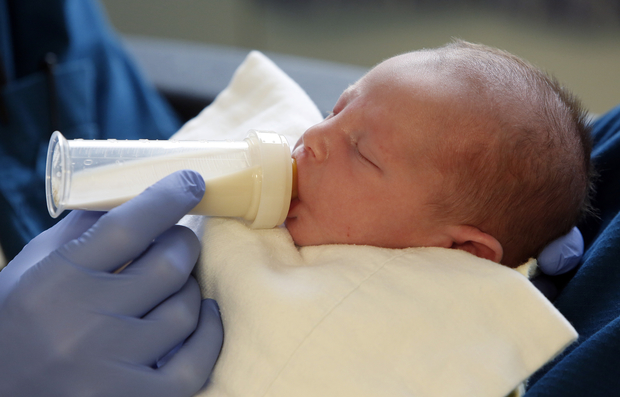
In the midst of war, uncertainty, and relentless national strain, a remarkable and deeply moving story of life and perseverance unfolded this week in the charedi city of Modi’in Illit. A well-known local family celebrated the birth of their 21st child—an extraordinary milestone that has resonated far beyond the boundaries of their close-knit community. The event has come to symbolize something far greater than the expansion of one household: it reflects the quiet resilience of Israeli families and, above all, the enduring strength of Israeli women who continue to nurture life even amid the most challenging circumstances.
According to a report on Tuesday by VIN News, the birth quickly became the subject of widespread discussion throughout Modi’in Illit, a city known for its deeply traditional religious character and strong communal bonds. Residents expressed astonishment not merely at the size of the family but at the remarkable fact that all twenty-one children were born in separate pregnancies. There are no twins among them—a detail that only deepened the sense of wonder surrounding the family’s story.
Equally striking is the relatively short span of years during which these births occurred. The family’s eldest son is only twenty-two years old. Over the course of slightly more than two decades, the household has experienced a rhythm of near-constant celebration: brit milah ceremonies, kiddush gatherings, and milestones marking the arrival of each new child.
Every one of the children remains unmarried and continues to live at home, meaning the household has grown into a vibrant, bustling environment filled with siblings of all ages. According to sources cited by VIN News, the family is widely regarded as beloved members of the community, admired for their warmth, generosity, and devotion to both faith and family life.
Yet the story resonates on a deeper level because of the broader national context in which it occurs. Israel has been living under the shadow of war for quite some time. Sirens warning of incoming missiles, economic strain brought on by prolonged military mobilization, and the emotional toll of ongoing conflict have weighed heavily on families throughout the country.
In such circumstances, the decision to bring children into the world represents not merely a private family choice but an act imbued with profound meaning. Israeli women—many of whom shoulder extraordinary responsibilities during times of crisis—continue to nurture life with remarkable courage.
The mother at the center of this story embodies that spirit of quiet heroism. According to information cited by VIN News, she works as a teacher in one of the city’s educational institutions, dedicating her professional life to guiding young minds even as she raises an exceptionally large family of her own.
Her husband, meanwhile, is described as an avrech—an advanced Torah scholar who devotes his days to study in a yeshiva environment. Together they have built a household rooted in faith, discipline, and deep mutual support.
Friends of the family told VIN News that many years ago, after the birth of their first child, the couple visited the revered rabbinic leader Rav Chaim Kanievsky. During that visit, he reportedly offered them a simple but powerful blessing: “You will have many healthy children.”
Those close to the family say the blessing has been fulfilled in the most remarkable way.
When word of the latest birth spread through Modi’in Illit, neighbors responded in the manner typical of the city’s tightly knit community. Offers of help quickly poured in, with friends and acquaintances volunteering to provide meals, childcare assistance, and other forms of support during the demanding early days following the birth.
Such gestures of solidarity are not uncommon in religious Israeli communities, where mutual responsibility and communal care are deeply embedded values. Yet in times of national crisis, these acts of kindness take on added significance.
The story also highlights the extraordinary role of Israeli mothers during wartime. Across the country, women are carrying a dual burden: maintaining family stability while coping with the anxieties of conflict.
Many Israeli women currently have husbands, brothers, or sons serving on active military duty. Others are managing households while dealing with the emotional stress of frequent missile alerts or disruptions to daily life.
Despite these pressures, life continues—and nowhere is that more evident than in the maternity wards of Israeli hospitals.
Indeed, throughout Israel’s history, periods of national hardship have often coincided with strong birth rates. Sociologists frequently point to the unique cultural and spiritual outlook that shapes Israeli family life, particularly within religious communities.
For many Israelis, bringing children into the world represents not merely a personal aspiration but a deeply rooted commitment to the continuity of the Jewish people.
The determination to nurture life amid adversity reflects a philosophy that views each child as a beacon of hope for the future.
Israeli mothers, in particular, are often celebrated for their unwavering devotion to their children’s well-being. The demands of motherhood are immense in any society, but in Israel—where security concerns and national service obligations are part of everyday life—the challenges can be especially formidable.
Yet women across the country continue to meet those challenges with extraordinary strength.
The mother in Modi’in Illit who has now given birth to her twenty-first child embodies that devotion. Raising such a large family requires a degree of patience, organization, and emotional resilience that few can fully comprehend.
Each child requires attention, guidance, and love. Each must be nurtured as an individual while also being woven into the fabric of the larger family unit.
Friends of the family describe a household filled with warmth and laughter despite its size. Older siblings help care for younger ones, creating a dynamic in which responsibility and compassion are learned from an early age.
Within such families, children grow up surrounded by constant companionship and shared experience.
Observers say the story resonates precisely because it illustrates the extraordinary capacity of Israeli families to flourish even in the face of adversity.
The ongoing war has imposed severe strains on the nation’s economy and emotional landscape. Businesses have struggled, families have endured months of anxiety, and many households have faced financial hardship as reservists have been called away from their jobs.
Yet even amid these pressures, Israeli women continue to bring new life into the world.
For many Israelis, each birth carries symbolic meaning. It represents the triumph of hope over despair, continuity over destruction, and faith over fear.
The newborn child in Modi’in Illit thus becomes more than the latest addition to one family. In a profound sense, the infant represents the enduring vitality of the Jewish people.
As VIN News has frequently reported, stories of large families and devoted mothers remain a defining feature of life in Israel’s religious communities. These families often view child-rearing as a sacred responsibility and a cornerstone of their identity.
In Modi’in Illit, where Torah study and traditional values shape daily life, the arrival of a twenty-first child is both a personal blessing and a communal celebration.
Neighbors who gathered to offer congratulations spoke not only of admiration but also of inspiration.
At a time when the nation faces formidable challenges, the story serves as a reminder that resilience often manifests in quiet, everyday acts of courage.
The decision to nurture children, to teach them values, and to raise them with love is among the most powerful expressions of hope that any society can offer.
Israeli mothers have long been central to that mission. Through their tireless dedication, they sustain families, communities, and ultimately the nation itself.
In the home of this remarkable family in Modi’in Illit, twenty-one children now fill the rooms with the sounds of life—voices, laughter, and the constant motion of a household that has grown into something extraordinary.
And in the midst of war, uncertainty, and hardship, that life continues to flourish—carried forward by a mother whose devotion reflects the enduring spirit of Israel
